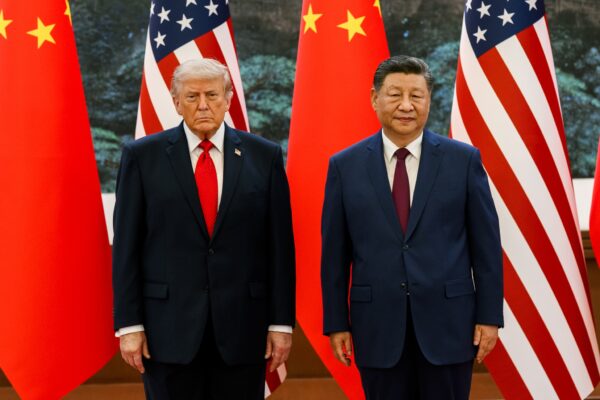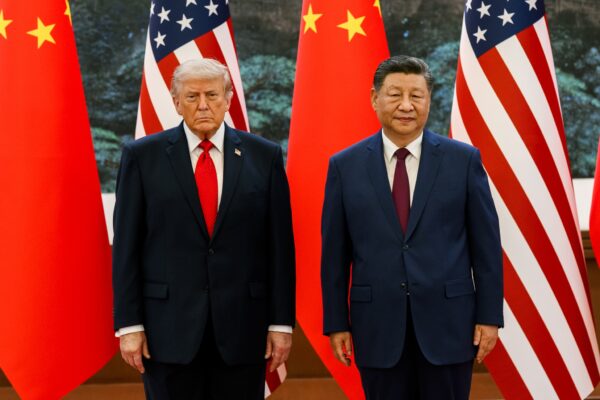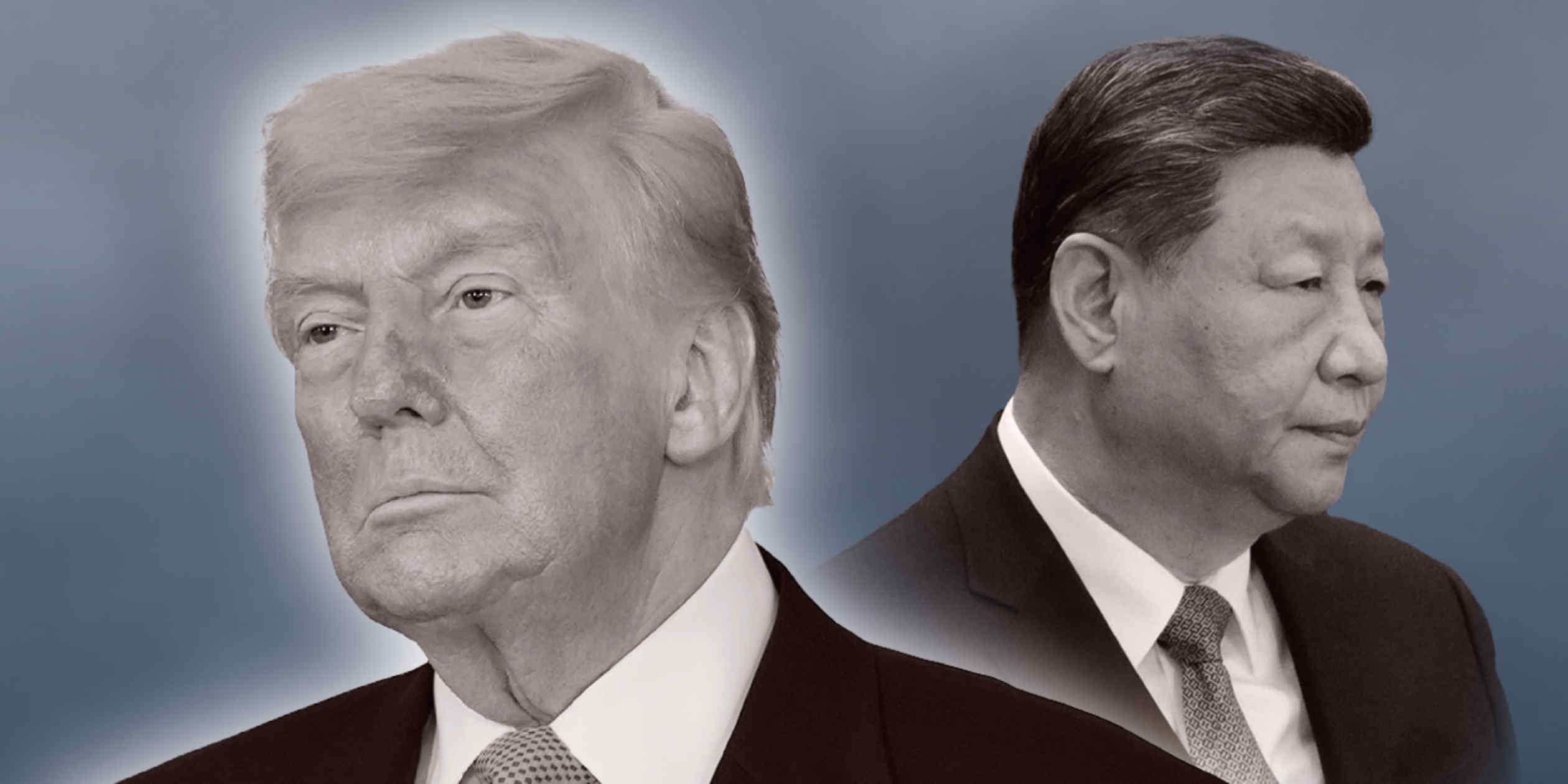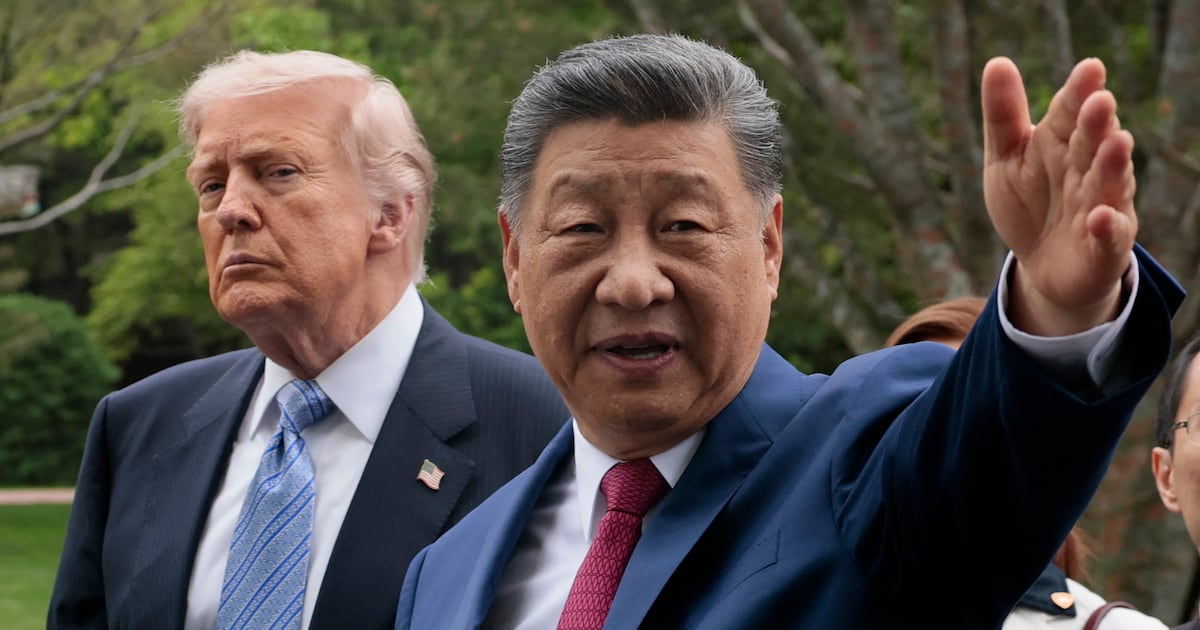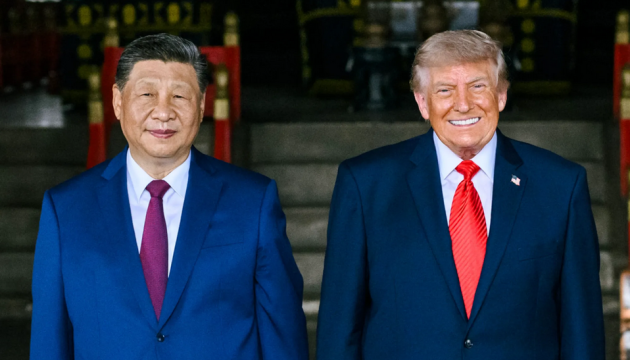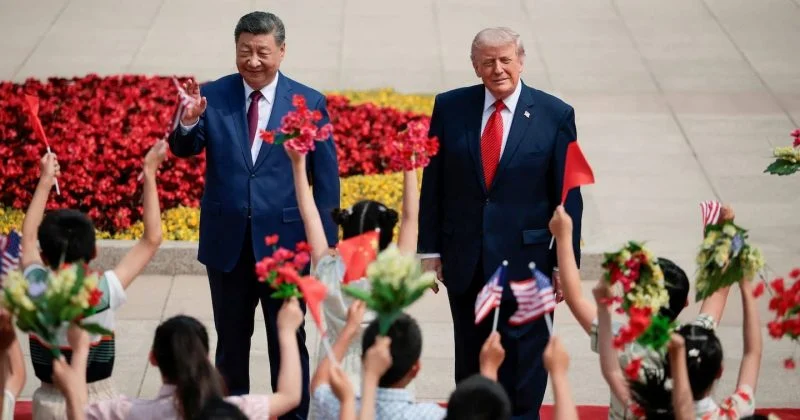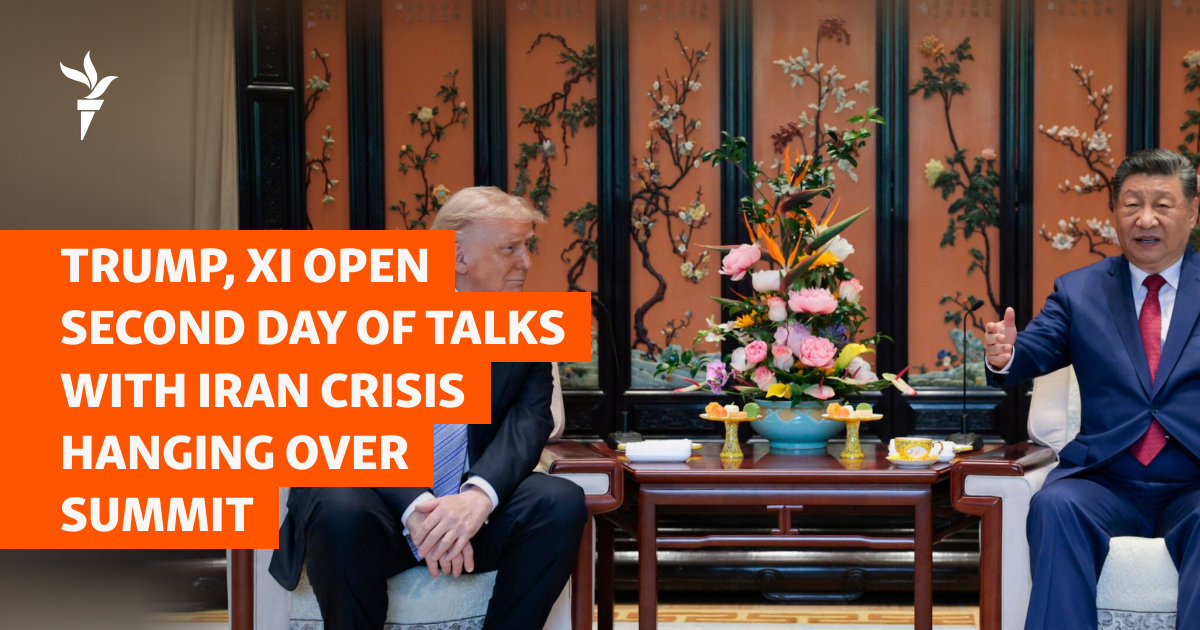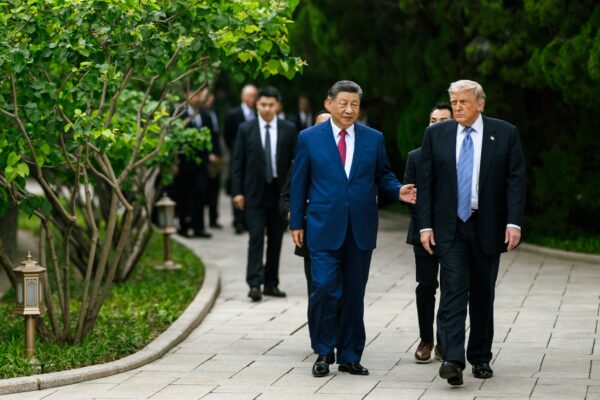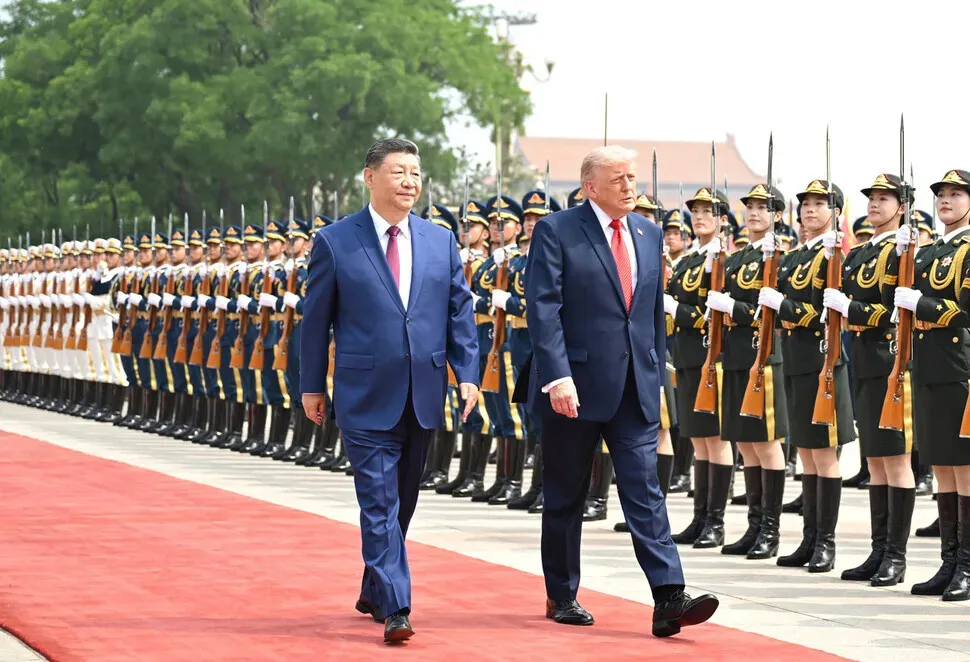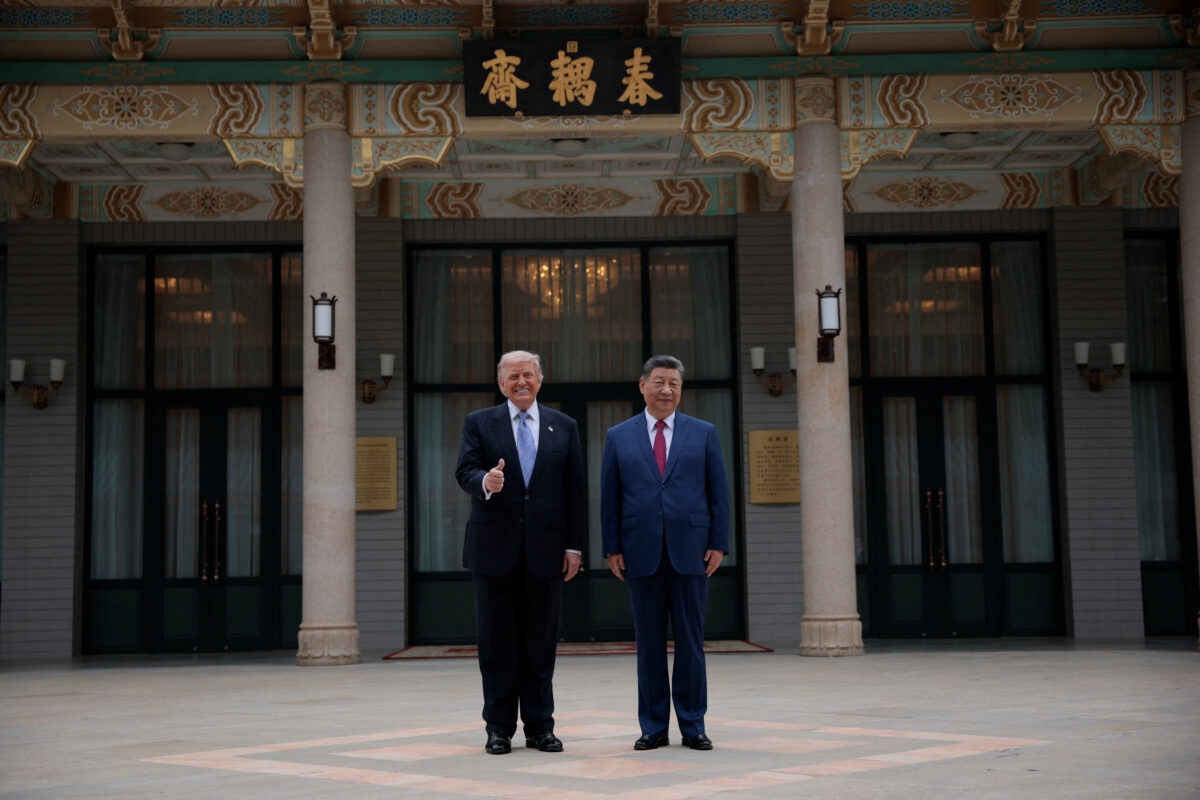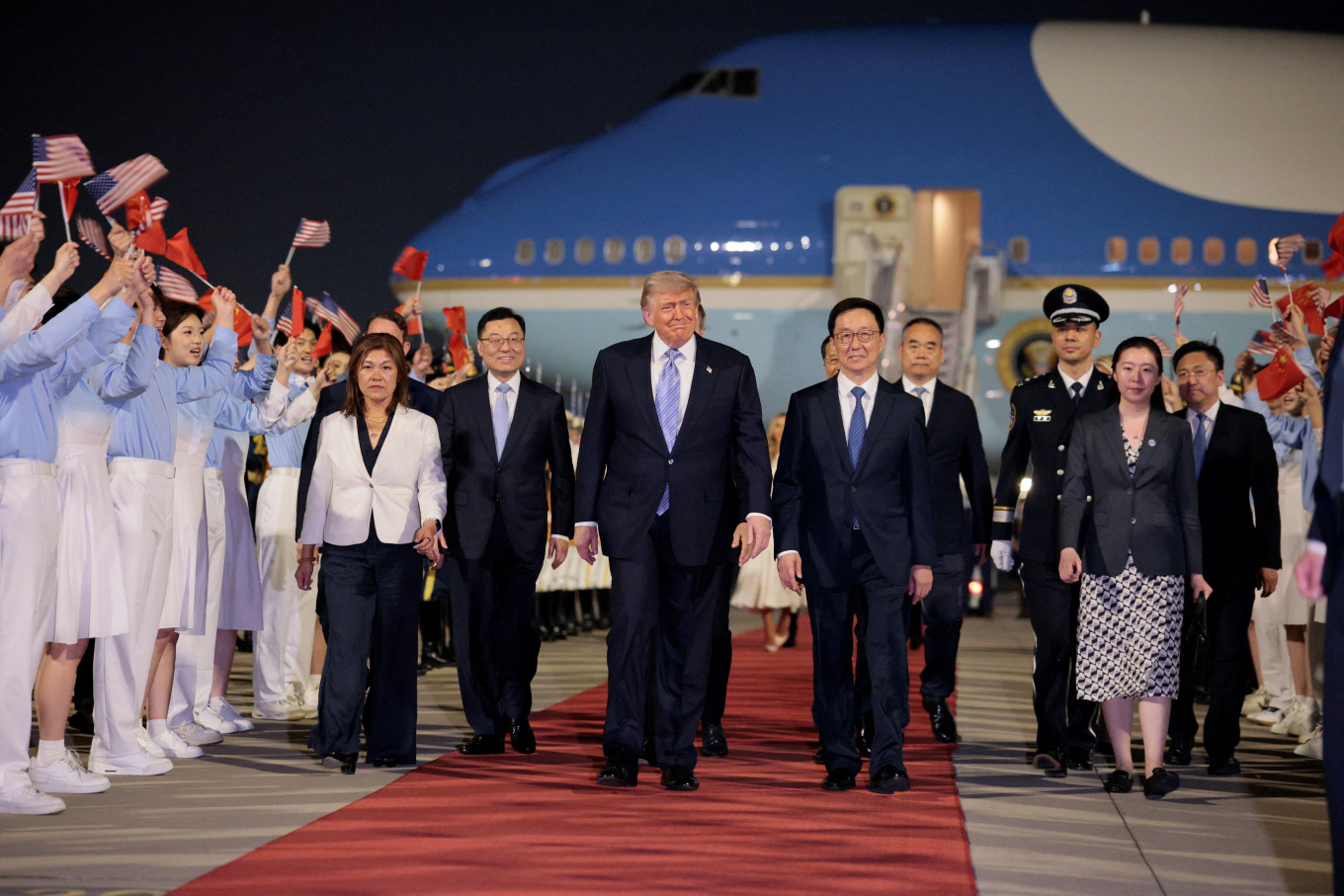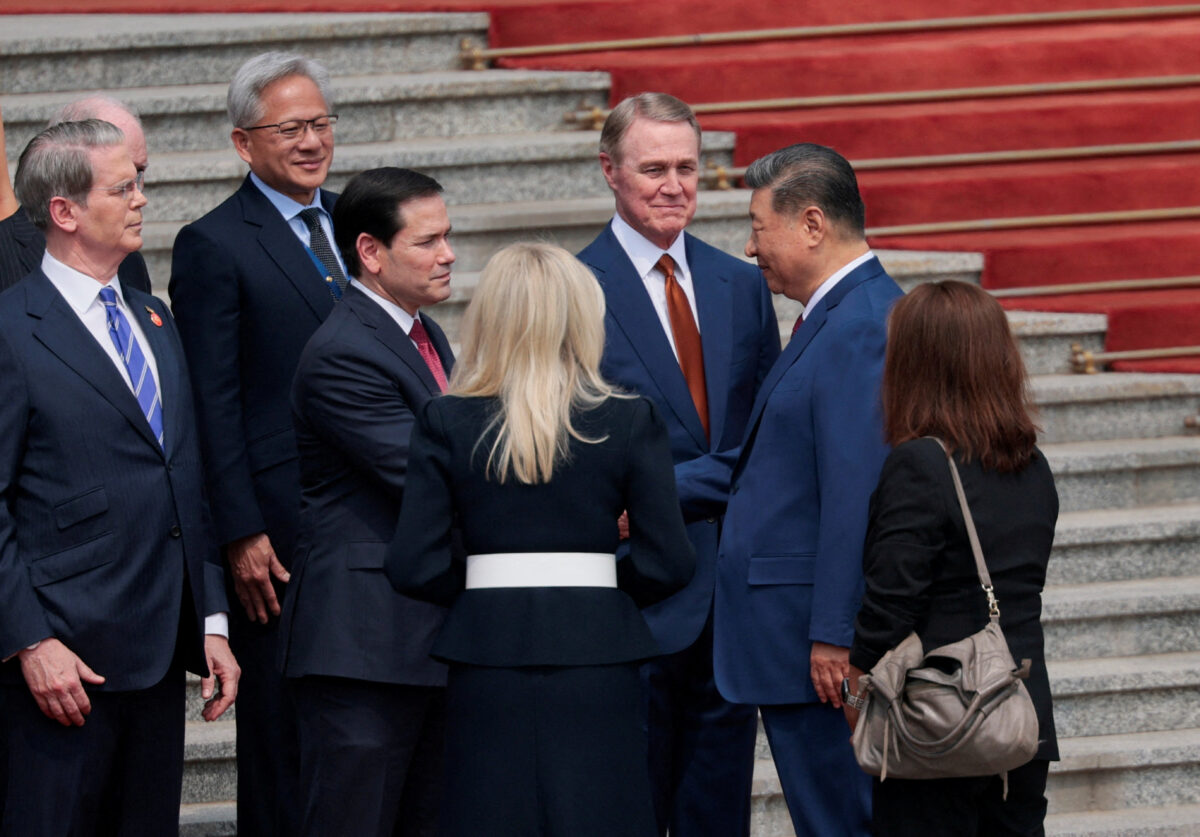
US President Donald Trump’s visit to Beijing on 14–15 May 2026 for a summit with Chinese President Xi Jinping has ushered in a new — albeit fragile — era of coordinated management in US–China relations. The meeting, driven by urgent domestic and geopolitical imperatives, signals a managed detente rather than a genuine stabilisation of deep-seated structural tensions.
For both leaders, the summit was a necessary tactical pause. Trump, seeking to recover domestic approval ratings battered by the ongoing Iran war, needs a ‘big success’ ahead of challenging midterm elections. Meanwhile, China requires stable ties with Washington to sustain its economic growth amid turbulent global headwinds.
The negotiations logically centred on the two intractable flashpoints of the Iran war and Taiwan. The US naval blockade of the Strait of Hormuz in May 2026 has severely disrupted China’s energy security, threatening the substantial source of its crude oil imports. In exchange for easing these pressures, Washington likely expects Beijing to exert its considerable influence over Iran and its intermediary, Pakistan.
Conversely, China’s primary objective remains its ‘core interest’ of Taiwan. Beijing aims to extract stronger rhetorical concessions from the United States, pushing Washington to shift its traditional stance from merely stating it ‘does not support’ Taiwan independence to explicitly declaring it ‘opposes’ the independence. Notably, Xi used an unusually strong expression to warn Trump that the United States must handle the issue with utmost care.