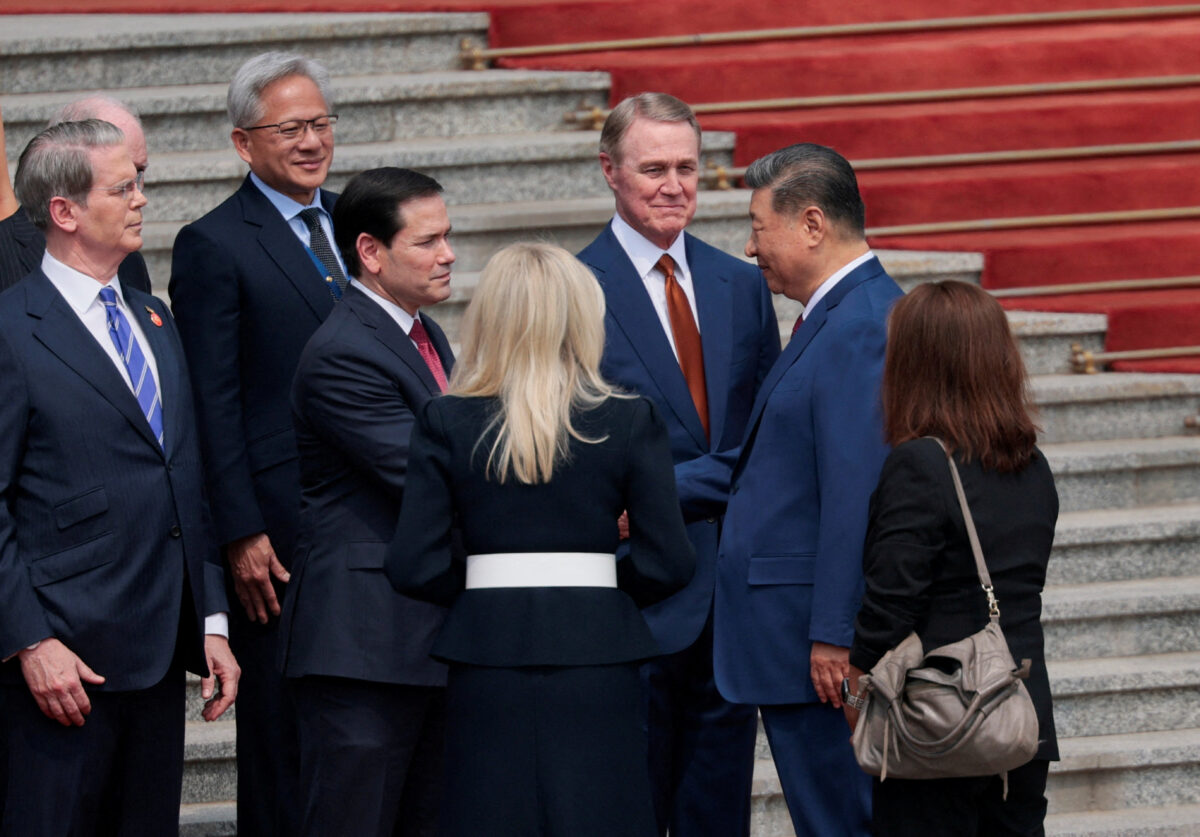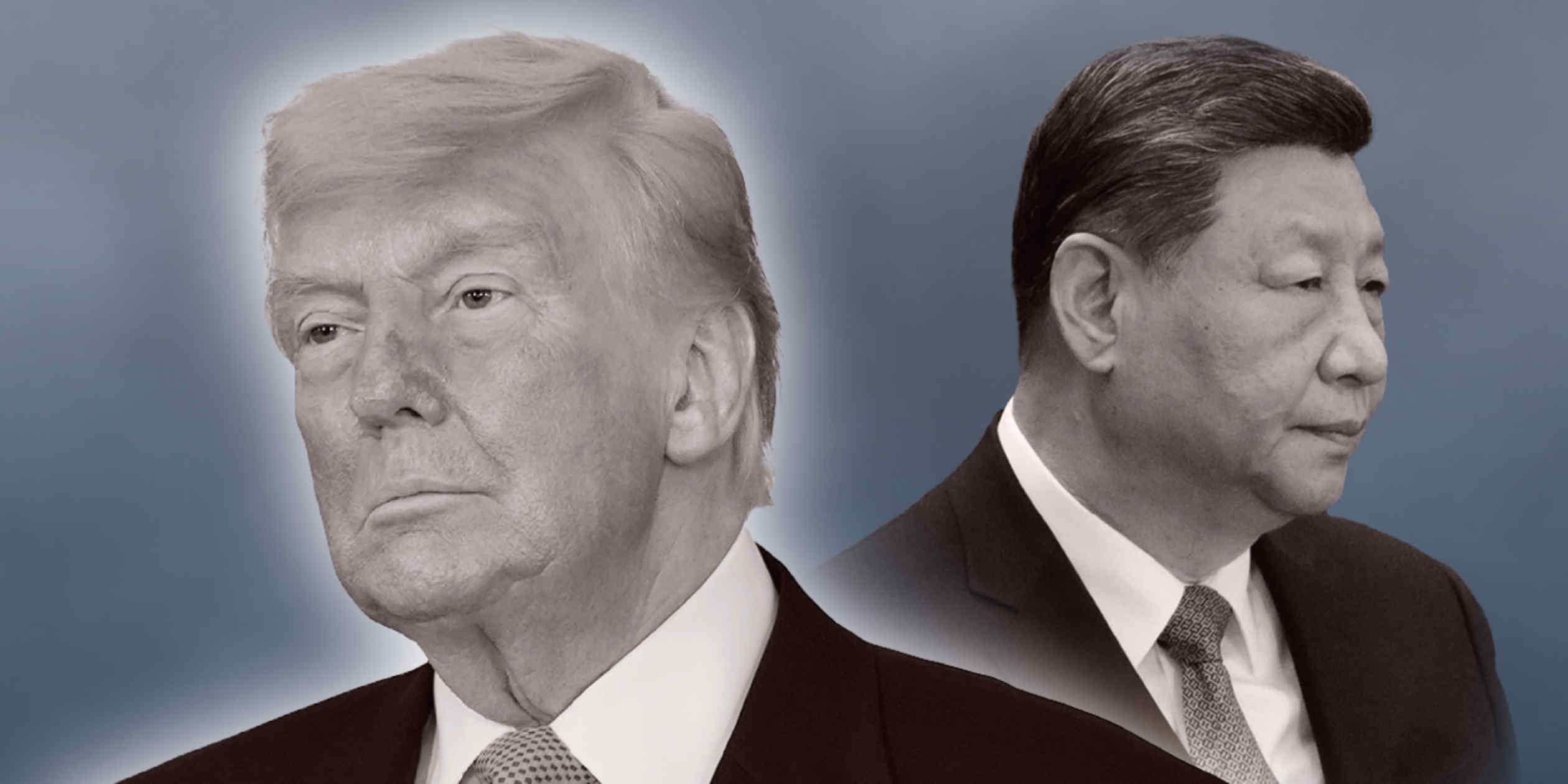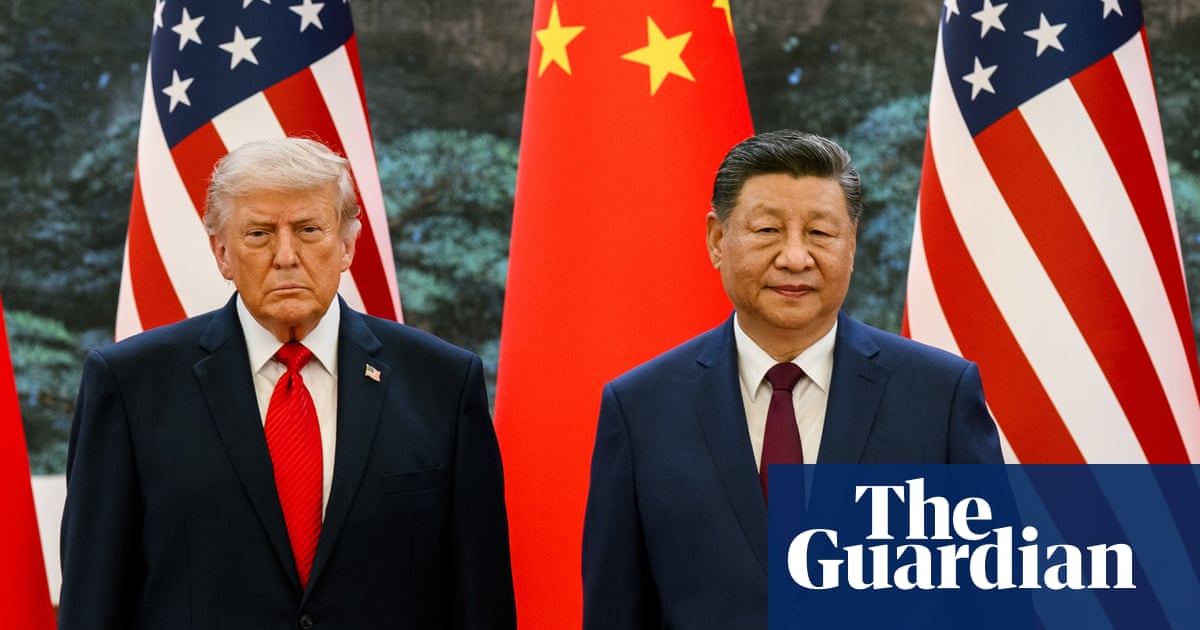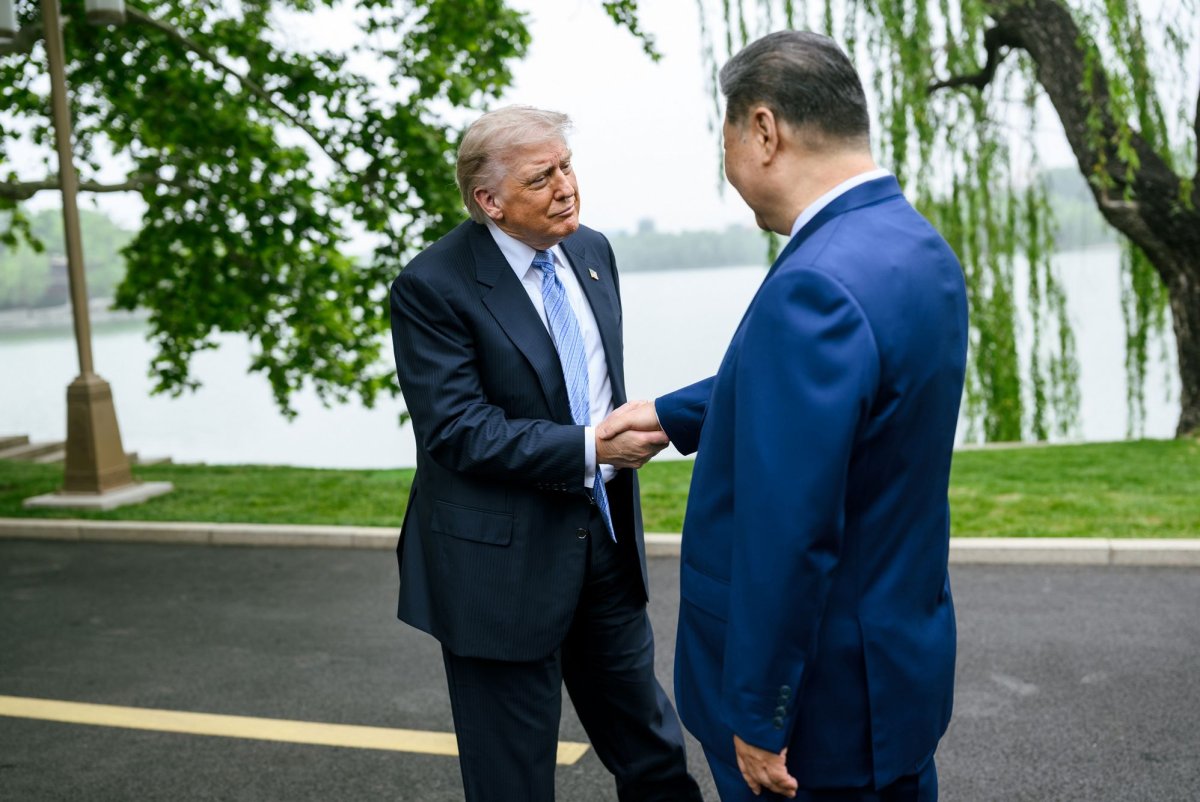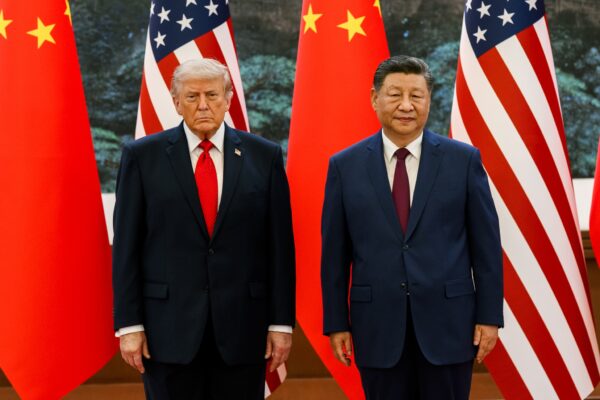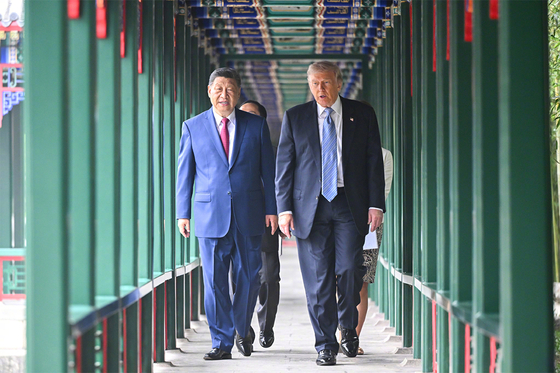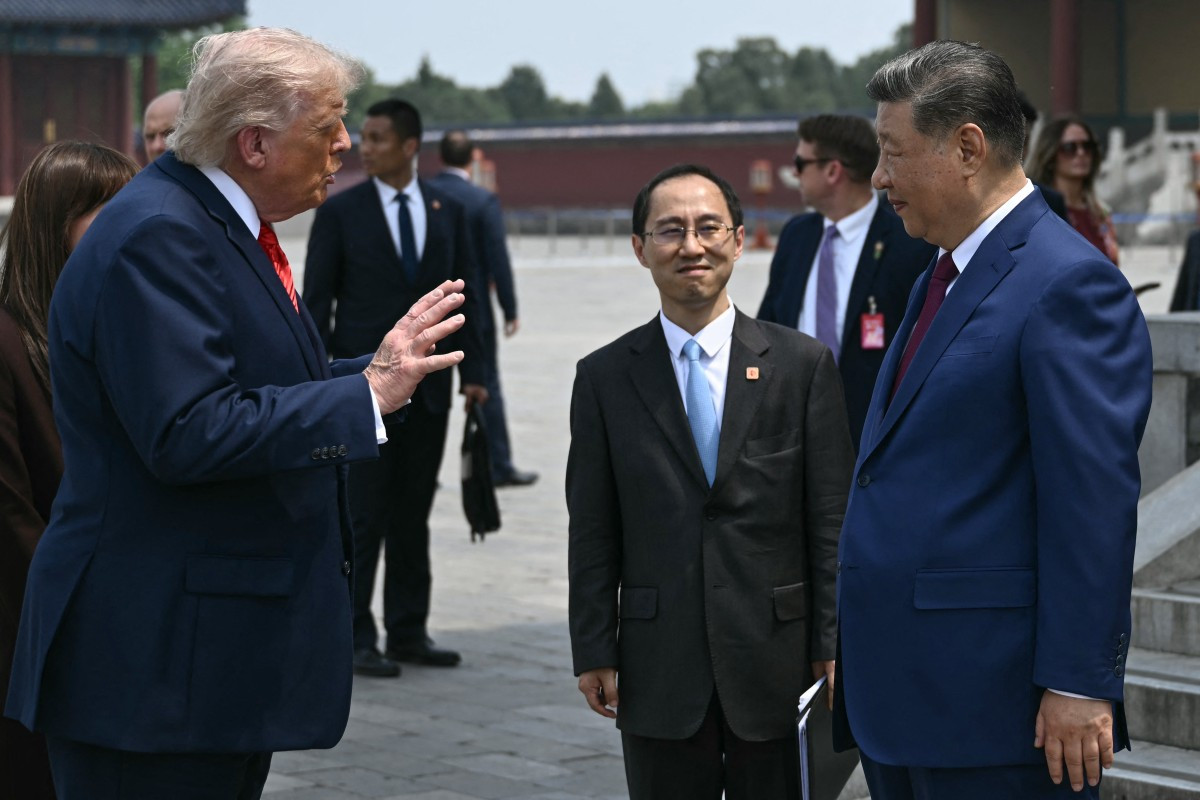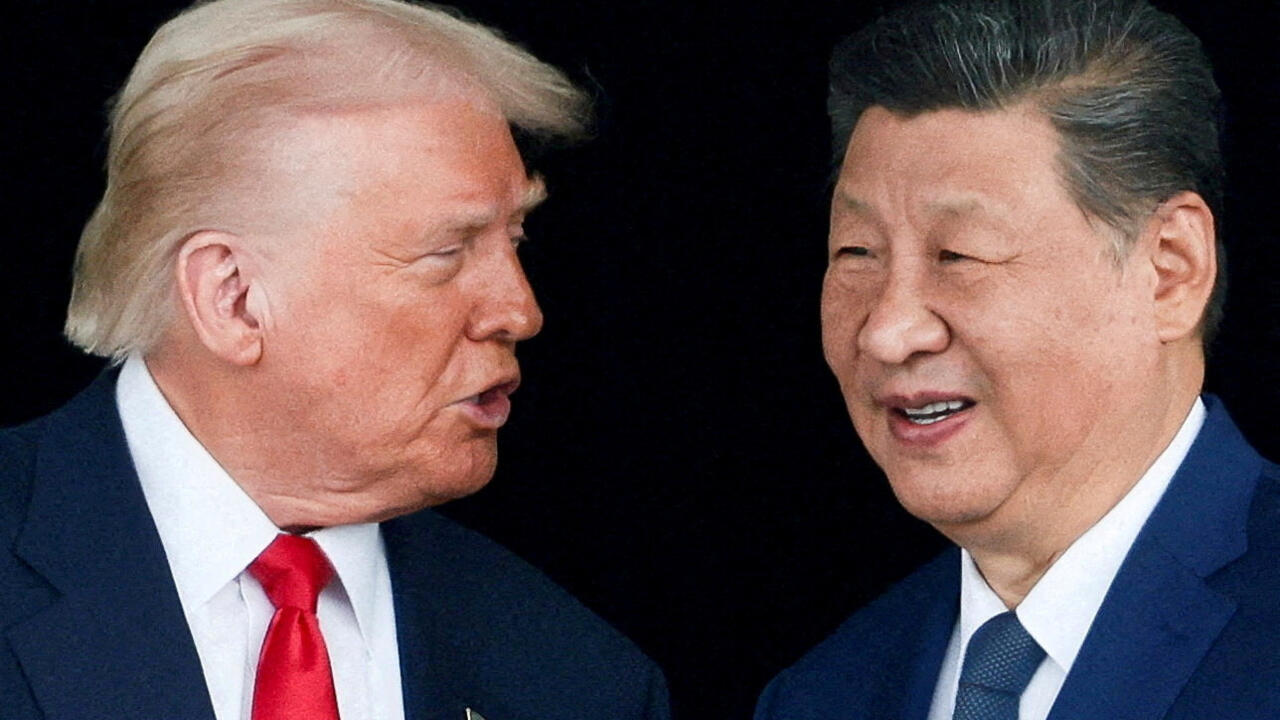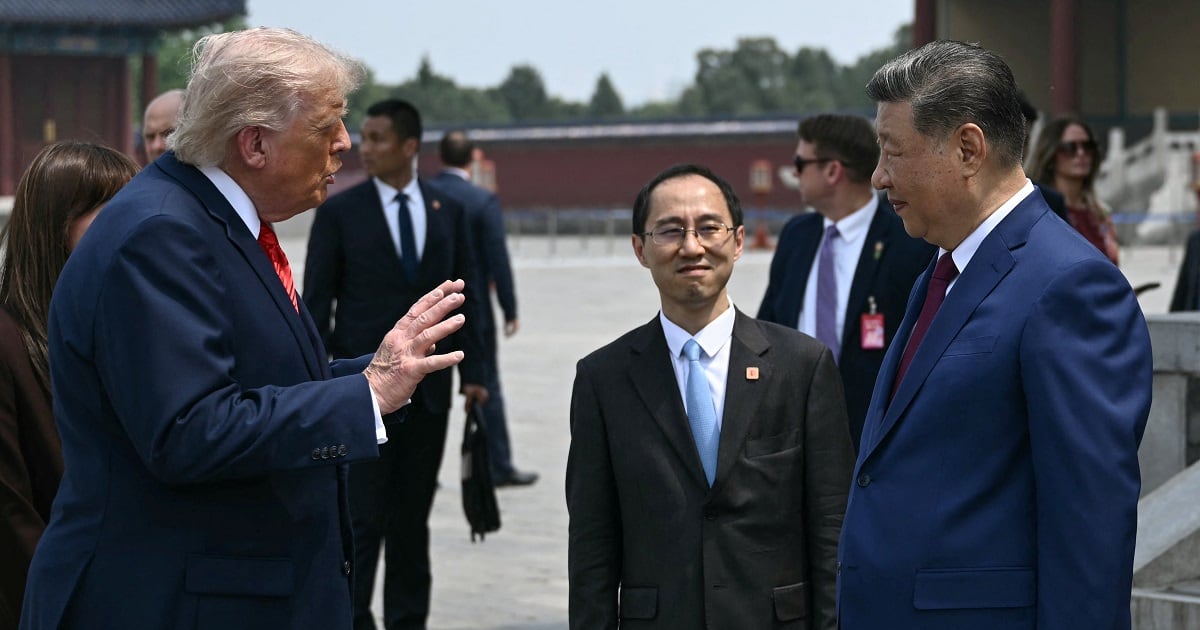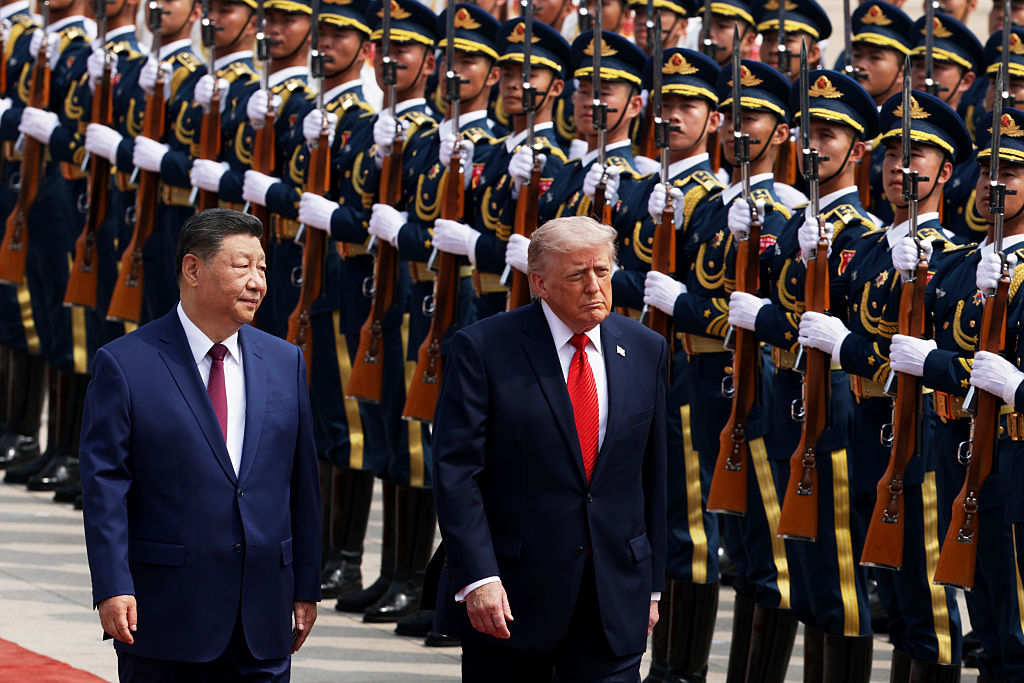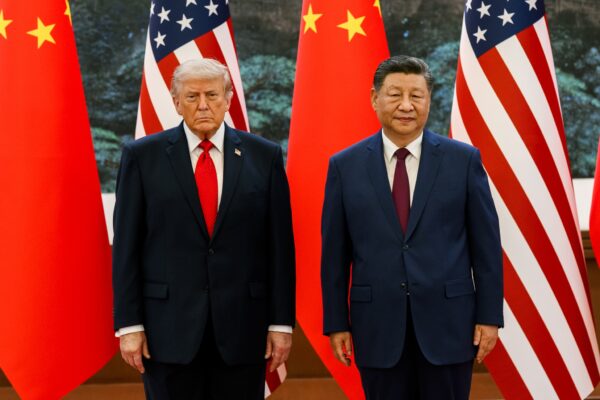
The apparent closeness between U.S. President Donald Trump and Chinese President Xi Jinping at their recent Beijing summit – along with Trump’s deferential posture toward Xi – sent shockwaves through Tokyo. This may one day be remembered in Japan as the “Trump Shock.”
For Japanese policymakers, the summit revived memories of the 1971 “Nixon Shock,” when Washington began the process of normalizing relations with Beijing and Japan learned of the rapprochement only after the fact. More than half a century later, Tokyo is once again anxiously watching the world’s two most powerful leaders redefine their relationship increasingly in G-2 terms – while Japan fears being sidelined once again.
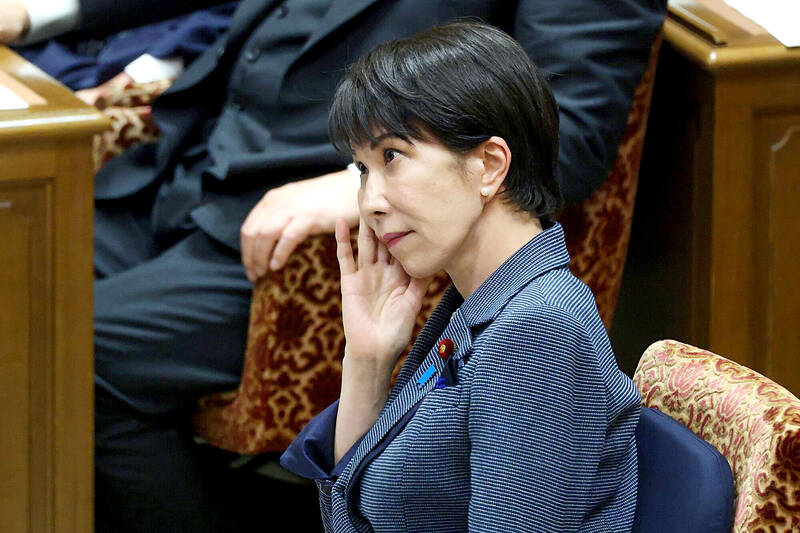
The anxiety is especially acute for Prime Minister Takaichi Sanae.
No modern Japanese leader has adopted a more explicitly pro-Taiwan or hawkish China posture than Takaichi. Echoing the late Abe Shinzo’s famous formulation that “a Taiwan contingency is a Japanese contingency,” she argued in the Diet last November that a Chinese attack on Taiwan could constitute a “survival-threatening situation” under Japan’s security legislation.
From Beijing’s perspective, such remarks crossed a political red line, as Taiwan is regarded by China as “the core of its core interests.”