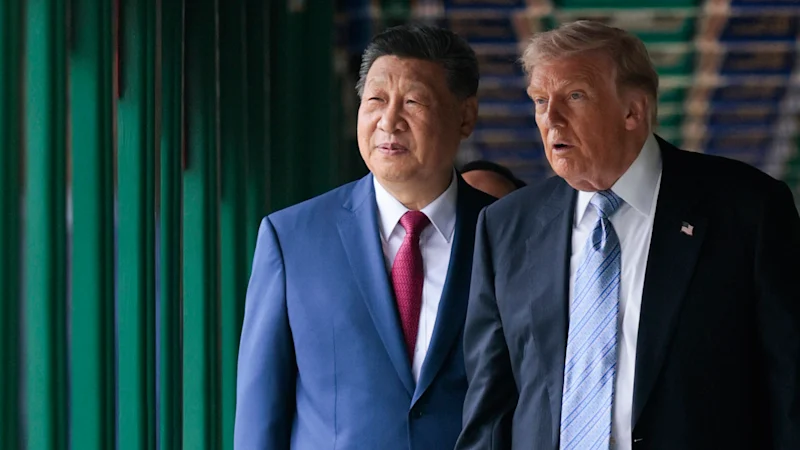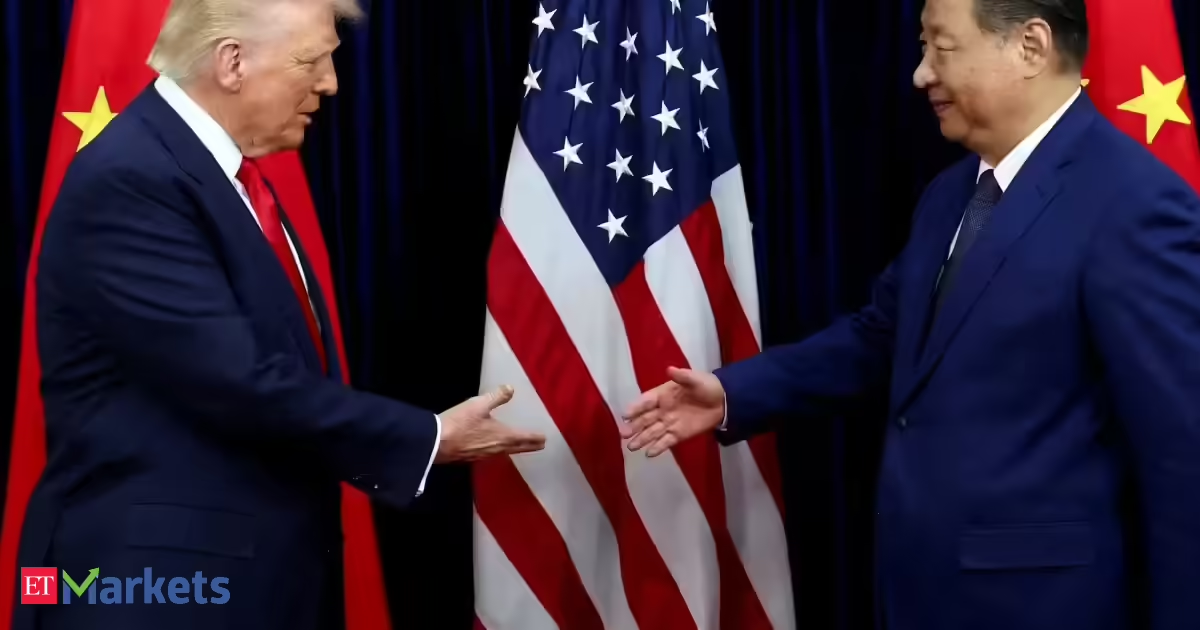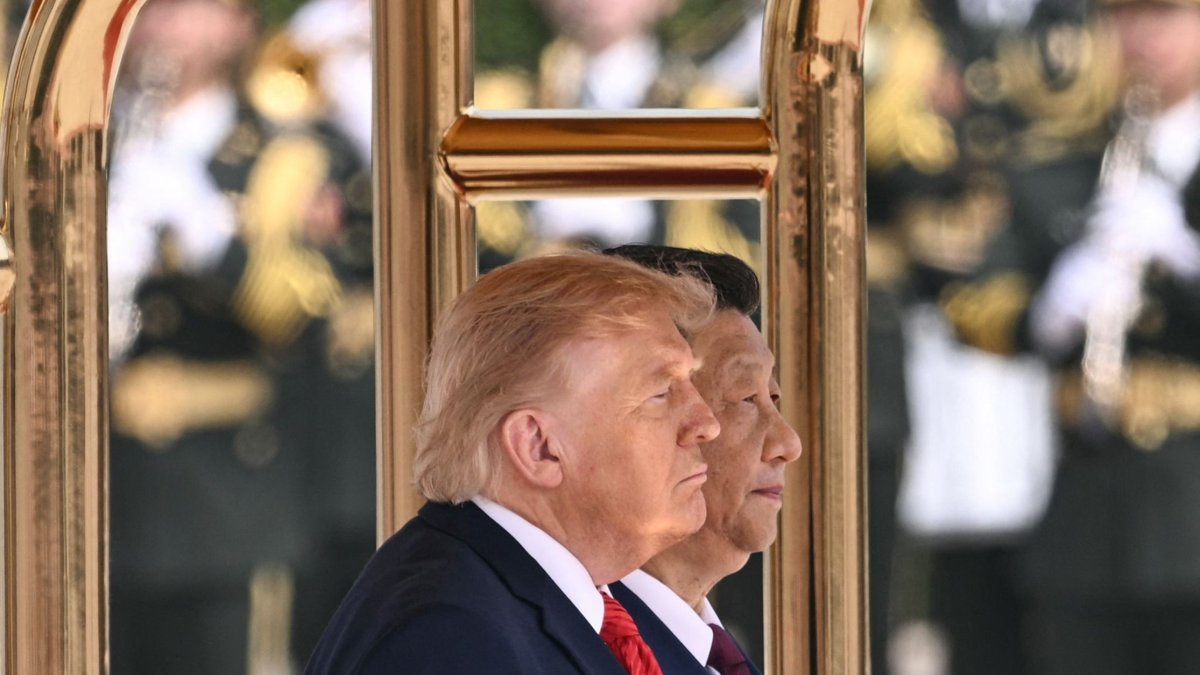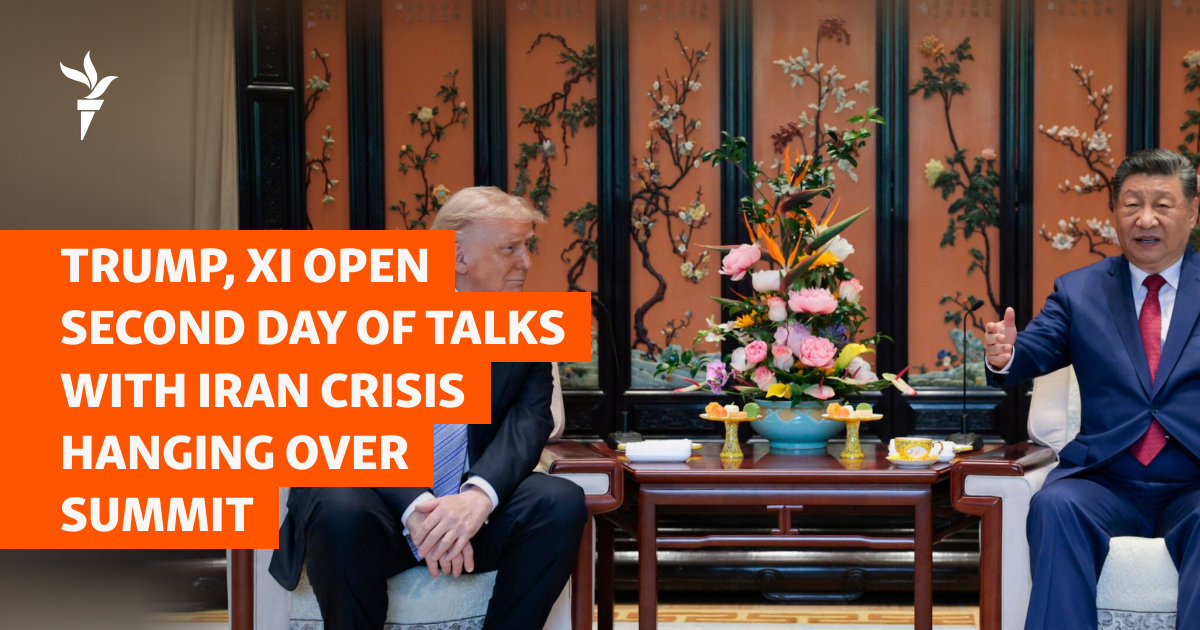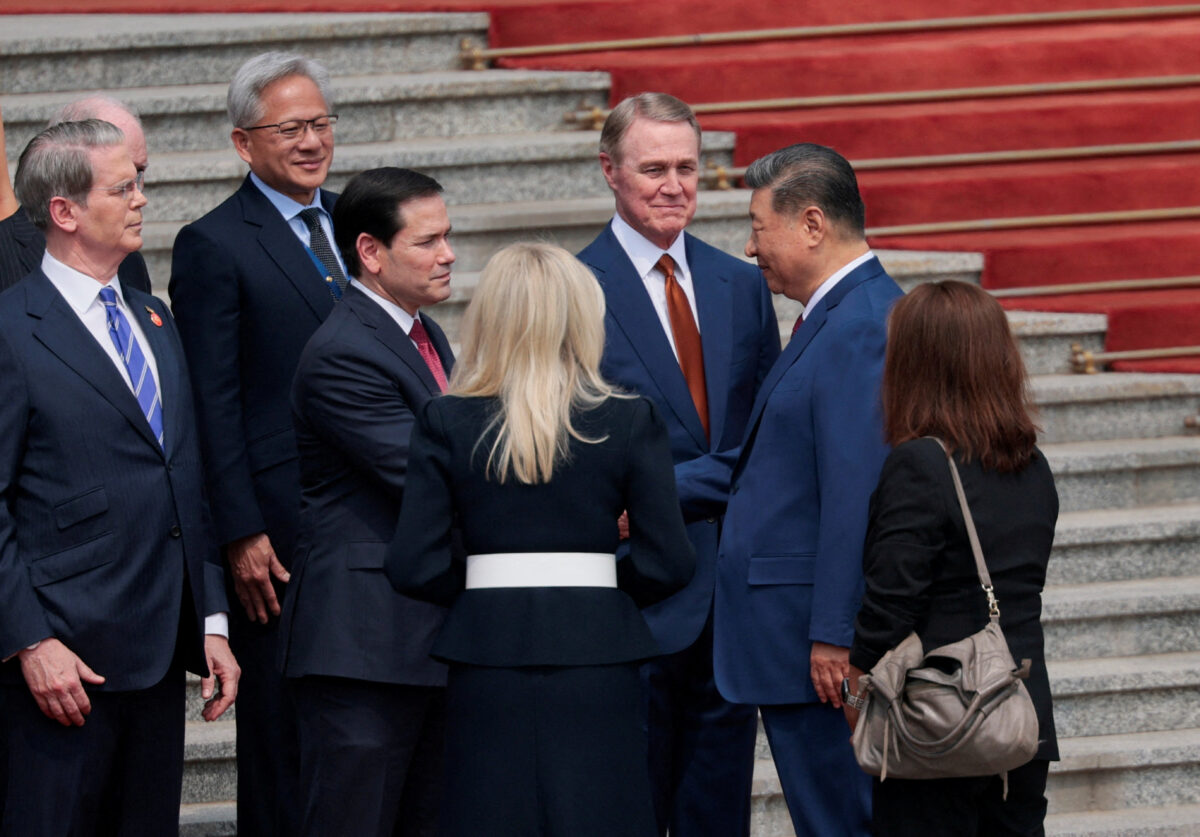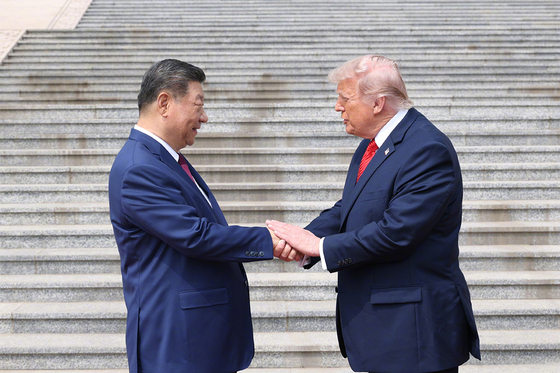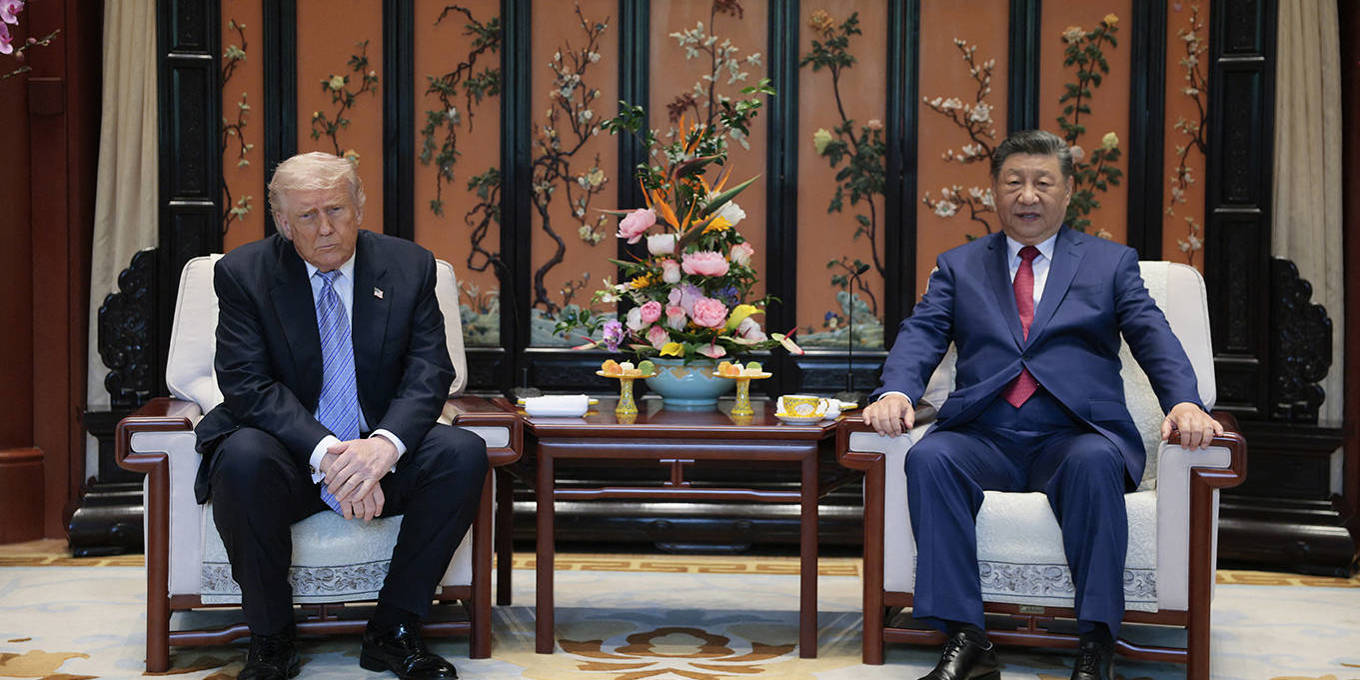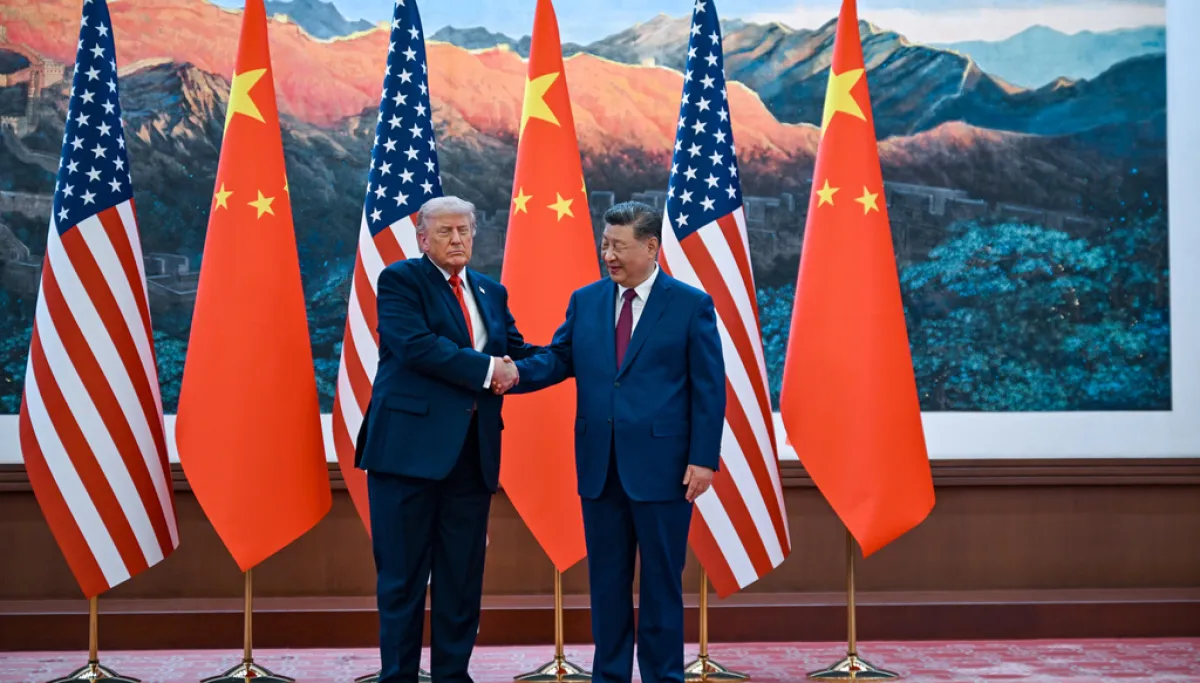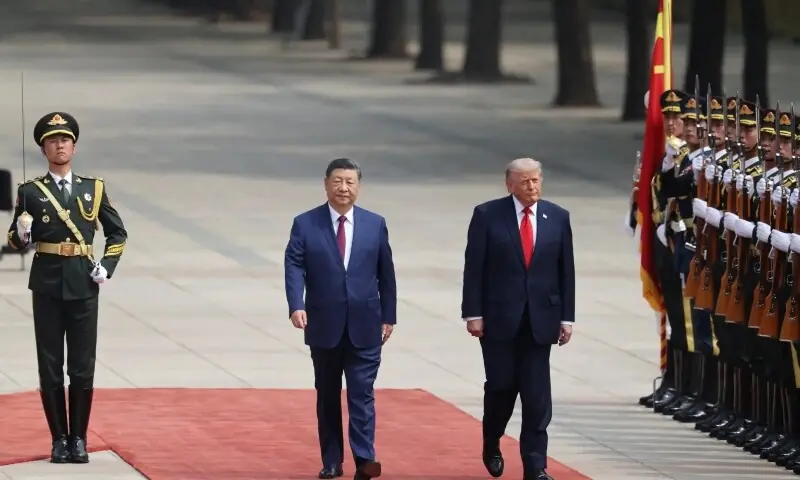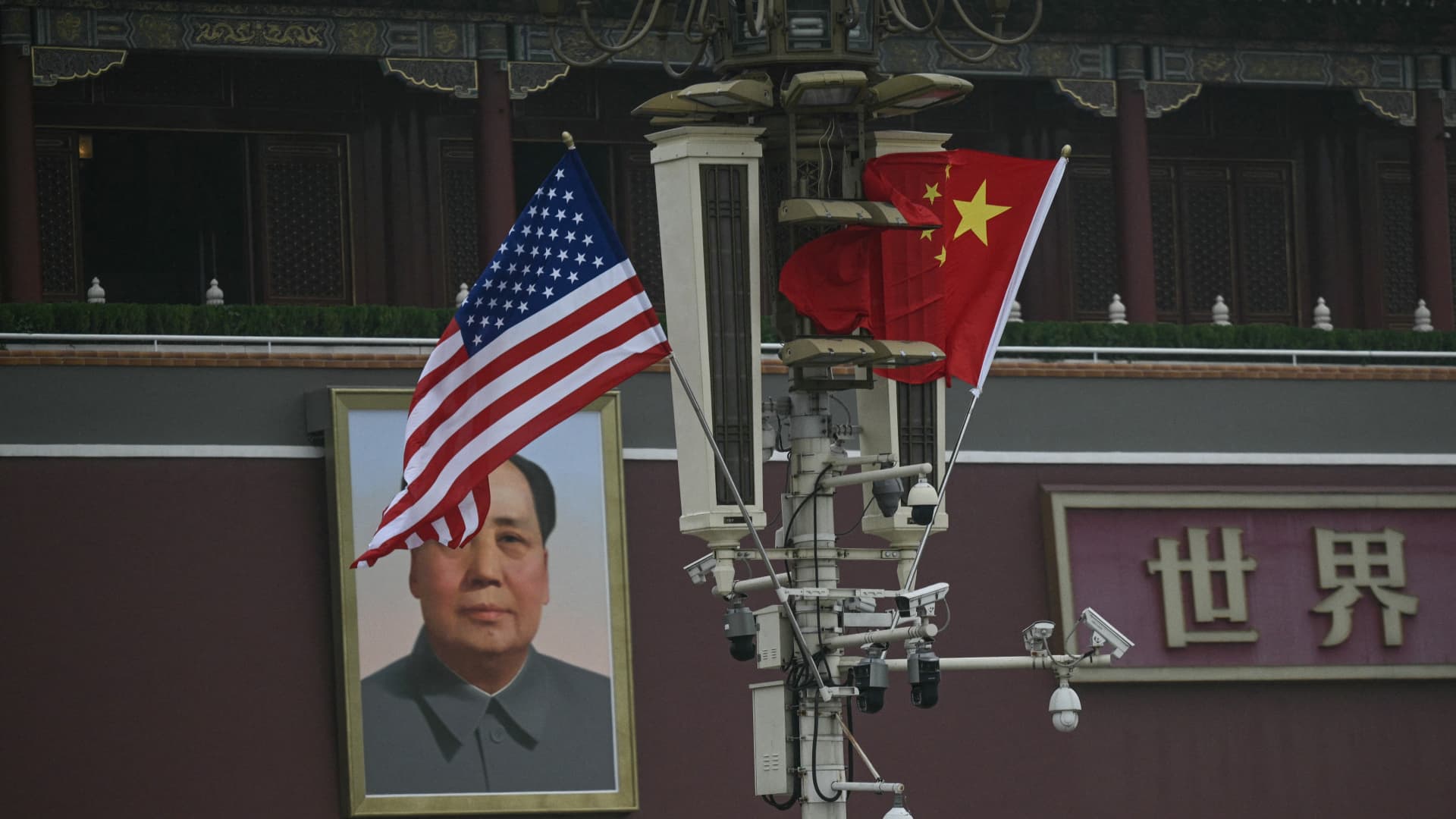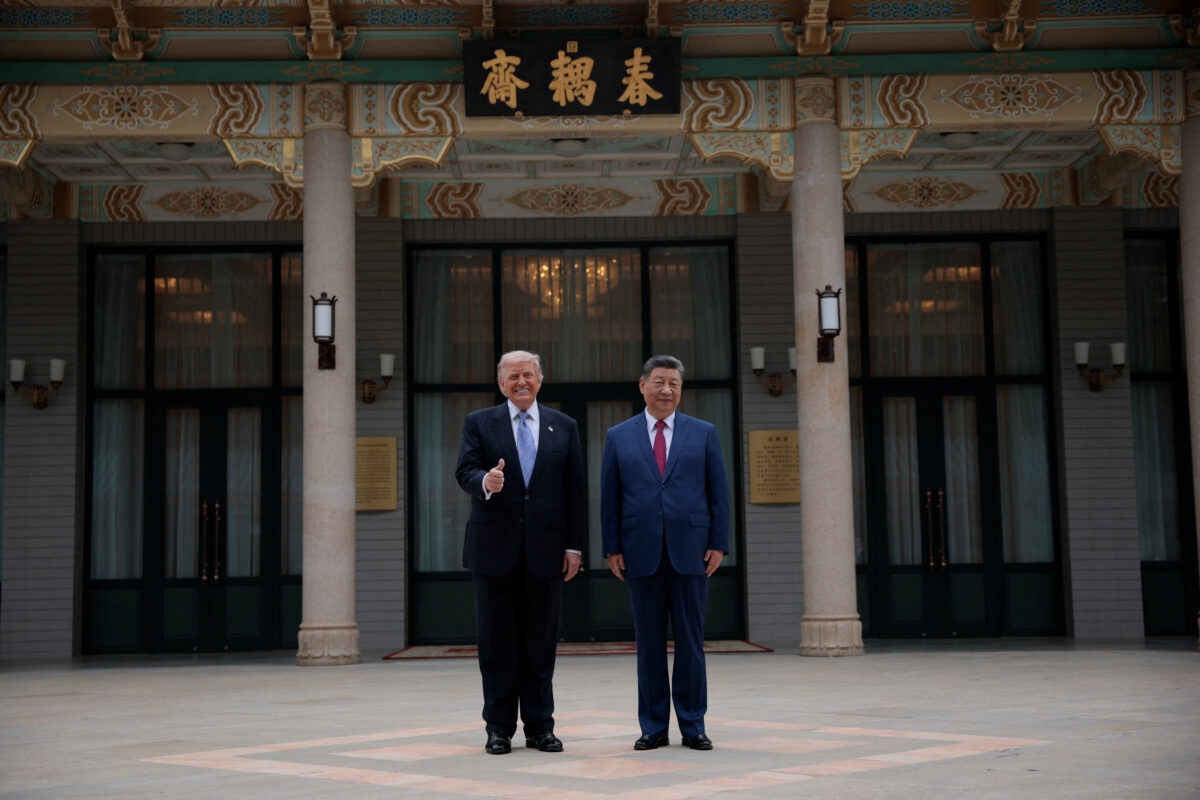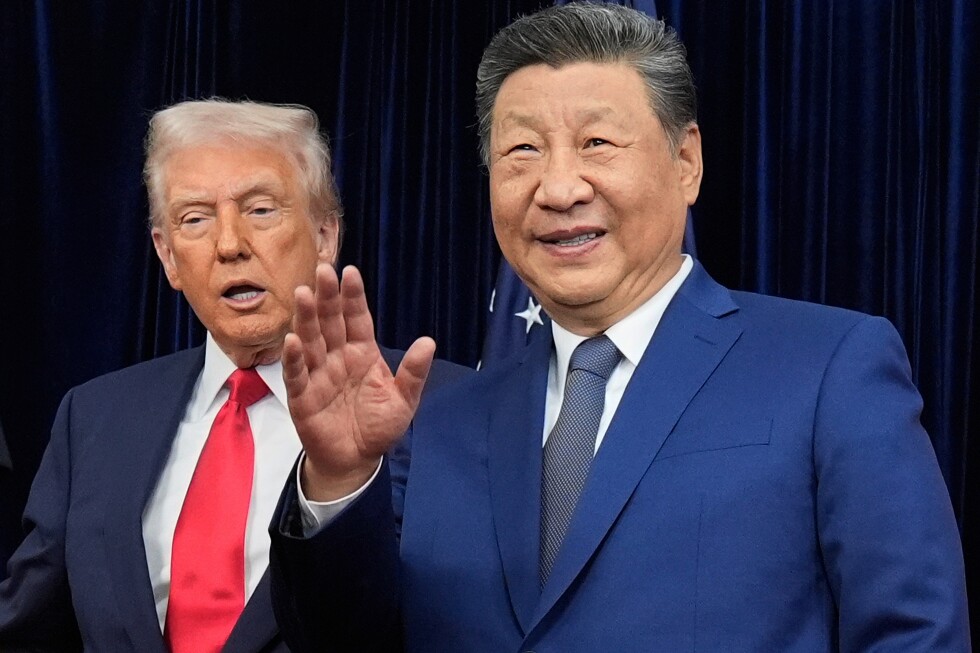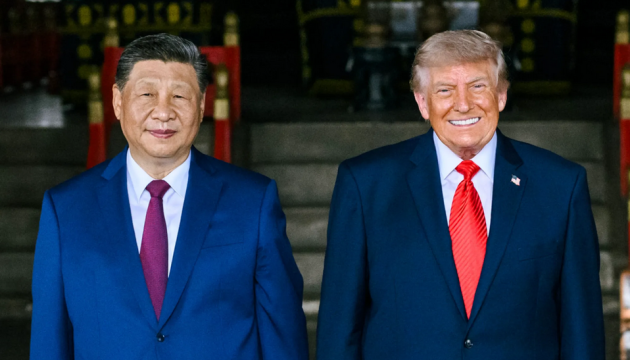
The summit between U.S. President Donald Trump and Chinese President Xi Jinping has drawn intense global attention not simply because it concerns relations between the world’s two largest powers. Amid mounting talk of a new Cold War, expanding trade barriers, and intensifying competition for technological dominance, the deeper question is whether Washington and Beijing are still capable of stabilizing their relationship — or whether the world is entering an even more confrontational era of geopolitical and economic rivalry.
Every visit by the leaders of the United States and China to each other’s country inevitably attracts close global attention. Meetings between the heads of the world’s two largest economies help shape expectations about the future trajectory of relations between the two most powerful states — and, by extension, the direction of international politics and the global economy in the years ahead.
The very fact that Washington and Beijing continue to maintain high-level dialogue reflects a mutual interest in preventing relations from sliding into open confrontation. It signals a willingness to manage disputes through negotiations, compromises, and strategic restraint rather than through uncontrolled escalation. The alternative — a deeper breakdown in relations between the United States and China — would have consequences felt far beyond the borders of either country.