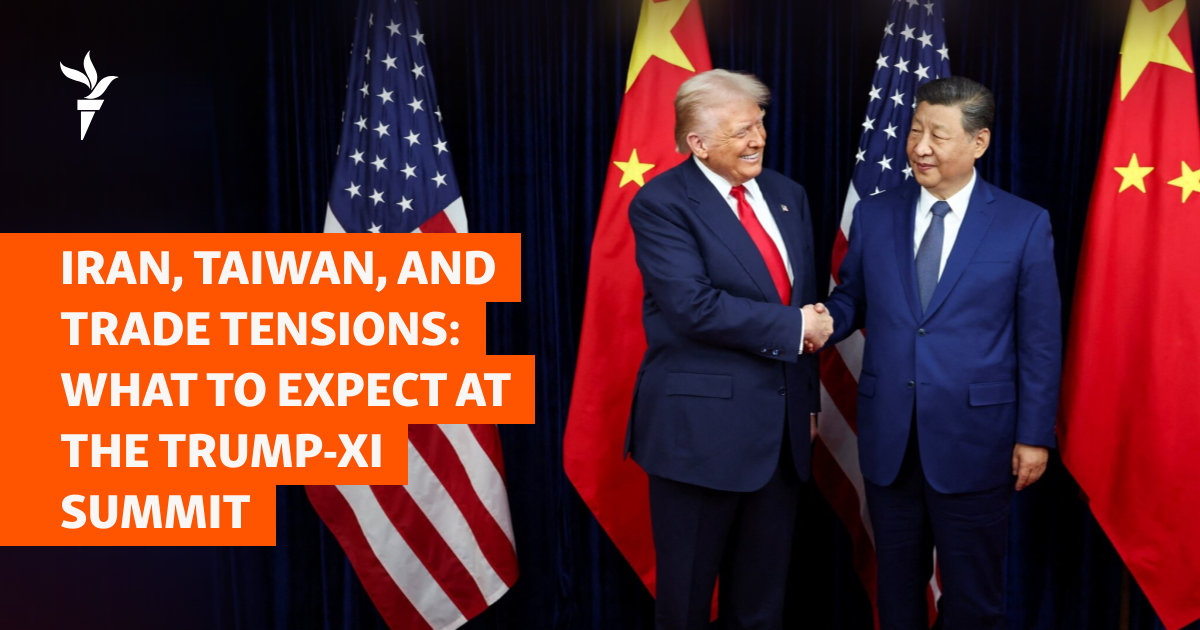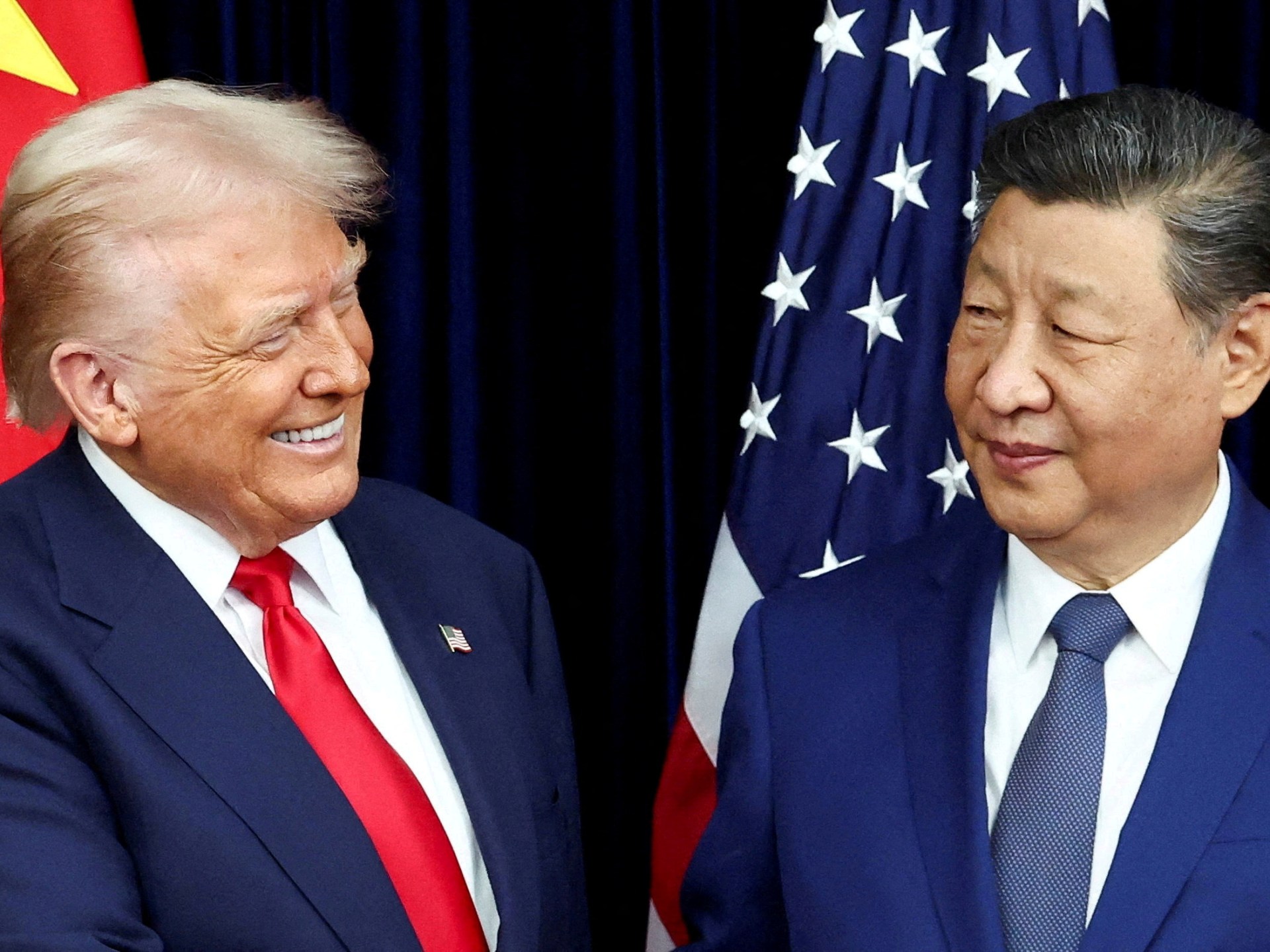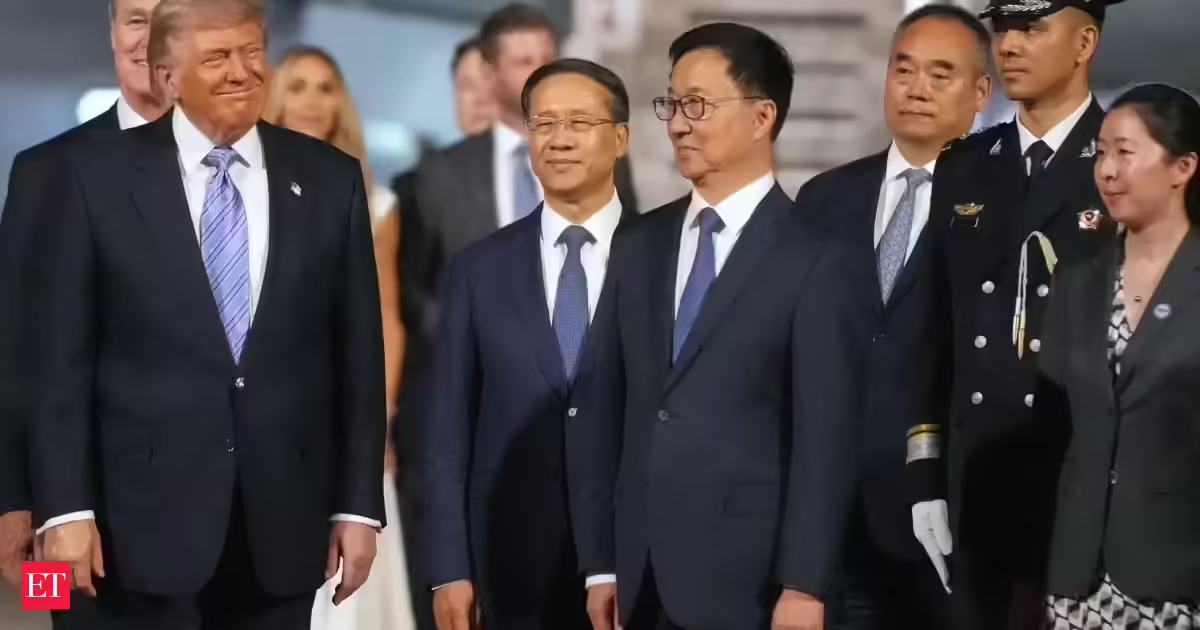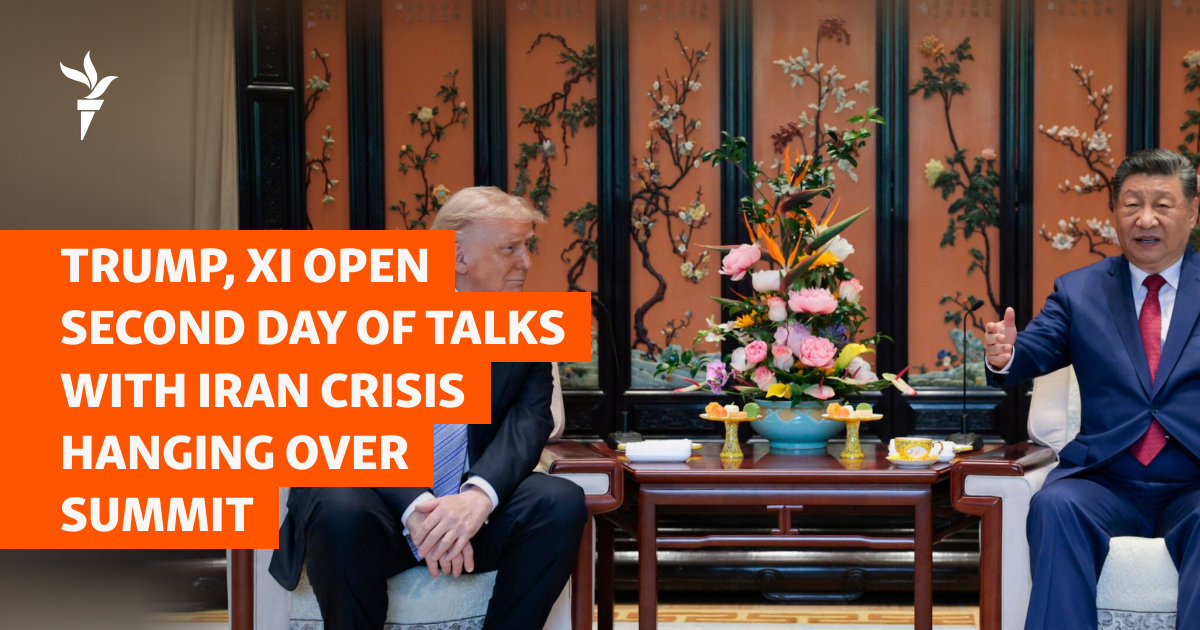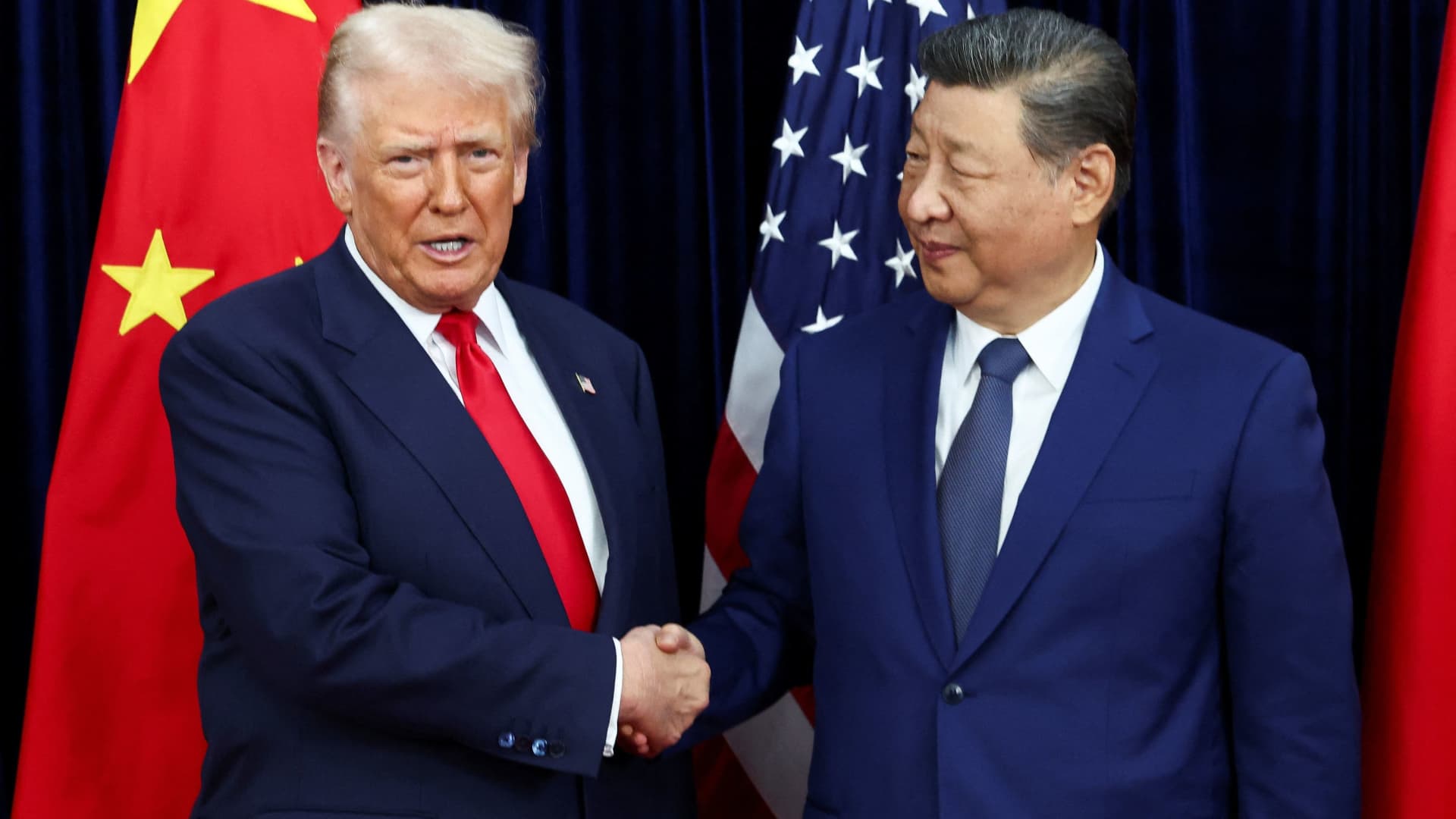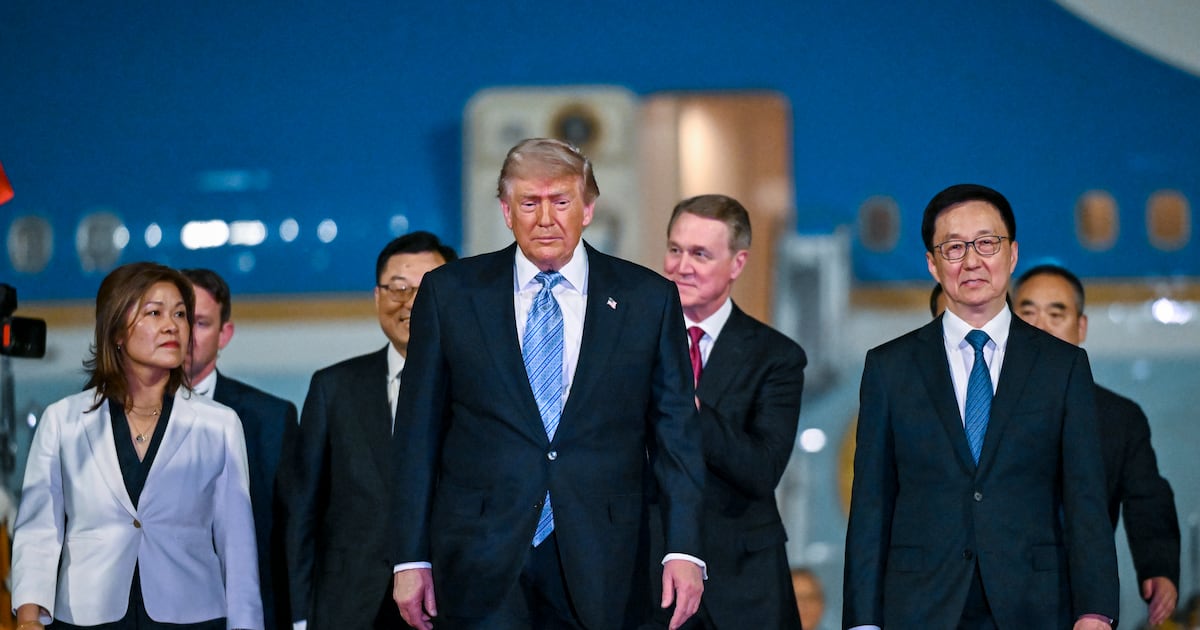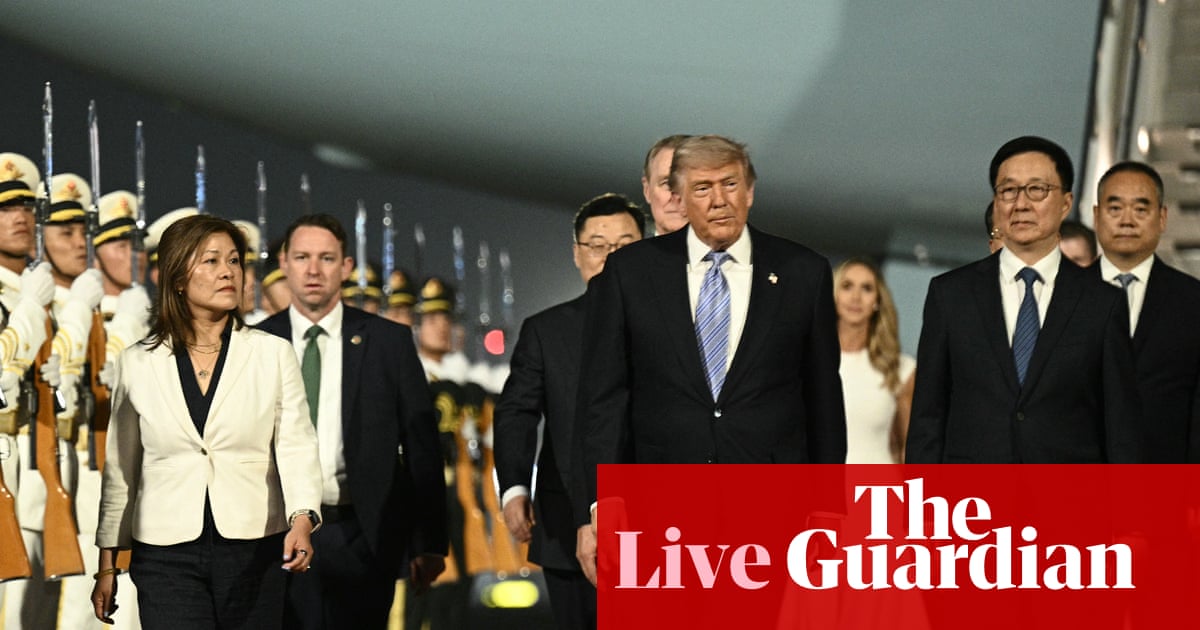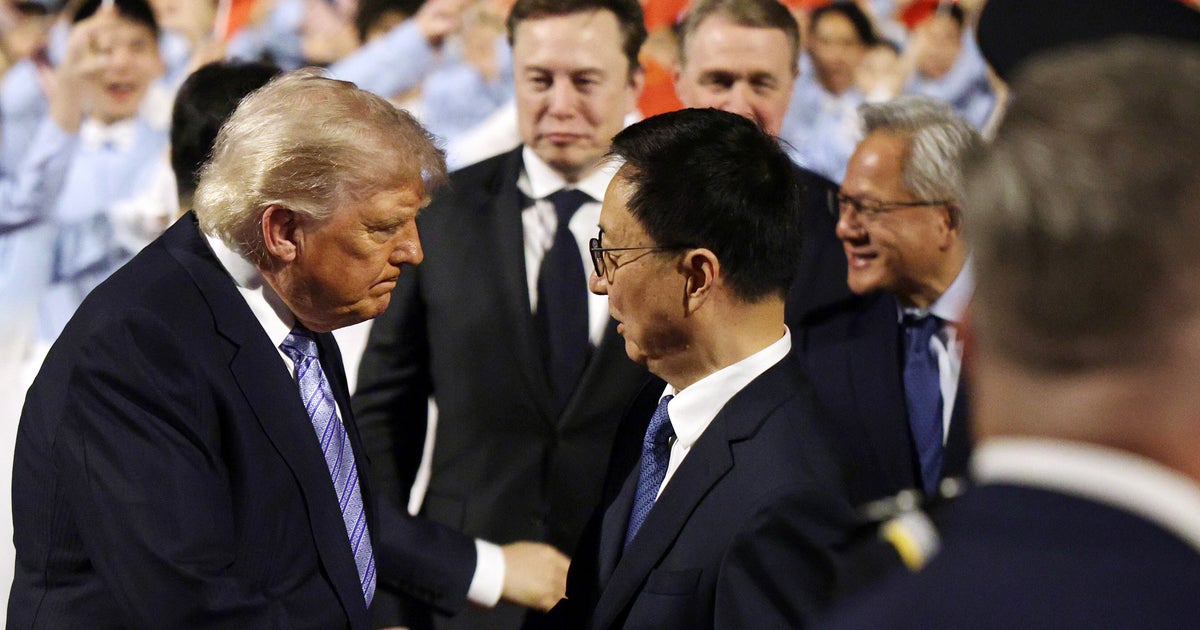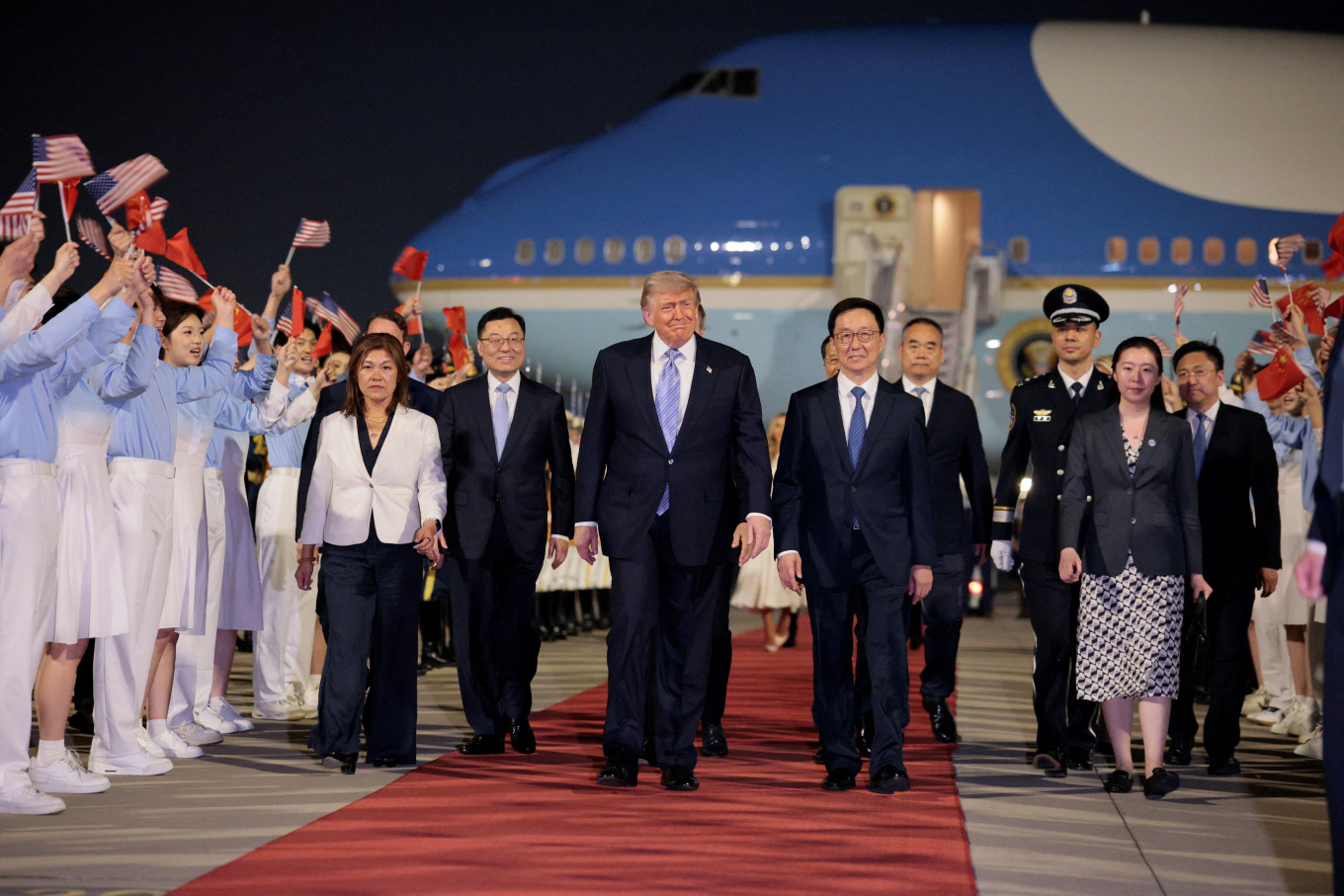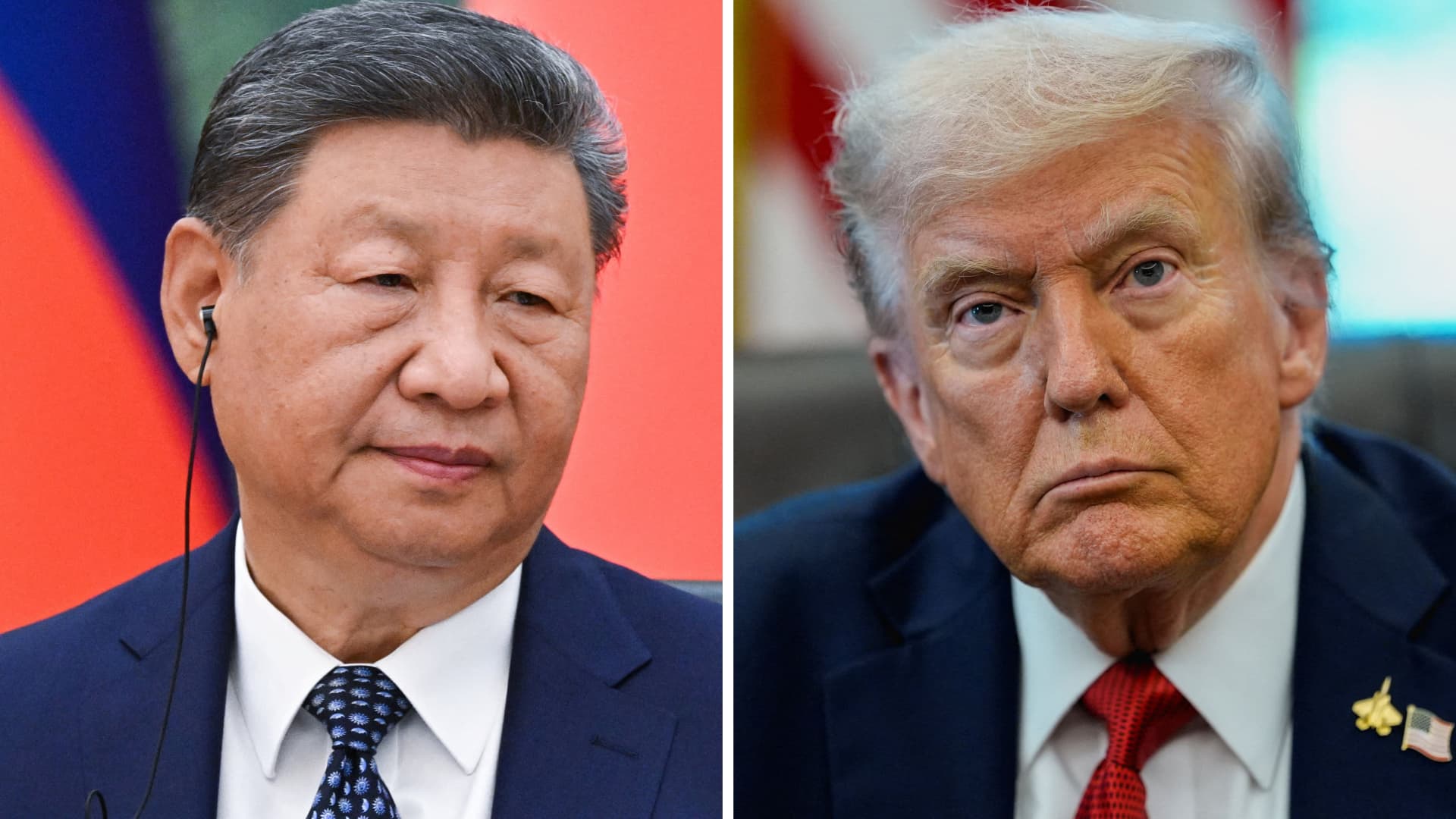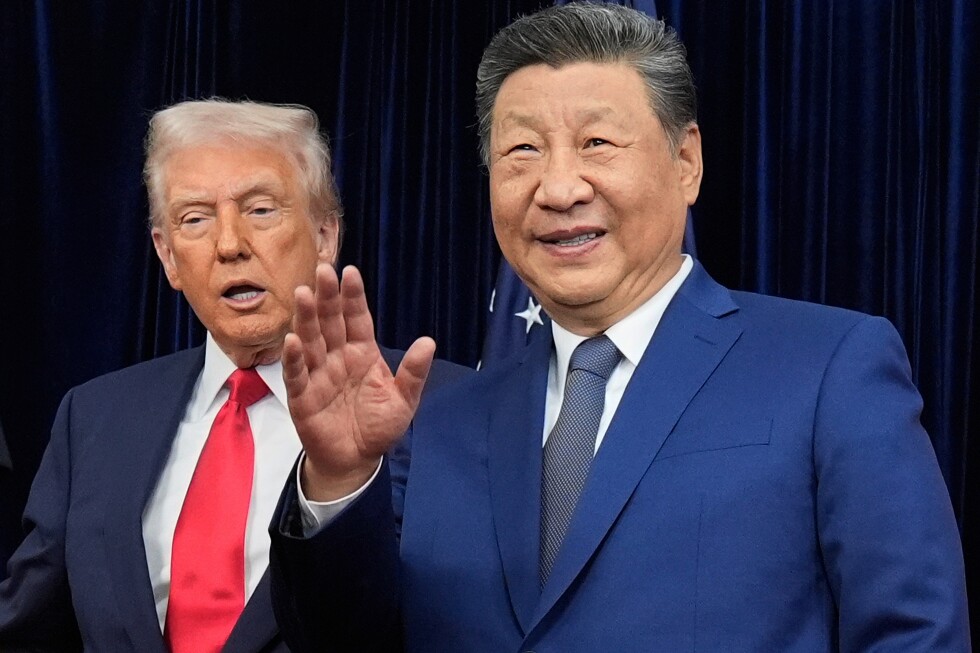
BEIJING (AP) — As Presidents Xi Jinping and Donald Trump prepare for a highly anticipated summit, both China and the United States say their ties have been broadly stable in recent months — and they are planning on keeping it that way.But many issues are at stake in one of the world’s most consequential relationships, with no easy end in sight. Few expect major breakthroughs to the long-running frictions between China and the U.S., which range from competition in technology to the thorny question of Taiwan, whose main unofficial ally is the U.S. Ending the war with Iran is likely to be added to the agenda, with Beijing being one of the unofficial mediators in the conflict.“On both sides there is a consensus that U.S.-China stability is important,” said Henrietta Levin, senior fellow for the Freeman Chair in China Studies at the Center for Strategic and International Studies in Washington. “Once you get past the question of stability, the ‘what’s next’ in the relationship gets a little more complicated, and so for that reason, the most likely thing to come out of the meeting is very little.”Here’s what to know about the summit:
There may be a trade deal, but not a resolutionThe China-U.S. trade war started with Trump’s first term, but turned up a notch in April last year, on Trump’s so-called “Liberation Day,” when he announced 34% tariffs on all Chinese goods. China retaliated with counter tariffs and other measures, such as restrictions on rare earth exports. Tariffs reached as high as 145% in the escalating back and forth.The two sides, realizing the sky-high tariffs weren’t sustainable, then called for a trade truce, halting many of the punitive economic measures. The two leaders met in South Korea in October and extended the truce for another year. China promised to purchase soybeans from American farmers, while the U.S. dropped tariffs by more than half.