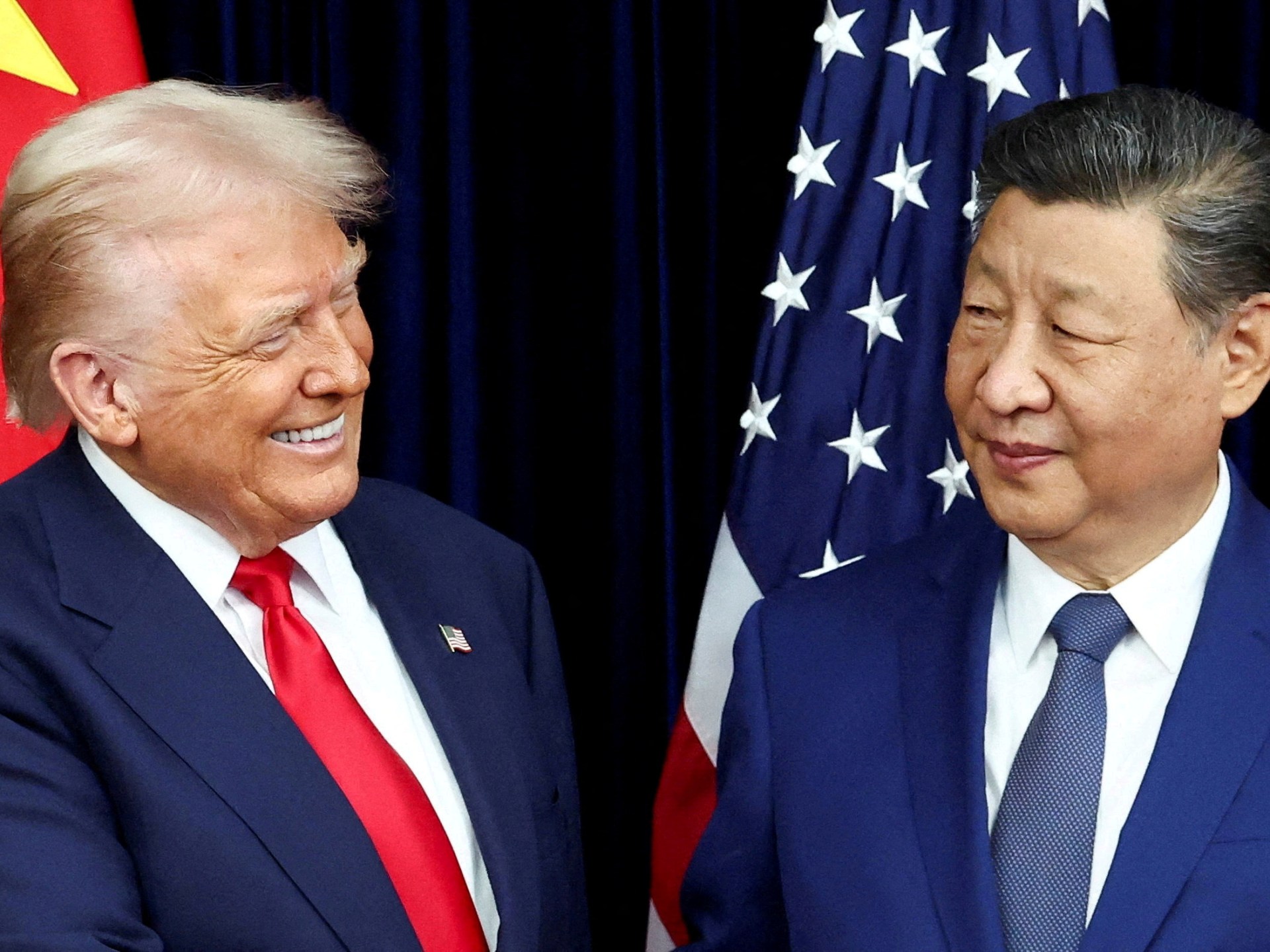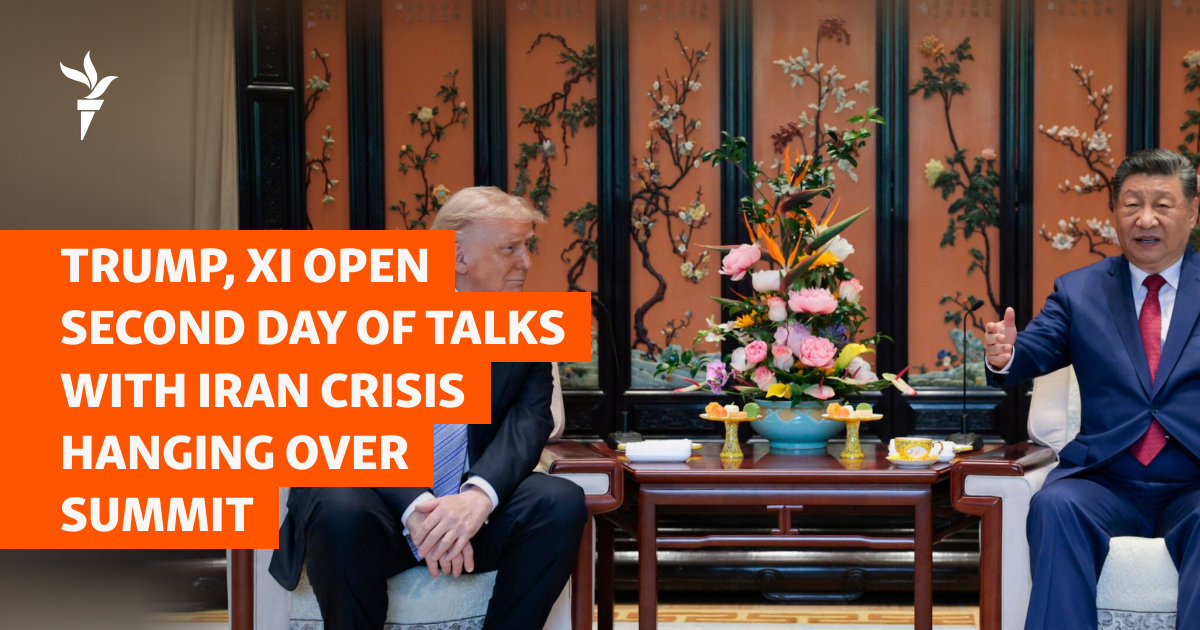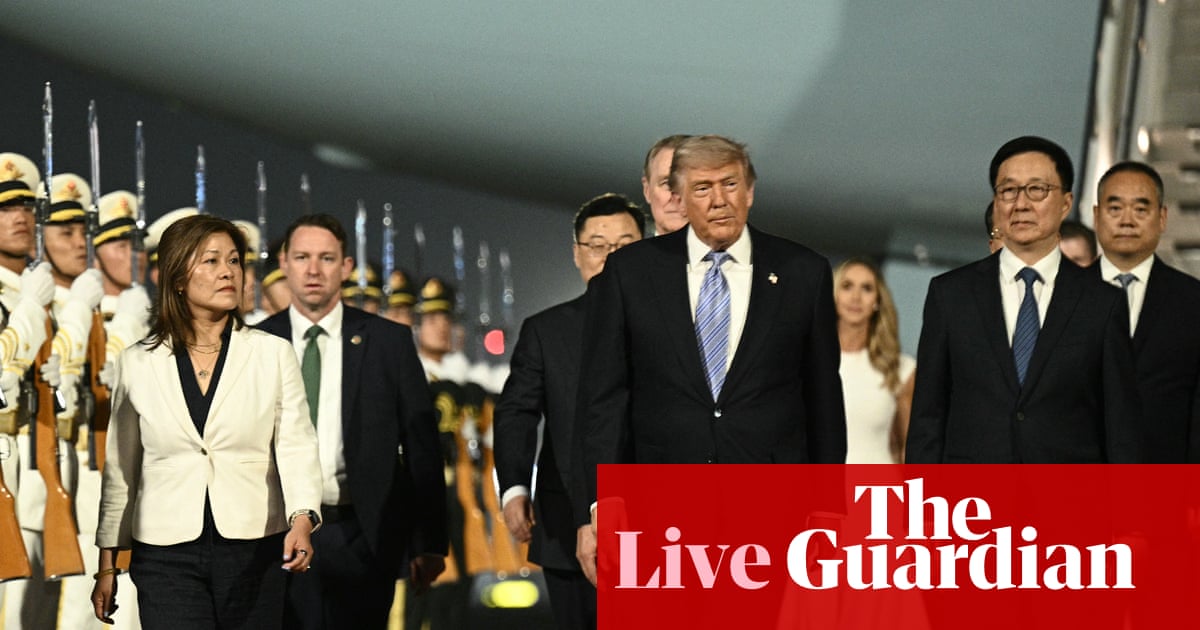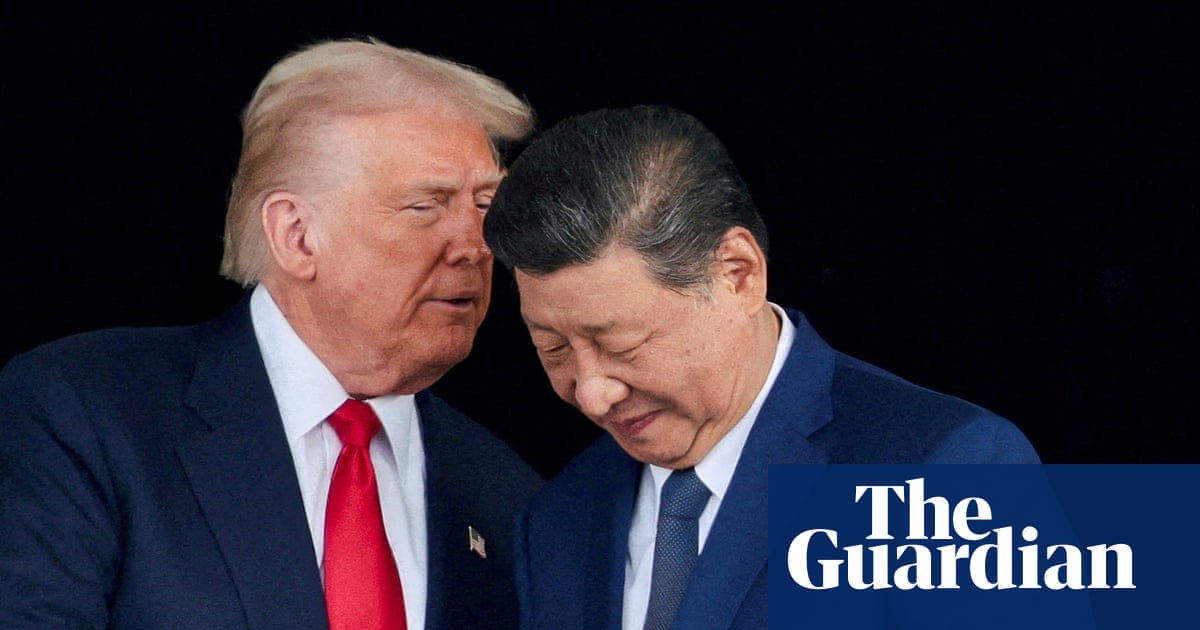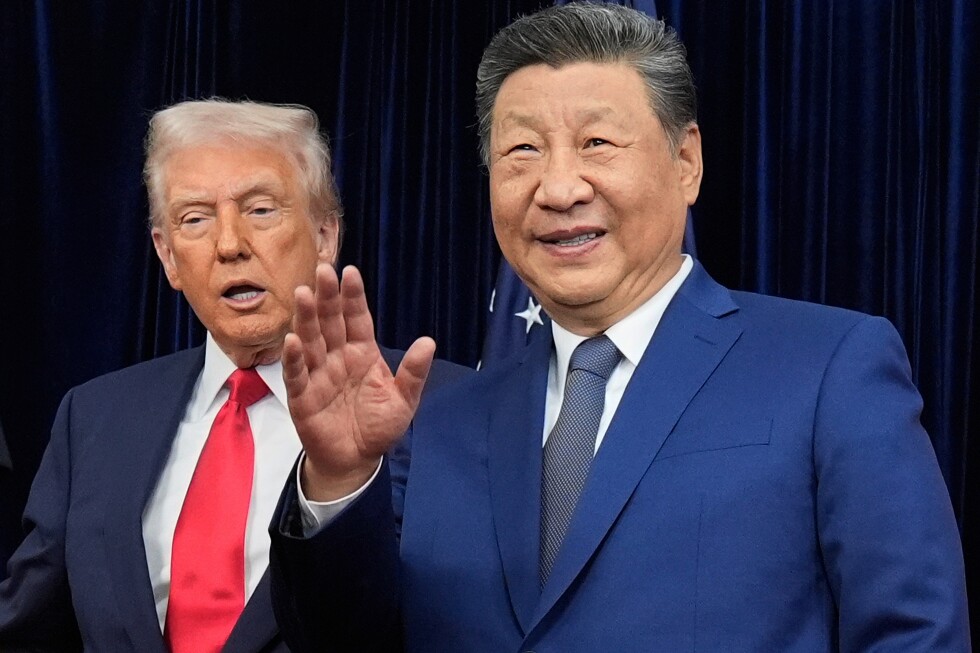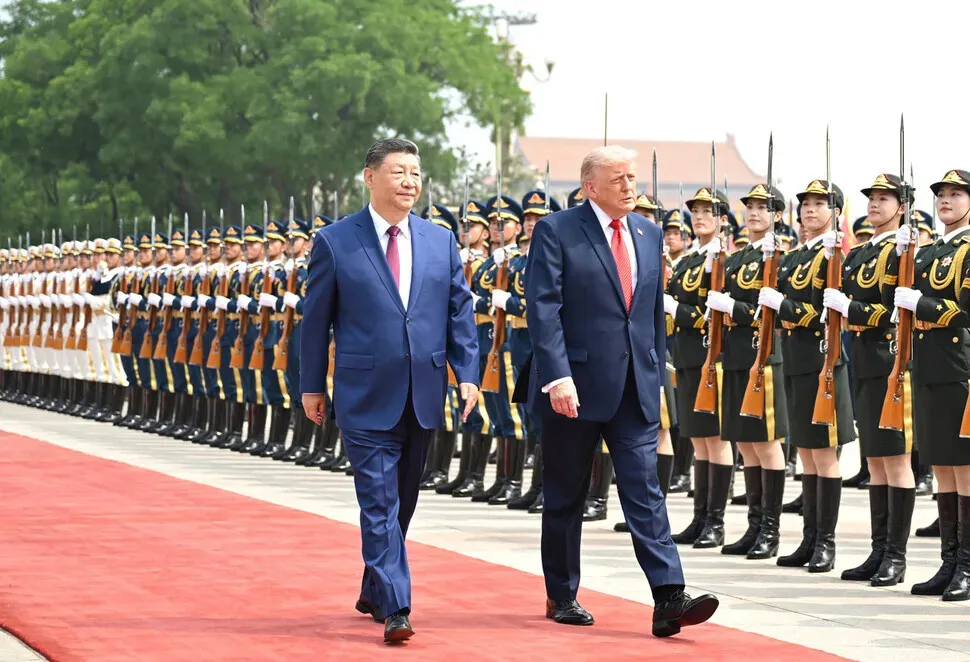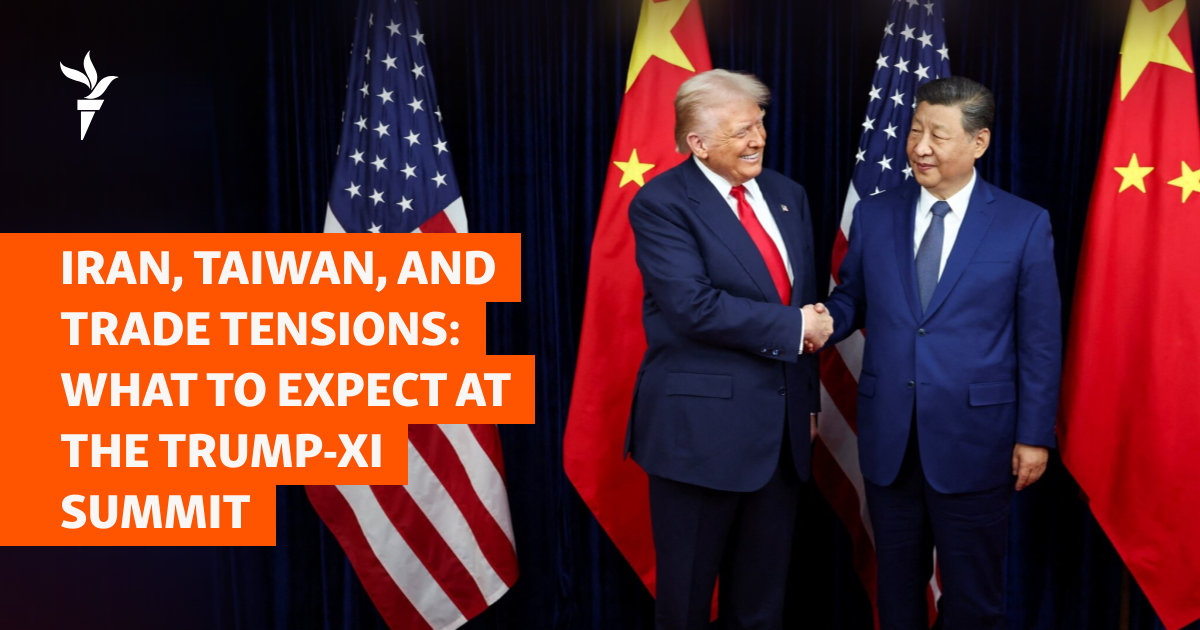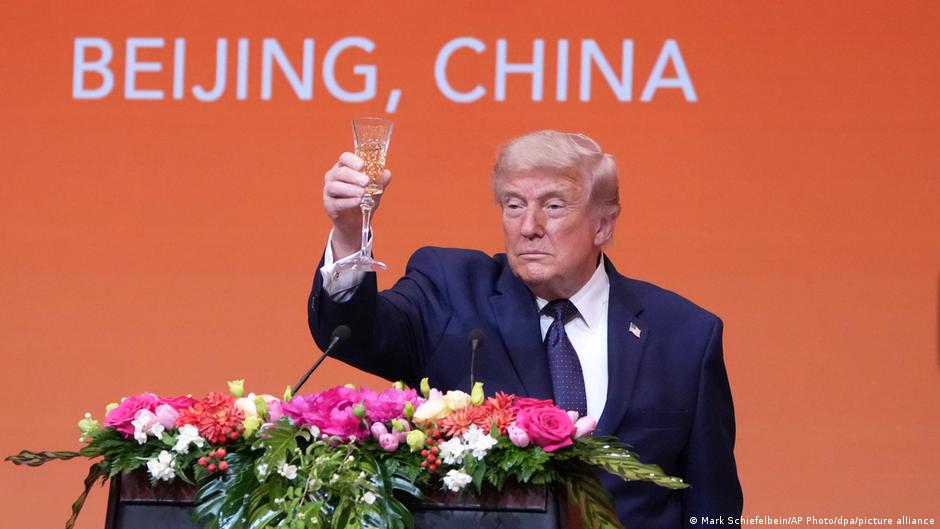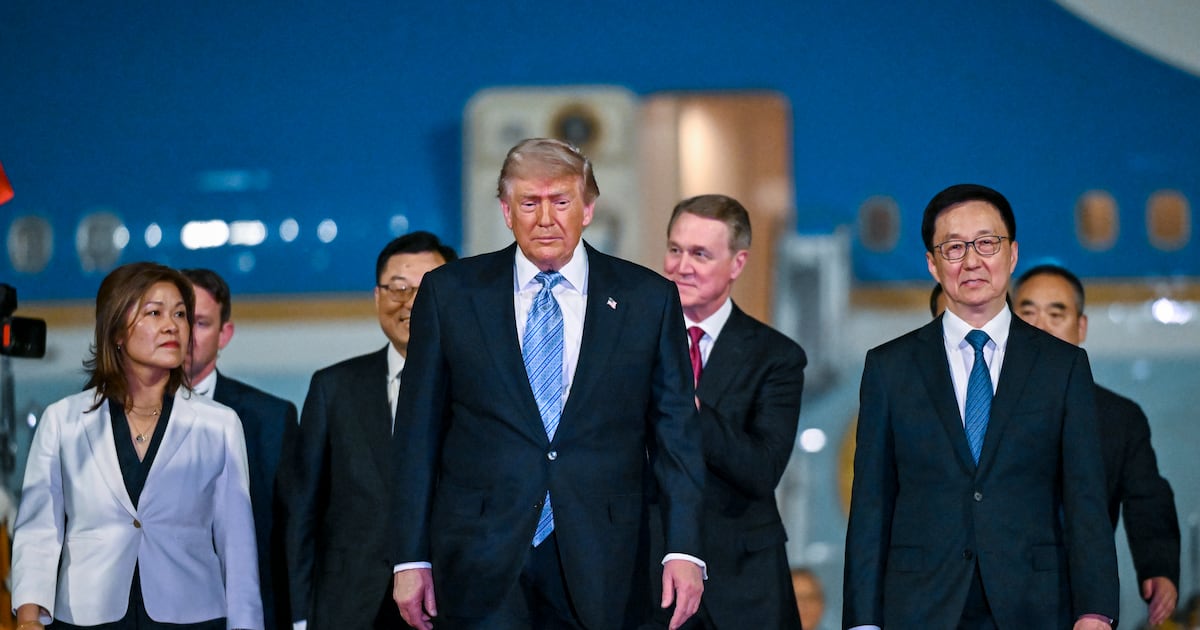
When Xi Jinping invited Donald Trump to visit China last year, it was part of an effort by both sides to stabilise their relationship after a short, sharp trade war triggered by the “Liberation Day” tariffs. Trade will still top the agenda when the two men meet at Beijing’s Great Hall of the People today but there is now another burning issue on the table in the shape of the war in Iran.
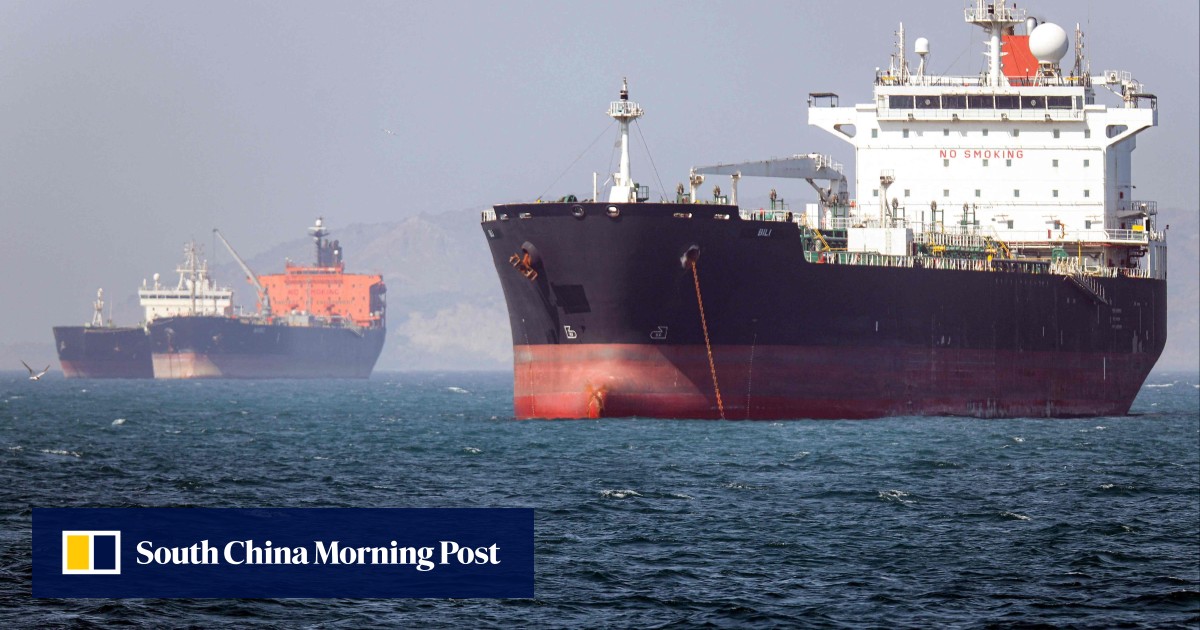
China was unequivocal in condemning Trump’s war against Iran as an illegal act of aggression and Beijing has offered humanitarian aid as well as diplomatic support to Tehran. But China also has important economic ties with the Gulf monarchies, notably Saudi Arabia and the United Arab Emirates, and it has suffered from the impact of the closure of the Strait of Hormuz.
The White House signalled in advance of Trump’s trip that he would press Xi to curb Chinese help for Iran, particularly the supply of dual use technology that could help Tehran’s military defence. But when the US this month sanctioned Chinese companies over dealings with Iran, including one that provides satellite imagery, Beijing warned that anyone complying with the American measures would be prosecuted.
When Trump and Xi met in the South Korean city of Busan last November, they agreed a year-long truce in the trade war triggered by Washington’s imposition of triple-figure tariffs on Chinese imports. China responded to the tariffs by choking off the supply to the US of rare earth minerals used in modern manufacturing and Trump backed down. Both sides hope to extend the truce and build on it by establishing a Board of Trade and a Board of Investment to manage their bilateral economic relationship. China may agree to buy more American soya beans and to increase its orders of Boeing aircraft.