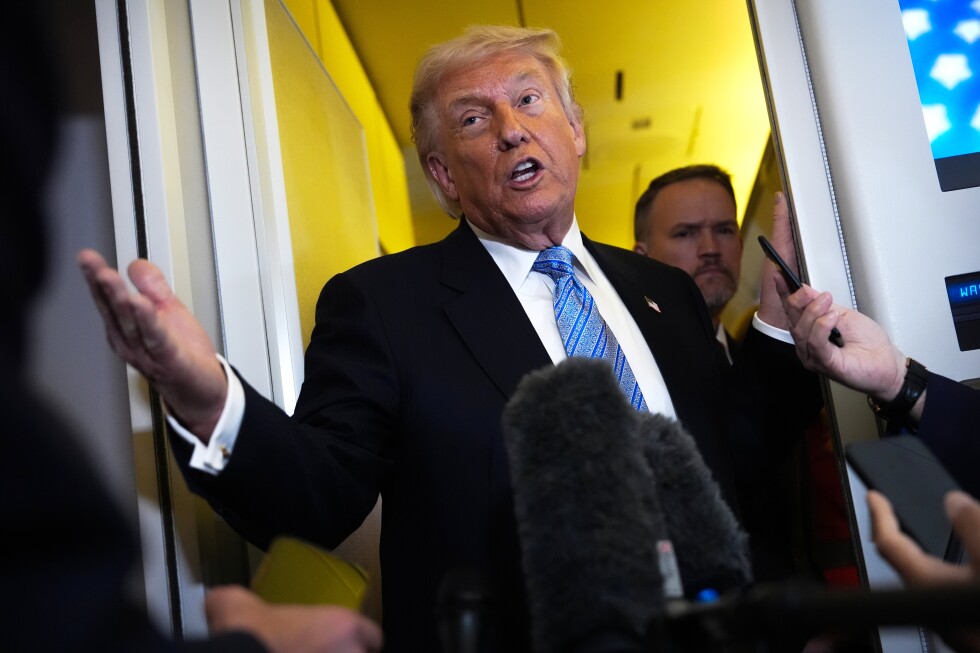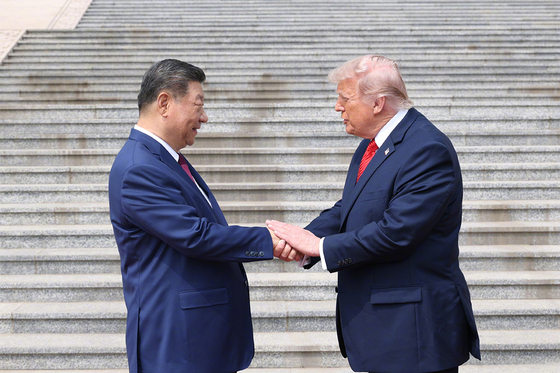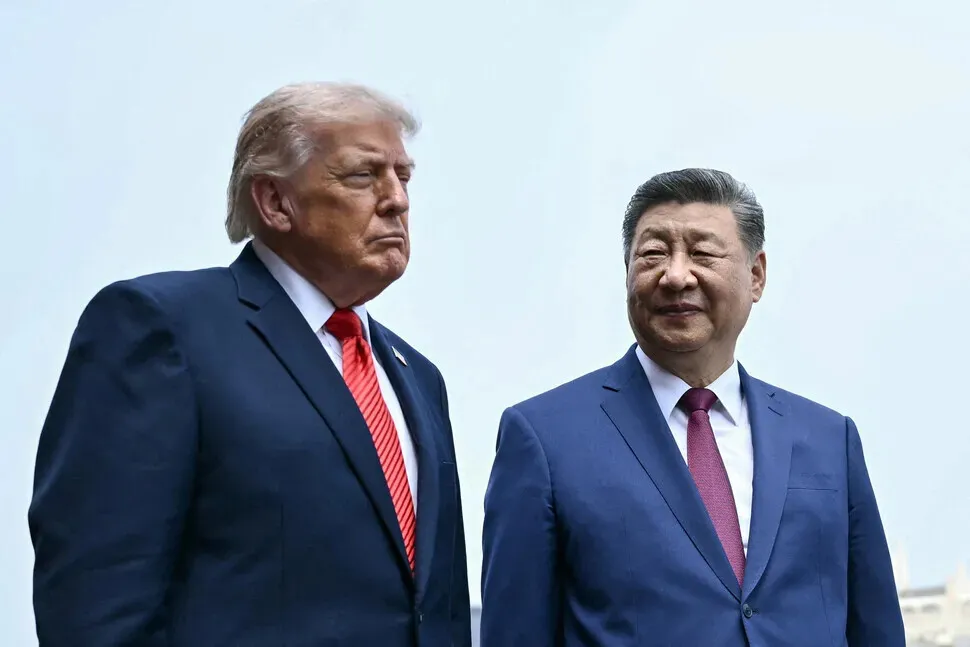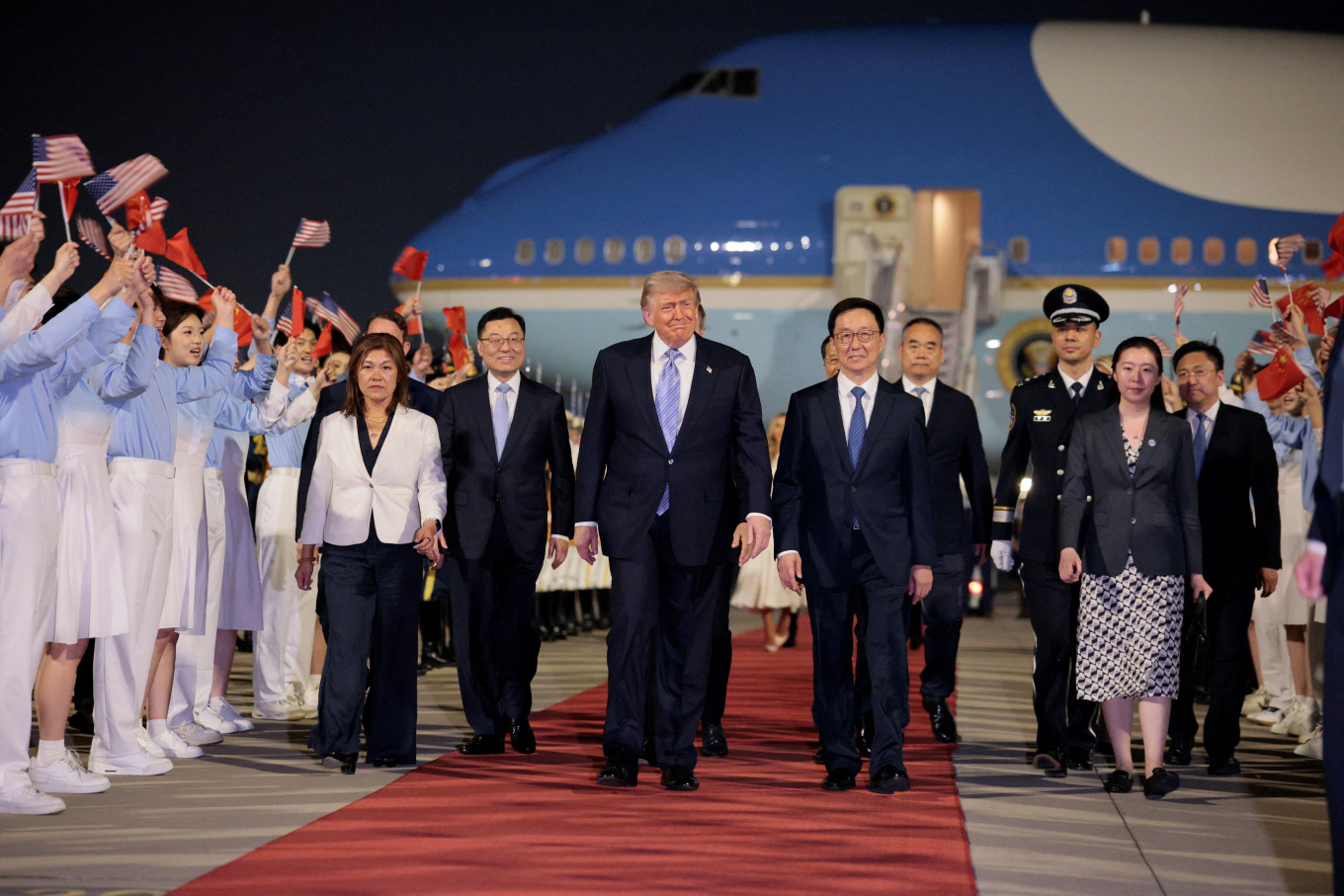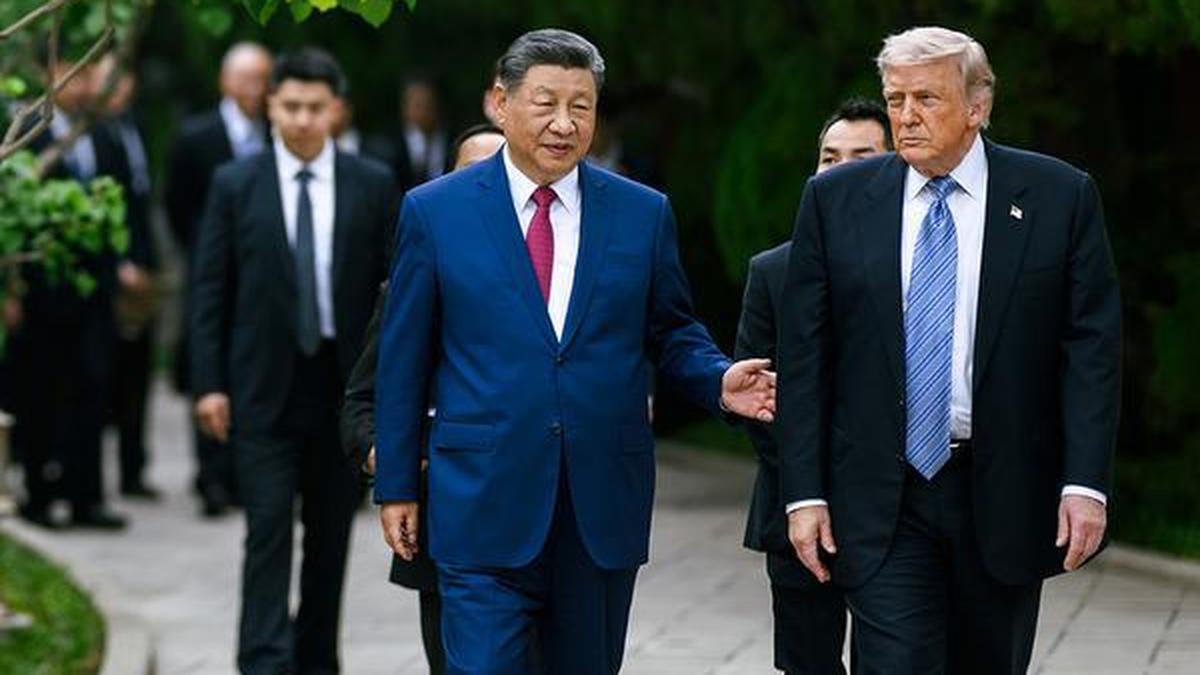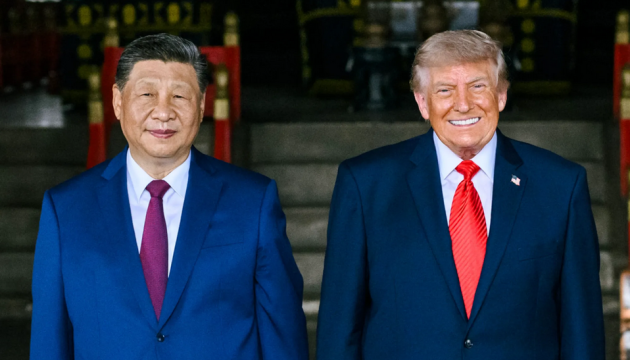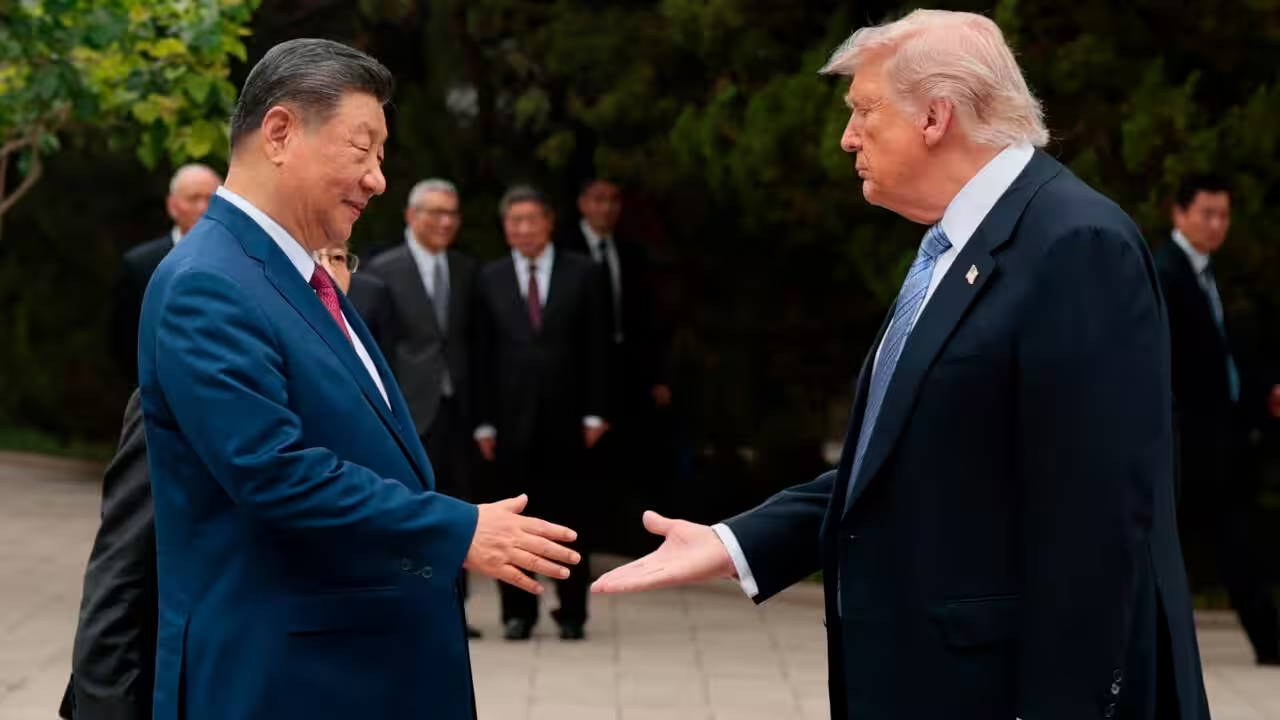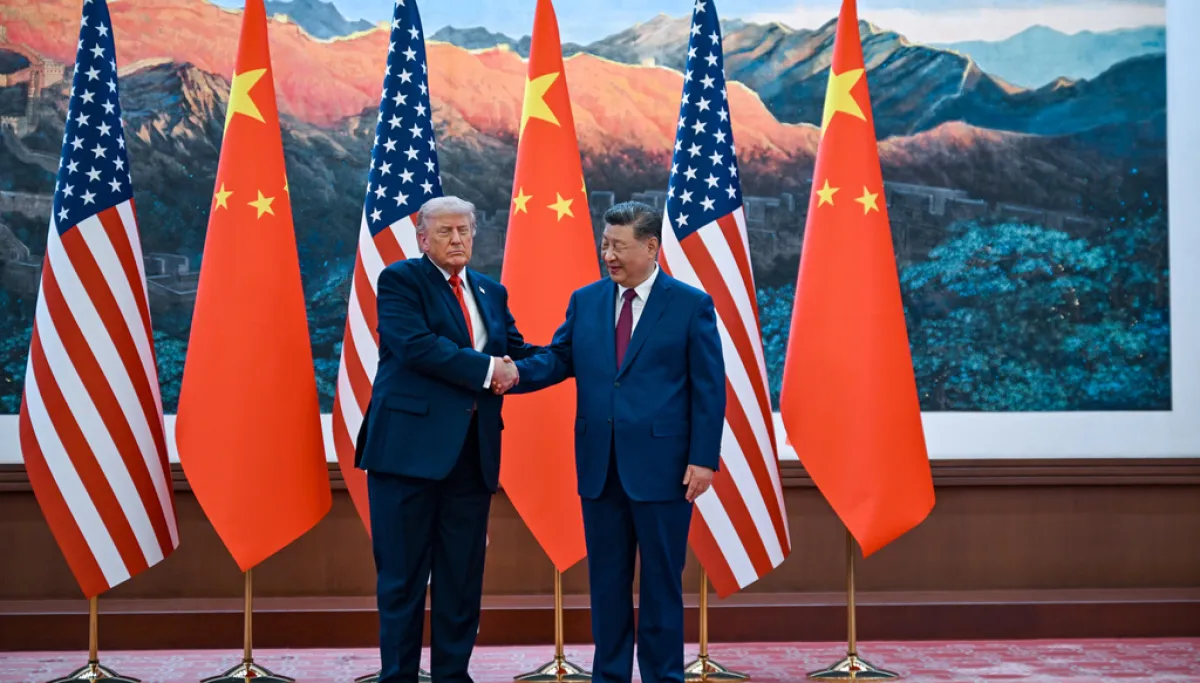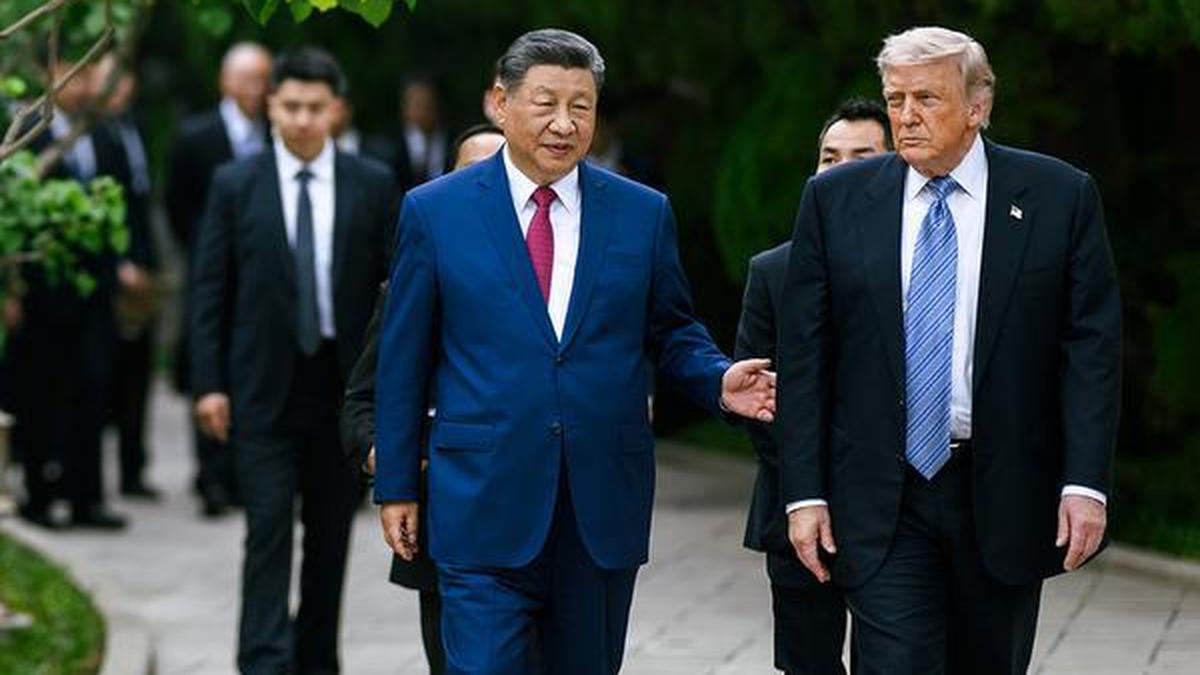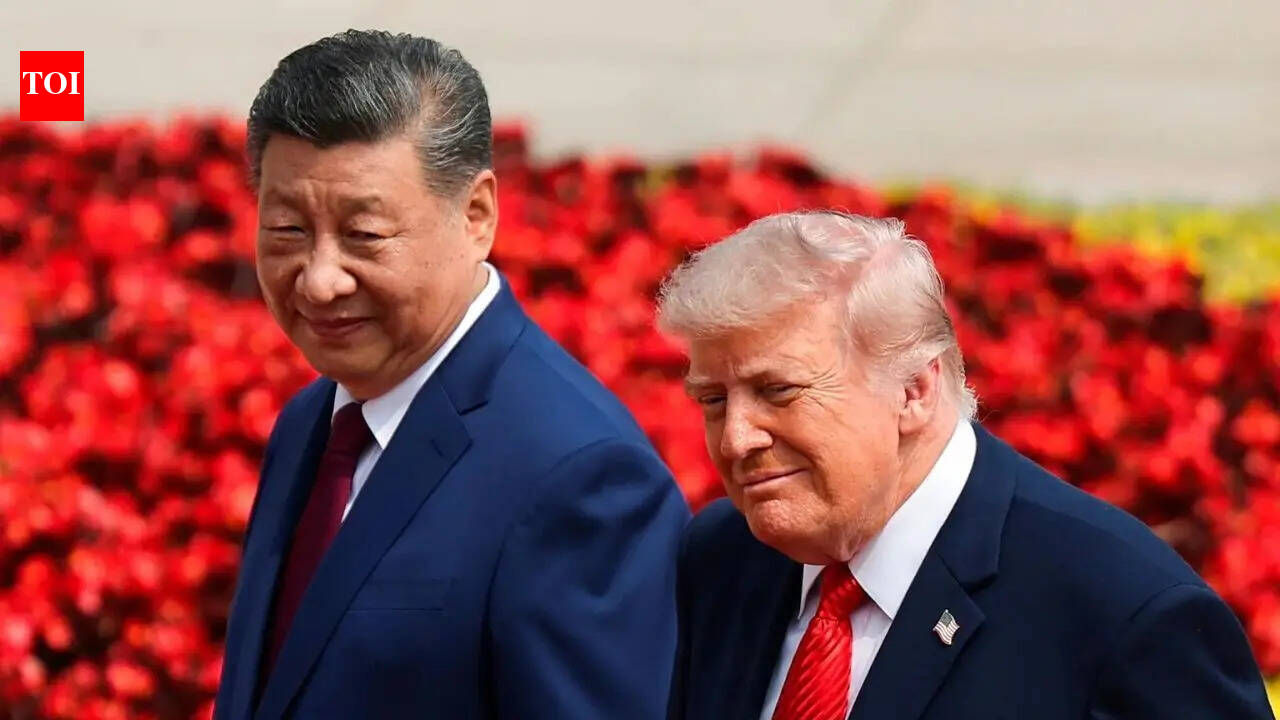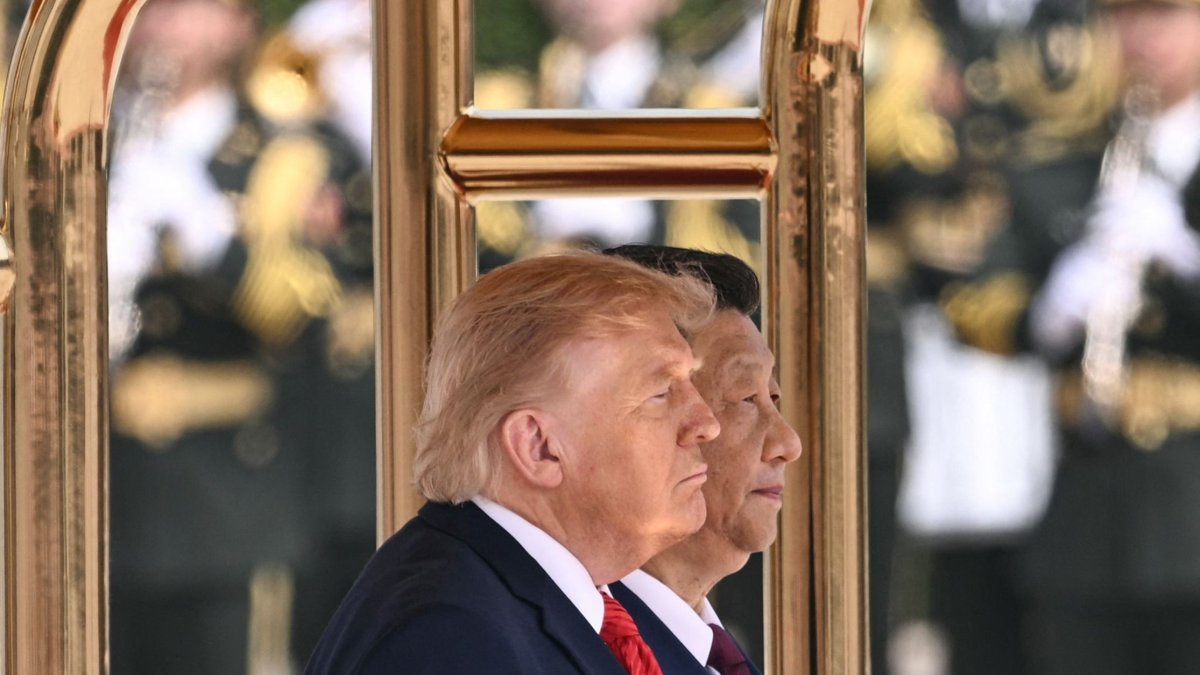
On May 14-15, the entire world focused on U.S. President Donald Trump’s visit to China. Trump had previously visited Beijing during his first presidential term. However, this visit, taking place after eight years, occurred in a far more critical and chaotic period. This time, the issue was not merely a “trade war.” Taiwan, technological competition, trade deals, the Iran-Hormuz line and the global power transition were all compressed onto the same diplomatic table.
One of the clearest indicators that Trump went to China with a strong bargaining agenda and an economic focus was the presence of Treasury Secretary Scott Bessent. During his first presidential visit to China in November 2017, Trump was accompanied by figures such as Secretary of State Rex Tillerson and Commerce Secretary Wilbur Ross, along with a large business delegation. That visit reflected the logic of classical trade diplomacy: reducing the trade deficit, expanding market access and producing major commercial announcements. The 2026 visit, however, was different. The fact that Bessent, rather than representatives from the State Department, was present showed that the meeting had shifted from ordinary diplomacy to economic-security bargaining.