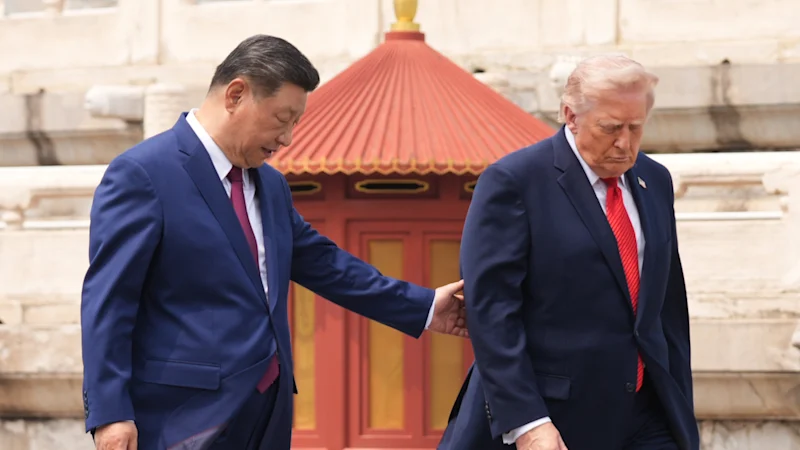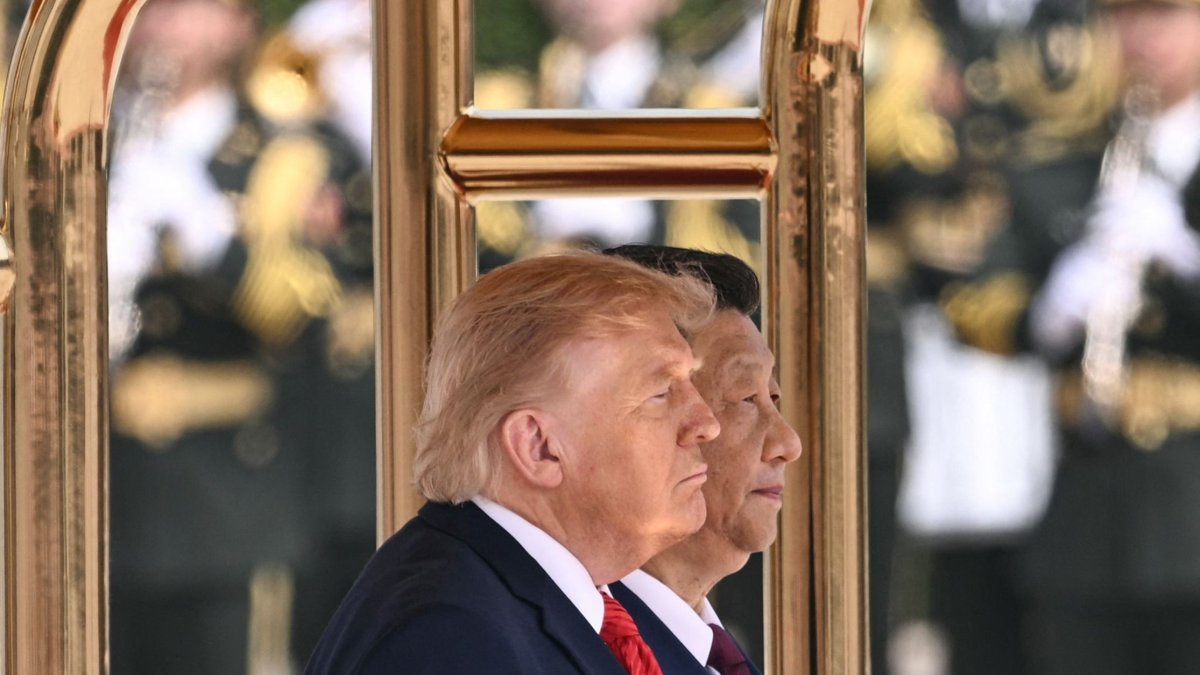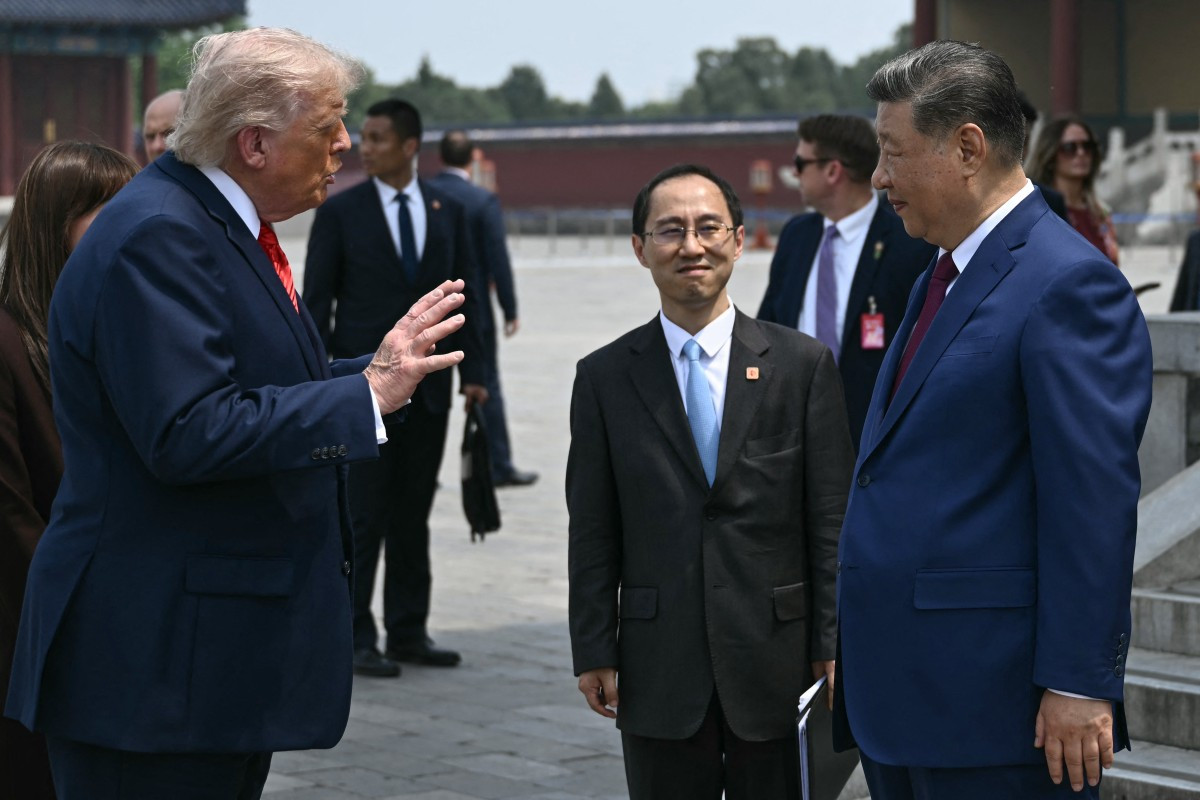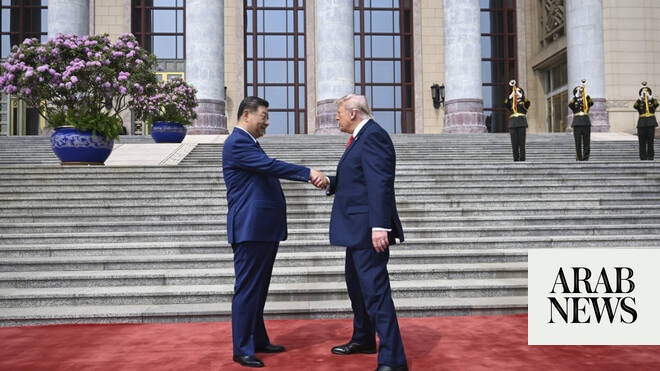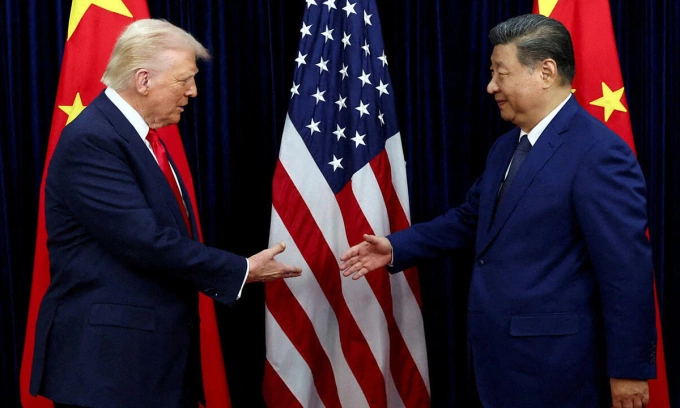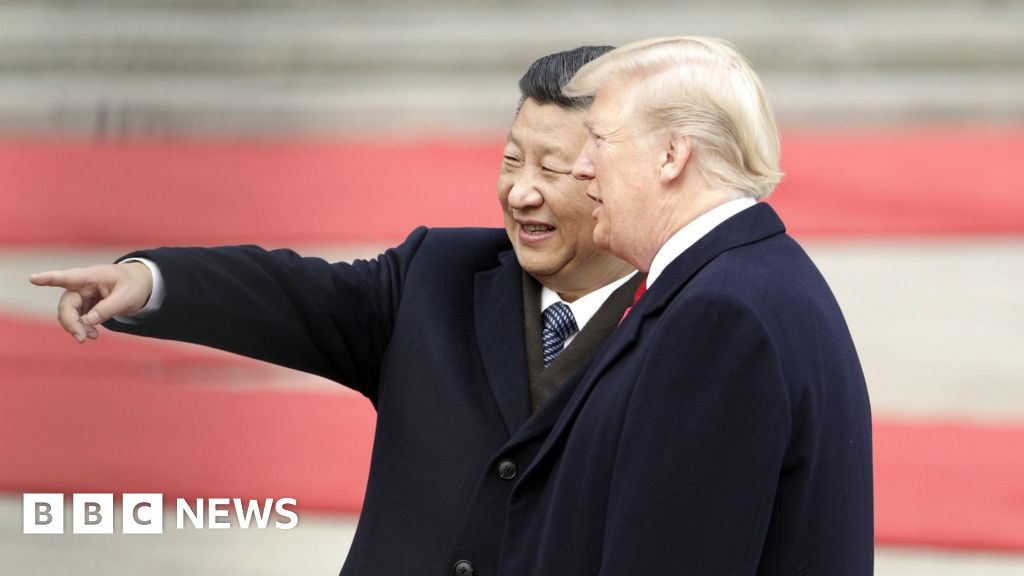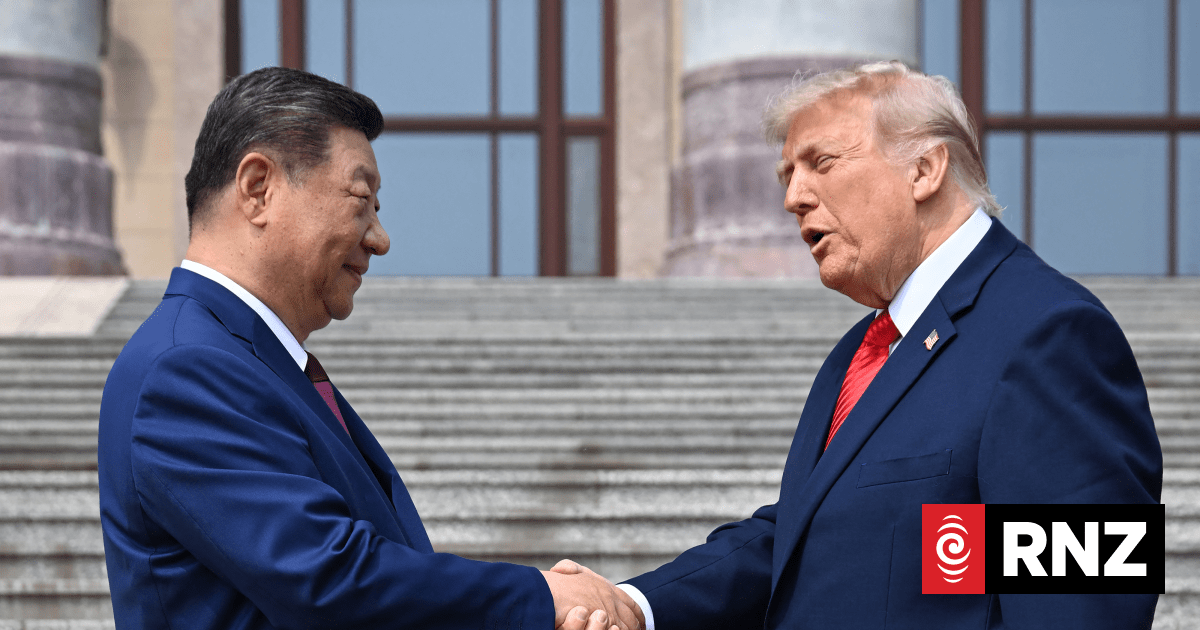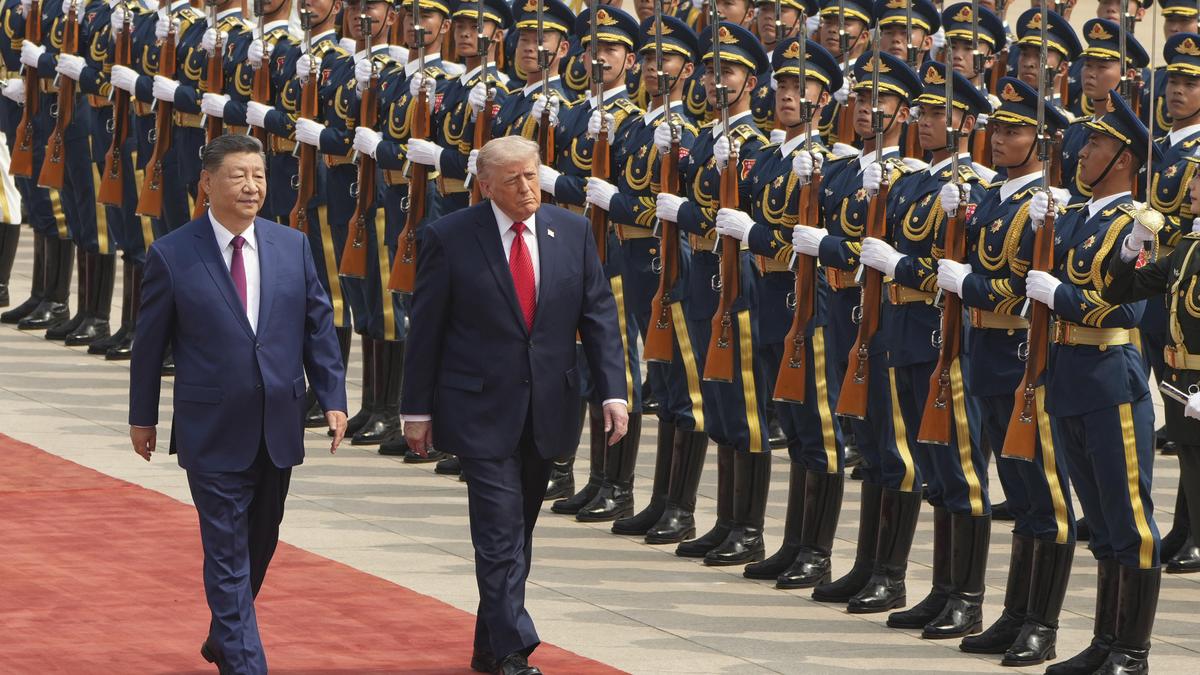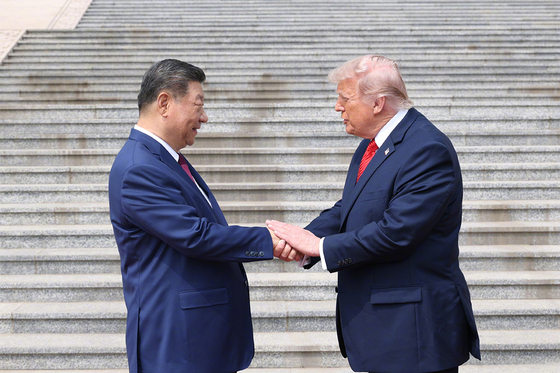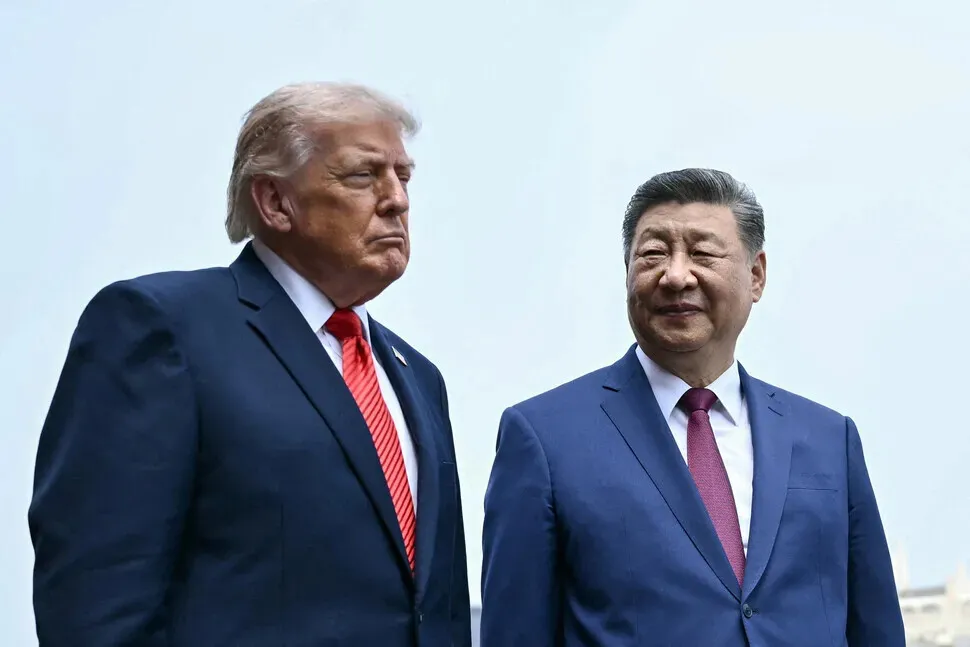
US President Donald Trump called the US and China “the most important and most powerful countries in the world,” stating that he and Chinese President Xi Jinping could “do a lot of big and good things for the two countries and the world,” during their on Thursday morning at the Great Hall of the People in Beijing, according to China’s state-run Xinhua News Agency.“Xi is a great leader, and China is a great country. I have tremendous respect for President Xi and the Chinese people,” Trump said. After concluding the summit, which lasted 135 minutes, Trump and Xi visited the Temple of Heaven, a temple complex built in the 15th century. During a state banquet held later that day, Xi remarked that “the great rejuvenation of the Chinese nation and making America great again can go hand in hand,” before stating that the two countries “should be partners rather than rivals.” Trump referred to Xi as a “friend” during his speech at the banquet, where he also said that the two had “extremely positive and productive conversations and meetings.” Trump’s high praise of Xi stands in stark contrast with Xi’s sharp comments regarding Taiwan, in which he warned, “If mishandled, the two nations could collide or even come into conflict,” demonstrating how much has changed between the two countries in nine years. When Trump visited Beijing in November 2017, Xi was immediately focused on stabilizing his regime by establishing friendly relations with the US in the wake of his reappointment as China’s leader. As such, Xi threw a “state plus” visit to welcome Trump like an emperor, closing the Forbidden City complex to the public and hosting a lavish banquet. China also showered the US with gifts by agreeing to trade deals worth a total of US$253.5 billion in the semiconductor, aircraft and agriculture sectors. However, Xi has changed in the nine years since Trump was last in Beijing. Instead of the lavish reception at a palace complex, Trump was greeted at the more modest Temple of Heaven, and the scale of gifts to the US has noticeably decreased. While Xi has taken such a tight grip on power that many predict he plans to go beyond seeking a third term and instead rule for life, the 2026 US general elections in November are shaping up to be painful for Trump, as costs of living are rising due to the Iran war and public opinion sours. “The context for this visit is wholly different,” said Daniel Russel, a former US diplomat. “The schedule has been compressed to basically one day and stripped down to the basics.” US-China relations have also morphed from a partnership requiring US help to one between two competitors. China’s economy and industry have grown to rival that of the US, and the US is mustering all its might to stop China from overtaking it by restricting access to technology and decoupling supply chains. With the two sides less reliant on each other economically, expectations of a major deal on cooperation like those seen nine years ago have waned as well. While talking to Reuters, Ali Wyne, a senior researcher for US-China relations at International Crisis group, noted that Trump’s use of the term “G2” during his meeting with Xi last October shows how the US is “acknowledging [China’s growing] status,” adding how the balance of power has shifted since Trump’s previous trip to Beijing, when China made extraordinary efforts to court him and committed to purchasing billions of dollars’ worth of US goods. “That reflects greater Chinese confidence in their position, greater skepticism of Trump, and the awkwardness of the current relationship,” said Rush Doshi, an assistant professor at Georgetown University, commenting on China’s attitude change to the Associated Press.
Trump’s visit to Beijing highlights shifting nature of US-China ties
While Xi was eager to lavish the US leader in 2017, he is now willing to put his foot down on matters like Taiwan
624 words~3 min read