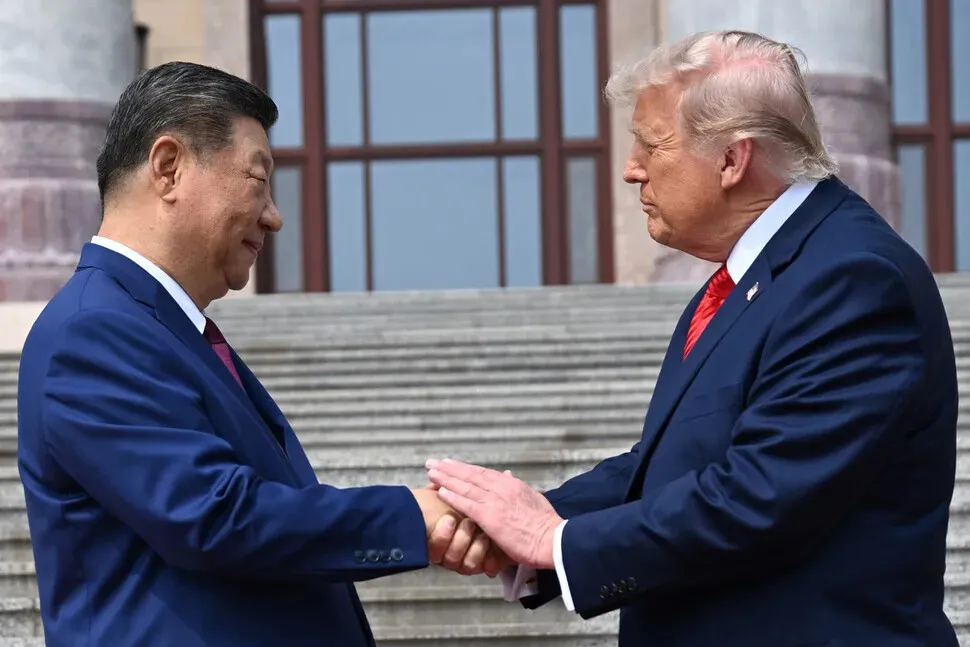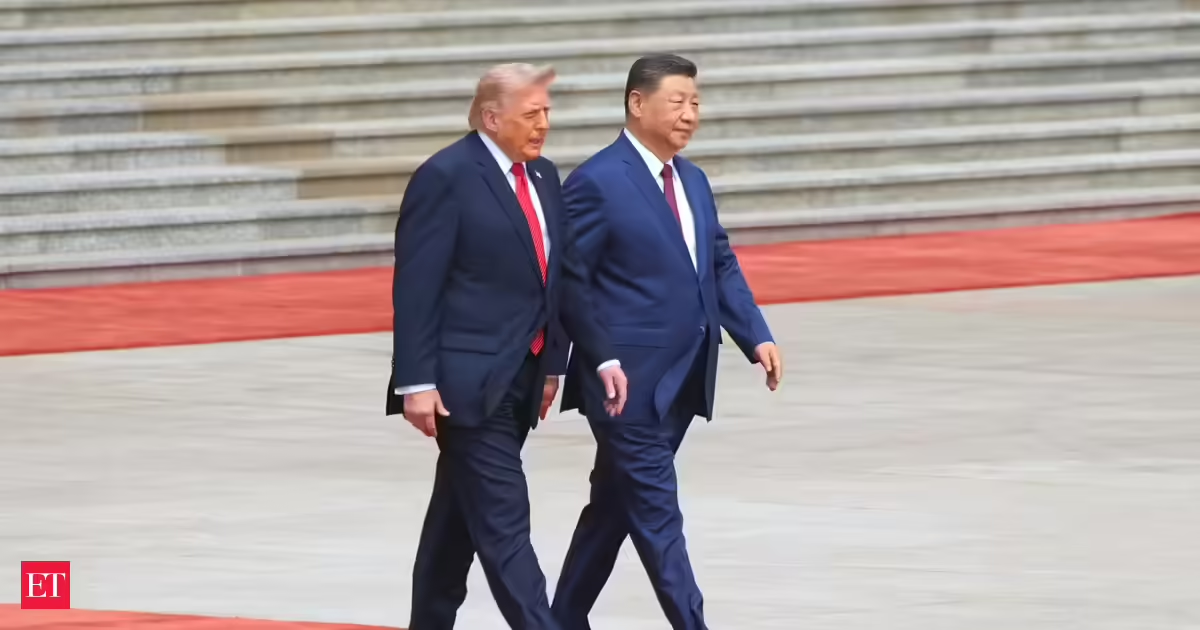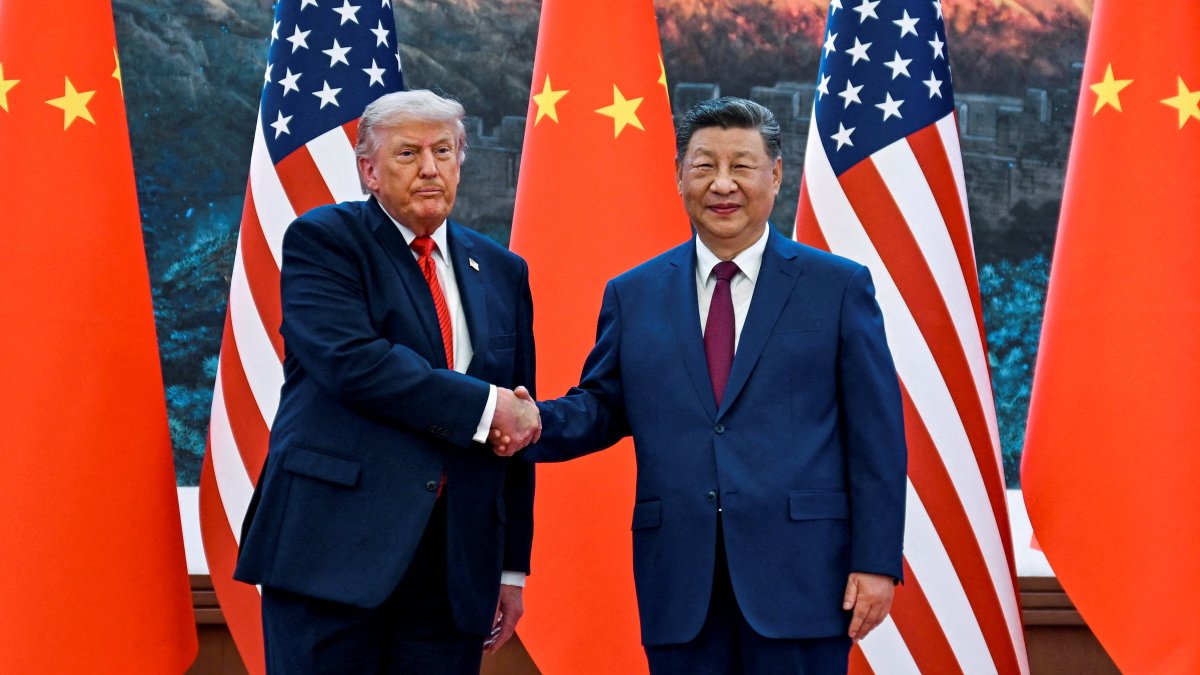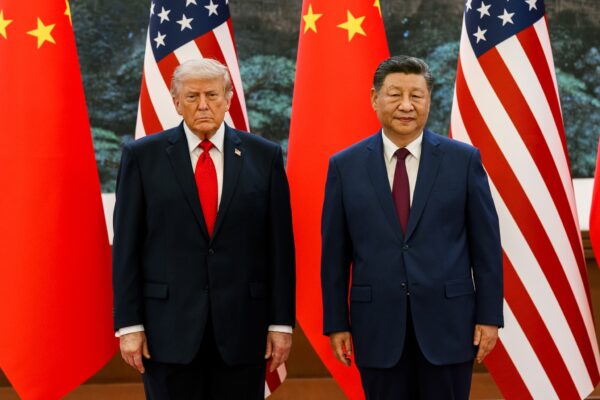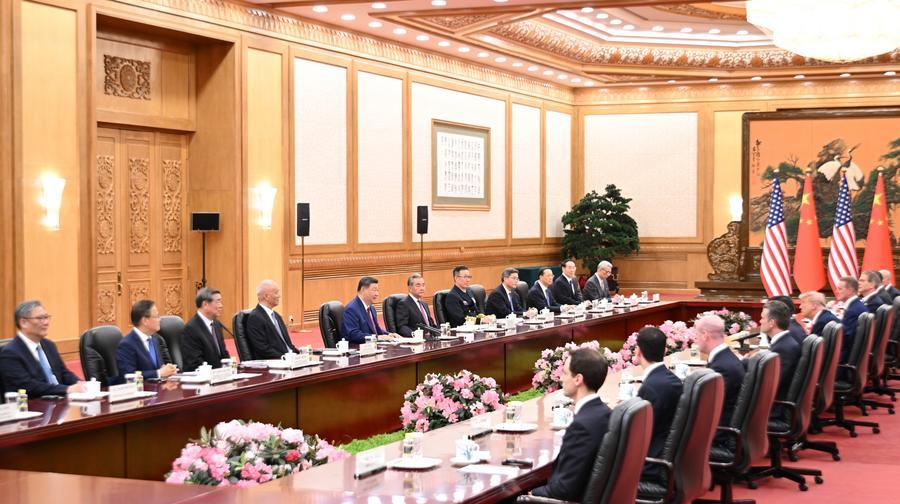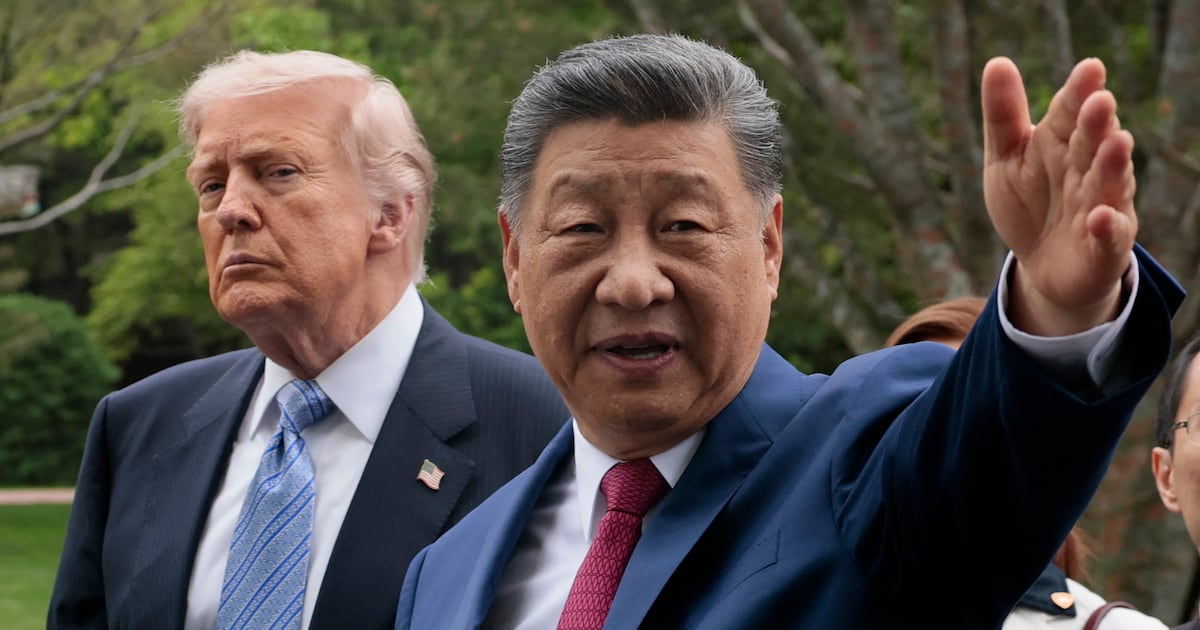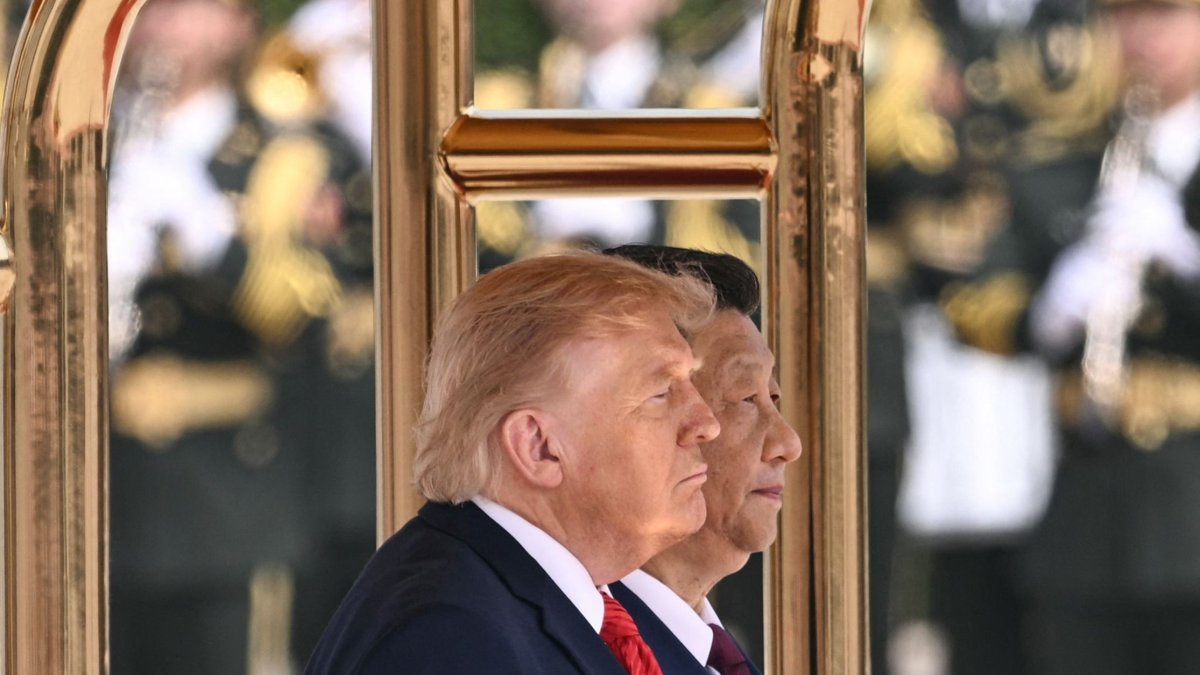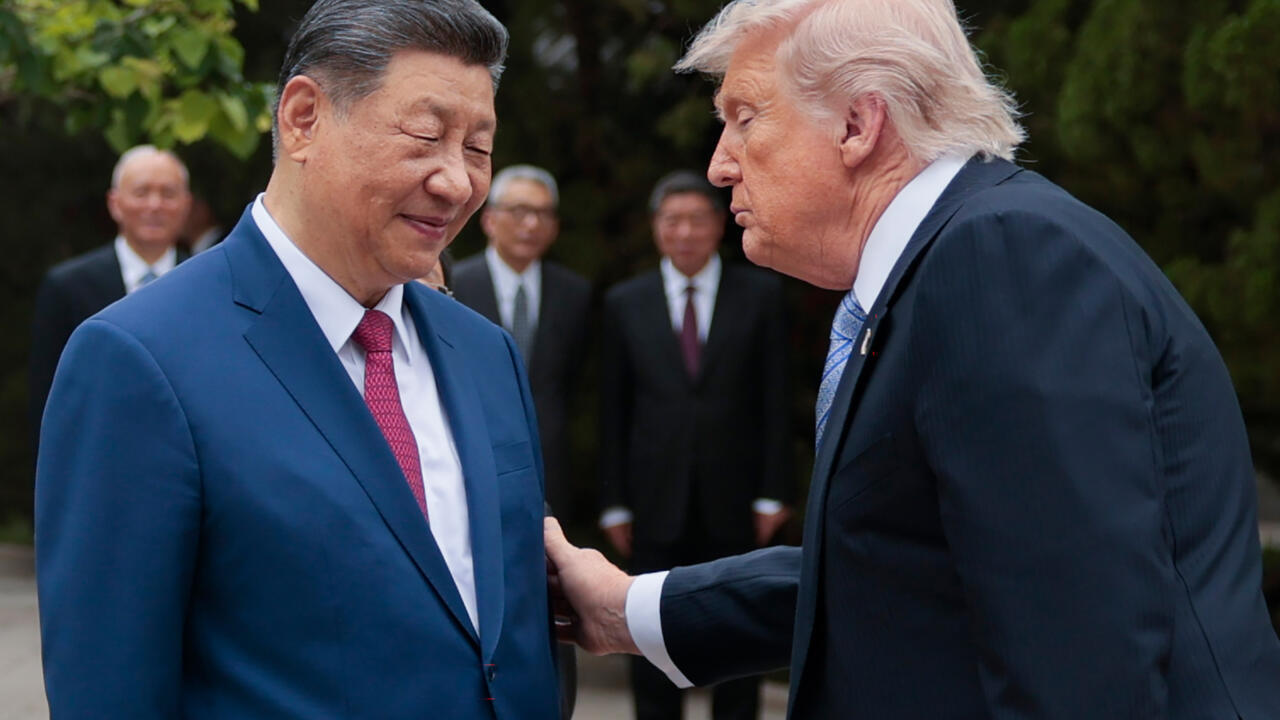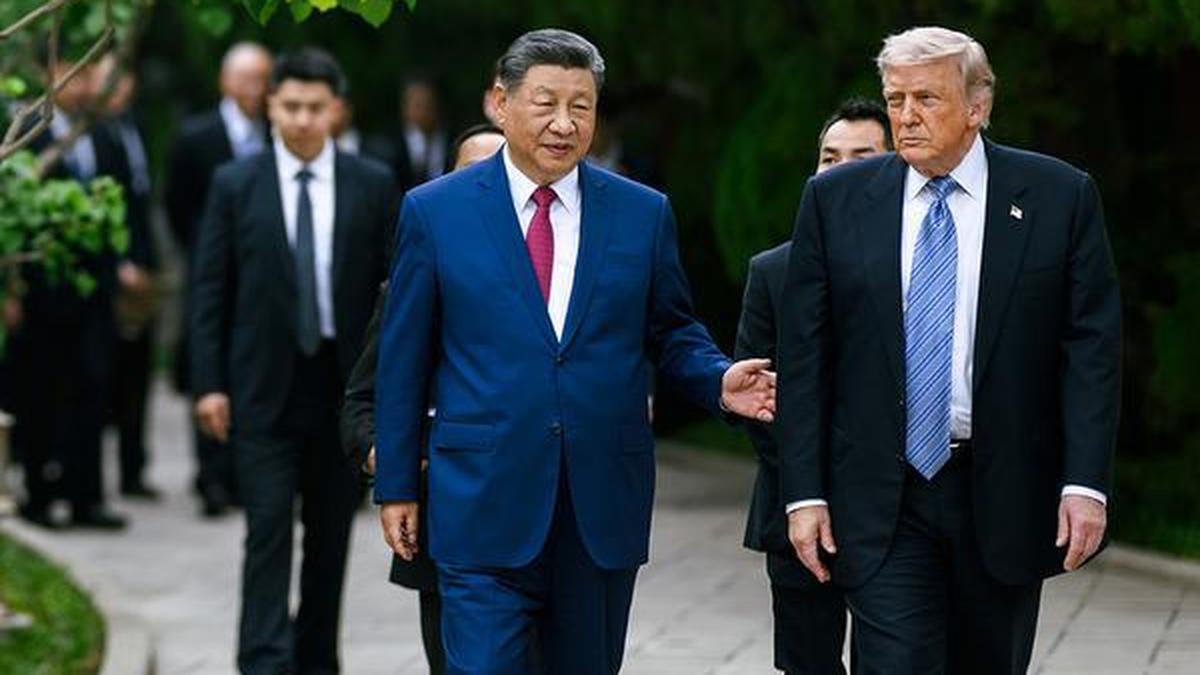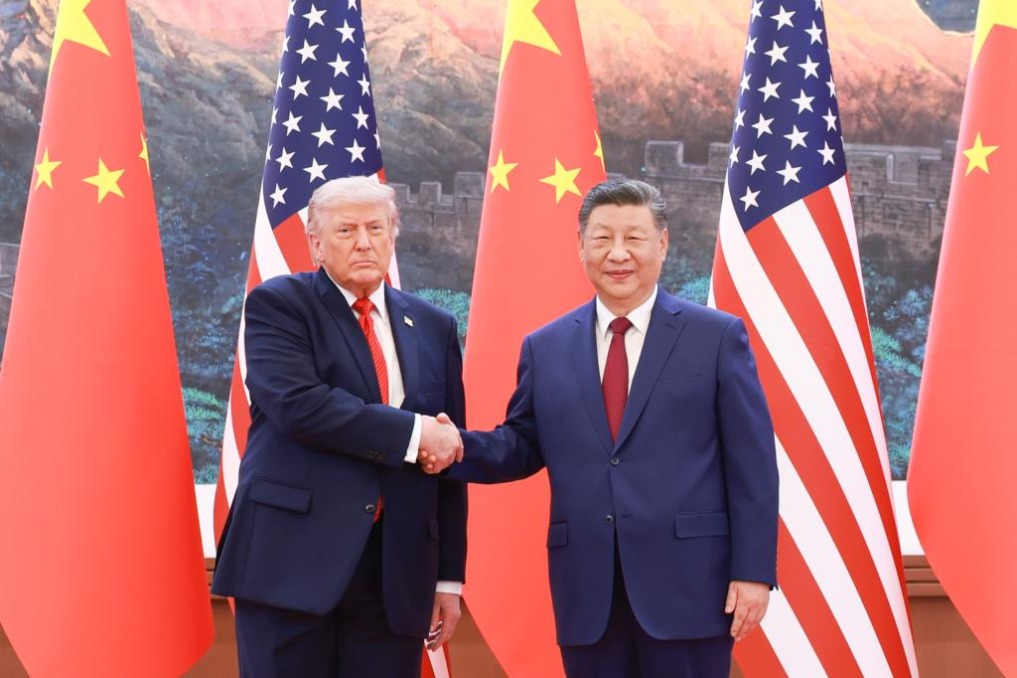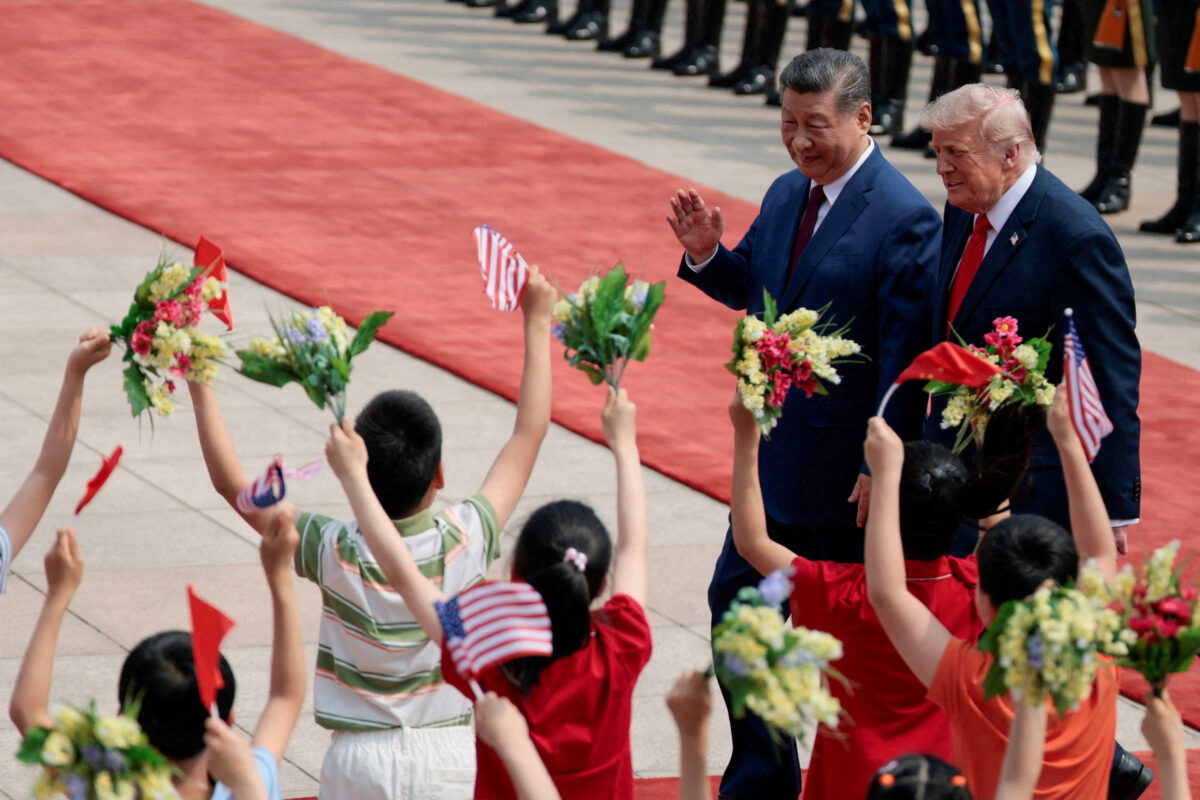
1. Donald Trump’s recent state visit to Beijing marks his second trip to China as president, following his 2017 visit. [para. 1] The meeting between Trump and President Xi Jinping focused on bilateral relations and global peace and development, capturing worldwide attention. [para. 1] In an era of global turbulence, the strategic significance of U.S.-China relations is pronounced, with high-level interactions providing an irreplaceable framework for cooperation and managing differences. [para. 2] Beijing’s stance is clear: it is ready to work with Washington based on equality, respect, and mutual benefit to inject stability into a chaotic world. [para. 2]2. During an earlier encounter in October in Busan, South Korea, Xi stated that the world’s two biggest economies should be “partners and friends,” acknowledging that friction is inevitable given differing national conditions. [para. 3] Xi emphasized that both countries can jointly shoulder major-country responsibilities and accomplish concrete things for their nations and the world. [para. 4] In talks on May 14, Xi highlighted an agreement to establish “constructive strategic stability” as a new baseline for ties, urging implementation of common understandings and expanded exchanges in political, diplomatic, military, economic, health, agricultural, tourism, people-to-people, and law enforcement areas. [para. 5]3. The international community hopes the Beijing summit will lengthen the list of collaborative efforts and accomplish major, practical, positive things. [para. 6] Several key issues demand immediate attention. First, the two nations must stabilize economic and trade relations. [para. 7] Extreme tactics like tariff wars and technological blockades cannot stem economic cooperation or contain China’s rise. [para. 8] Despite fluctuations since trade conflicts began during Trump’s previous term, bilateral trade has remained resilient, generally exceeding pre-dispute levels. [para. 8] Facts show both gain from cooperation and lose from confrontation; trade or tech wars have no winners. [para. 9] Washington should reflect on whether such policies serve U.S. interests. [para. 9]4. Economic cooperation remains the ballast of the relationship. The 2026 China Business Climate Survey Report by the American Chamber of Commerce in China indicates that China is still an indispensable market for U.S. companies. [para. 10] 52% of surveyed companies rank China among their top three global investment destinations—a four-percentage-point increase from the previous year. [para. 10] 57% plan to increase investments, 83% say a stable, constructive bilateral relationship is crucial, and 79% hold a positive or neutral outlook on relations in 2026. [para. 10] Several prominent executives accompanied Trump on this visit, reflecting market expectations for stabilized ties. [para. 11]5. Second, both sides must protect corporate rights and respect market choices. [para. 12] The abuse of “long-arm jurisdiction” in U.S. legal contexts, combined with extreme pressure campaigns, impedes the global trade system, leaving companies burdened. [para. 12] Policymakers should avoid politicizing economic issues and stop weaponizing national security for discriminatory policies. [para. 12] Third, people-to-people exchanges urgently need acceleration. [para. 13] Academic exchanges have declined sharply, prompting scholars to call for reversing this trend. [para. 14] On May 5, China’s ambassador to the U.S., Xie Feng, urged Washington to resolve visa and entry difficulties for Chinese travelers, cease selective measures, and increase direct flights to facilitate travel. [para. 14]6. Other collaborative endeavors include establishing global frameworks for AI governance. [para. 15] Undertaking such tasks benefits both nations and alleviates international anxieties. [para. 15] Through mutual respect, peaceful coexistence, and reciprocal collaboration, the two countries can forge the right path for getting along in a new era. [para. 15]AI generated, for reference only
Opinion: Washington and Beijing Can Still Achieve Great Things Together
Renewed diplomatic engagement offers a chance to stabilize the global economy and repair fractured academic ties
571 words~3 min read