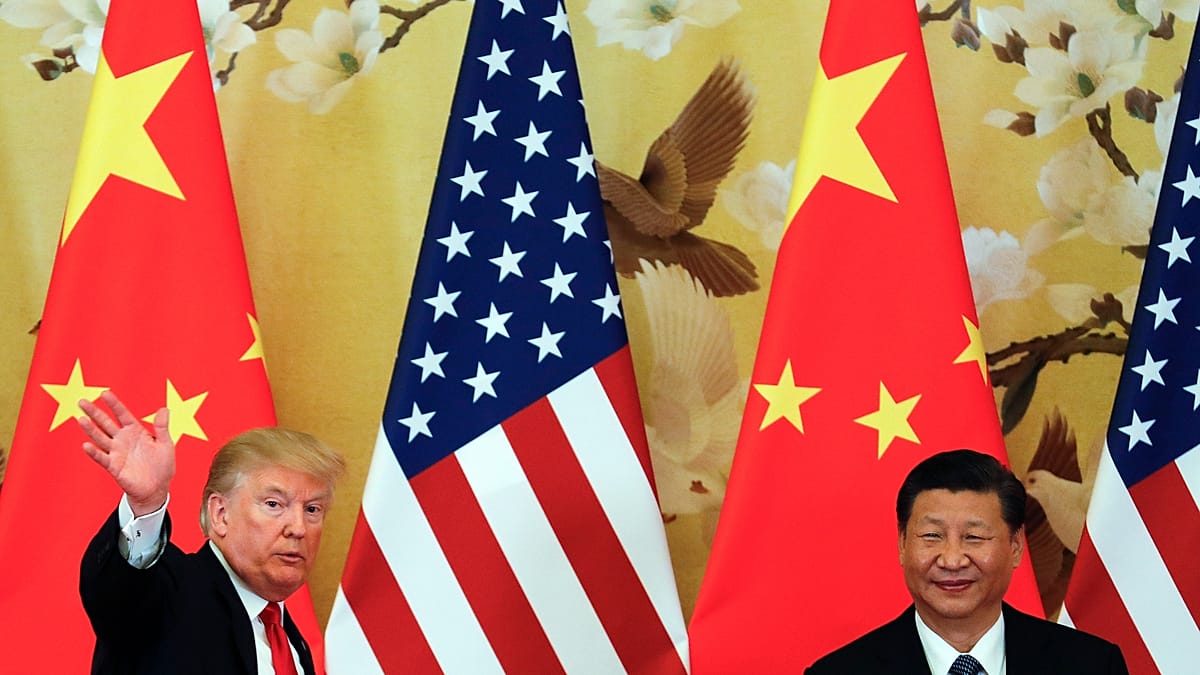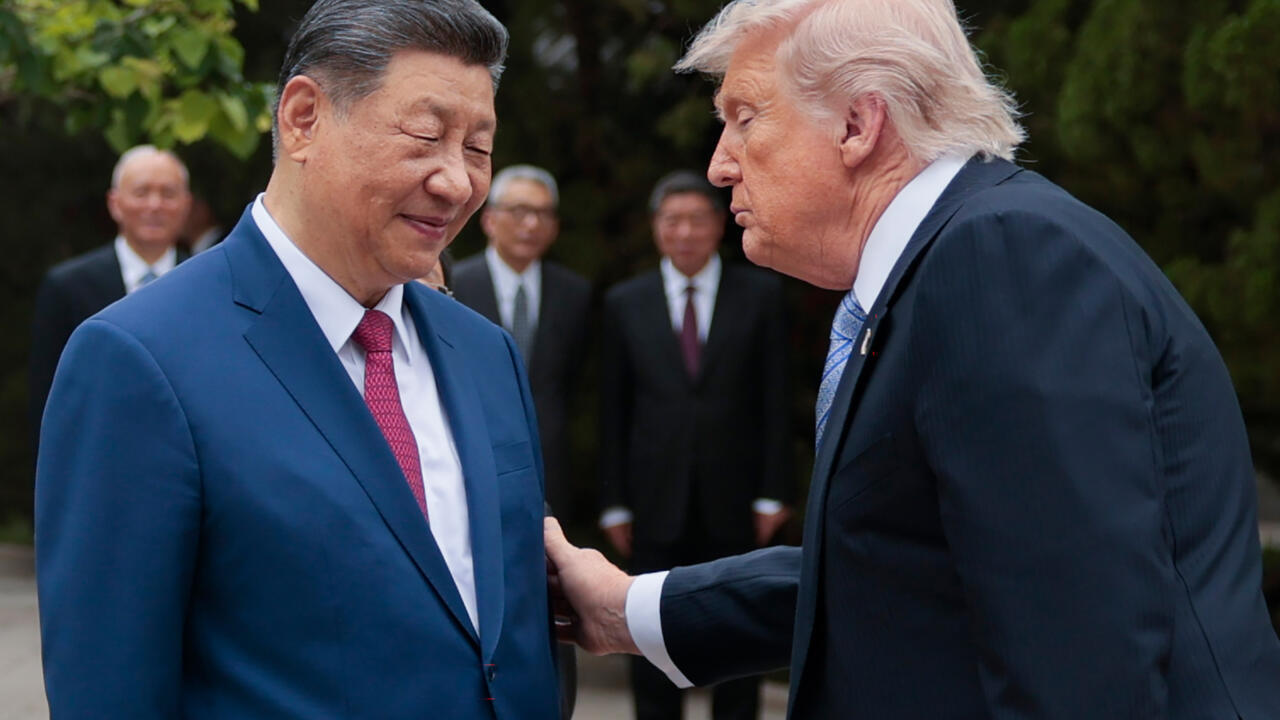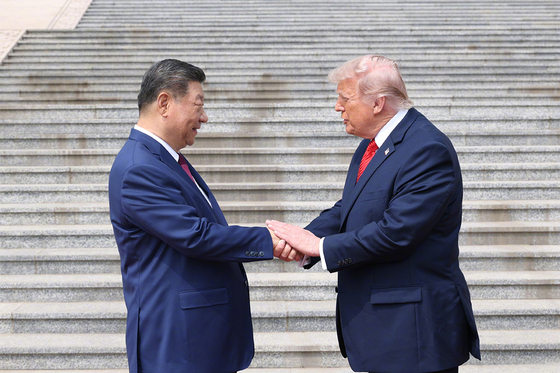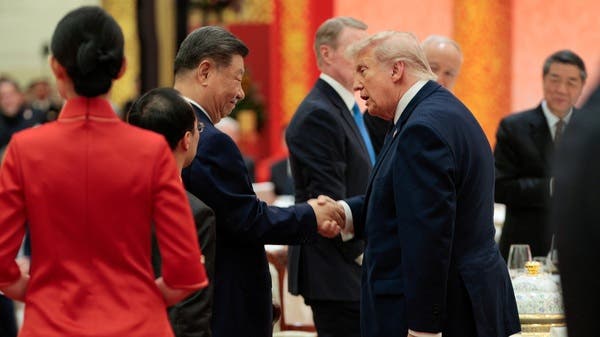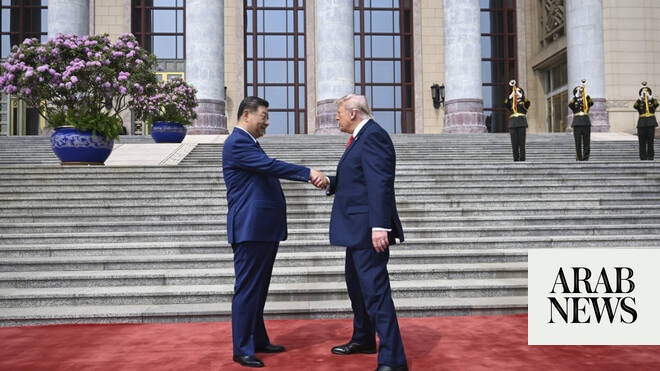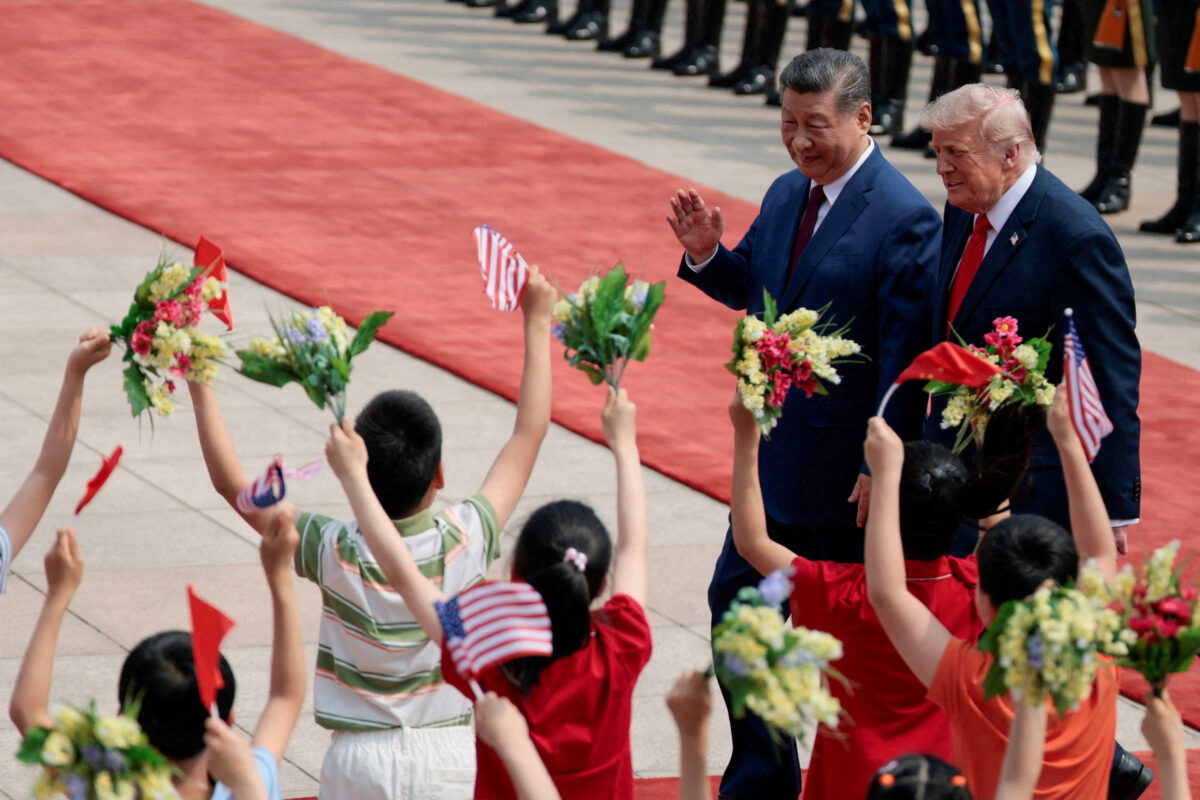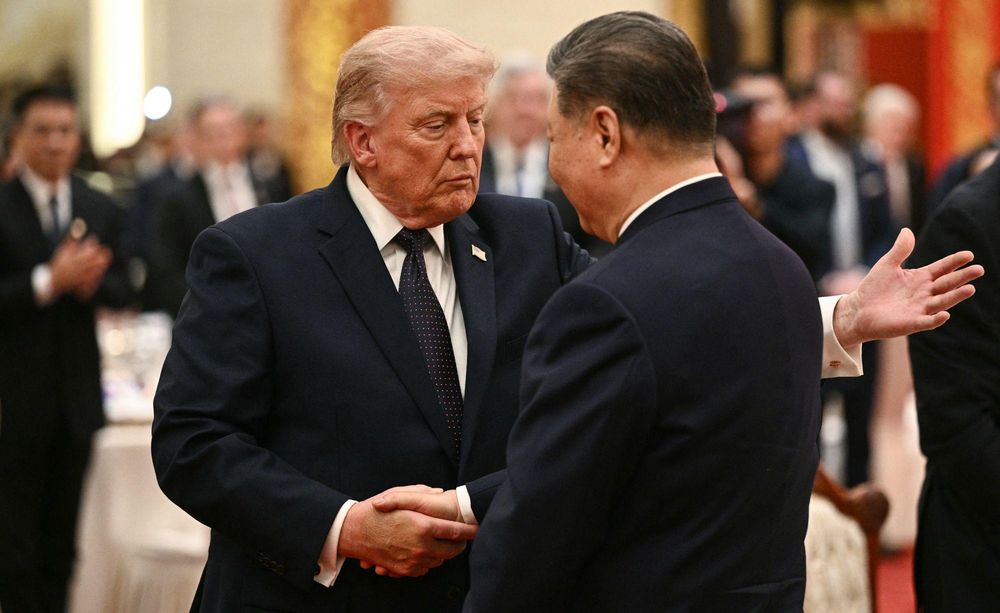
China's President Xi Jinping and US President Donald Trump shake hands as they attend a state banquet at the Great Hall of the People in Beijing on May 14.
US President Donald Trump became the first US leader in a decade to undertake a state visit to the People’s Republic of China this week.
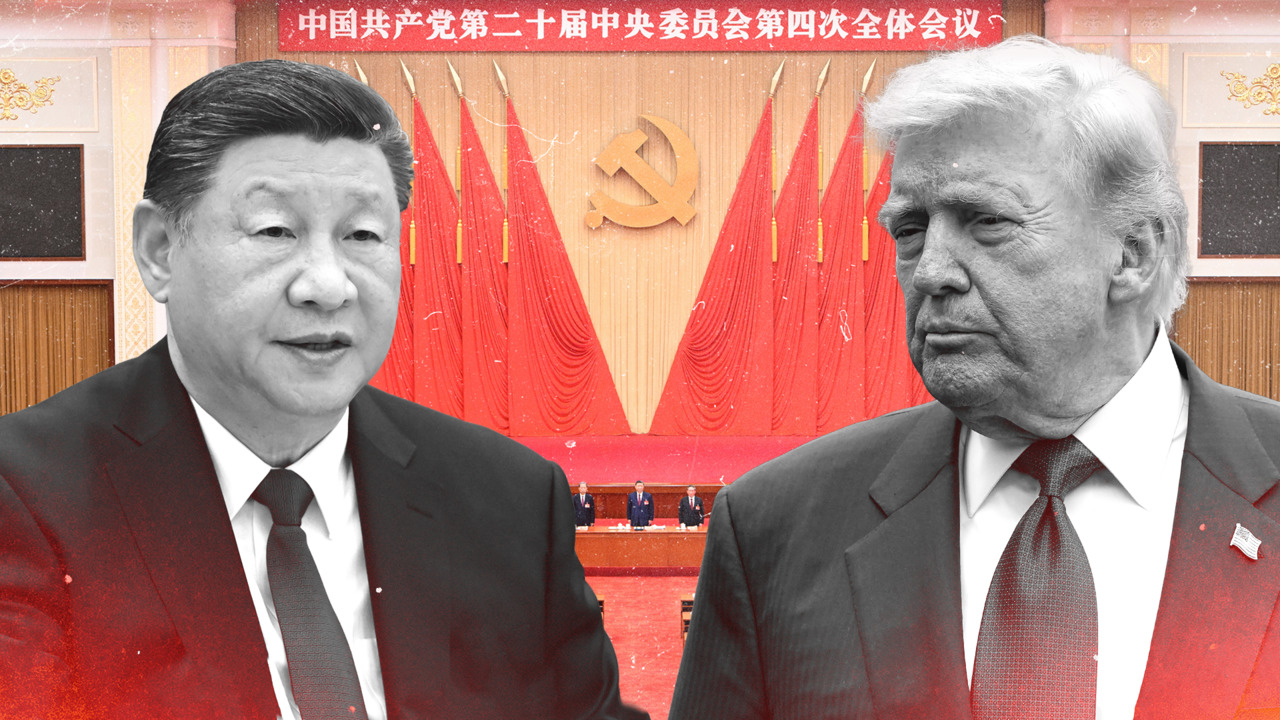
The significance of the visit cannot be overstated. China is the world’s second-largest economy behind that of the US. The two countries have become fierce competitors in global affairs. Their respective foreign policy objectives are diametrically opposed.
Whereas the US is deservedly credited with the rise of a unilateralism that continues to trump the founding principles of the UN Charter, China has conversely emerged as a champion of multilateralism.
Beijing’s foreign policy dictates are premised on the win-win principles that explicitly place importance on the ethos of mutual growth and a shared future. At the core of China’s foreign policy lies the resolve to never interfere in the internal affairs of other nations, adversaries and allies alike. This policy is in stark contrast to Washington’s penchant for regime change in nations perceived as enemies.