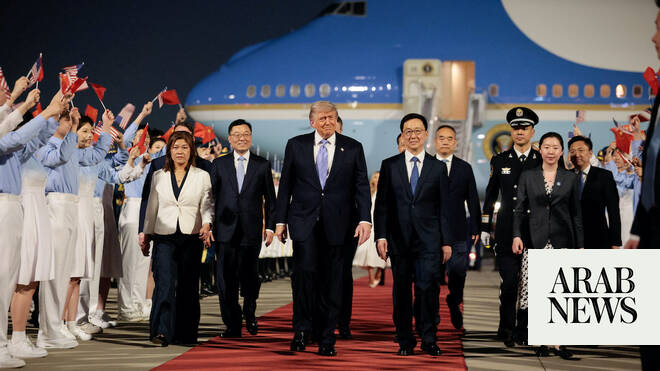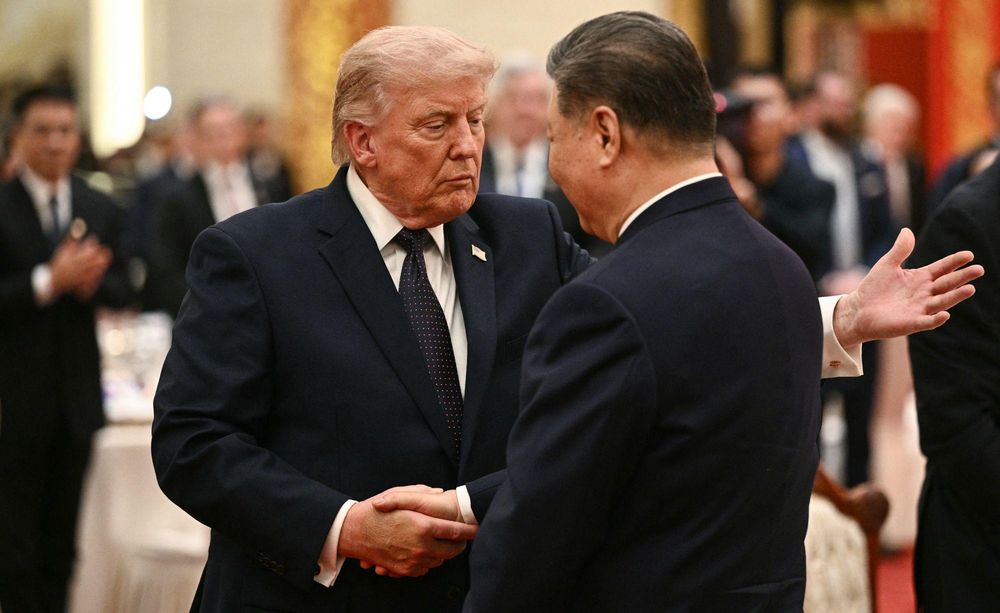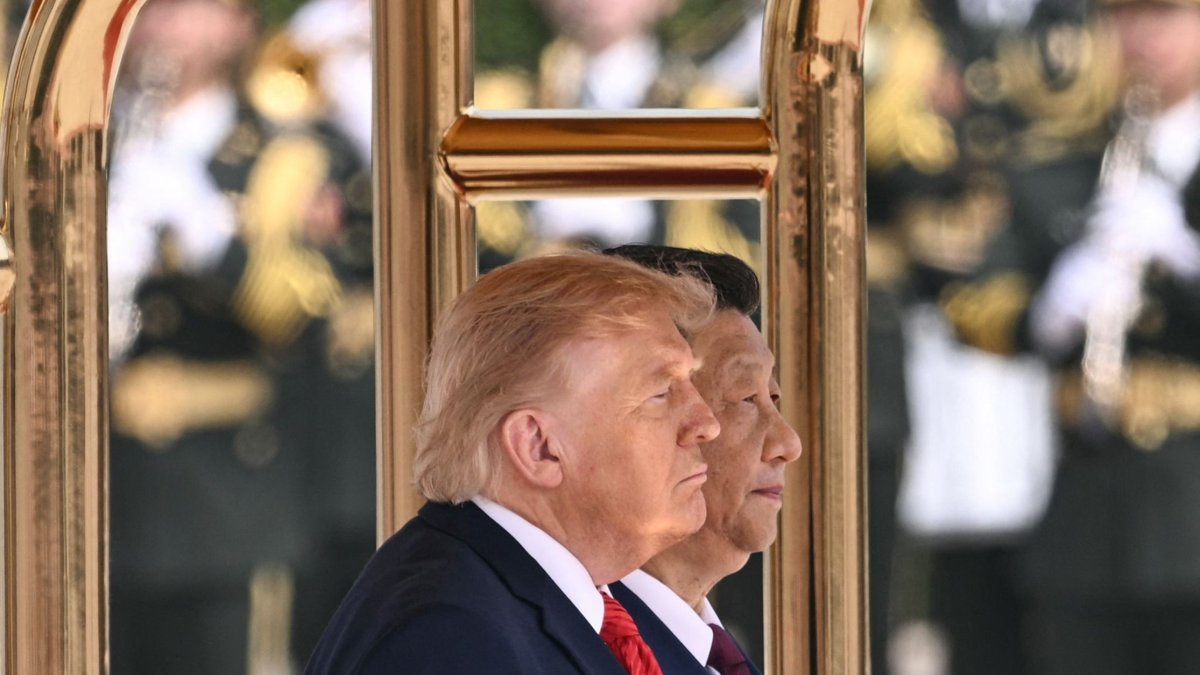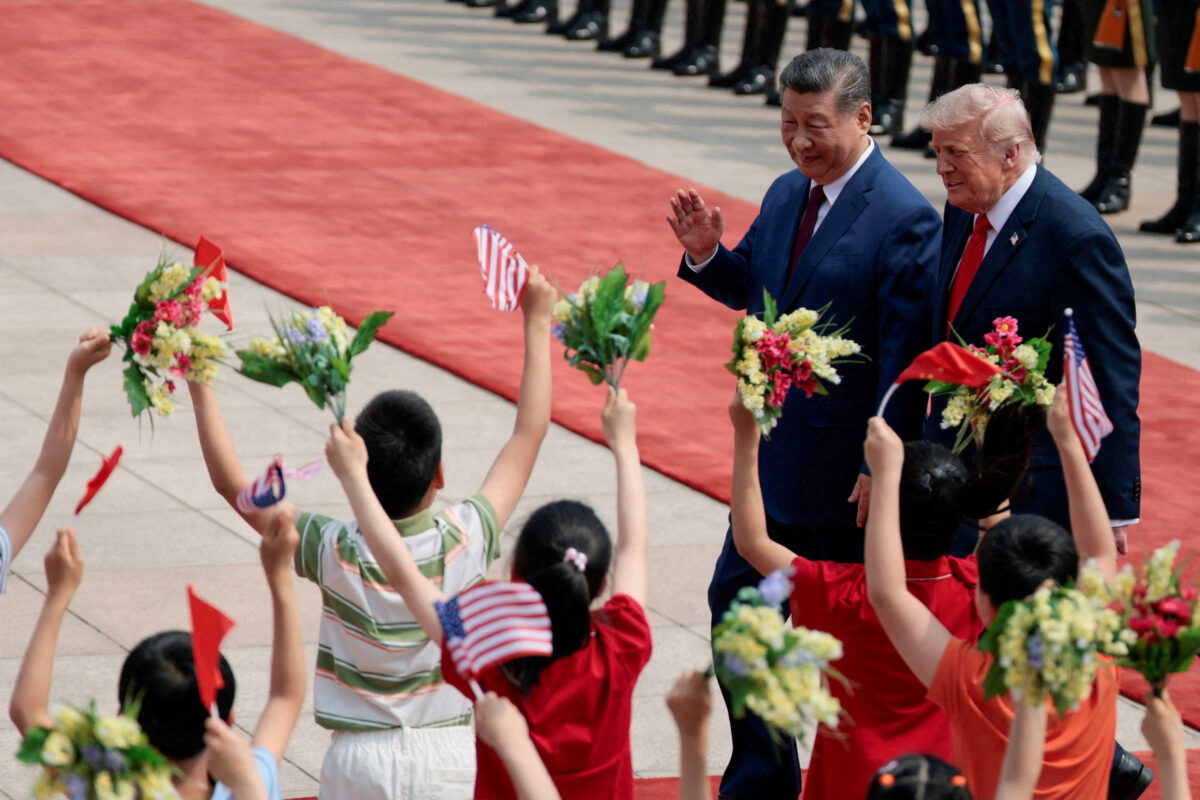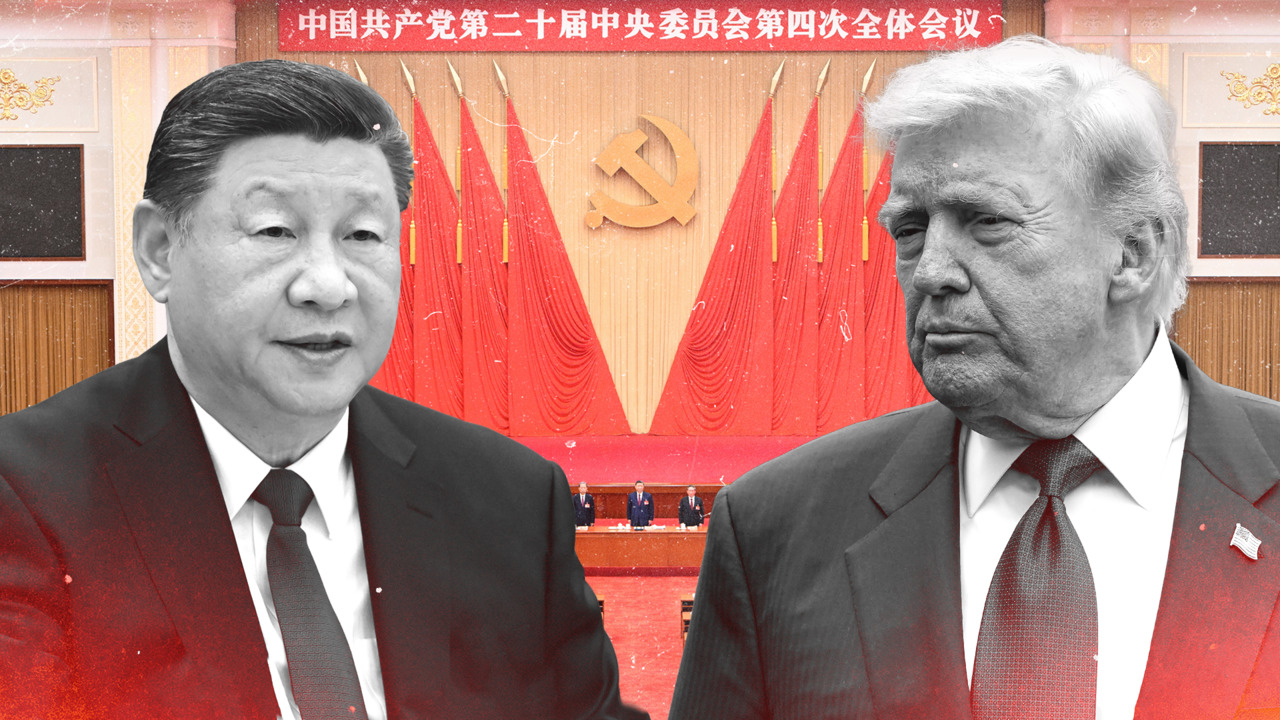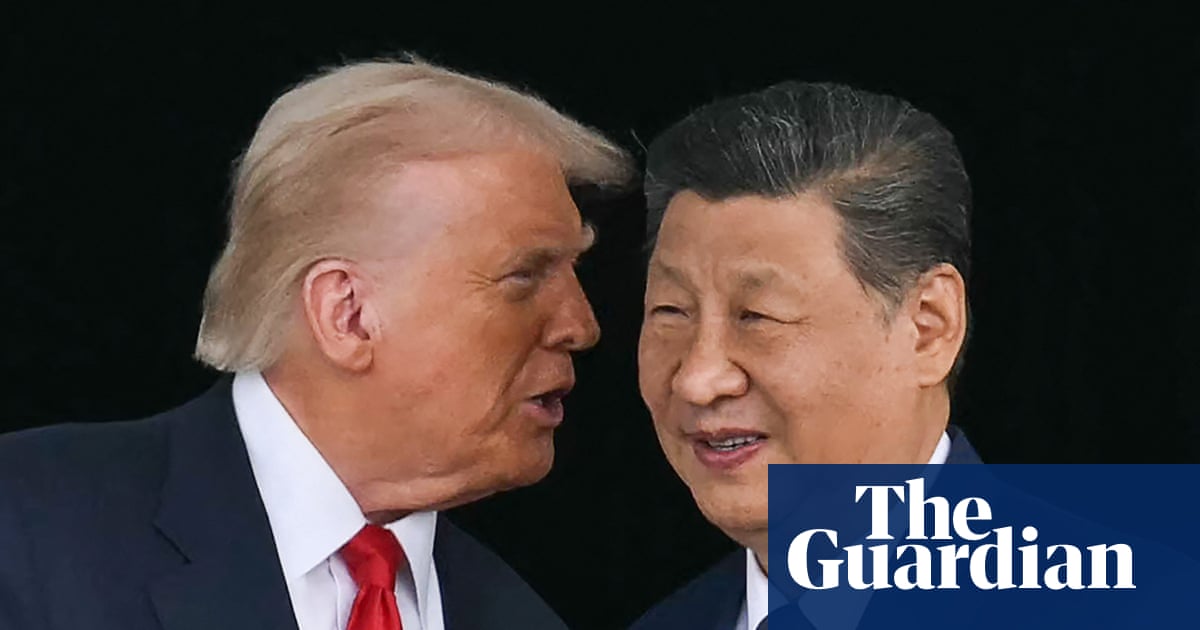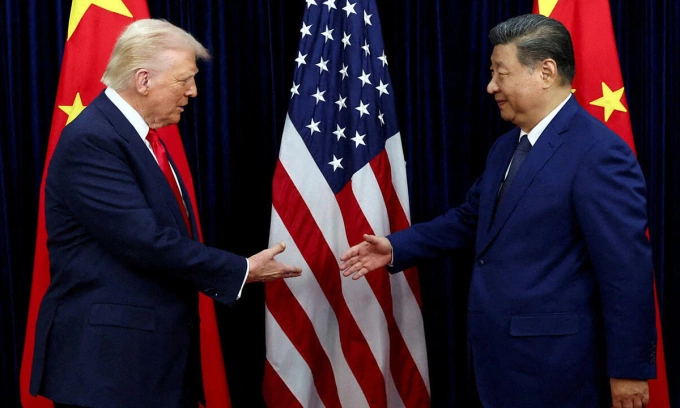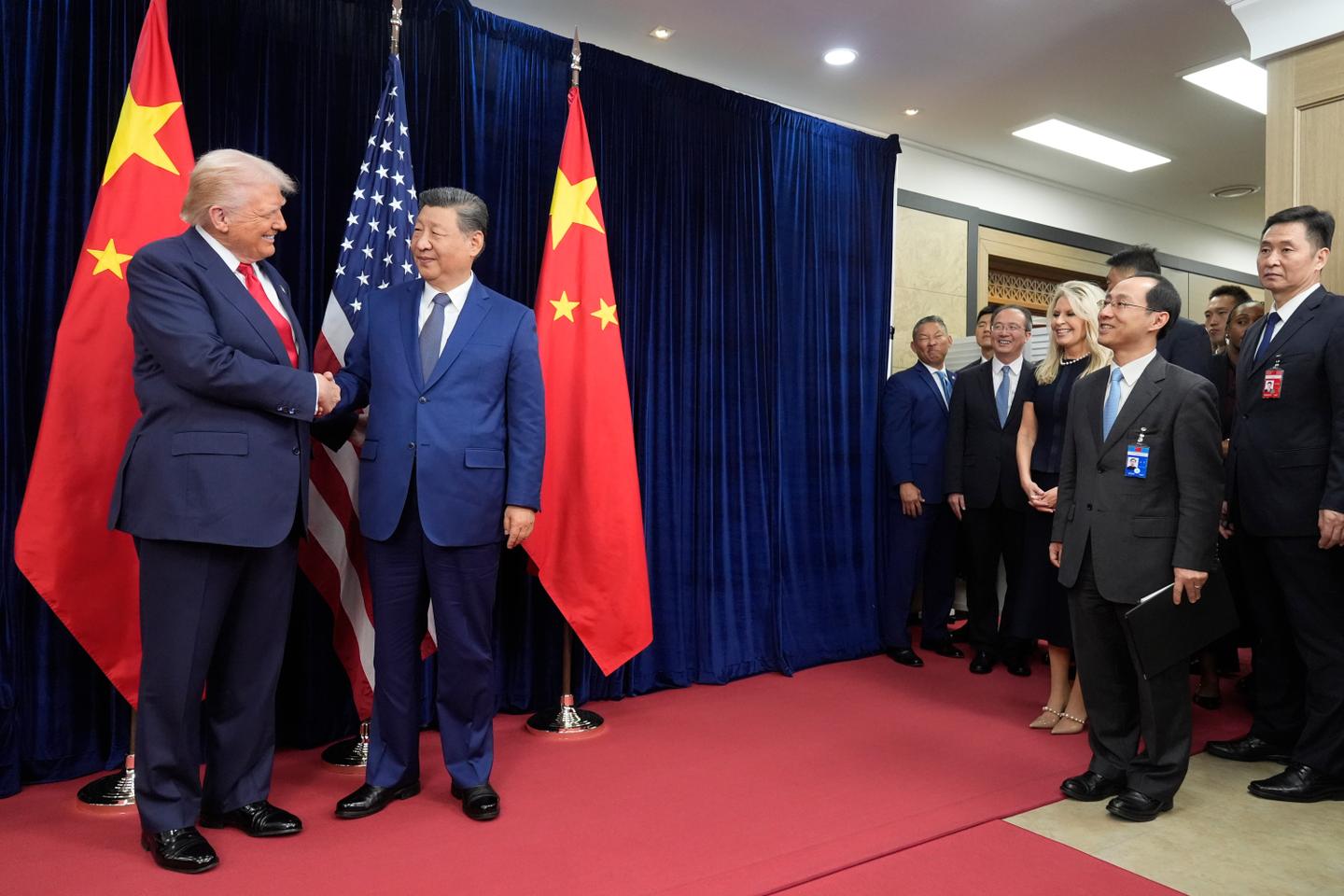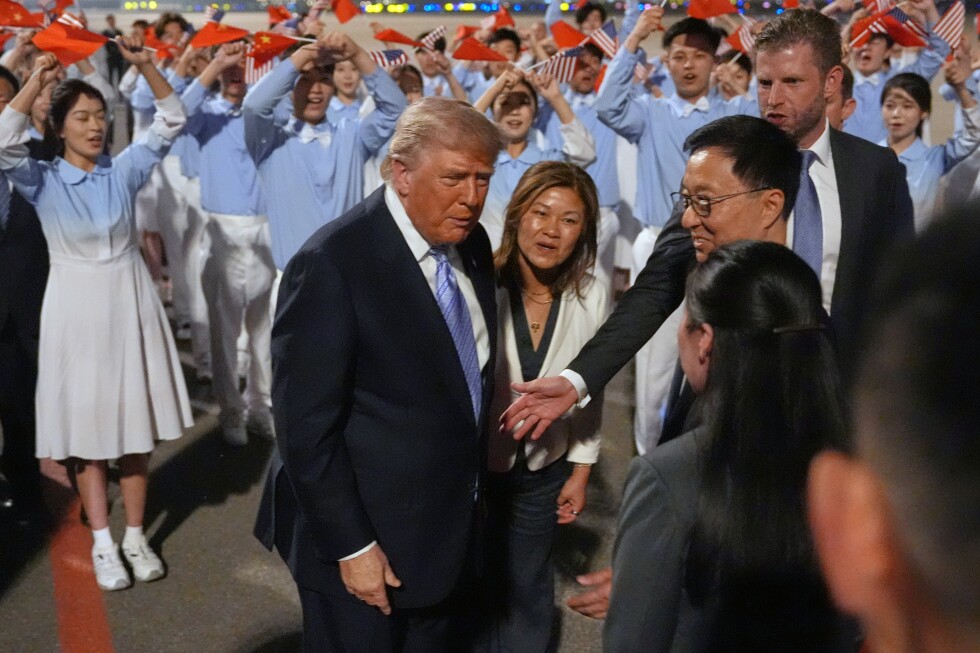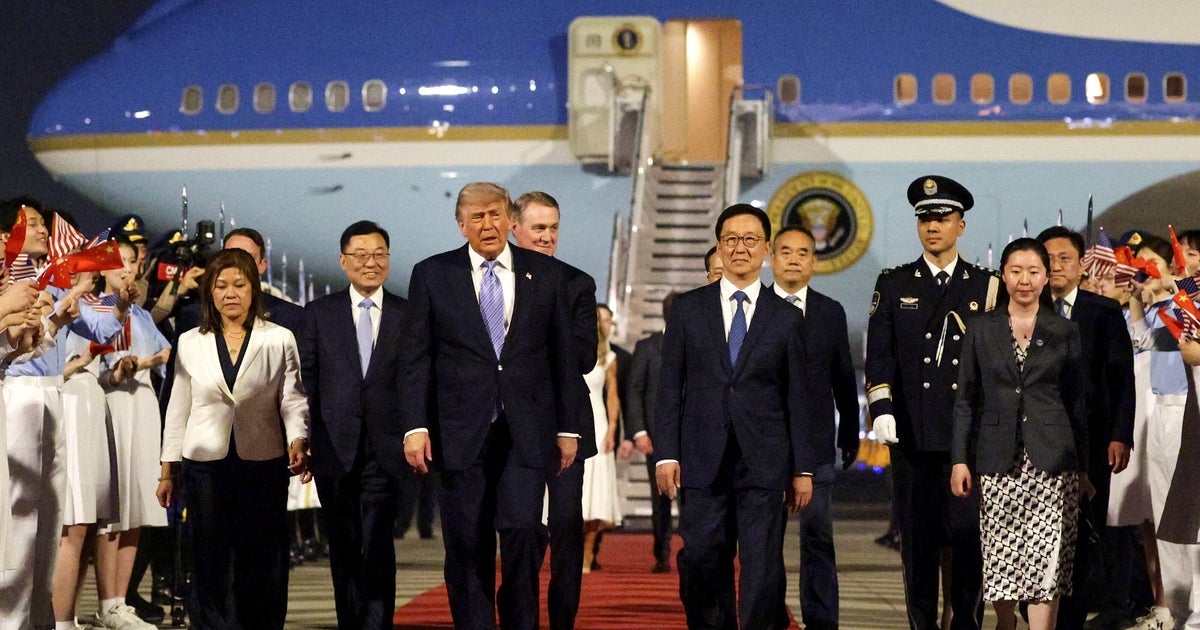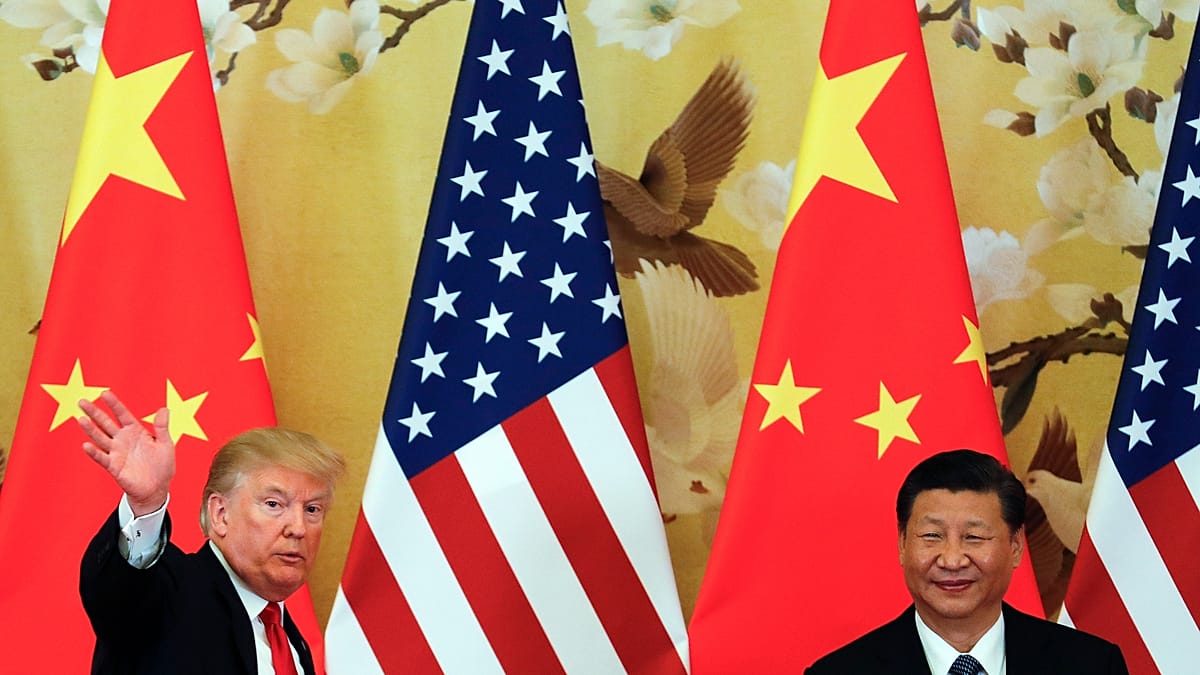
As US President Donald Trump arrives in Beijing on Wednesday for a three-day summit set to wrap on Friday, the symbolism alone carries considerable significance.
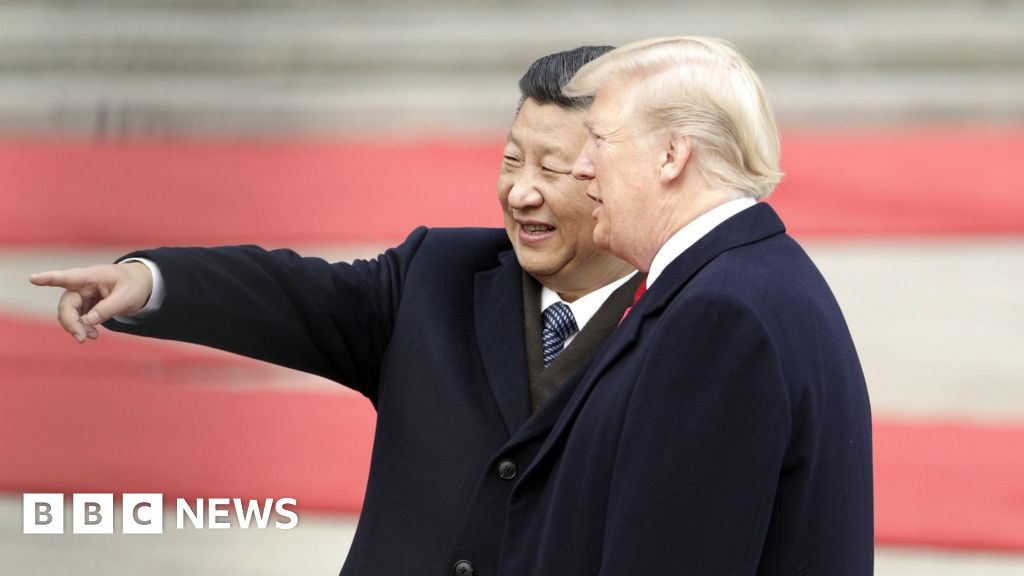
It is the first state visit to China by a sitting US president since Trump's previous trip in 2017, nearly nine years ago, during the early phase of his first term.
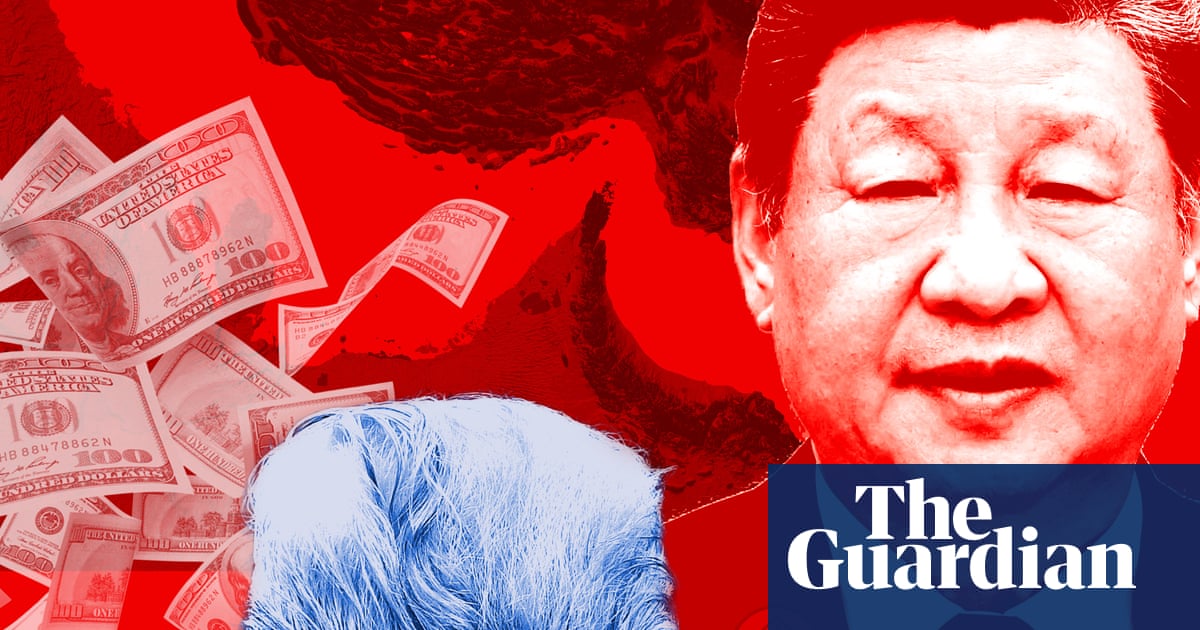
The geopolitical backdrop of this visit is markedly more unstable than it was at the time. The Iran war has unsettled global energy markets, disrupted shipping routes and renewed concerns about a broader regional escalation.
Meanwhile, China has attempted to position itself as a source of economic continuity and diplomatic stability, strengthening commercial ties across Southeast Asia, the Gulf and parts of Africa and Latin America.
Apart from its involvement in the Middle East, the US is also actively consolidating its influence across the Western Hemisphere through a revamped "Monroe Doctrine".