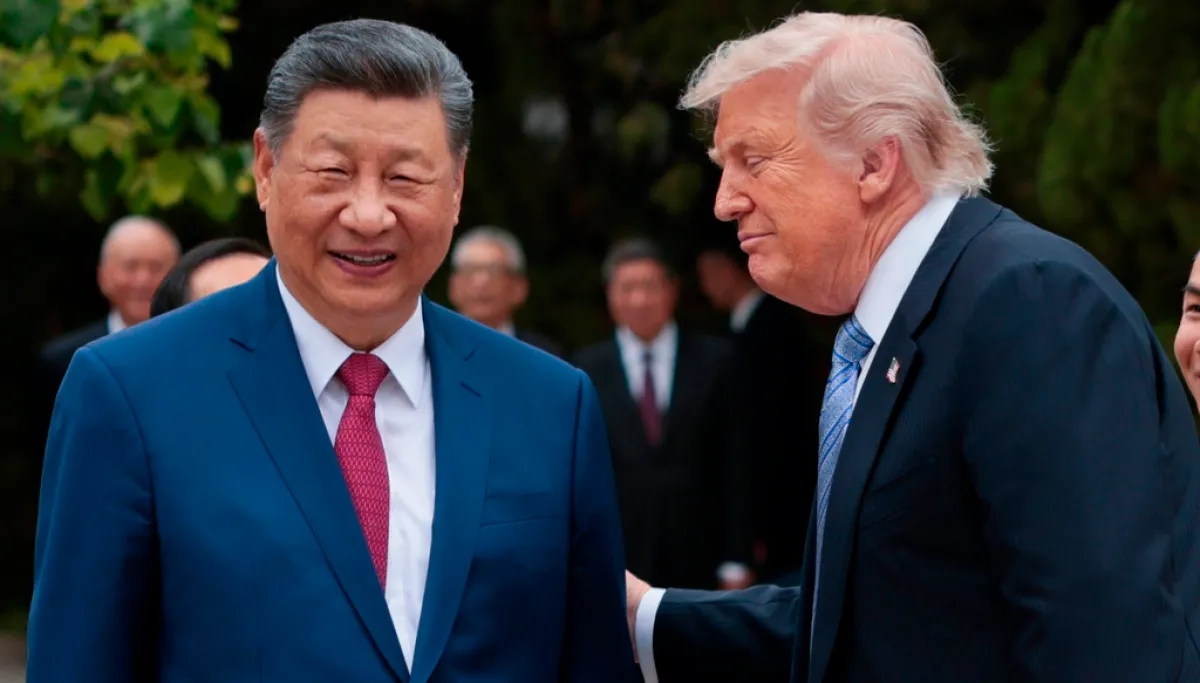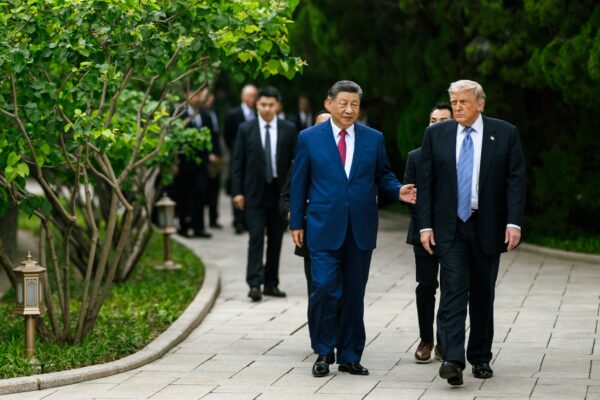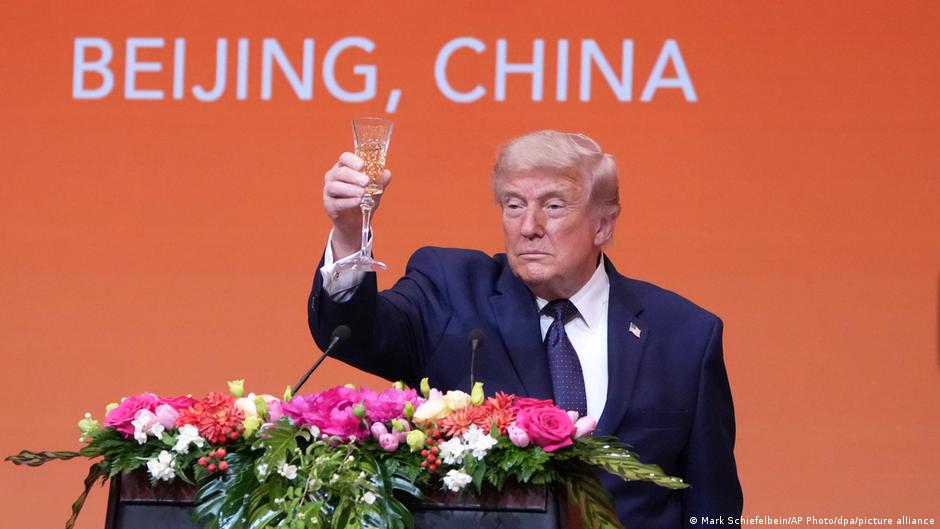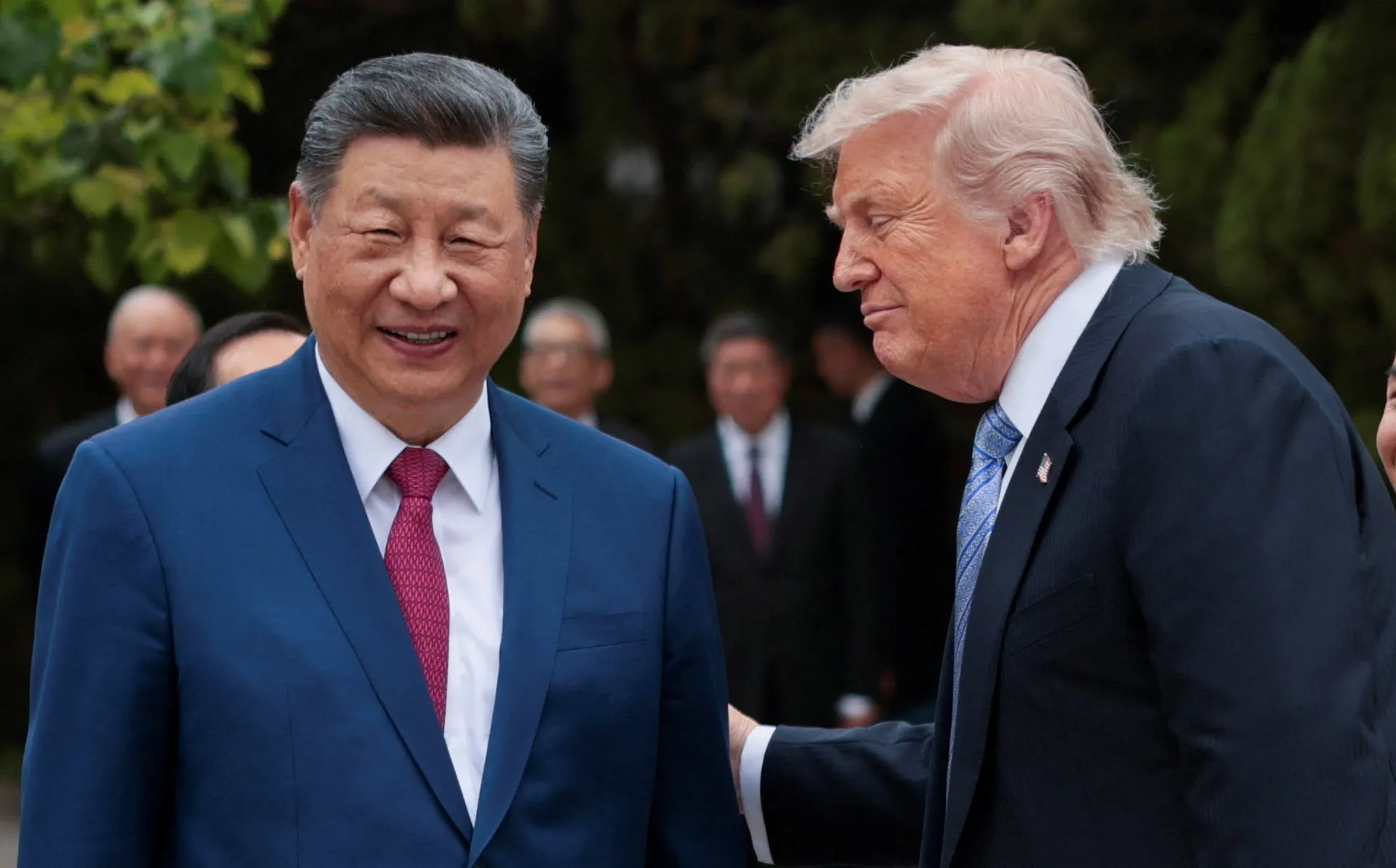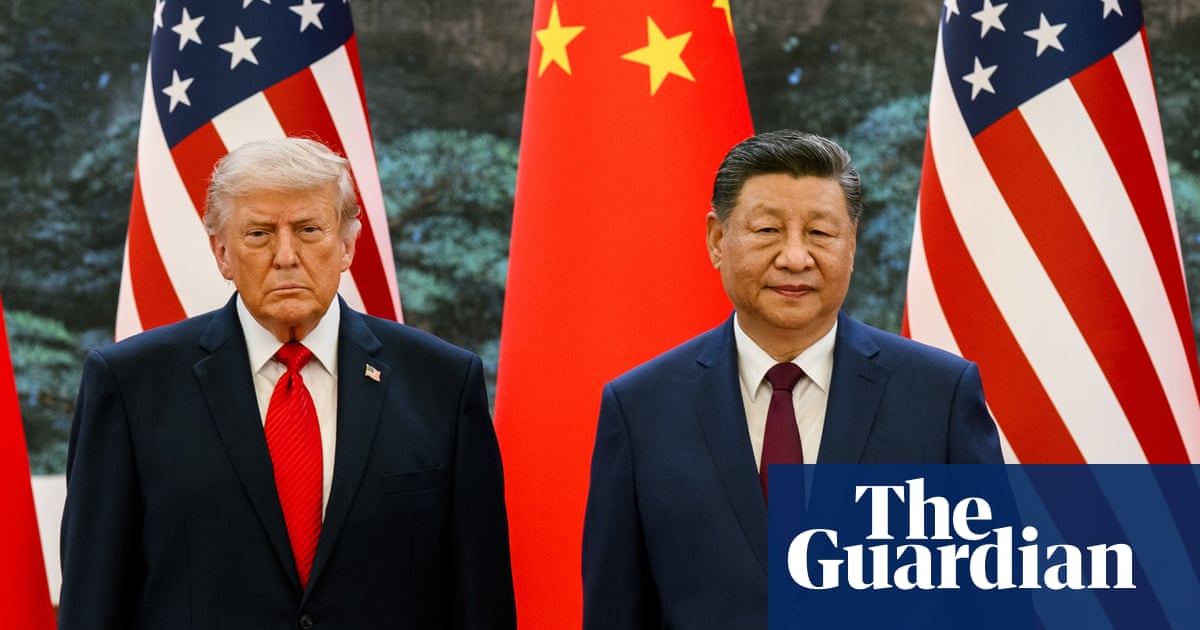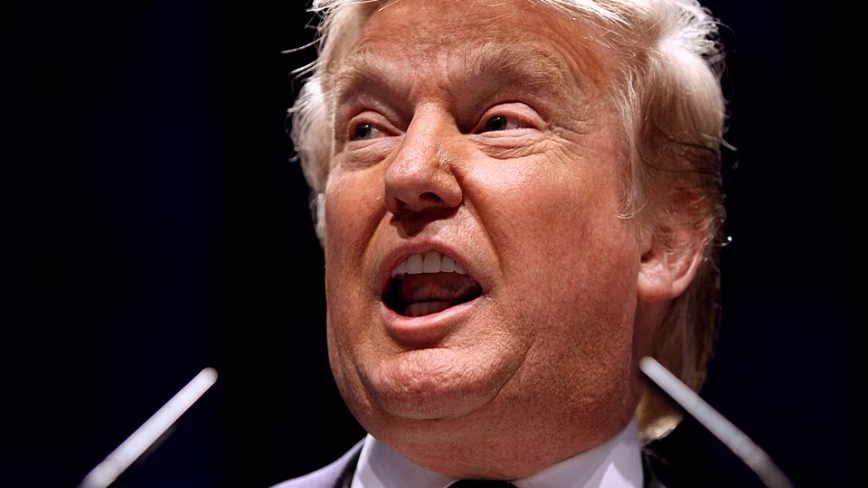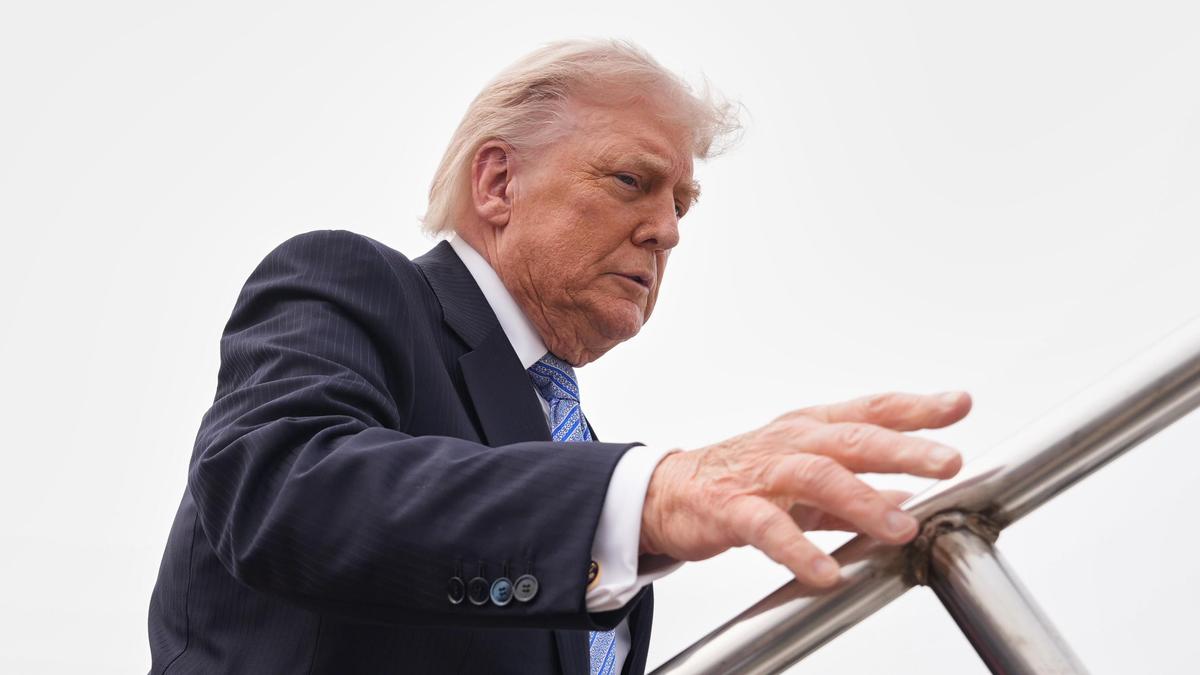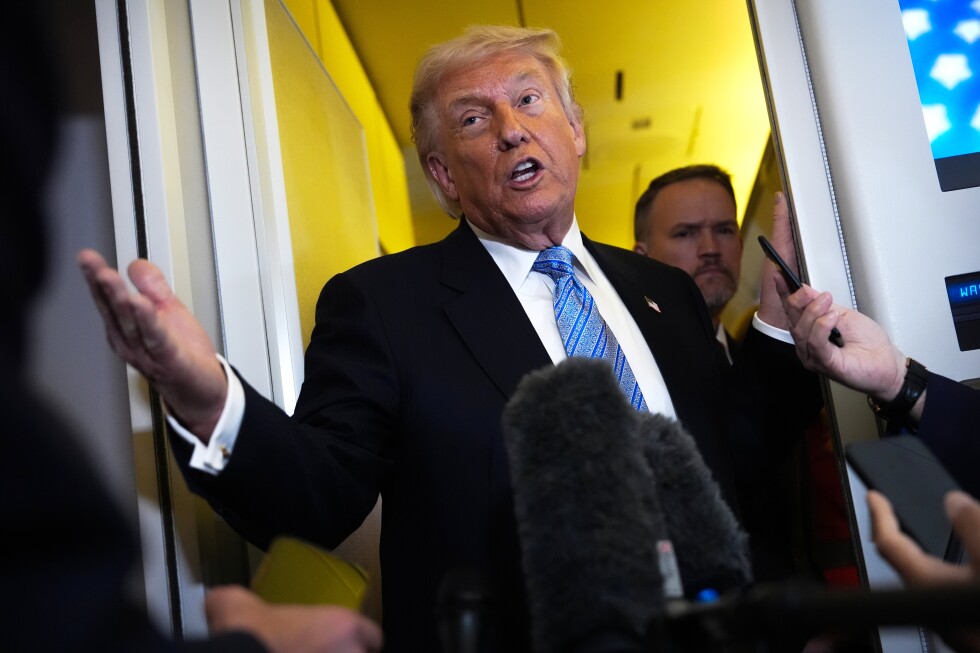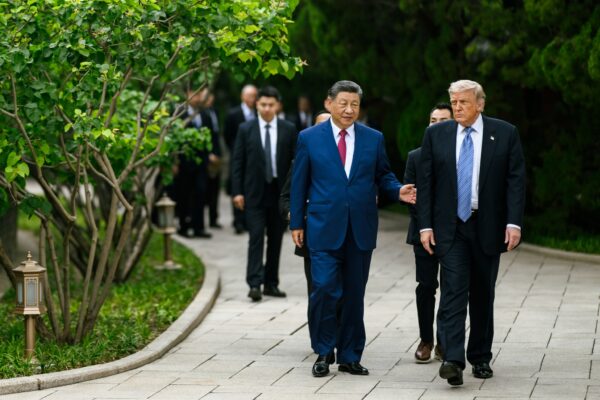
U.S. President Donald Trump recently concluded his two-day visit to Beijing, which he described as a “very successful” meeting with Chinese President Xi Jinping. Regarding Taiwan, Trump largely stayed within Washington’s long-held position of strategic ambiguity. Unlike former President Joe Biden, Trump did not proactively emphasize U.S. interest in Taiwan Strait stability. Nor did he make clear promises to Xi about how he would deal with Taiwan.
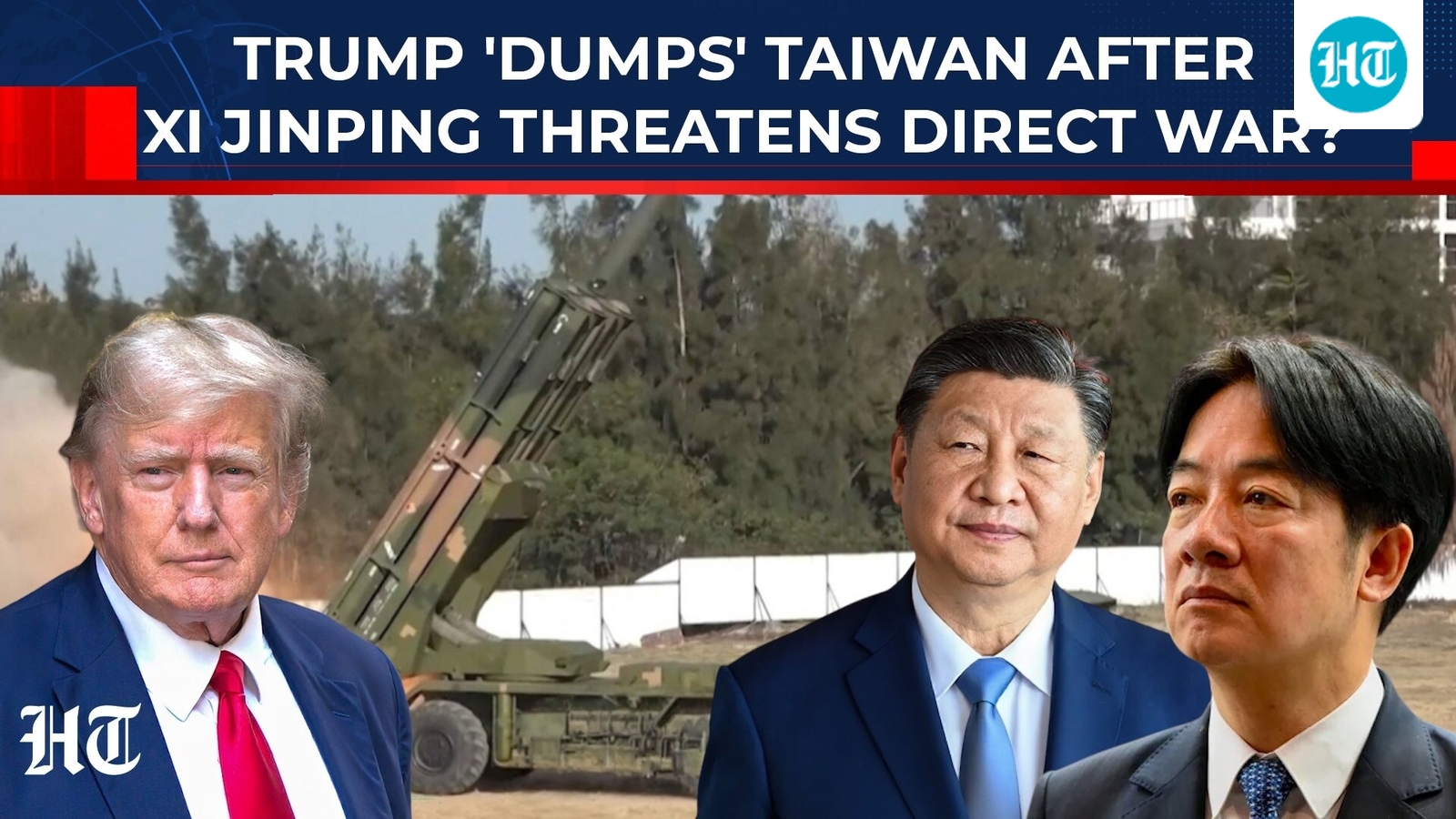
But the summit itself was not the decisive moment. The more consequential test will come afterwards, when Trump decides whether to proceed with $14 billion in U.S. arms sales to Taiwan. That decision will reveal whether Washington’s strategic ambiguity still includes meaningful military support for Taipei, and whether Beijing is prepared to punish any deviation from the stability framework it tried to establish with Trump.
The Trump-Xi summit, as expected, did not end with Washington formally changing its declaratory policy to “opposing Taiwanese independence.” Beijing instead used the meeting to reinforce its red line: the stability of China-U.S. relations depends on Washington’s handling of Taiwan.
Trump claimed he did not respond when Xi raised the issue of U.S. military support to Taiwan. Yet in another interview, he described U.S. arms sales to Taiwan as a “very good negotiating chip.” Chinese state-backed media have also highlighted Trump’s comment about not wanting to see Taiwan “go independent” with U.S. backing, language echoing Beijing’s accusation of Taipei “relying on the U.S. for Taiwanese independence.”