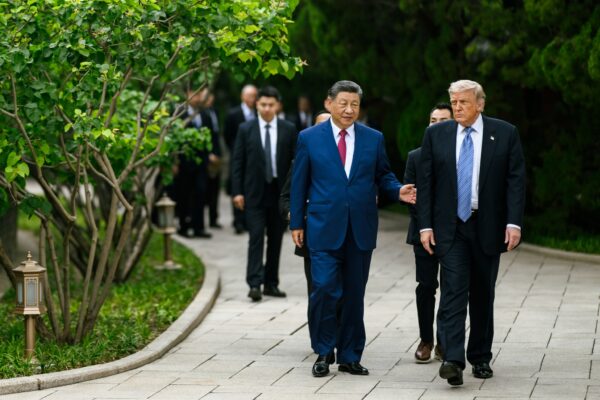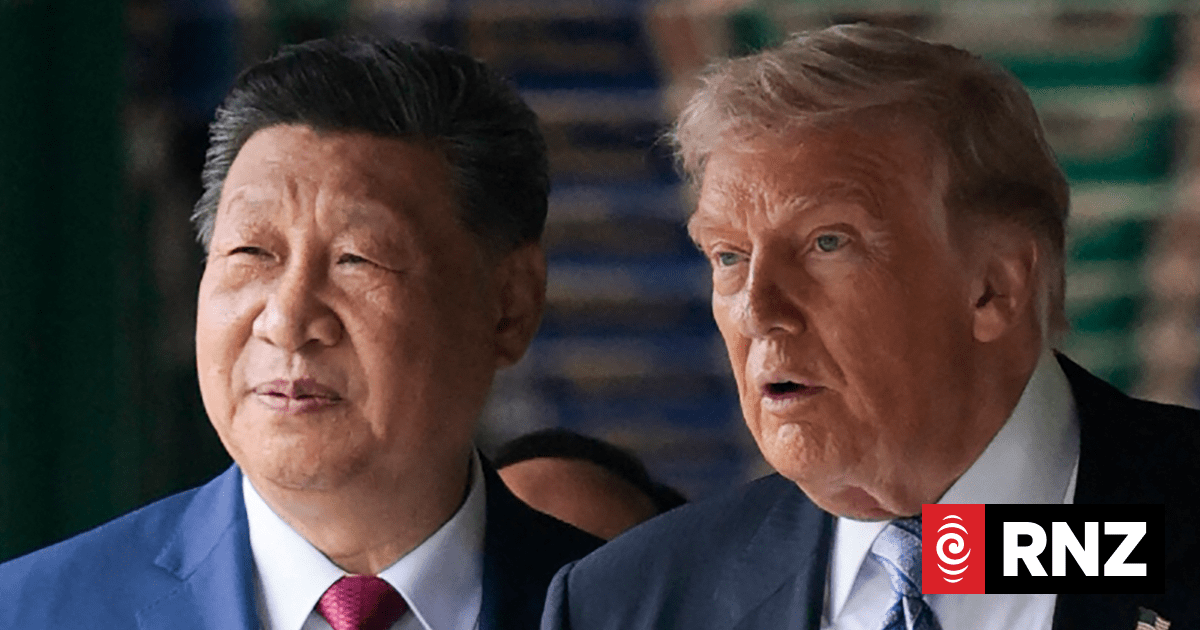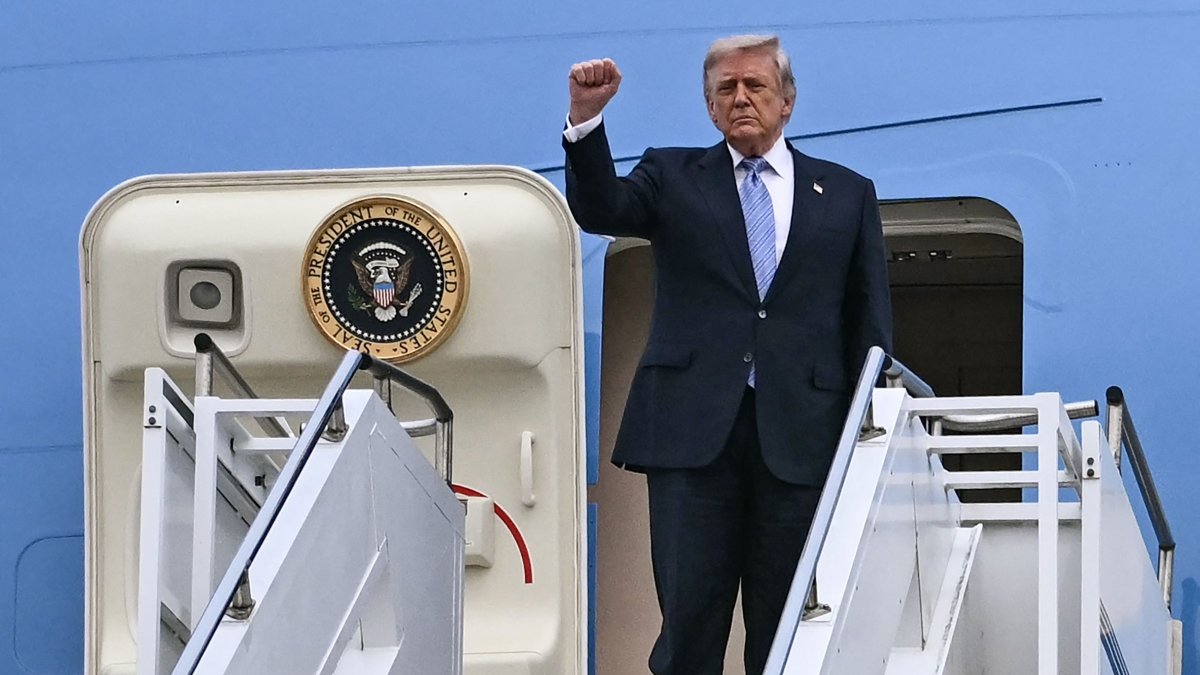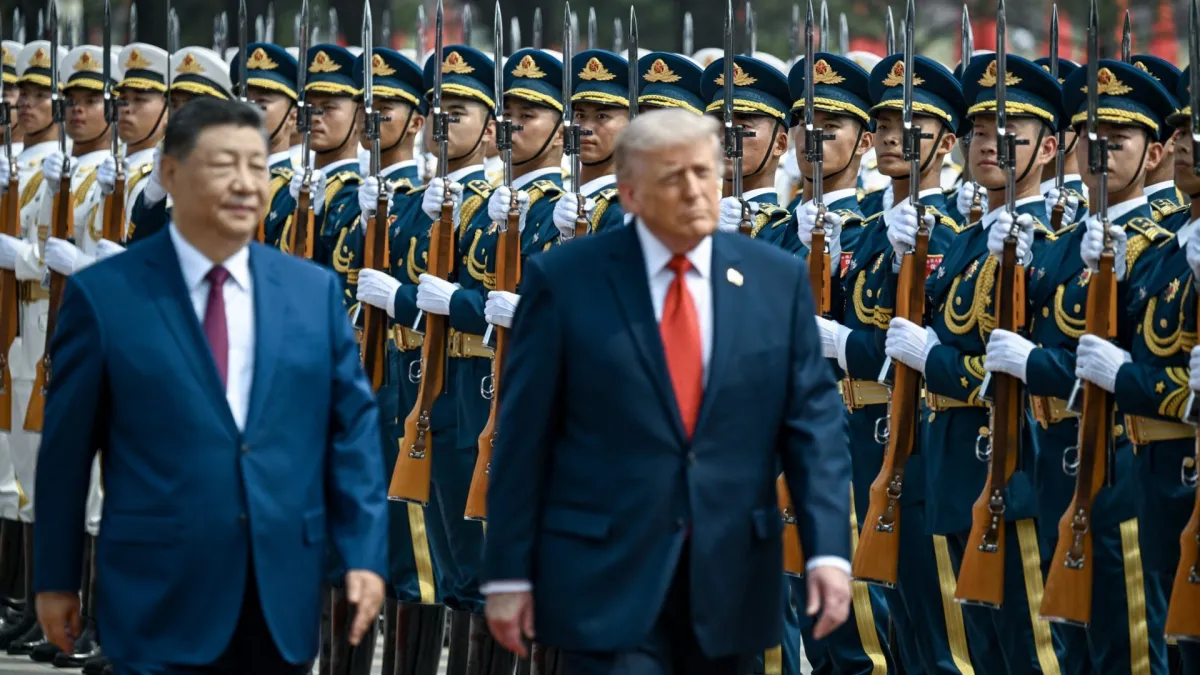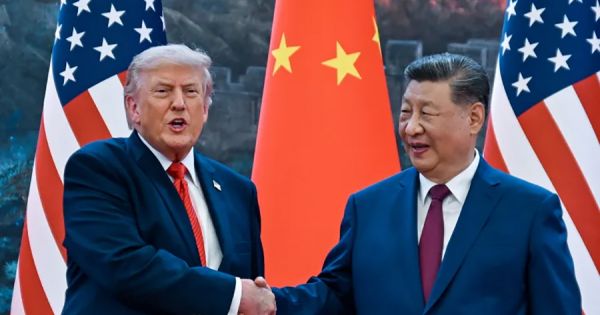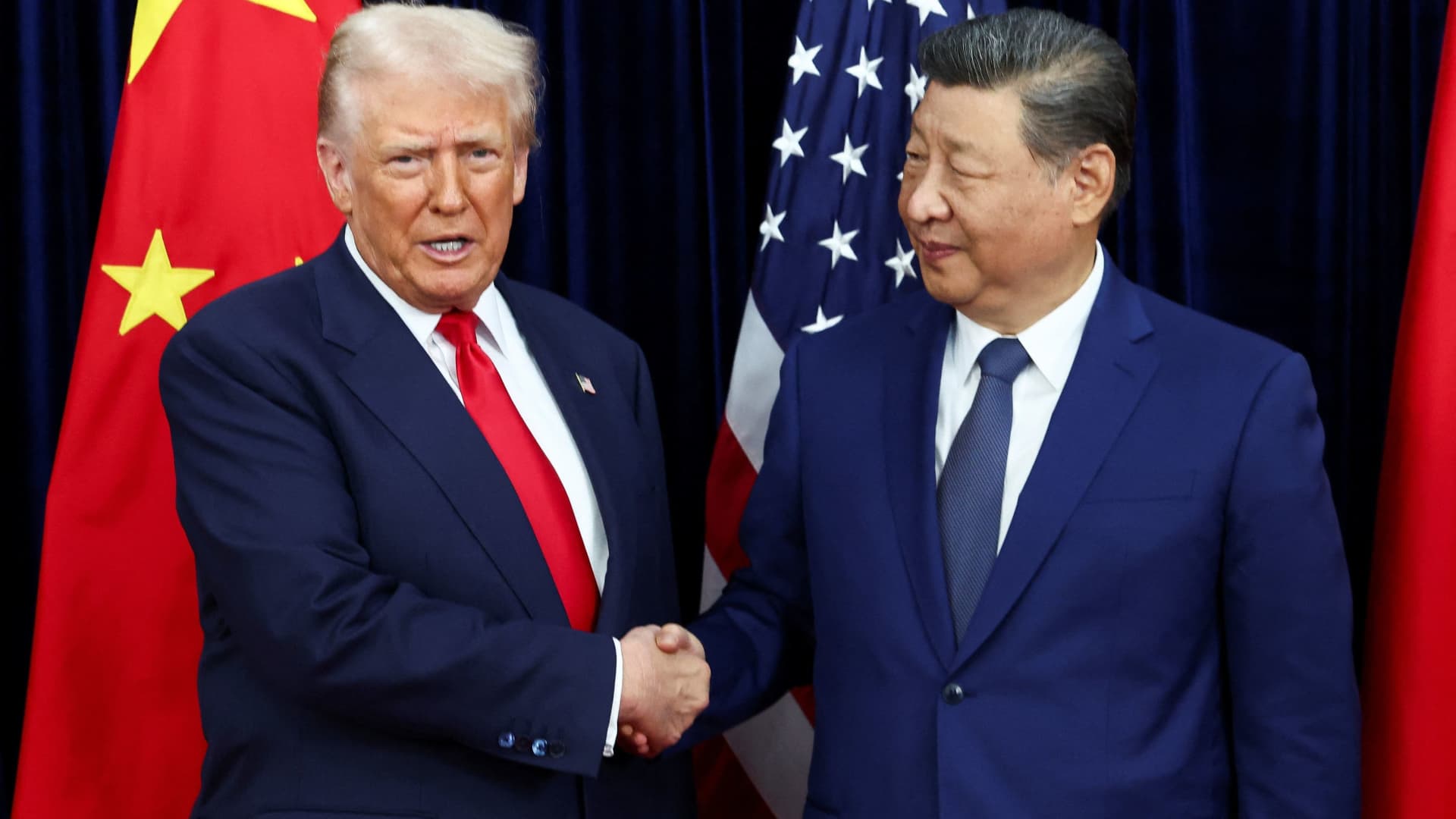
Both U.S. and Chinese officials tout President Donald Trump’s two-day visit to Beijing last week as a masterclass in pageantry and transactional diplomacy. Smiles were exchanged, lucrative trade deals were verbally committed to, and a fragile consensus was reached on stabilizing bilateral ties and managing global flashpoints such as the Iran crisis.Yet, beneath the diplomatic veneer, the entire architecture of the U.S.-China relationship remains precarious. Beijing has quietly but firmly hinged all these newfound diplomatic gains and trade results on a single, nonnegotiable issue: Taiwan.During the summit, Chinese President Xi Jinping issued a stark, unambiguous warning directly to the American delegation. Xi made it clear that if the Taiwan issue is handled properly, the U.S.-China relationship will grow and prosper. However, any mishandling of the issue will lead directly to clashes and even military conflicts.
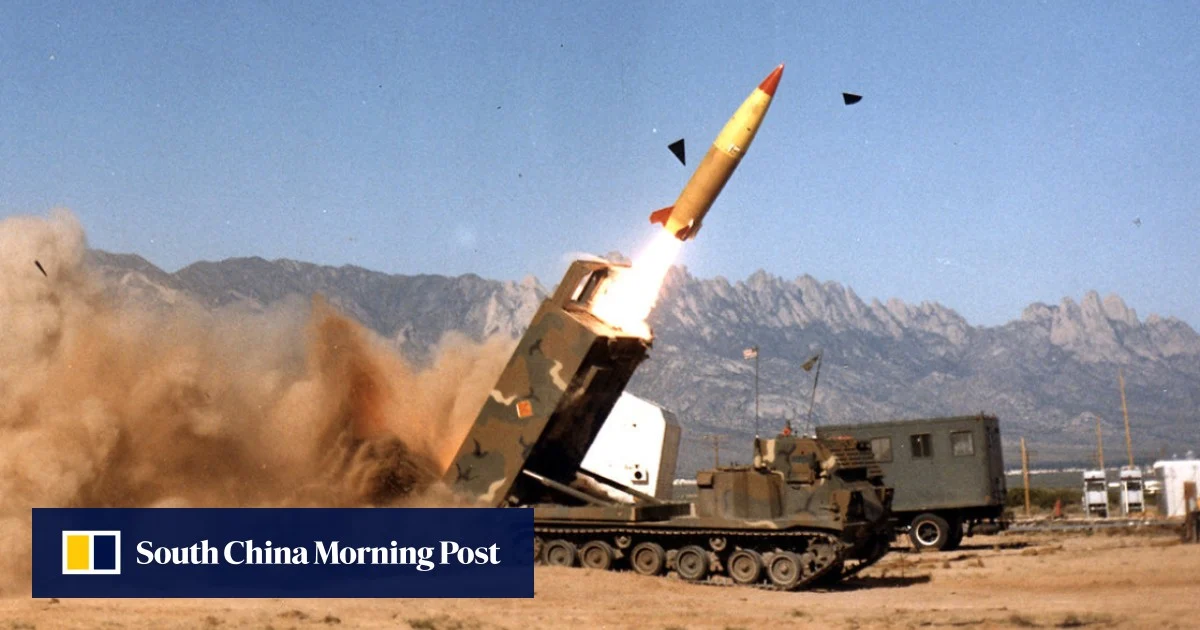
TRUMP LEAVES CHINA WITHOUT MAKING A ‘DETERMINATION’ ON TAIWAN ARMS SALE
While the U.S. side has publicly attempted to downplay this fiery rhetoric as standard Chinese posturing, Trump now faces an immediate, high-stakes “stress test” that will prove whether his Beijing triumph was substance or merely illusion.