Higher yields, better outcomes. This binary framing often defines Africa’s agricultural policy debate. The assumption is that if farmers receive better seeds, fertiliser, irrigation, extension services and finance, productivity will rise and markets will follow.
But China’s experience suggests a different lesson: yields do not rise sustainably without institutions that coordinate and discipline smallholder production. Production alone is not enough. Are smallholder farmers embedded in systems that coordinate production? Are standards enforced? After coordinating high-quality production, will yields connect to buyers? Will transaction costs eat into profits? And how much value remains locally after the farm-to-market cycle?
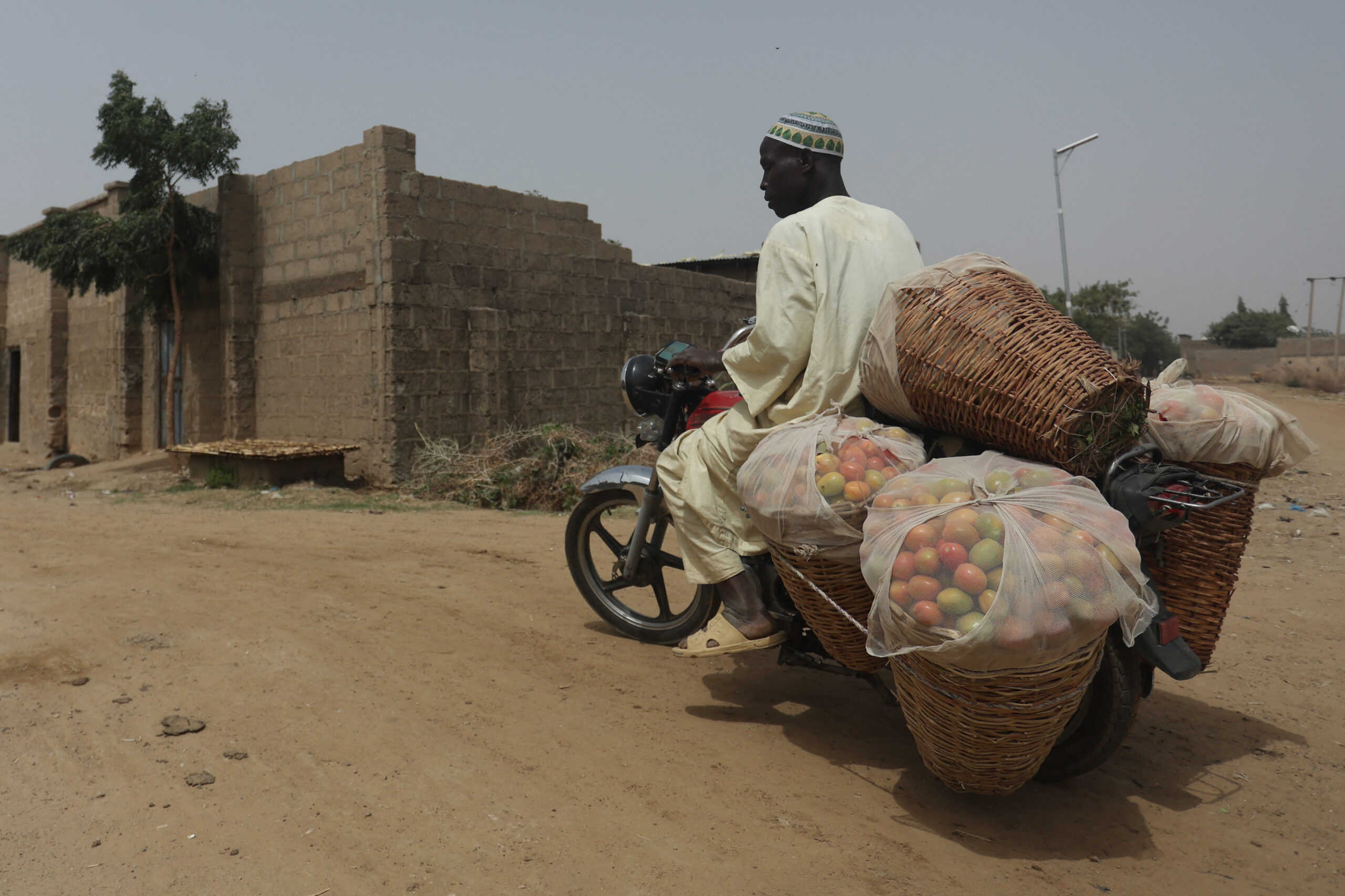
These issues matter deeply for Africa. Africa has an estimated 33 million small-scale farms producing about 70% of its food. Many operate on plots below two hectares, with limited access to finance, storage, processing, irrigation, mechanisation or reliable markets.
China, despite its size, is also a country of smallholders. Around 210 million farming households each operate roughly 0.5 hectares. Smallholder farms account for over 90% of agricultural production. The structural similarities are striking.