By Prosper Ibe
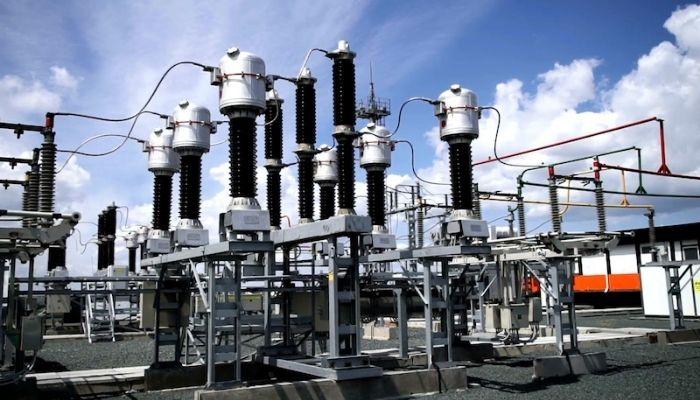
Across Africa, efforts to improve energy access often focus on increasing generation capacity, building new plants, expanding transmission networks, and integrating renewable sources. While these are necessary, they are not sufficient. The effectiveness of any energy system is ultimately determined not just by how much power it produces, but by how intelligently that power is managed, distributed, and adapted to real-world demand. This is where digital infrastructure becomes indispensable.
In modern systems, performance is rarely constrained by raw capacity alone. It is constrained by how well systems handle coordination, state, and real-time decision-making. In my experience building software systems that process millions of requests across distributed cloud environments, failures tend to emerge not from a lack of resources, but from the inability of systems to respond dynamically under changing conditions. Energy infrastructure across many African markets exhibits similar characteristics.
A key shift currently underway in global energy systems is the move toward decentralisation, where energy is no longer generated solely from large, centralised plants but also from distributed energy resources (DERs) such as solar installations, batteries, and electric vehicles. While this transition introduces flexibility, it also significantly increases system complexity. Managing thousands or even millions of distributed nodes requires a level of coordination that traditional grid systems were not designed to handle.