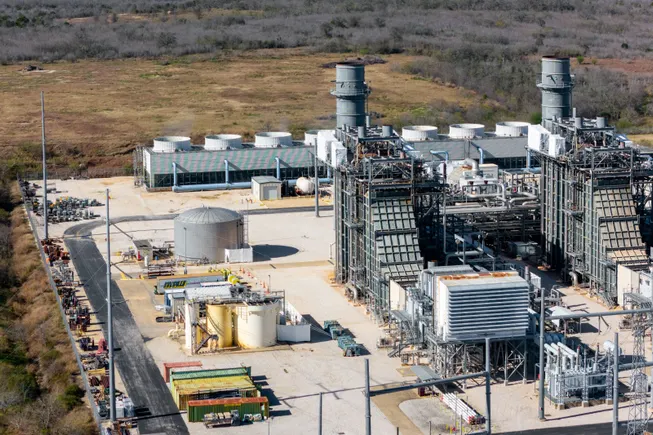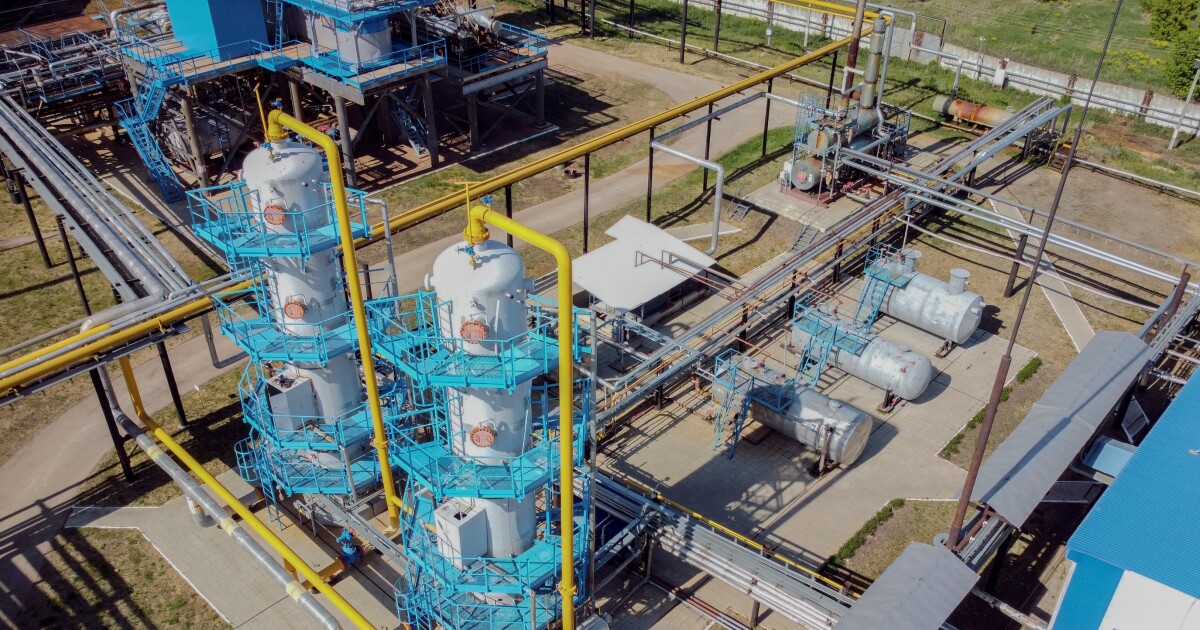
Natural gas producers have spent decades developing pipelines, securing land and building infrastructure across many of the world’s most resource-rich regions. That foundation is now being tested by a new class of power demand driven by digital infrastructure and development timelines.
This is reshaping how projects are conceived and delivered. What’s changing is simply not where power is sourced; it’s how power is planned, delivered and operated. These demands cannot be addressed through a single solution, and the competitive advantage lies with organizations drawing generation, fuel supply, storage and infrastructure into integrated systems that can be delivered reliably and expanded over time.
From an engineering and project delivery perspective, this shift requires gas producers and energy companies to treat generation, fuel supply and infrastructure as a single, integrated system, with engineering and construction supporting long-term performance and adaptability to scale solutions across regions.
Integrated Systems
Growing demand is increasing complexity and raising the cost of addressing constraints in isolation. Optimizing for just speed, fuel access or power availability at once often shifts risks elsewhere in the system. What initially appears to be a straightforward generation challenge can quickly expand to include fuel logistics, storage strategies and infrastructure interdependencies. In the end, the system must ultimately perform as a whole.