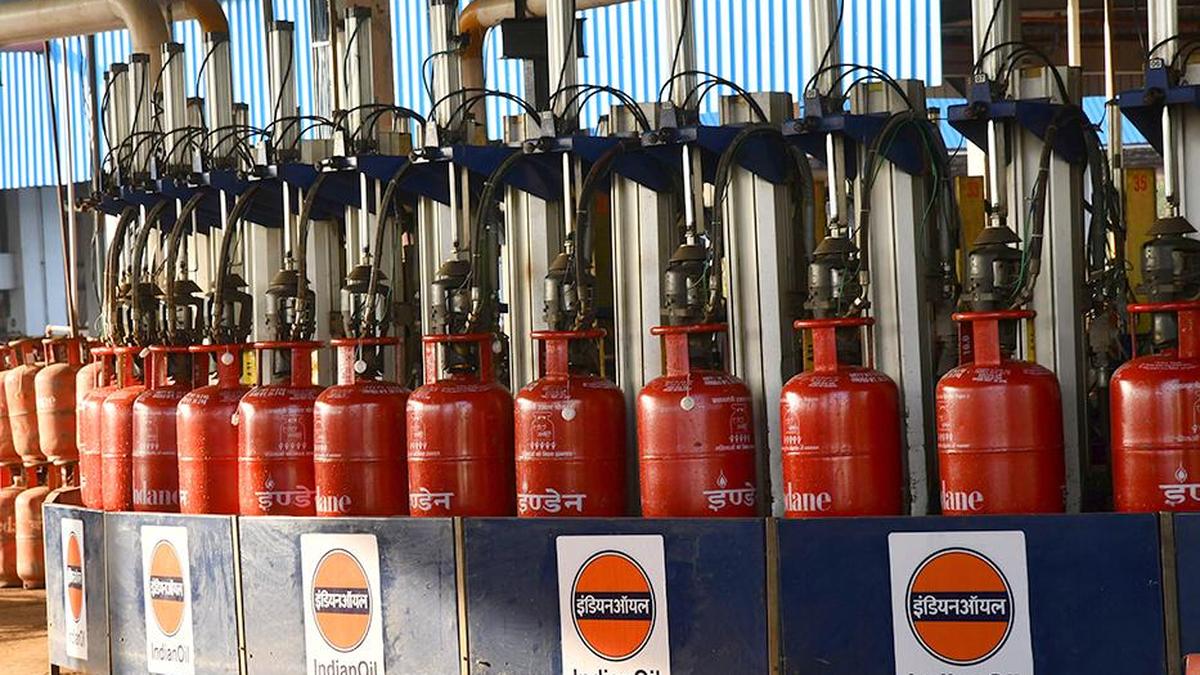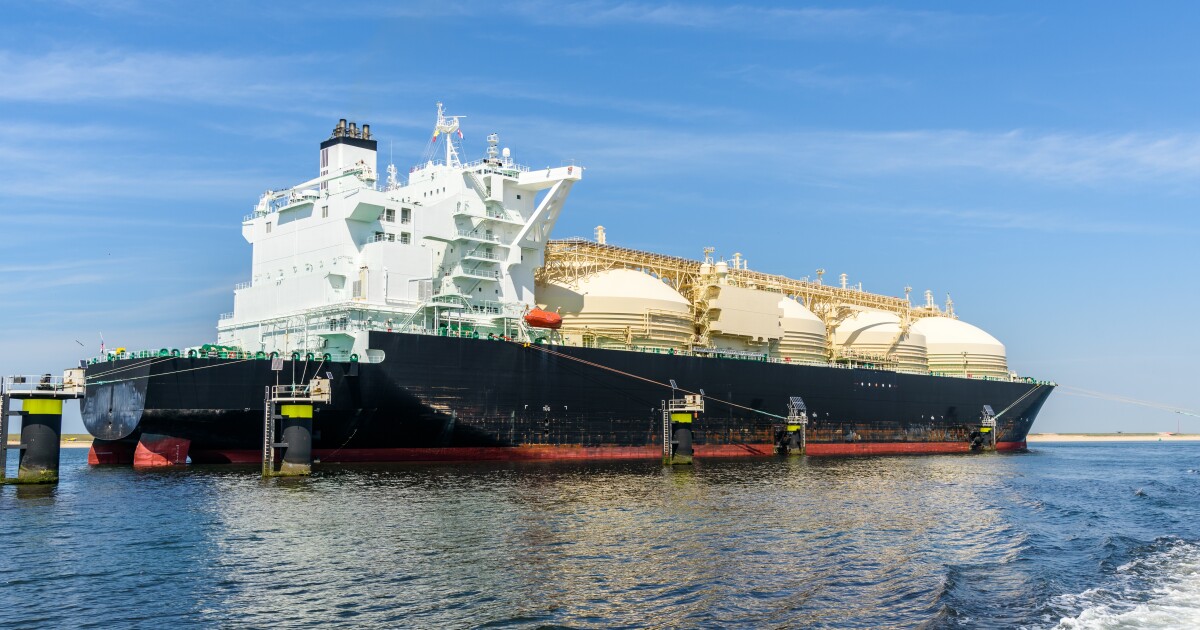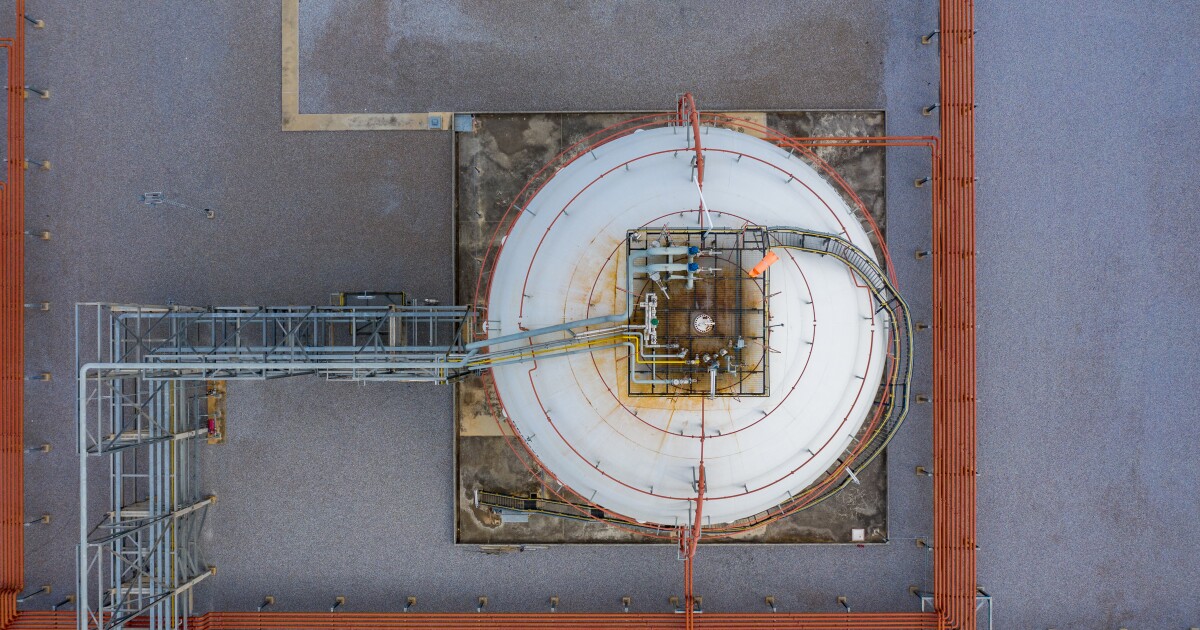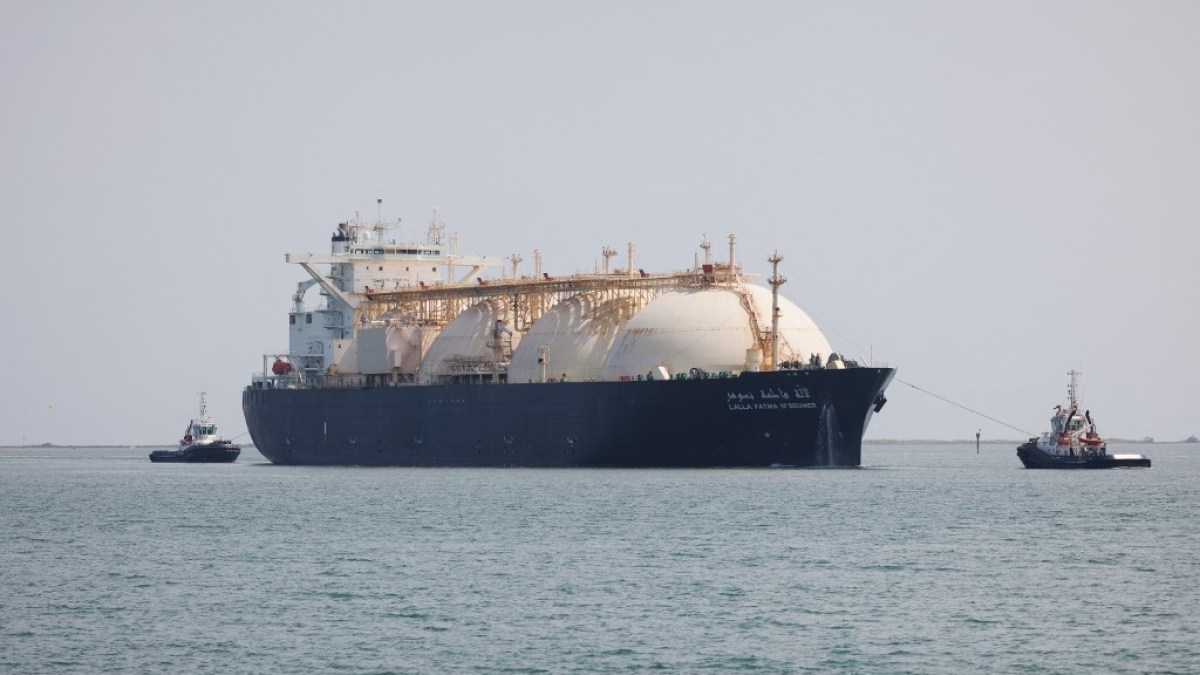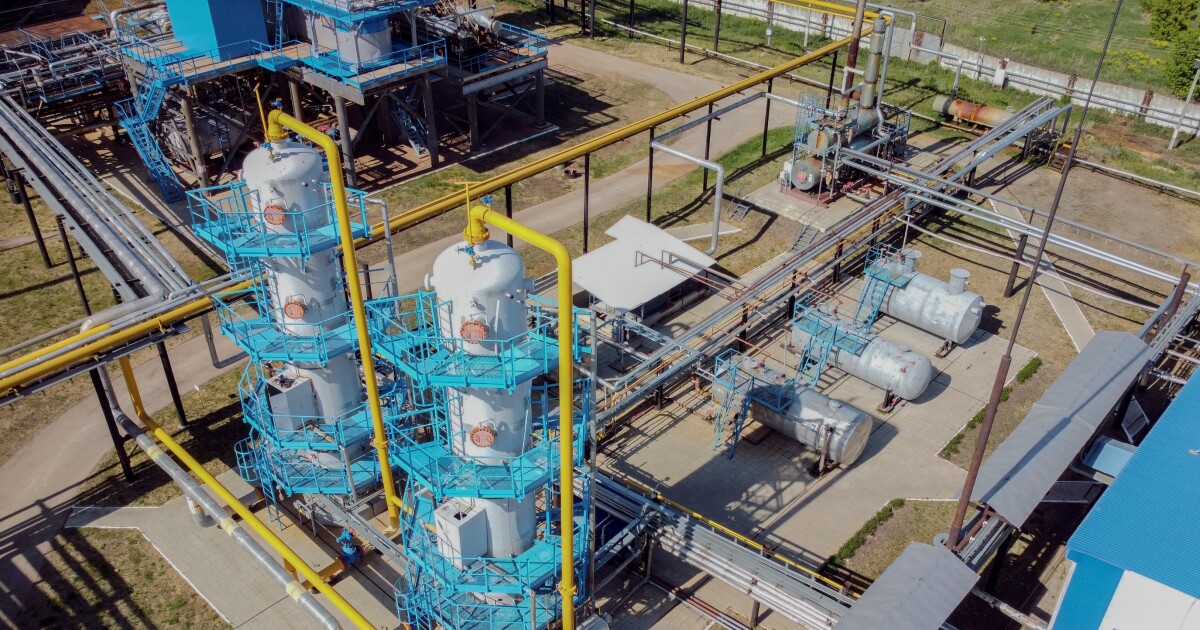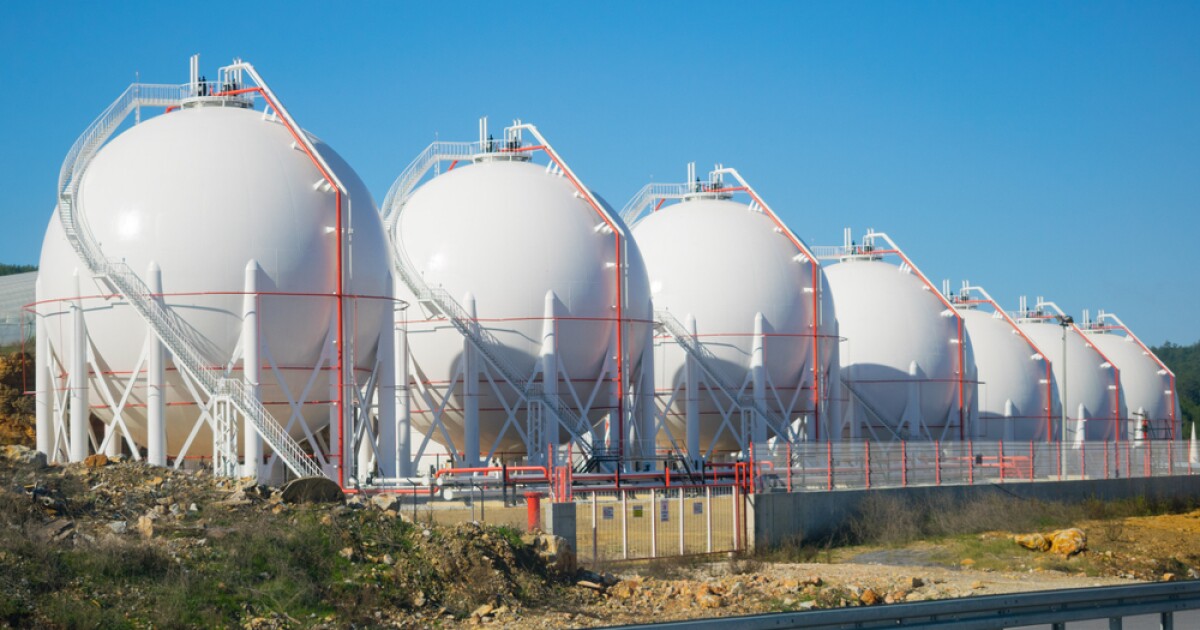
As the world accelerates its push toward decarbonization, the conversation remains focused on wind, solar and hydrogen. Yet, for large swathes of the developing world, a more immediate and overlooked enabler of the clean energy transition is LPG. Often marginalized in global energy debates, LPG is in fact a critical tool for expanding energy access, improving public health and reducing environmental degradation in low- and middle-income countries.
In many parts of South Asia, sub-Saharan Africa and the Middle East, LPG offers a scalable and efficient alternative to traditional biomass fuels such as wood and charcoal. Its adoption reduces household air pollution — a leading cause of premature death, particularly among women and children — by eliminating smoke from open-fire cooking. It slows deforestation by reducing the need to harvest trees for fuel and cuts black carbon emissions, a short-lived climate pollutant with a powerful warming effect, generated when biomass burns inefficiently.
While fossil-derived LPG is not a low-carbon fuel, it delivers clear climate co-benefits when deployed as a transition energy source. These include lowering particulate matter emissions, reducing overall CO2 intensity per unit of energy, preserving forests that act as carbon sinks, and, in some contexts it replaces higher-emission fuels like coal or kerosene — which have greater negative impacts on health, climate and the environment due to their polluting nature.