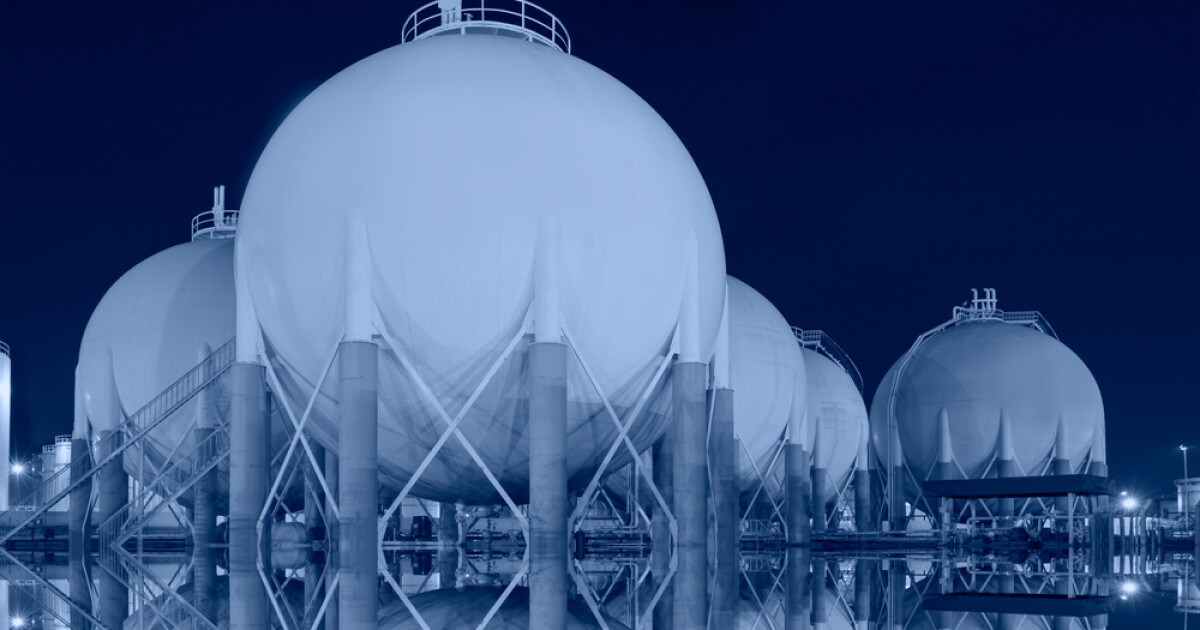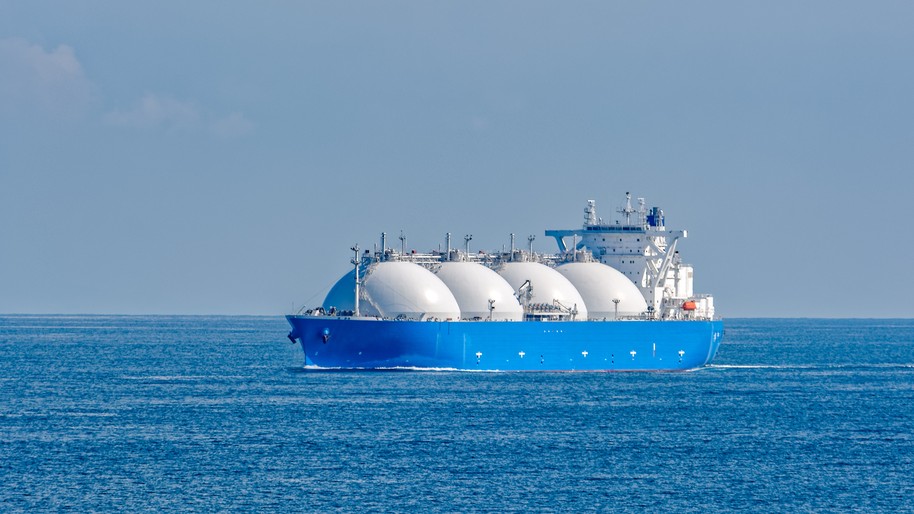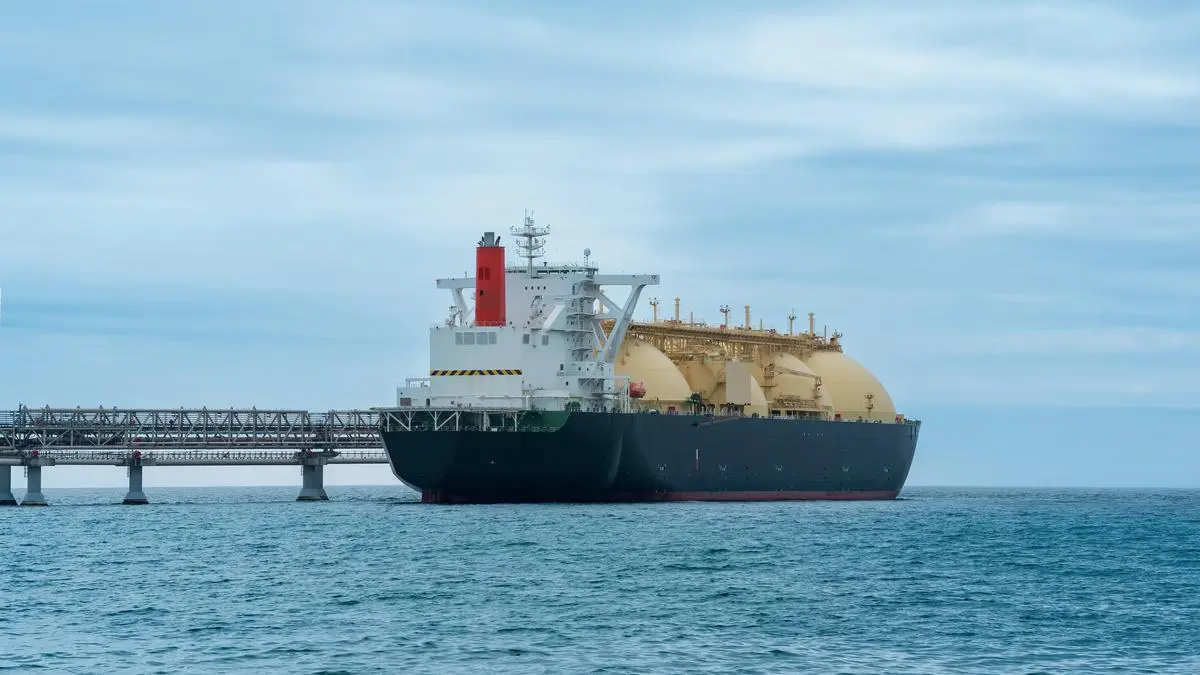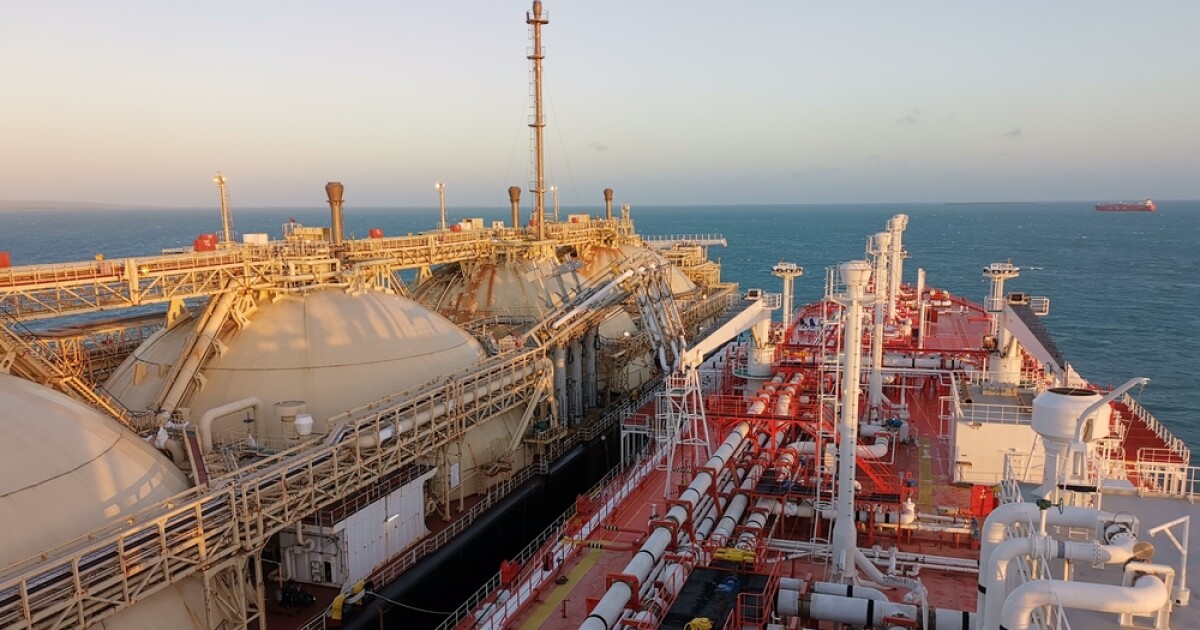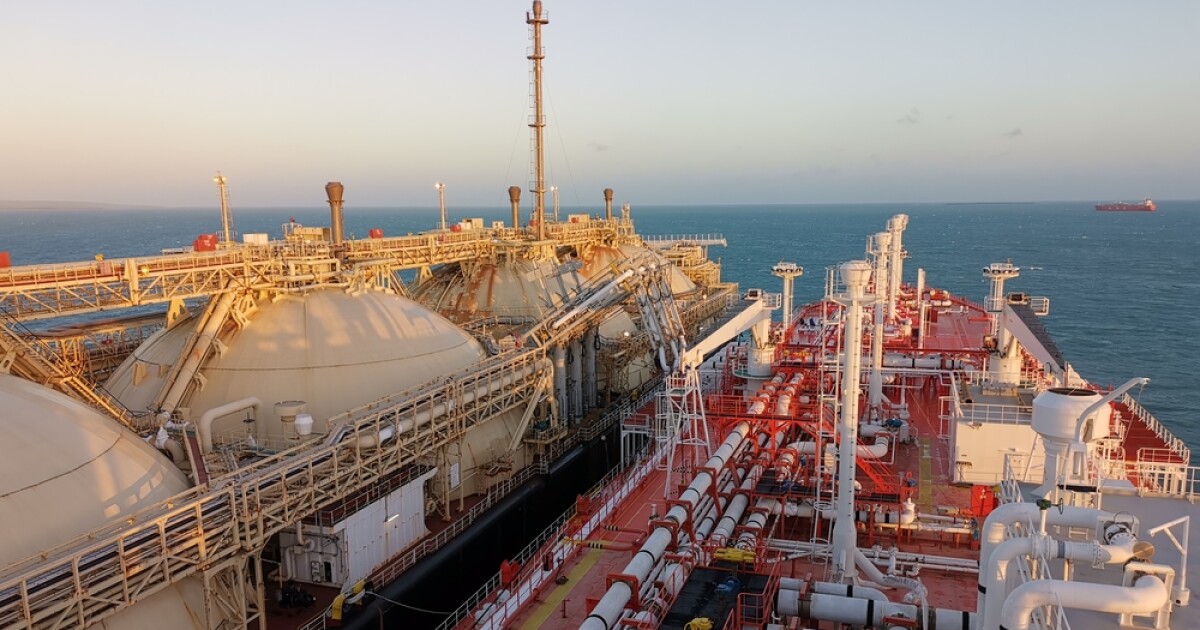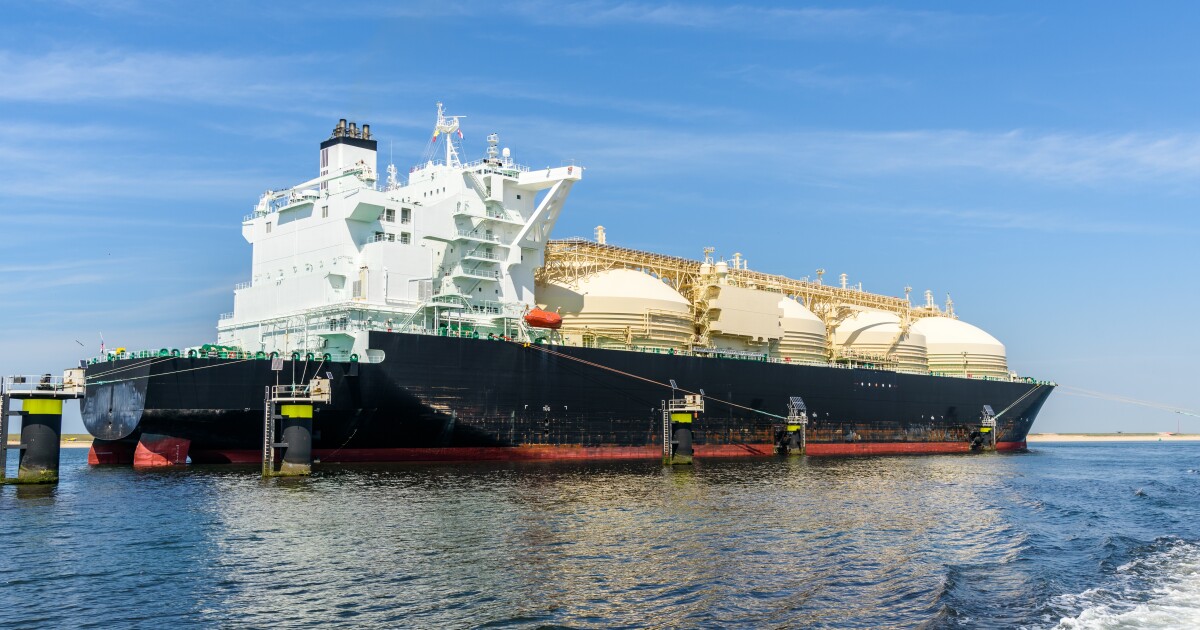
The global LNG market continues to grow, with increasing energy security demands and its status as a lower-carbon fuel. But geopolitical instability, trade tensions and looming supply overhangs threaten to disrupt that trajectory. Without decisive action, the industry risks repeating the costly missteps of oil refining in the late noughties, where underinvestment and eroded risk standards led to historic losses.
A Shifting Trade Landscape
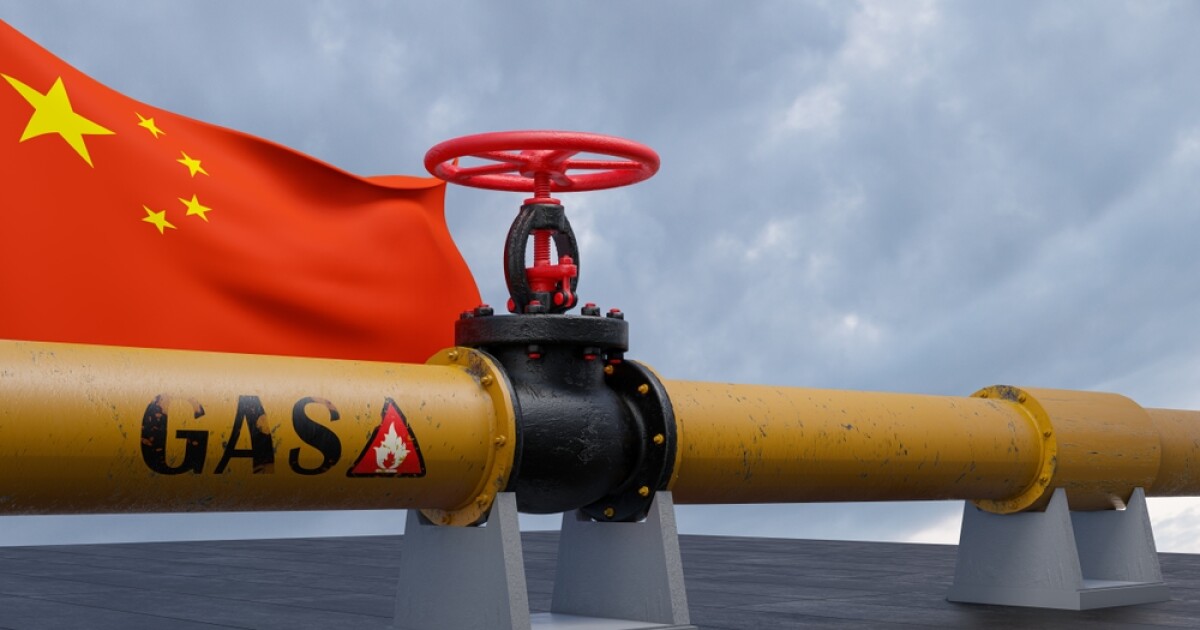
The rise of protectionist trade policies, particularly among major economies, is already reverberating through global energy markets. While tit-for-tat tariffs have eased recently, broader geopolitical tensions — particularly between the US and China and across the Middle East — continue to complicate long-term energy planning, China, a key LNG importer, is actively diversifying its supply base, opening the door for non-US exporters to deepen ties with Asian buyers.
LNG’s long-term outlook remains positive, anchored in its role as a low-carbon transition fuel, but short-term volatility could undercut export ambitions, particularly for US producers betting on scale and pricing power.
Strong Fundamentals — But Not Guaranteed