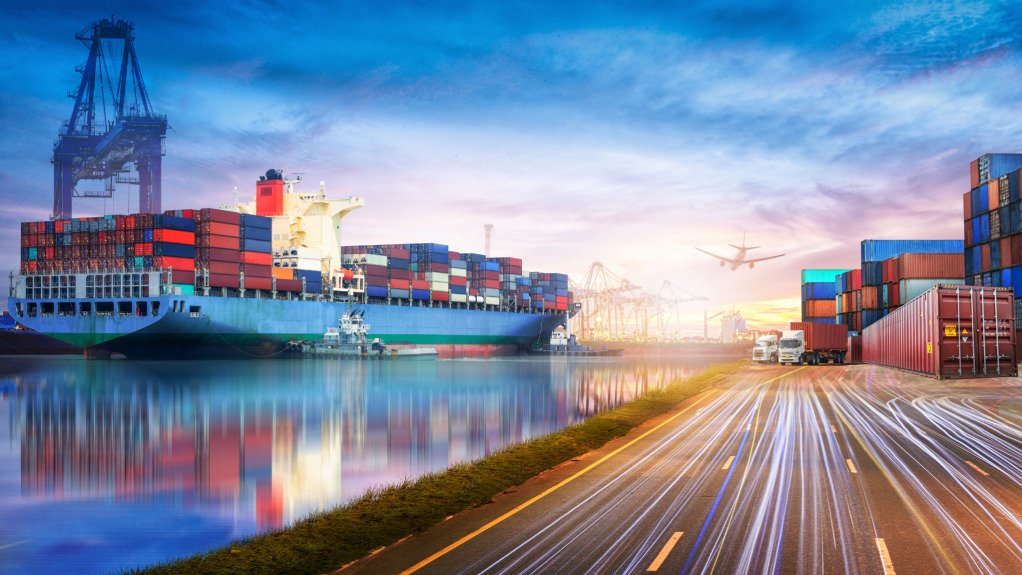
Africa’s growing economies and expanding regional trade are creating a strong demand for modern, integrated infrastructure. Efficient ports, reliable energy systems, and seamless transport corridors are increasingly central to supporting the movement of goods, people, and capital across the continent.
Estimates by the Africa-Europe Foundation, in collaboration with the African Union Development Agency (AUDA/NEPAD), indicate that Africa requires more than $130 billion annually in infrastructure investment, presenting significant opportunities for institutions such as African Export-Import Bank (Afreximbank) to catalyse transformative projects that support trade and industrialisation.
For decades, governments have attempted to close this gap largely through public borrowing. But that model is now under strain. Rising debt-servicing costs, tighter global financial conditions, and growing fiscal pressures have sharply constrained the ability of African states to finance large infrastructure projects on their own.
The result is a paradox: Africa urgently needs infrastructure to industrialise, trade, and grow, yet many governments can no longer afford to build it alone.
Historically, African infrastructure development relied heavily on sovereign-led financing, often driven by bilateral or non-African multilateral lenders. While this approach delivered major assets such as roads, dams, and railways, it also left governments carrying significant debts and operational risks.