ZOÉ VADIM
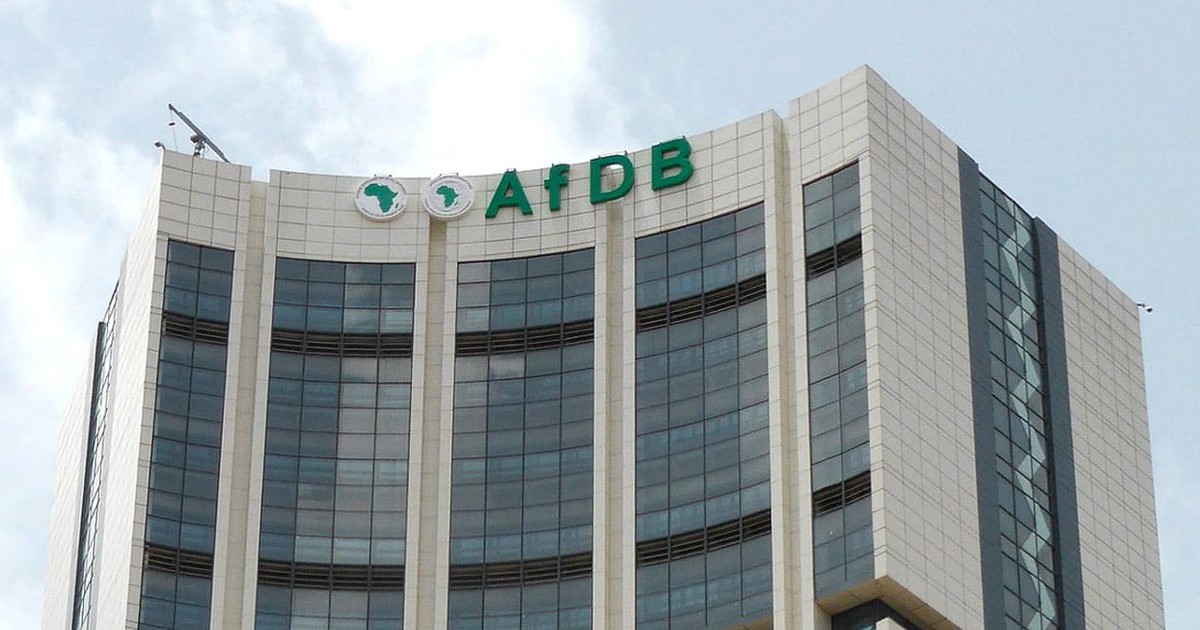
On April 9, while the international cooperation community focused on Washington for the World Bank's Spring Meetings and the International Monetary Fund, another event that could prove far more significant for Africa's future took place in the economic capital of Côte d'Ivoire. The Abidjan Consensus was signed by political leaders and financiers under the auspices of the African Development Bank. This founding bill for a new African financial architecture for development is described as a "shared, continent-wide framework for reorganizing how capital and risk are mobilized, structured and deployed." As official development assistance continues to dwindle, "this is likely the major response, the one that will ease us from financial dependence," said Carlos Lopes, an economist specializing in the continent.
The Abidjan Consensus is based on the premise that, although Africa has significant domestic savings estimated at nearly $4 trillion, this capital, managed by pension funds, sovereign wealth funds and insurance companies, is not being invested sufficiently on the continent. The reasons for this are underdeveloped financial markets and a lack of risk-sharing mechanisms.
You have 79.53% of this article left to read. The rest is for subscribers only.