https://arab.news/9zrc5
Across Africa, debt restructuring continues to dominate the policy agenda. Swings of more than $11 billion in the debt service positions of Ethiopia and Ghana underscore why: With restructuring negotiations often lasting years, countries remain vulnerable to external shocks and their resilience depends significantly on the currencies with which they operate.
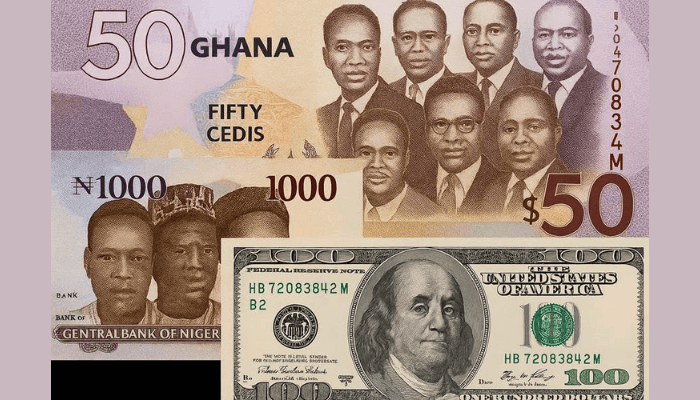
Ghana’s cedi appreciated about 40 percent against the US dollar in 2025 thanks to the government’s recent efforts to build up the country’s gold reserves. This reduced the country’s external debt burden by $14 billion — more than 24 percent of the total. Ghana’s debt is now approaching the target, set by the International Monetary Fund, of 55 percent of gross domestic product, three years ahead of schedule.
However, the IMF still considers Ghana to be at high risk of debt distress because the currency gains may prove temporary. The US dollar could, after all, rally, though gold does appear to be on a consistently upward trajectory. In any case, markets are now charging less than 7 percent interest on Ghana’s eurobonds, a 300 basis-point decrease from last May, though the benefits are not likely to be passed on to a population that has endured a painful fiscal adjustment in recent years.