https://arab.news/6h6ad
Africa’s sovereign debt crisis is not merely a story of fiscal mismanagement or external shocks. It is amplified by a systemic anomaly: The continent pays more to borrow than its peers with comparable economic indicators.
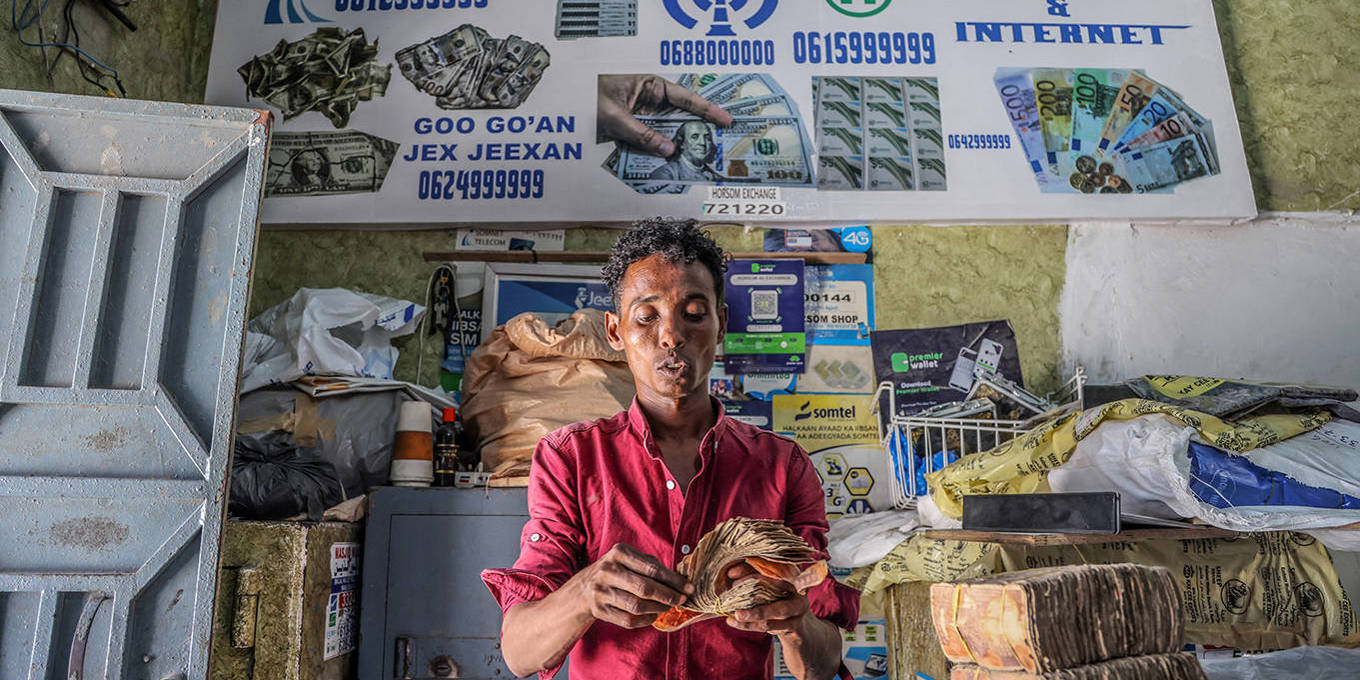
This penalty, often termed the “African premium,” costs the region an estimated $24 billion annually in excess interest payments, and has deprived it of more than $46 billion in potential lending. With 20 low-income African nations in or near debt distress, and 94 percent of rated African sovereigns downgraded over the past decade, the search for solutions appears to be culminating in the establishment of an African Credit Rating Agency, or AfCRA for short.
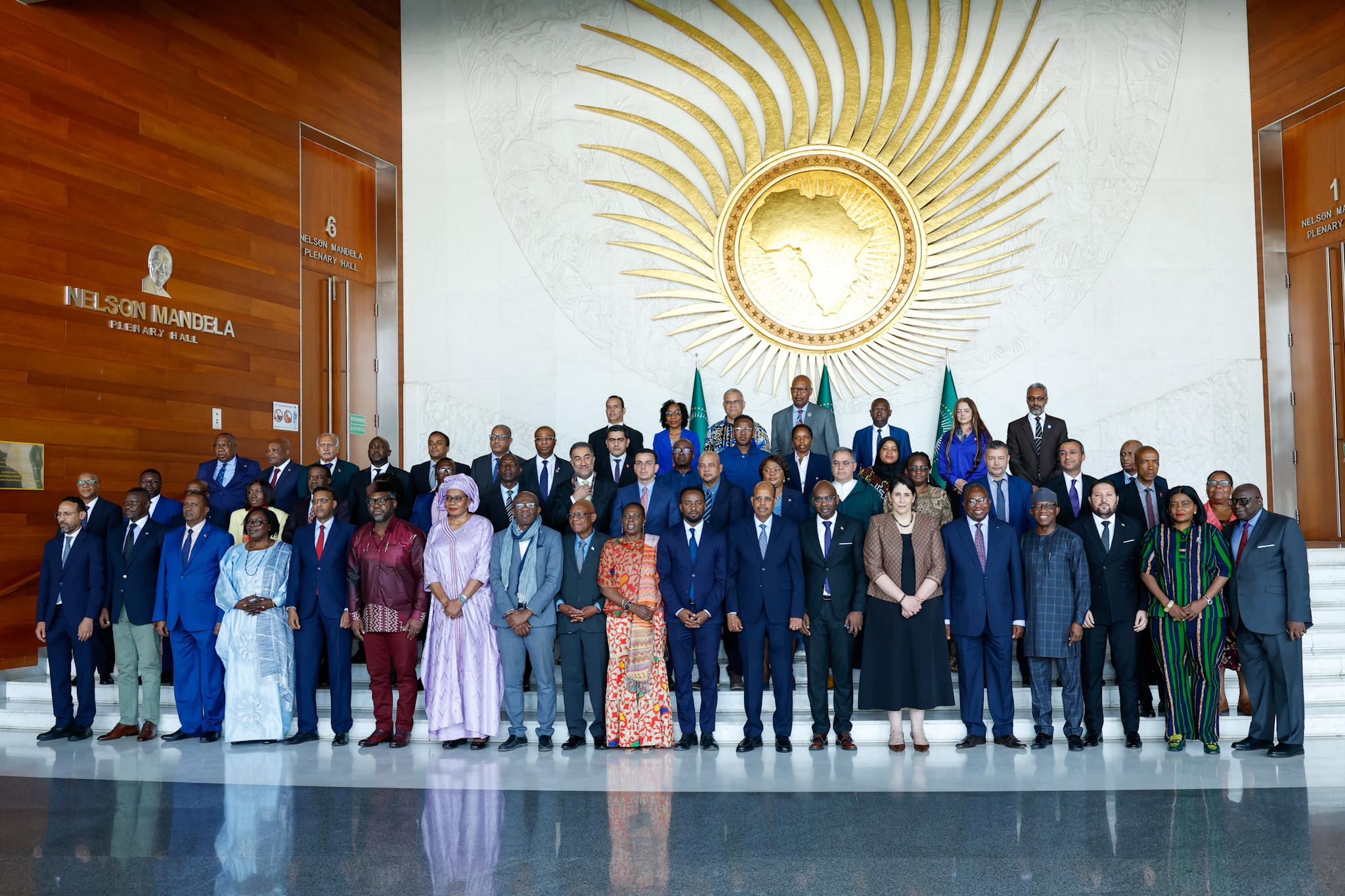
For now, the move is being framed as both a corrective measure and a symbol of financial sovereignty. Yet while politically sound, it faces profound operational and philosophical challenges. Even if the ambition to establish the agency is framed as a bold act of sovereignty, the terrain it seeks to conquer is littered with the wreckage of similar aspirations in richer, better-equipped regions.
Granted, the financial logic behind the move is well-established: Africa’s sovereign debt is routinely mispriced, with subjective and often opaque assessments by the “Big Three” credit rating agencies — Moody’s, Fitch and S&P — inflating risk perception and pushing average borrowing costs ever higher.