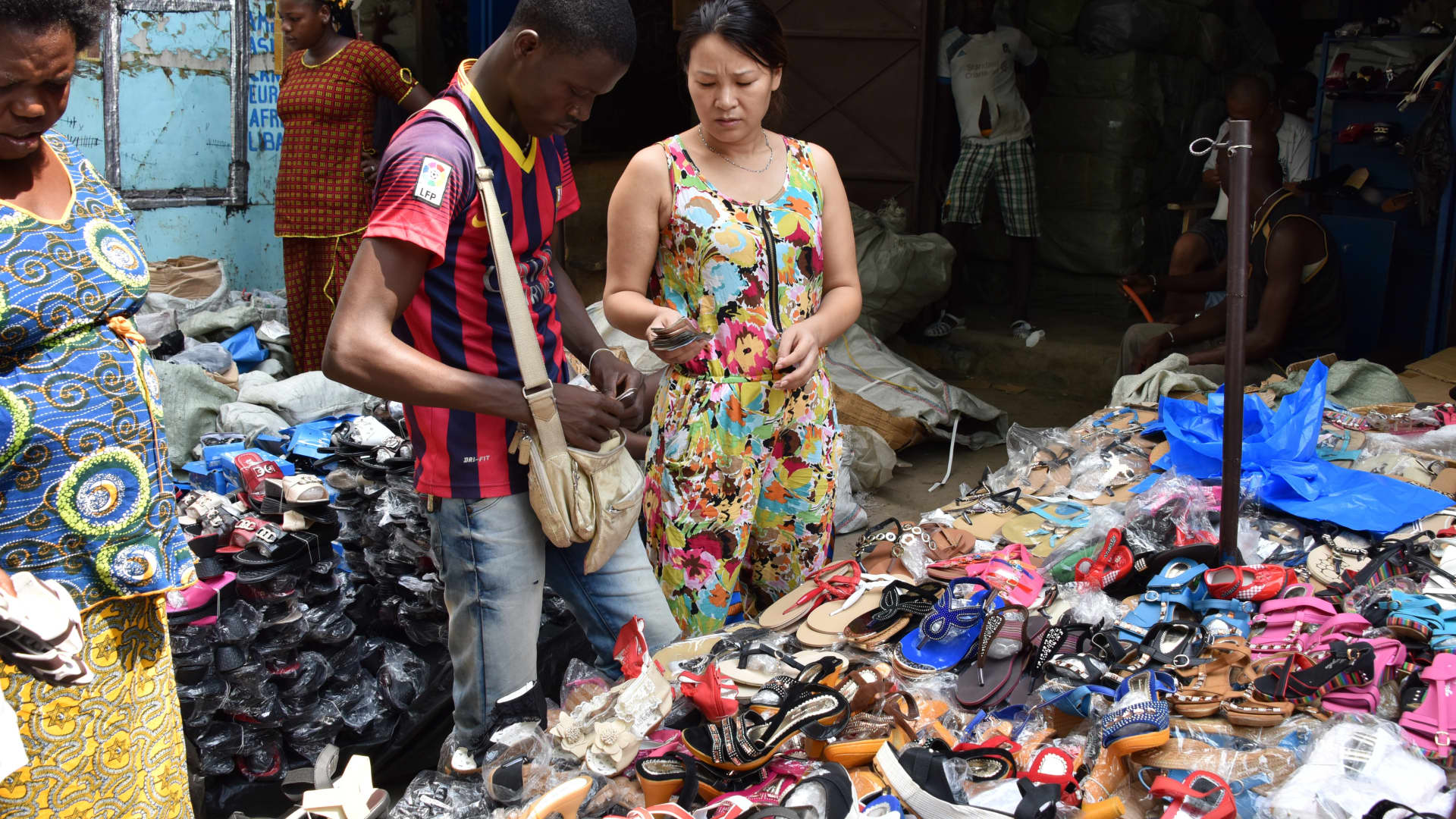
Chinese business dealings in Africa, once dominated by state-owned enterprises, are now increasingly shifting toward consumer products from the private sector.
While Africa’s faster-growing economies, such as Kenya, Uganda and Zambia, see annual growth rates of 4.8%, 6.4% and 5.8%, respectively, the GDP of the overall continent’s 50-plus countries is 4.1%. That is according to IMF’s economic outlook report last month.
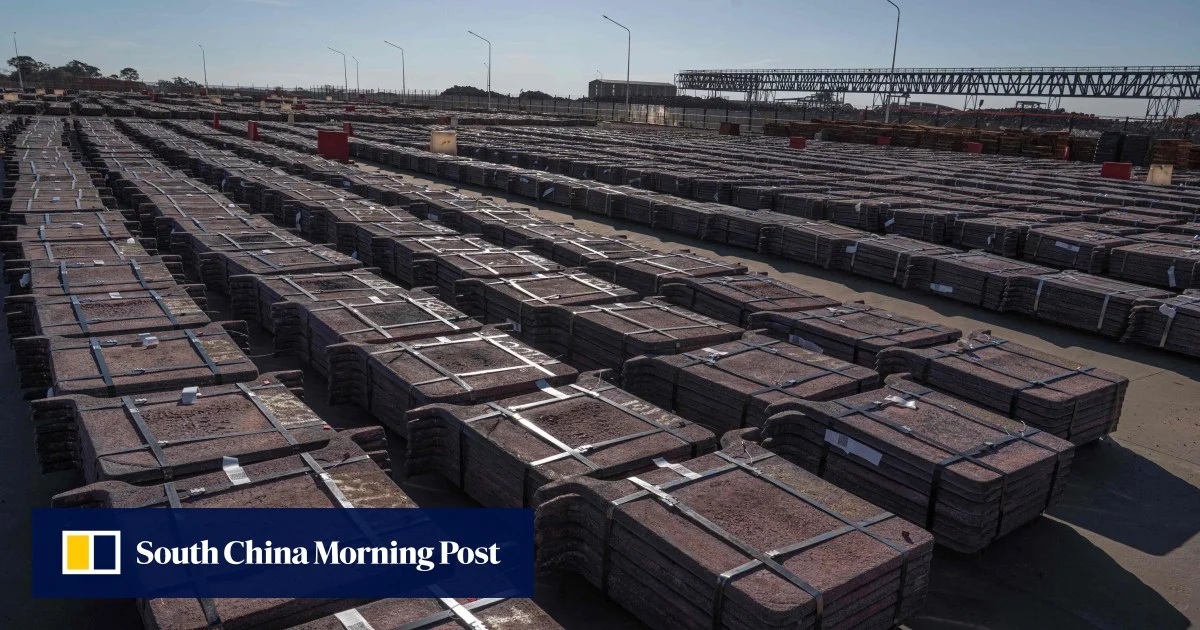
Chinese investments in Africa’s resource-intensive sectors have declined by roughly 40% since their 2015 peak, amid weaker returns and falling construction revenues in traditional commodity industries, according to Rhodium Group China Cross-Border Monitor released on Nov. 18 this year.
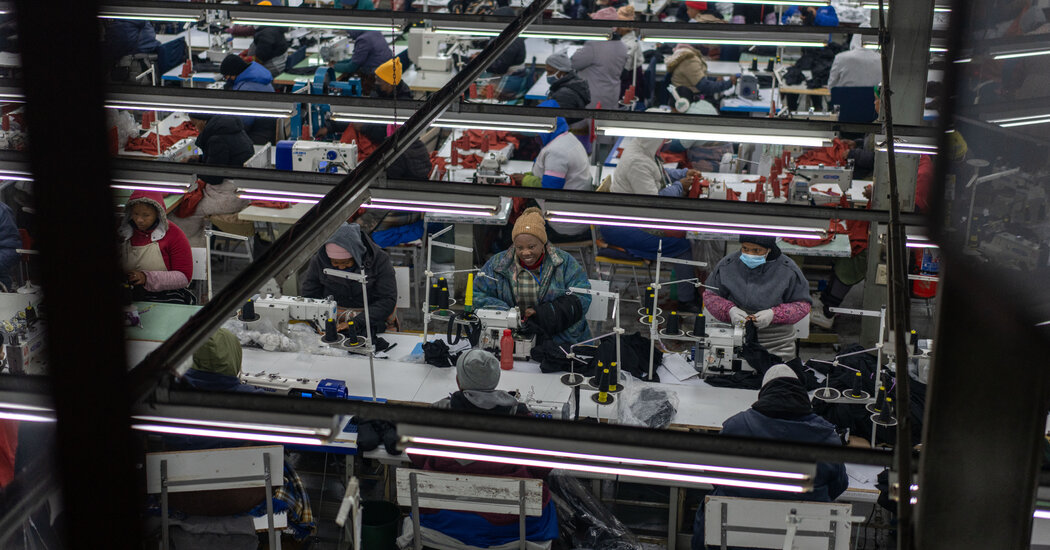
Meanwhile, China’s exports to Africa have surged by 28% year-on-year over the first three quarters of 2025, following a 57% increase from 2020 to 2024, the report said. Most of those products are higher-value-added manufactured goods such as electronics, plastics and textiles.
“In the early days, Chinese companies that went over were doing a lot more infrastructure, and they were also doing a lot of the natural minerals mining,” said Joe Ngai, chairman of McKinsey Greater China.