Story audio is generated using AI
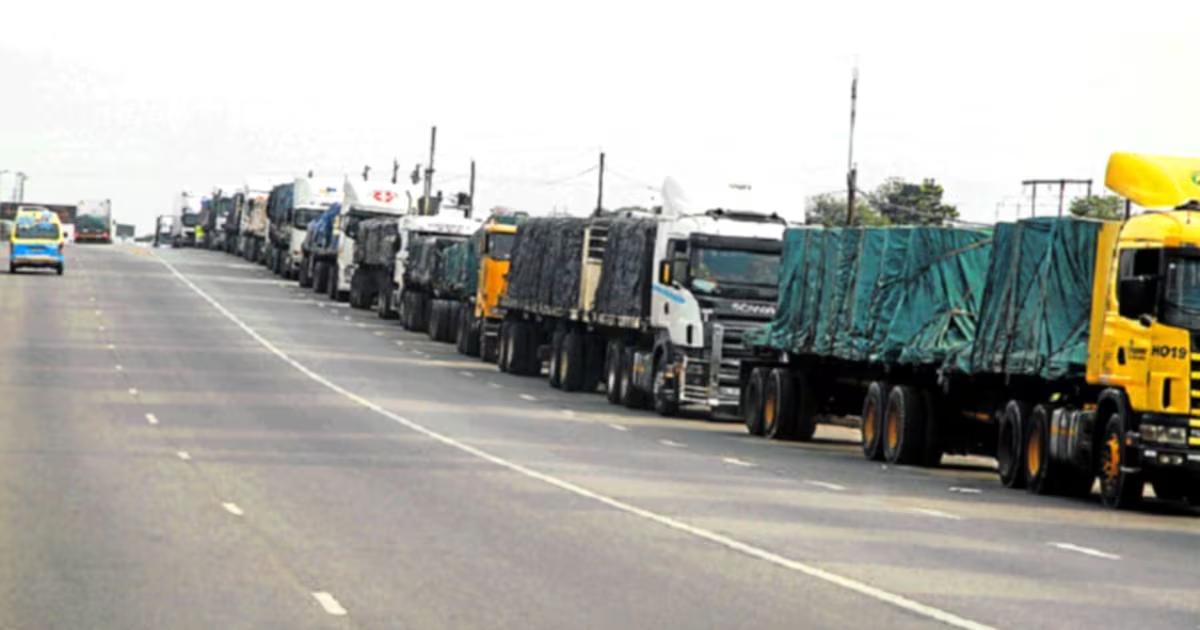
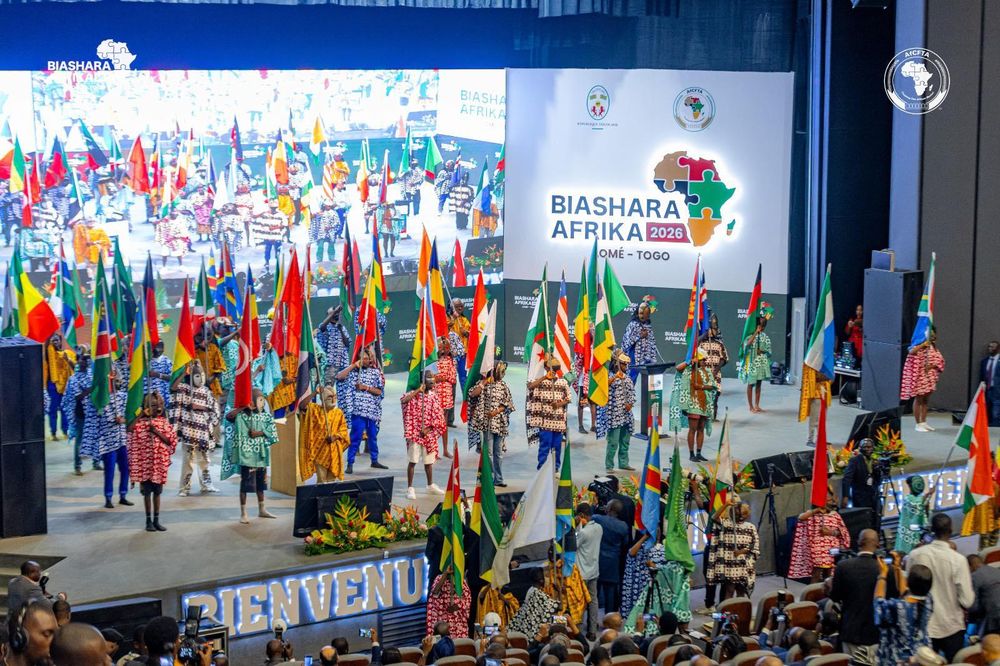
African Continental Free Trade Area (AfCFTA) secretary-general Wamkele Mene said rising protectionism and the breakdown of the rules-based global trading system have made accelerating African economic integration more essential. Mene said the global climate of rising protectionism, geopolitical fractures and erosion of the rules-based trading system makes African economic integration more difficult but more essential. He called on African nations to accelerate integration to build economic resilience and sovereignty.Speaking at the Biashara Afrika forum in Lomé, Togo, on Monday, Mene said a more volatile global environment had strengthened the case for African economies to deepen regional trade links and reduce dependence on external demand. The comments come as African governments seek to shield themselves from growing global fragmentation and shifting trade alliances.“As we see rising protectionism across the world, we see concerted efforts under our leaders to eliminate intra-Africa barriers to trade and investment,” he said.South Africa ratified the AfCFTA in 2019 and began trading with 12 African countries under the preferential regime in January, beginning with Kenya and Ghana. It is the first among the four Southern African Customs Union countries to launch preferential trade exports under the AfCFTA’s second Guided Trade Initiative (GTI).Intra-African trade reached a record $220bn in 2024, a 12.5% increase from the previous year, according to the African Development Bank. The figure is projected to climb to $230bn by 2027.Fifty state parties have ratified the AfCFTA agreement, with 26 actively trading under its rules. Mene cited breakthroughs in rules of origin negotiations in the automotive and textiles sectors as evidence the framework was moving from a diplomatic exercise into an operational reality.A payment and settlement system introduced by the African Development Bank has begun reducing the cost of intra-African transactions. The secretariat has also launched an electronic tariff book and an online non-tariff barrier reporting mechanism, with an electronic certificate of origin expected to follow.The AfCFTA adjustment fund, seeded by the African Development Bank with an initial $1bn, has started disbursing capital to support private sector implementation of the agreement.Apart from the geopolitical fragmentations affecting continental trade, infrastructure deficits across the continent run to more than $150bn annually. Logistics costs are high, customs systems remain fragmented and access to affordable trade finance continues to constrain African businesses, particularly small and medium enterprises.“All of these headwinds will test our resolve as a continent, we should be in no doubt that as a result of these externalities, our historic task of moving ever closer to economic integration will be rendered more difficult, but not impossible in the medium to long term, and even more essential,” Mene said. Business Day’s coverage of the Biashara Afrika 2026 was made possible by the AfCFTA secretariat.