https://arab.news/54224
Africa enters 2026 carrying more weight than momentum. The continent is no longer operating on the margins of global disorder; it is inside it, shaped by it and, at times, exploited by it. The question of whether Africa will be affected by the fracturing of the global system is as distant as it is moot. If anything, the priority now is whether African states can convert disorder into room to maneuver or else risk a drift into managed decline.
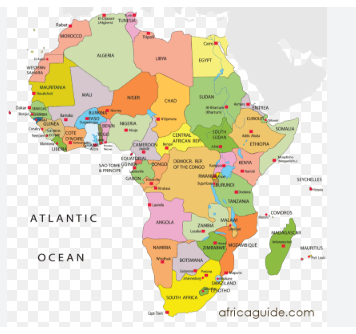
First on the agenda is a harrowing continental security dynamic, which is perhaps the most unforgiving place to begin. Armed conflict now affects more African countries than at any point in the past two decades. Sudan alone has lost an estimated 400,000 lives since 2023, with nearly 13 million people displaced and the country fractured into rival zones of control that resemble war economies more than states. The implications go well beyond Sudan’s borders. Chad, South Sudan, Ethiopia, Egypt and Libya are already absorbing the shock through refugee flows, weapons diffusion and proxy entanglements. Sudan is no longer a single crisis — it has become an engine of instability for an entire subregion.
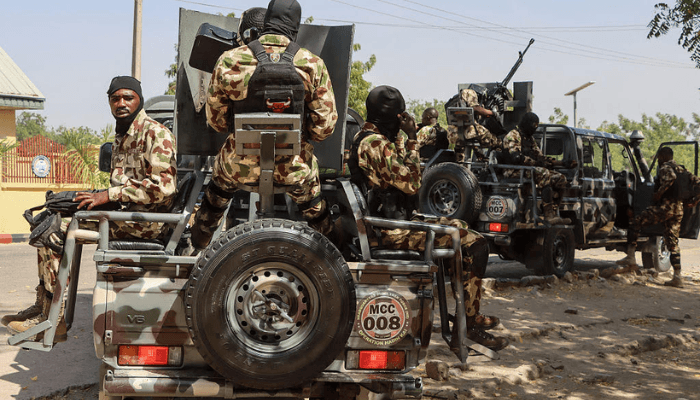
Adjacent to the Horn of Africa’s woes is the perennially unstable Sahel, which is now considered the most lethal zone of militant violence worldwide. More than half of all deaths linked to terror groups on the continent occur there, with civilians accounting for the majority. Since military takeovers in Mali, Burkina Faso and Niger, fatalities have surged rather than declined. In Burkina Faso, deaths linked to extremist violence have nearly tripled in three years, while the state now exercises effective control over a fraction of its territory. The promise that juntas would restore order has given way to siege warfare, mass displacement and deepening isolation.