https://arab.news/nq6q8
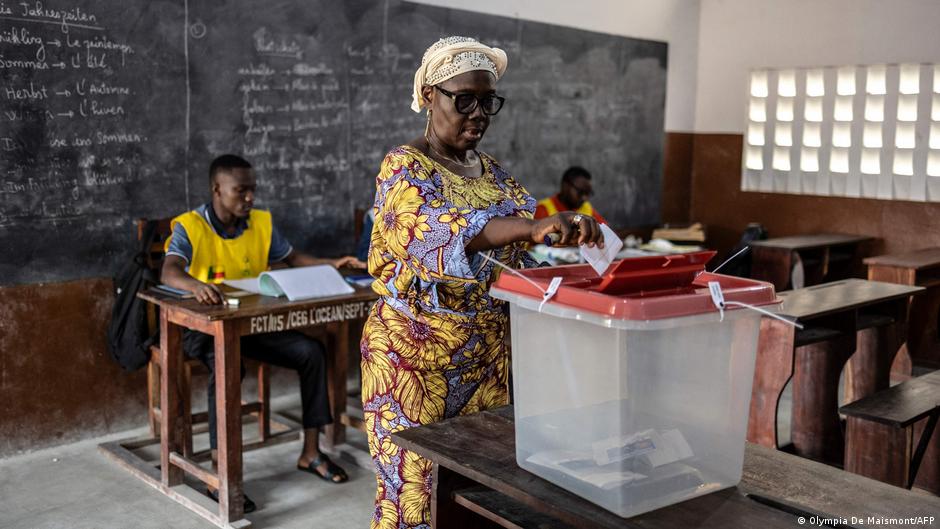
Africa enters 2026 with elections scheduled in more than a dozen countries and with voter rolls that now exceed 600 million people across the continent. Elections have become the most common ritual of political life in Africa, more frequent than coups, civil wars, or constitutional rewrites. Yet frequency has not produced comfort. Voting has turned into a dual-use instrument: a tool for peaceful transfer of power in a minority of cases, and a method for laundering political capture in many others. It is a contradiction that now sits at the heart of what this year is likely to bring.
Uganda offers a useful example. Yoweri Museveni, the country’s president, secured another term, extending a rule that began in 1986. Official results awarded him almost three-quarters of the vote, despite urban districts breaking heavily for the opposition and youth unemployment hovering around 60 percent. Turnout slipped below 60 percent as security forces ring-fenced the process, curtailed opposition rallies, and intermittently restricted digital platforms. Uganda demonstrated how elections now function in many entrenched systems: a choreographed exercise that delivers continuity while preserving the appearance of democracy.