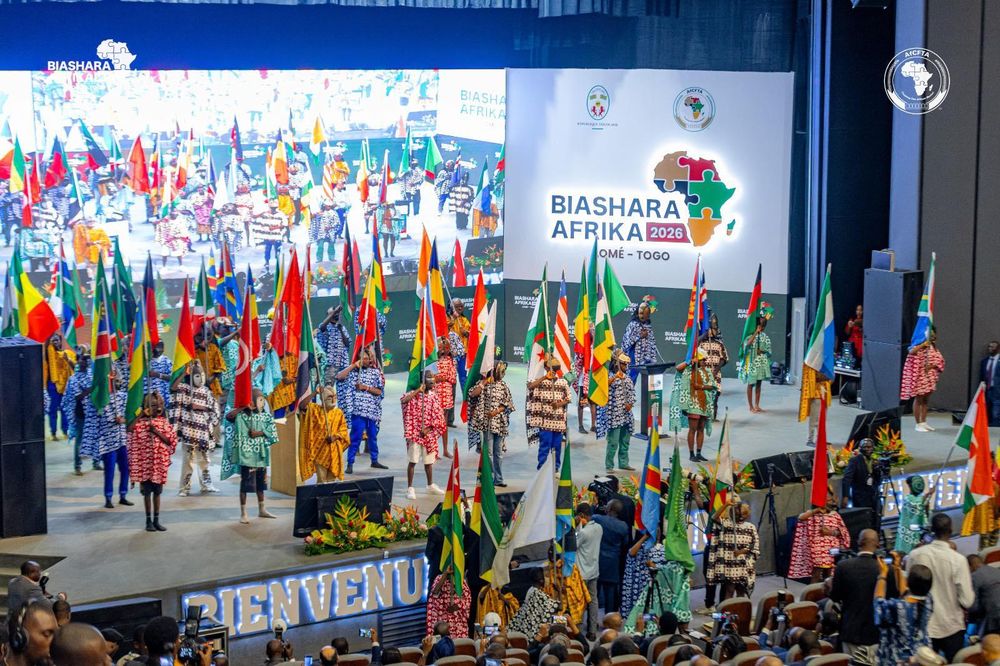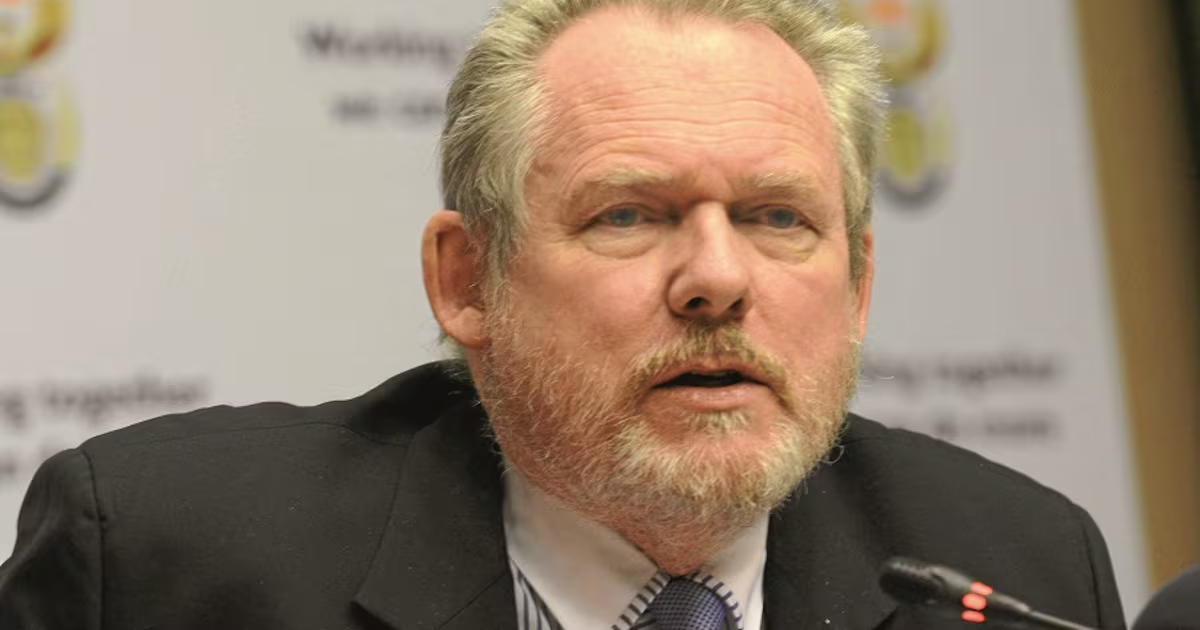
The African Continental Free Trade Area (AfCFTA) should shift its ambition from facilitating trade flows to driving co-ordinated industrial development, according to Rob Davies, South Africa’s former minister of trade & industry, who now sits on the AfCFTA advisory council on industrial development and trade.Davies said growing intra-African trade is a start, but the data already reveals a structural flaw. The increase in trade across the continent is concentrated among a handful of more economically diversified countries that export to the rest of Africa while importing little in return. Left unaddressed, that imbalance makes the AfCFTA a vehicle for a few economies rather than a continental project.“The idea that a few of us export into the rest of the continent and buy nothing from them is not going to be a sustainable model,” Davies told Business Day on the sidelines of the AfCFTA Biashara Afrika summit in Togo on Tuesday. The former trade minister, Rob Davies warns that fragmented approaches on critical minerals and uneven industrial participation could undermine the AfCFTA’s long-term credibility @BDliveSA pic.twitter.com/r5xZXsBTCC— Thando Maeko (@HelloThando) May 19, 2026
For the agreement to hold political legitimacy over time, he argued, it must deliver broader industrial participation. That means finding ways for smaller and less industrialised economies to enter production, beginning with components, aftermarket goods and other entry-level manufacturing activity. The automotive sector, he noted, is already confronting this internally with industry groups realising a narrow export model concentrated in a few countries will eventually lose political support across the continent.South Africa ratified the AfCFTA in 2019 and began trading with 12 African countries under the preferential regime in January, beginning with Kenya and Ghana. South Africa is the first among the four Southern African Customs Union countries to launch preferential trade exports under the AfCFTA’s second Guided Trade Initiative (GTI).Intra-African trade reached $220.3bn in 2024, a 12.4% increase from the previous year, according to Afreximbank’s African Trade Report. Despite the growth, intra-regional commerce still accounts for only 15%-18% of Africa’s total trade, well below Europe and Asia. Compare that to 54.5% for Asia and 68.4% for EuropeThe AU has given the AfCFTA secretariat a mandate to develop a protocol on industrial development, which Davies described as a significant step towards converting years of strategy documents and stated ambitions into co-ordinated policy. The goal, repeatedly articulated but unevenly pursued, is to move African economies out of raw material exports and into higher value-added production.The urgency of that shift has intensified, Davies said, because the global environment that enabled Asia’s export-led industrialisation no longer exists in the same form. Geopolitical fragmentation, the rise of friendshoring and the security logic now embedded in global supply chains have made the path from low-cost manufacturing to northern export markets considerably harder for late industrialisers than it was for China or the earlier Asian economies.That context makes co-ordination on critical minerals a test case. Africa holds a substantial share of the world’s critical mineral reserves, but Davies warned countries negotiating individually with external powers risk being locked into raw material supply agreements with little leverage to demand value addition or technology transfer. Fragmented engagement, he said, is how the continent gets bought off.The alternative is co-ordinated positioning, both among African nations and with other Global South economies that share the same industrialisation ambitions and face similar pressure from resource-hungry major powers.“If we are fragmented in our engagements with the rest of the world, we are going to get picked off,” Davies said.Business Day’s coverage of Biashara Afrika was made possible by the AfCFTA Secretariat.