https://arab.news/2v6hc
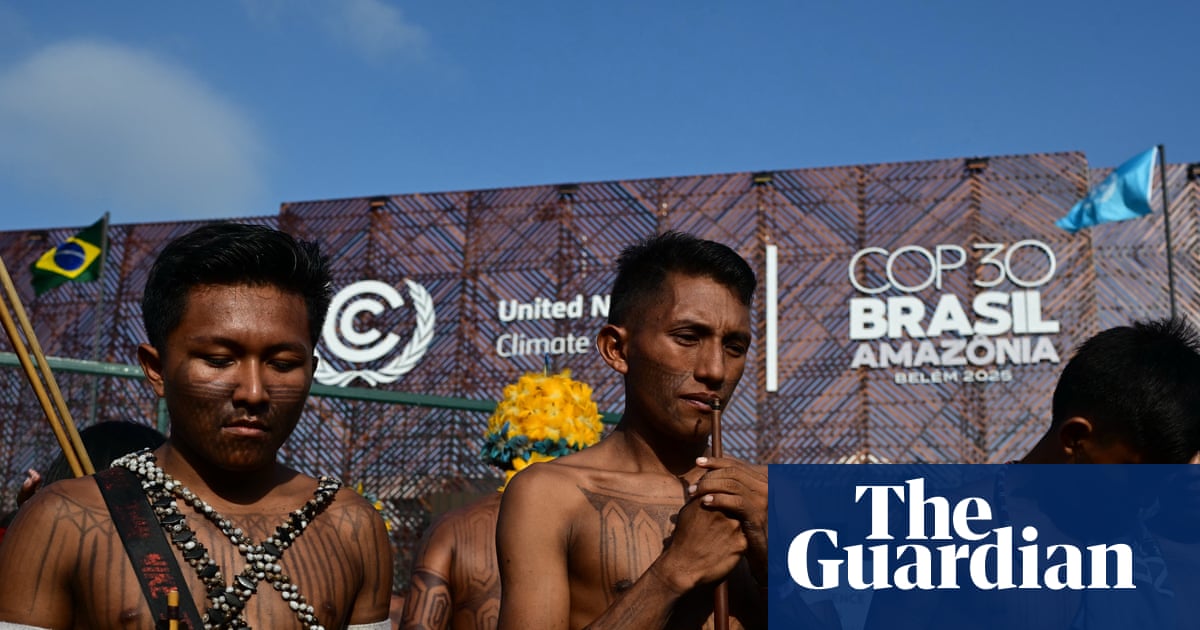
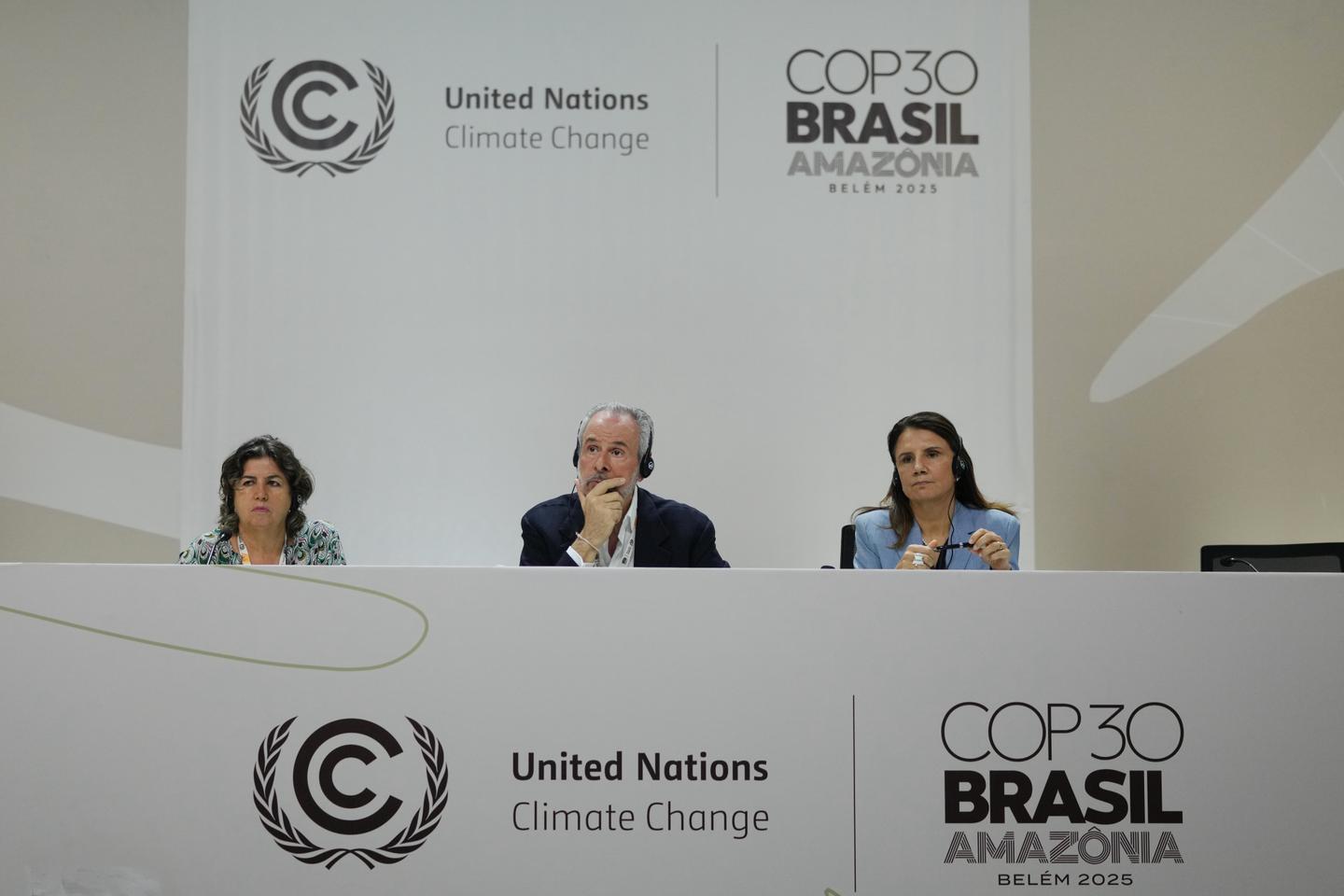
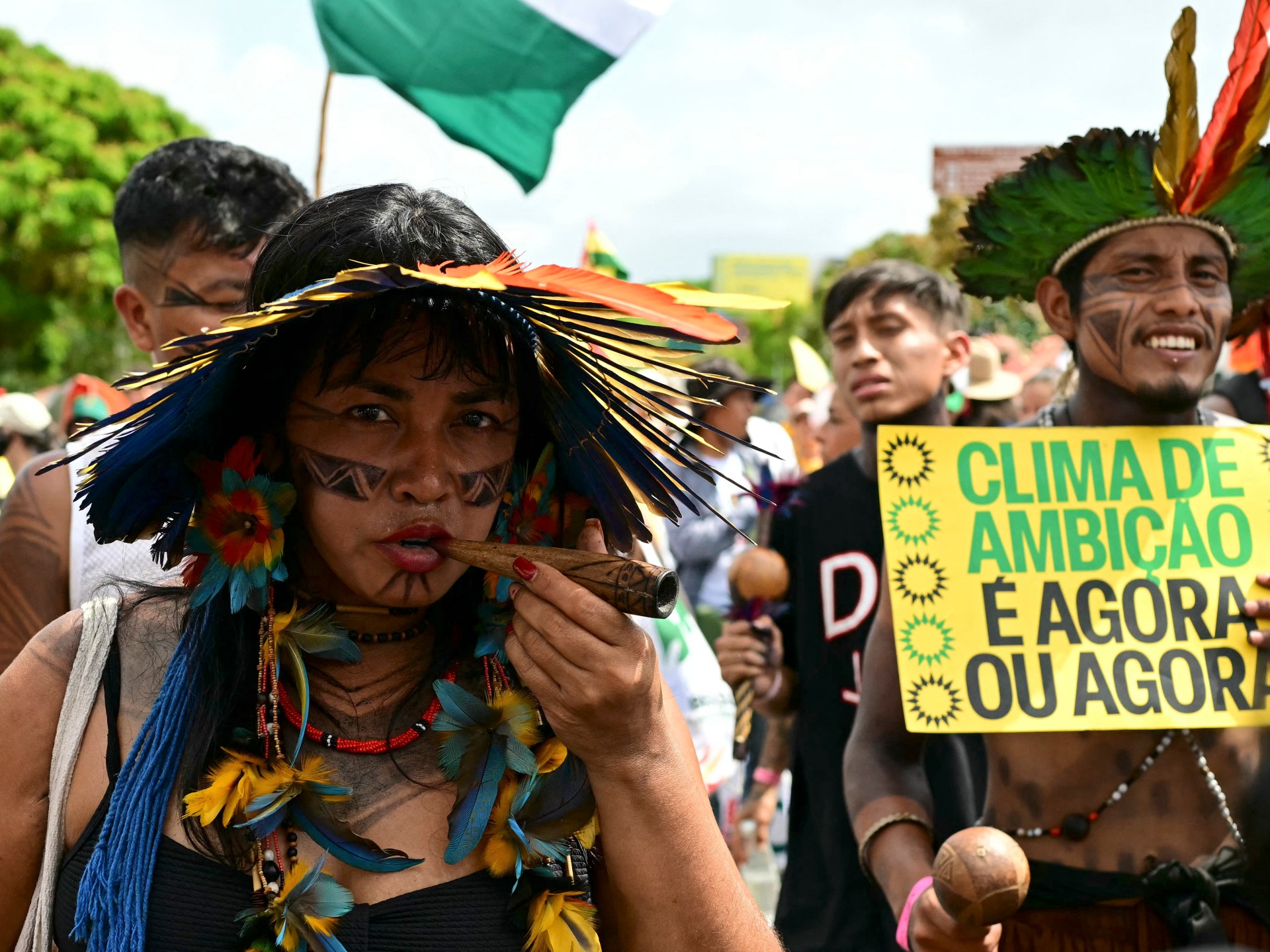
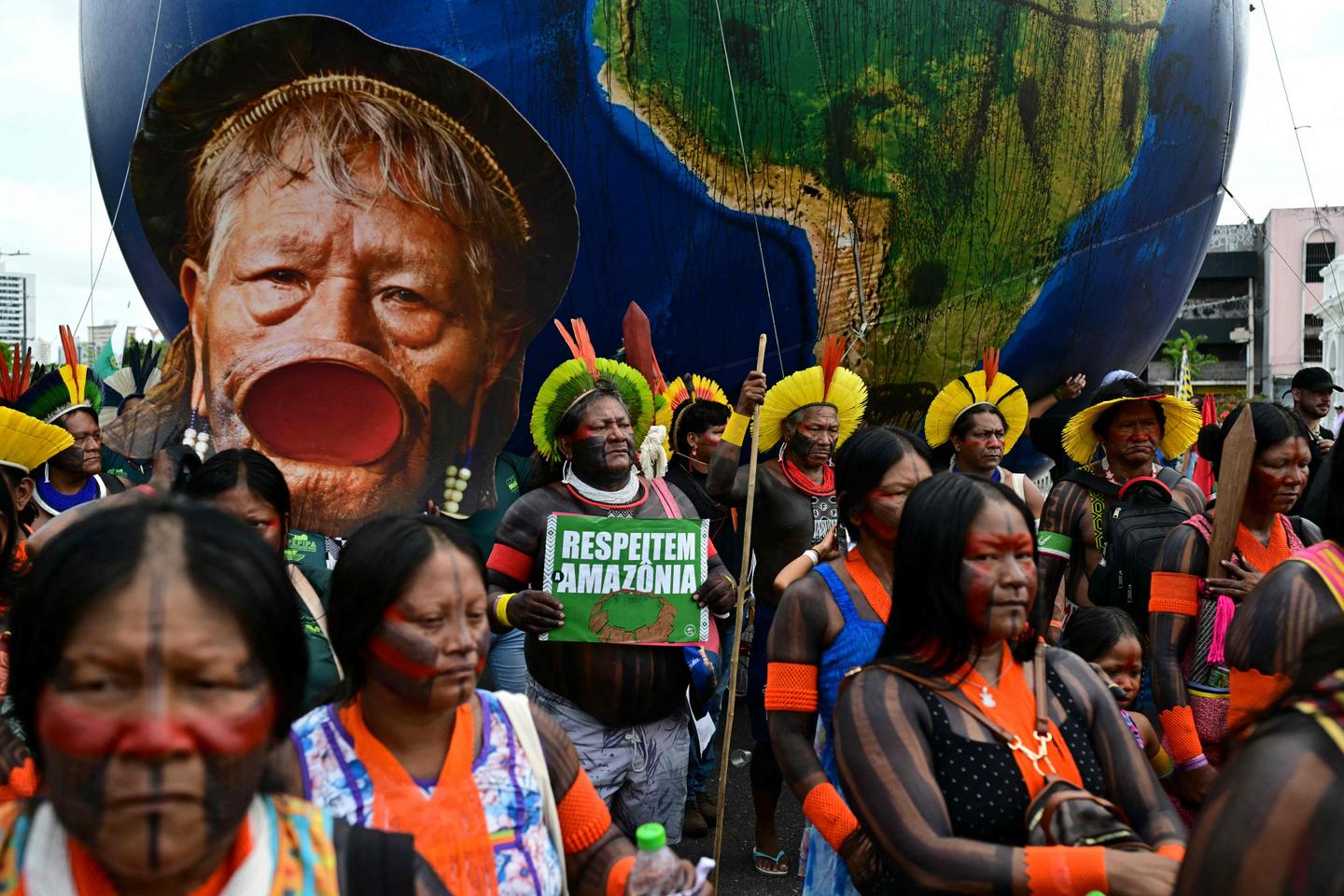
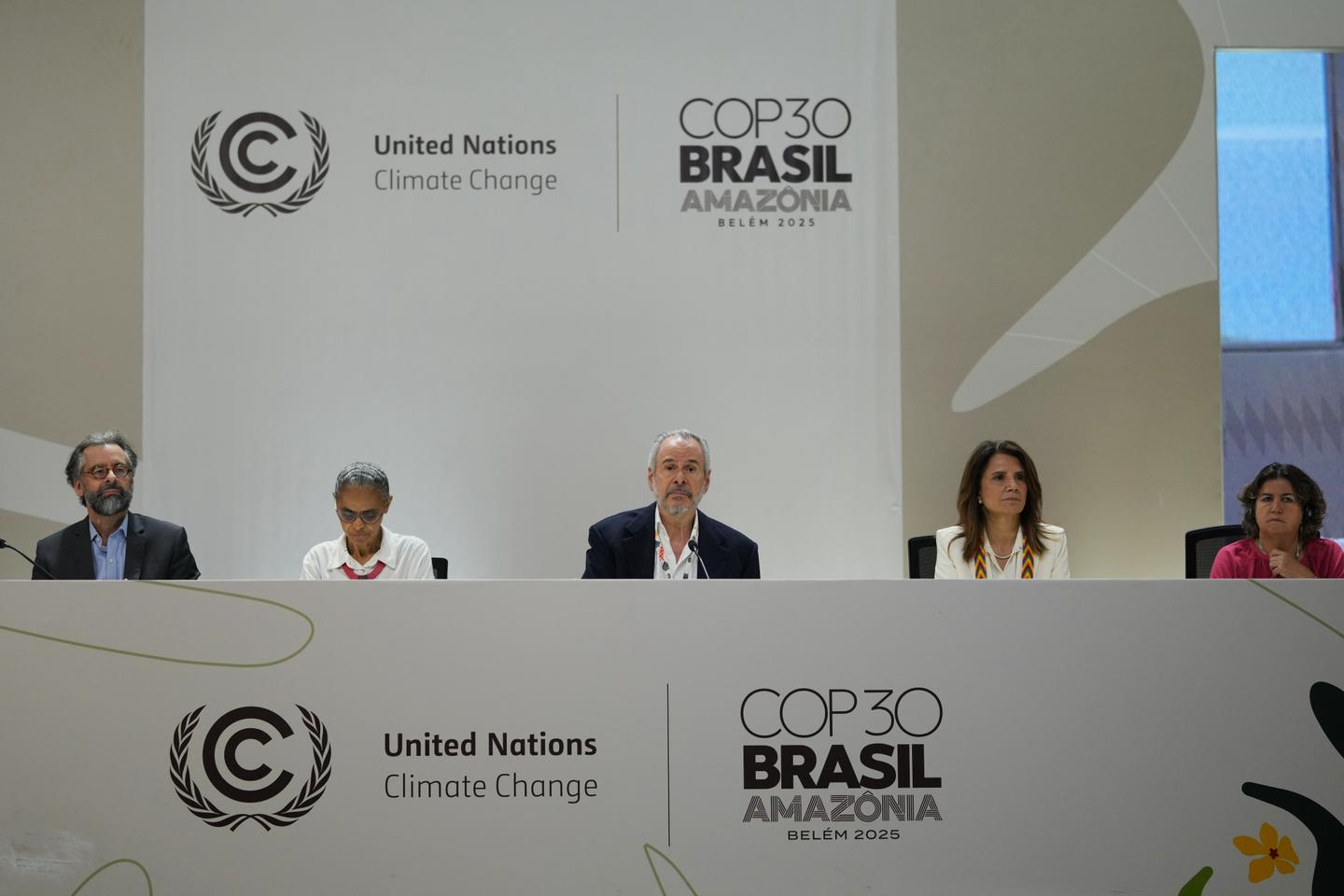
About 50,000 delegates from more than 190 countries descended on the Brazilian city of Belem earlier this week for COP30, the annual UN climate change conference, with the two-week negotiations likely to be not so much about reaching another deal as about making past agreements count.
Andre Correa do Lago, the president of this year’s UN talks, warned that the Global North has lost its enthusiasm for tackling the climate crisis. In contrast, the Global South shows resilience and is moving toward sustainability. While seeing the Global South adapt to new climate conditions instills some hope for tackling global warming, it is still the Global North that produces the most pollution, with the Global South paying the price. What is frustrating, on the occasion of this annual global climate change pilgrimage, is that despite the incontestable evidence that humanity is marching toward environmental cataclysm, implementation of the most necessary steps to stop global warming is at best partial.
One indication of the almost laissez-faire approach taken by too many countries is the neglect of their responsibility to submit updated nationally determined contributions, each country’s targets to reduce emissions and adapt to the impacts of climate change by 2035. The requirement to submit a plan once every five years was agreed as a core commitment in the Paris agreement. By the end of the last month, only 64 countries had done so, raising questions about their commitment and the seriousness with which they take this year’s summit. Ten years after the landmark Paris agreement, which recognized that only a joint effort could keep the planet from warming by more than 1.5 C, too many countries are still neglecting their responsibilities.