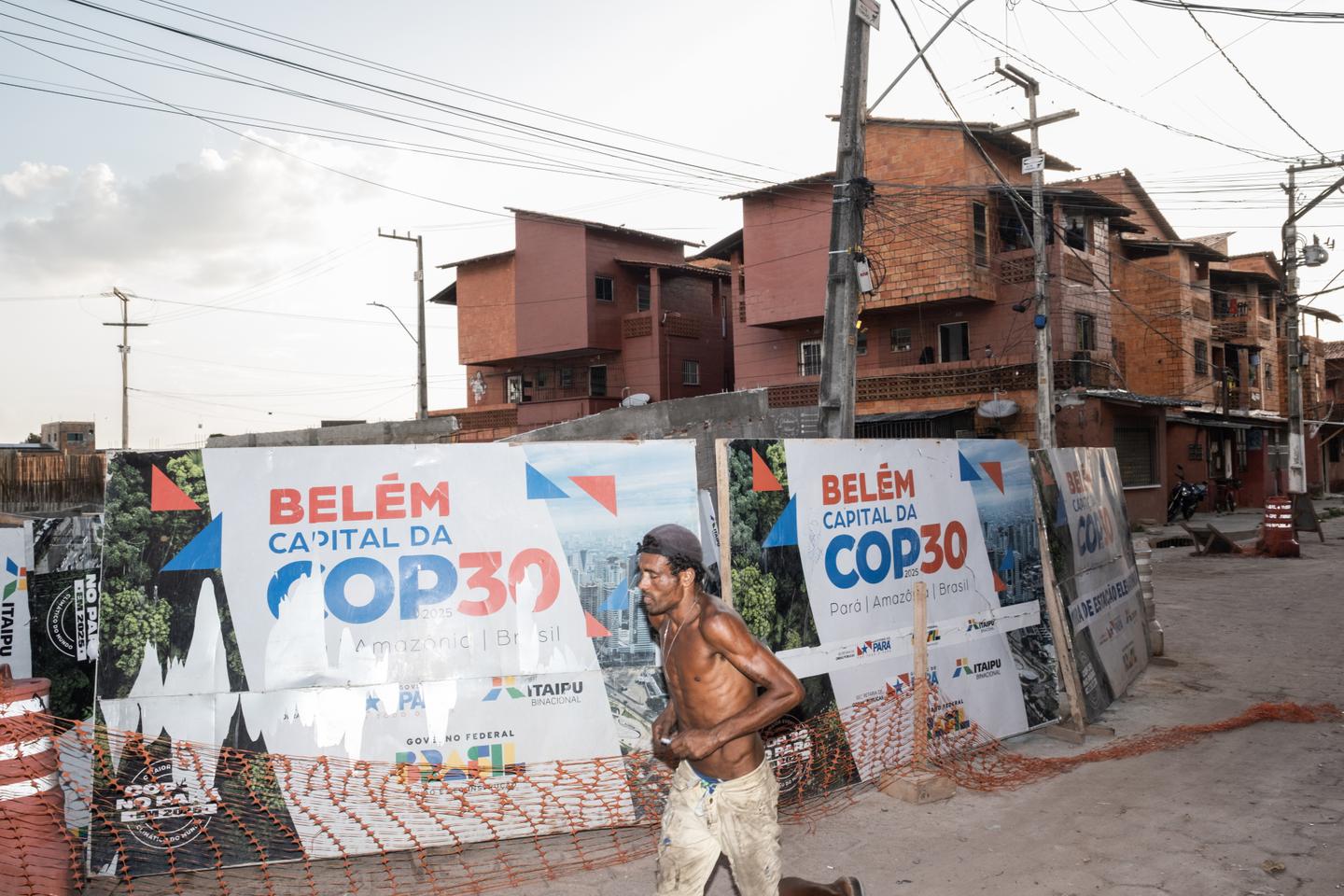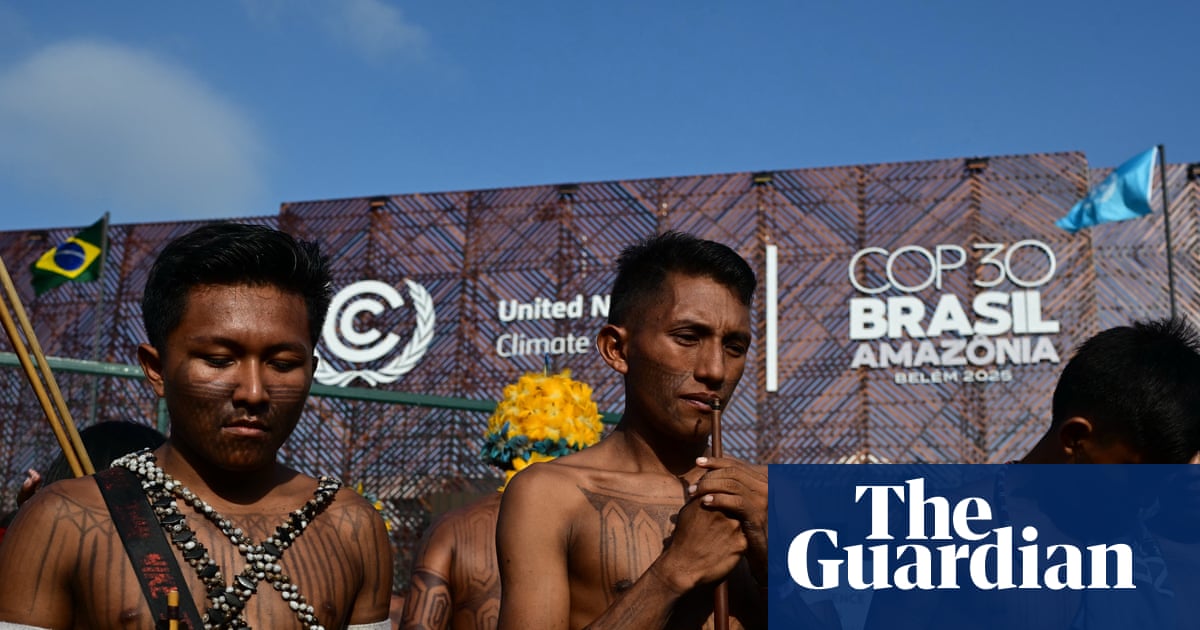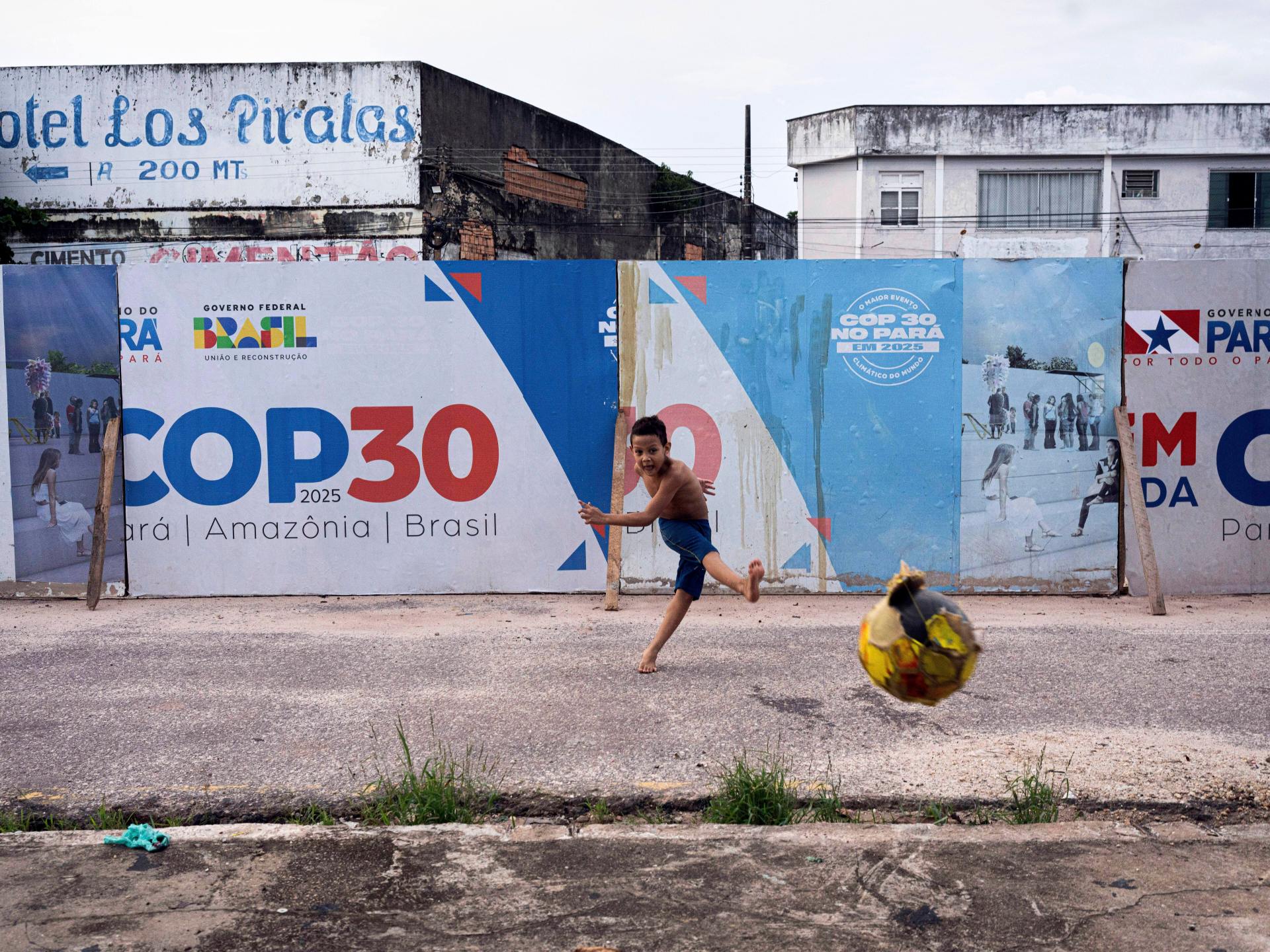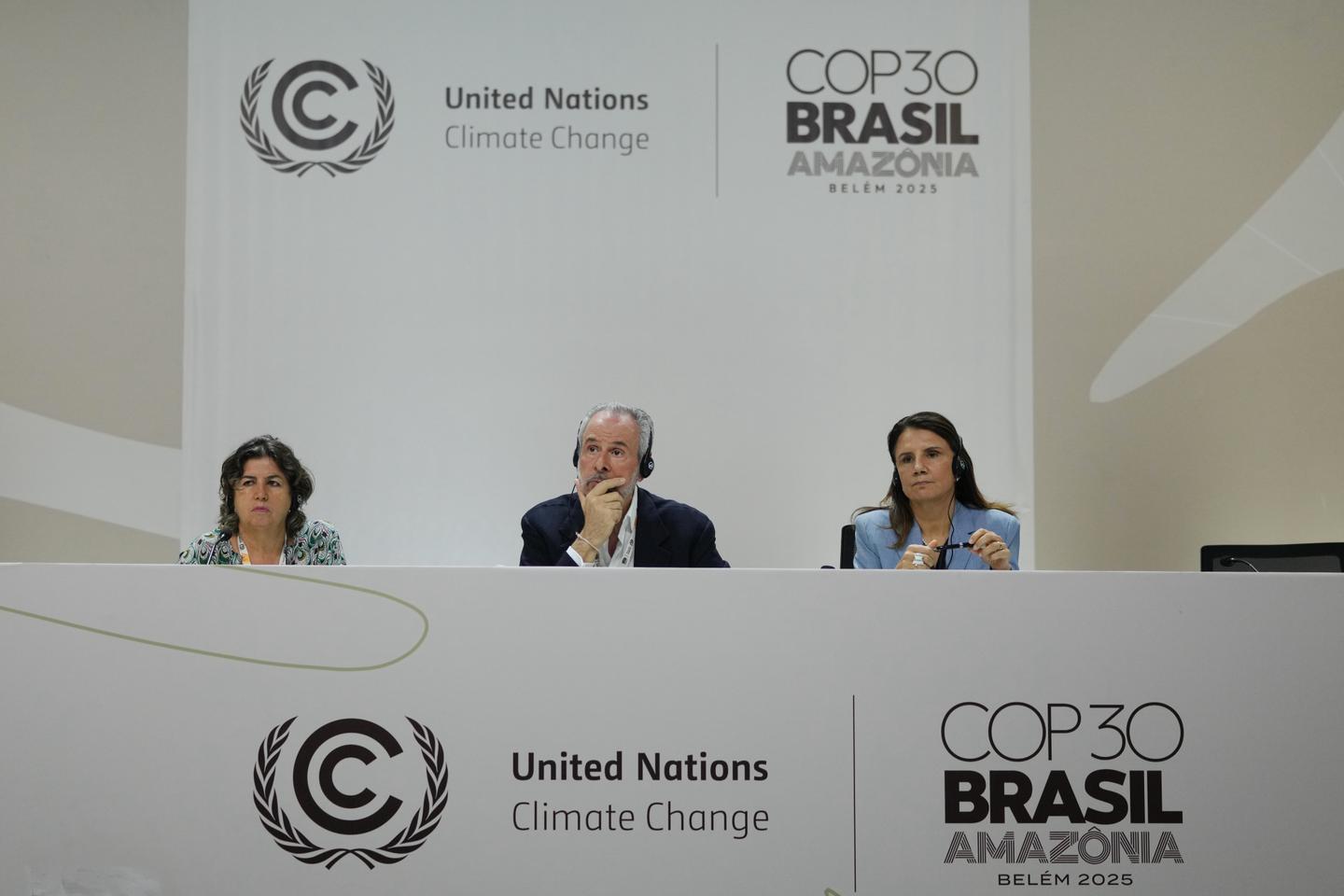
In the city of Belém, at the mouth of the Amazon rainforest, Brazil has kicked off the COP30 climate conference, a summit framed as a pivotal moment to reduce emissions and keep the Paris Agreement alive. More than 50,000 people are expected to attend, from heads of state to civil society groups.
But as attention turns to Brazil, some of the highest emitters from the food sector are also moving to shape the agenda — positioning industrial farming not as part of the problem, but as a climate solution.
Agriculture’s powerful influence operation comes at a fragile moment. Trust in the COP process is faltering, Global South nations are calling for a fairer finance settlement, and social movements are preparing to defend and promote ecological approaches rooted in Indigenous knowledge, equity, and family farming.
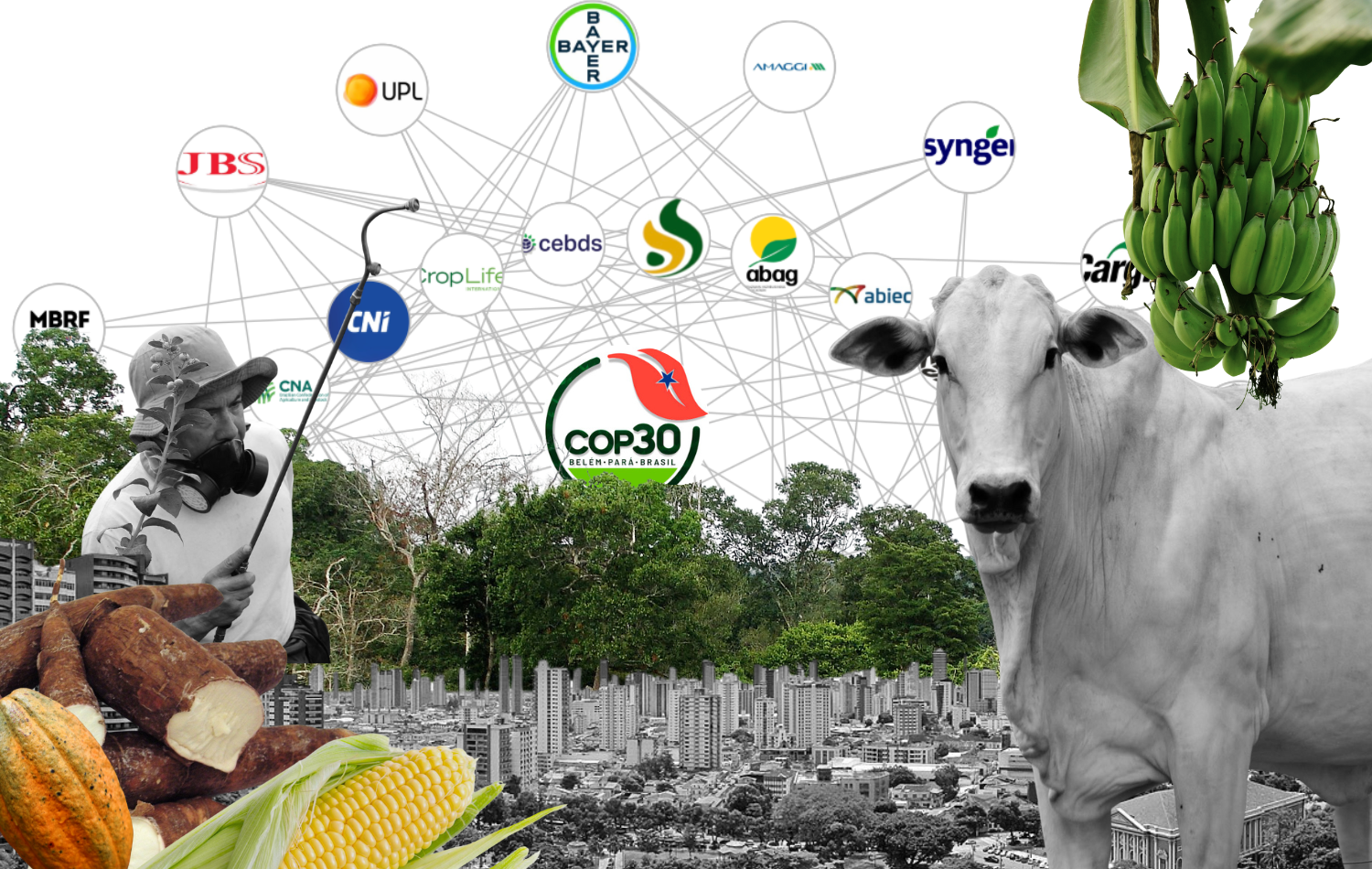
Behind the scenes, food and farming corporations — including meat giant JBS, pesticide firm Bayer, and food processor Nestlé — which sell products that drive both climate change, deforestation and biodiversity destruction — are promoting a set of actions to tackle global warming that leave their business models intact — or better still, require public investment.
Representatives from companies, accompanied at COP30 by a suite of trade associations and front groups — including those that have previously lobbied to block regulations to protect nature and climate — will bring their message to panel events and attend glitzy receptions, under the logos of sponsored media hubs, and pavilions.