Host uses Indigenous concepts and changes agenda to help delegates agree on ways to meet existing climate goals
S
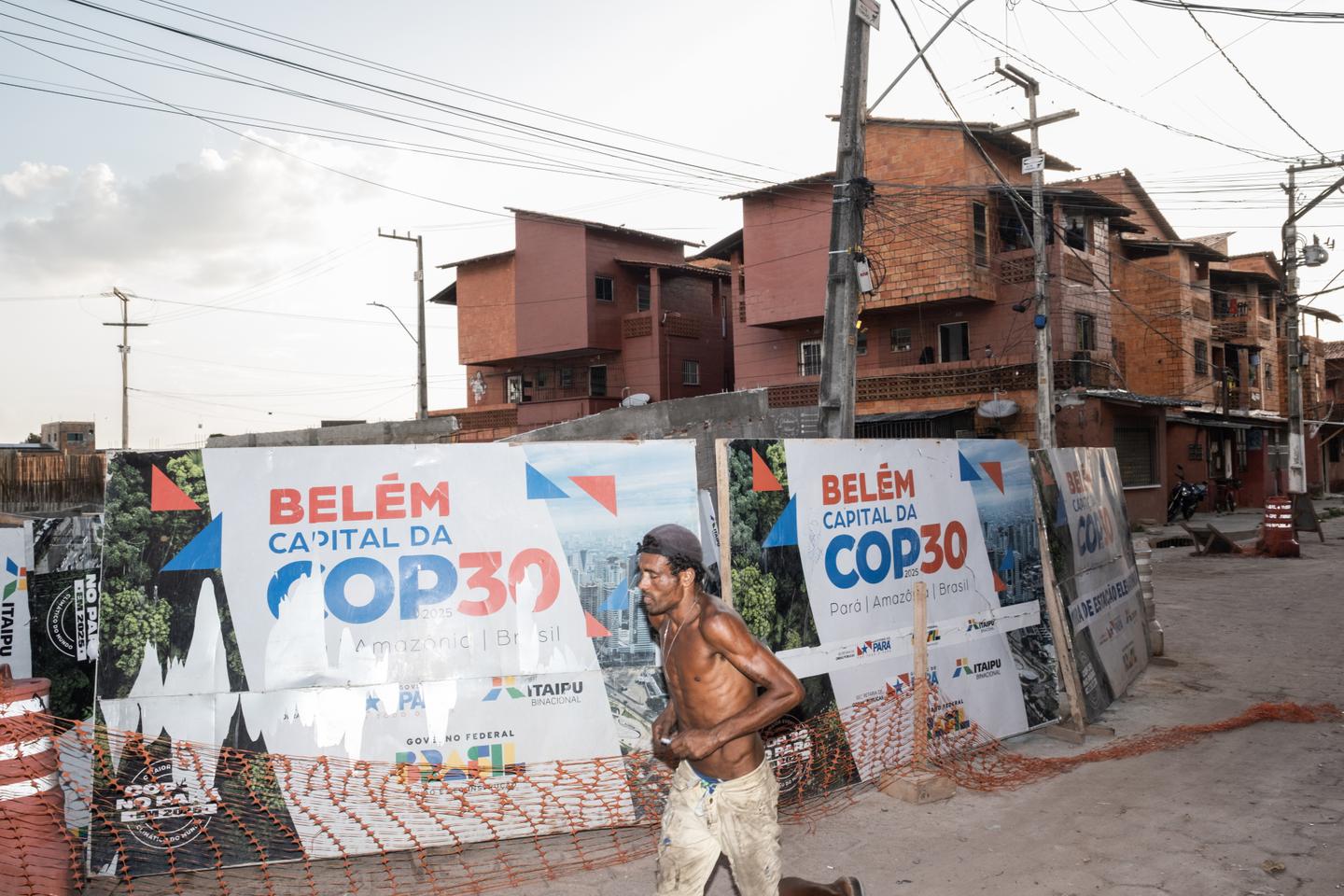
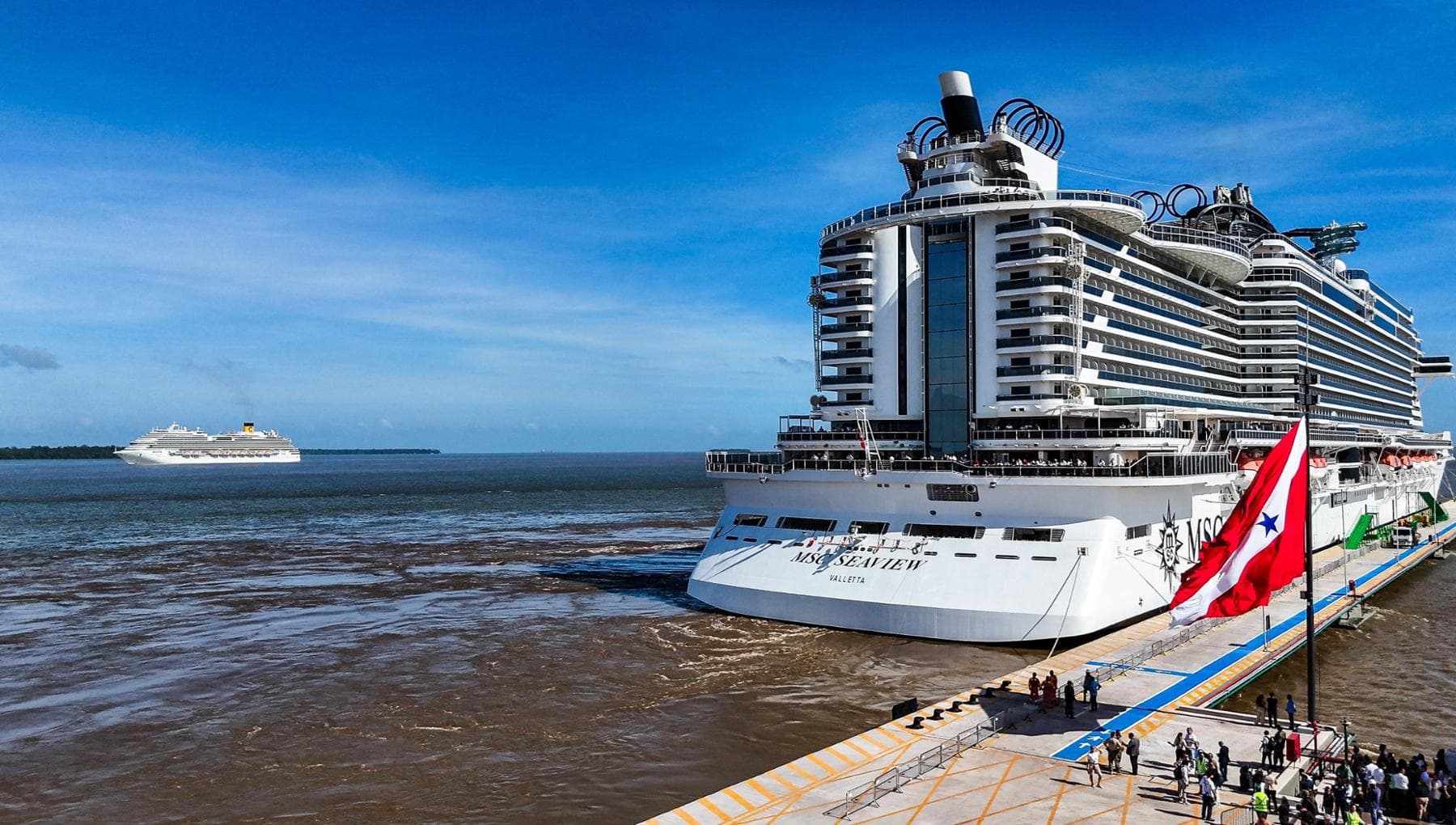
hipping containers, cruise ships, river boats, schools and even army barracks have been pressed into service as accommodation for the 50,000 plus people descending on the Amazon: this year’s Cop30 climate summit is going to be, in many ways, an unconventional one.
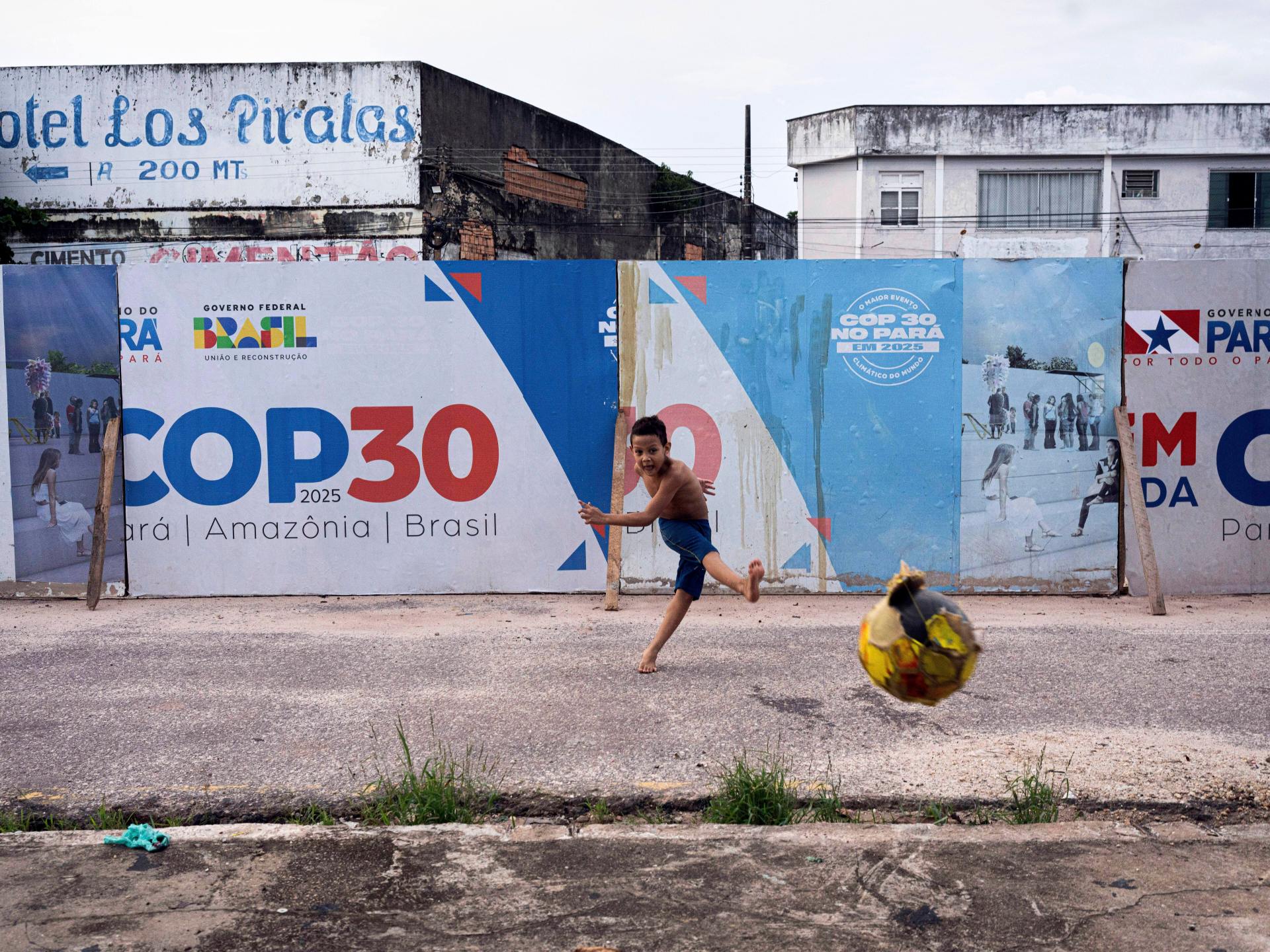
Located in Belém, a small city at the mouth of the Amazon river, the Brazilian hosts have been criticised for the exorbitant cost of scarce hotel rooms and hastily vacated apartments. Many delegations have slimmed down their presence, while business leaders have decamped to hold their own events in São Paulo and Rio de Janeiro.
But Brazil has held steady to its plan. Cop30 will bear the host country’s stamp to a far greater extent than most of the annual “conference of the parties” meetings, in the first return for Cop to the country where it began in 1992, when the UN framework convention on climate change (UNFCCC) was signed at the landmark Earth summit in Rio.