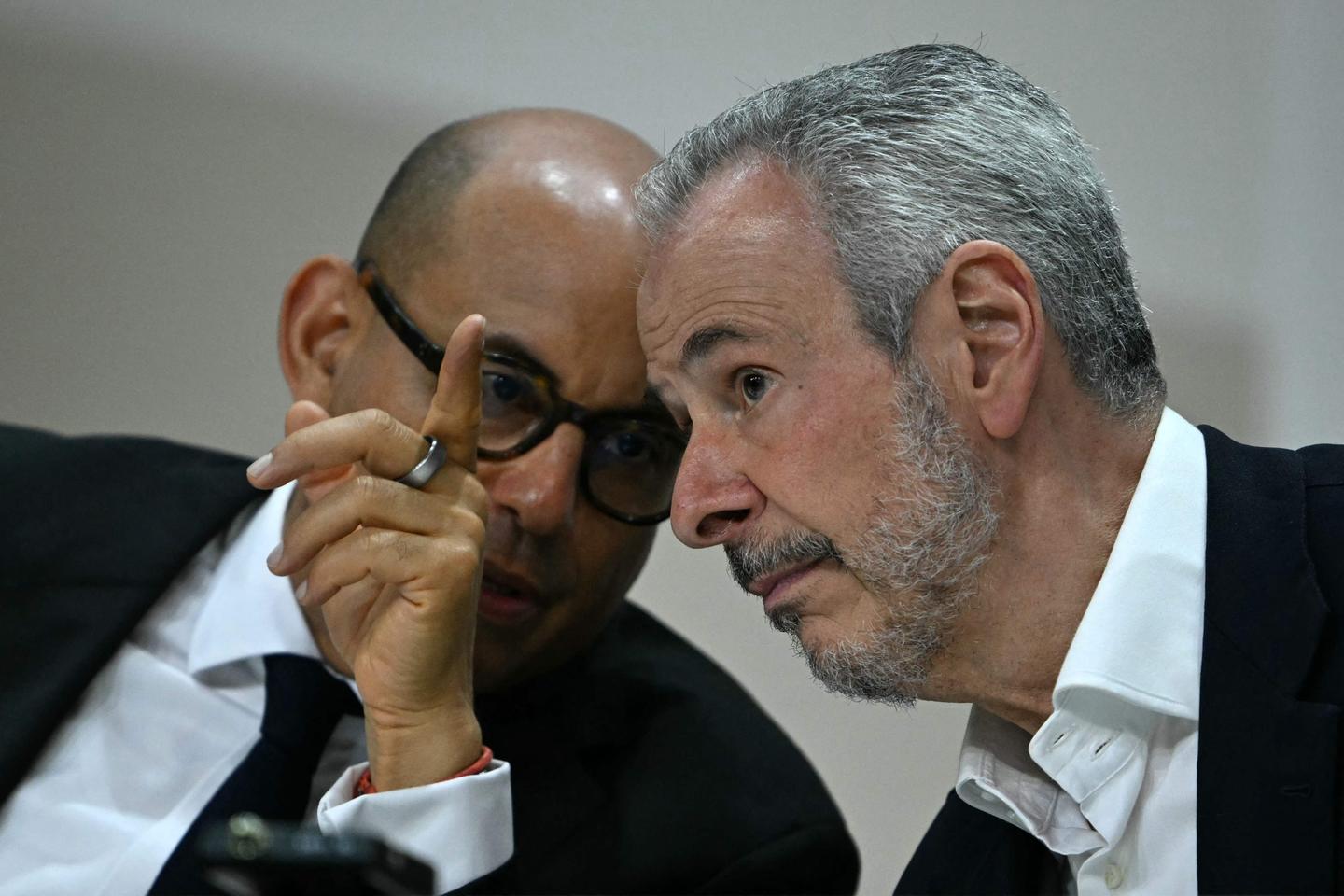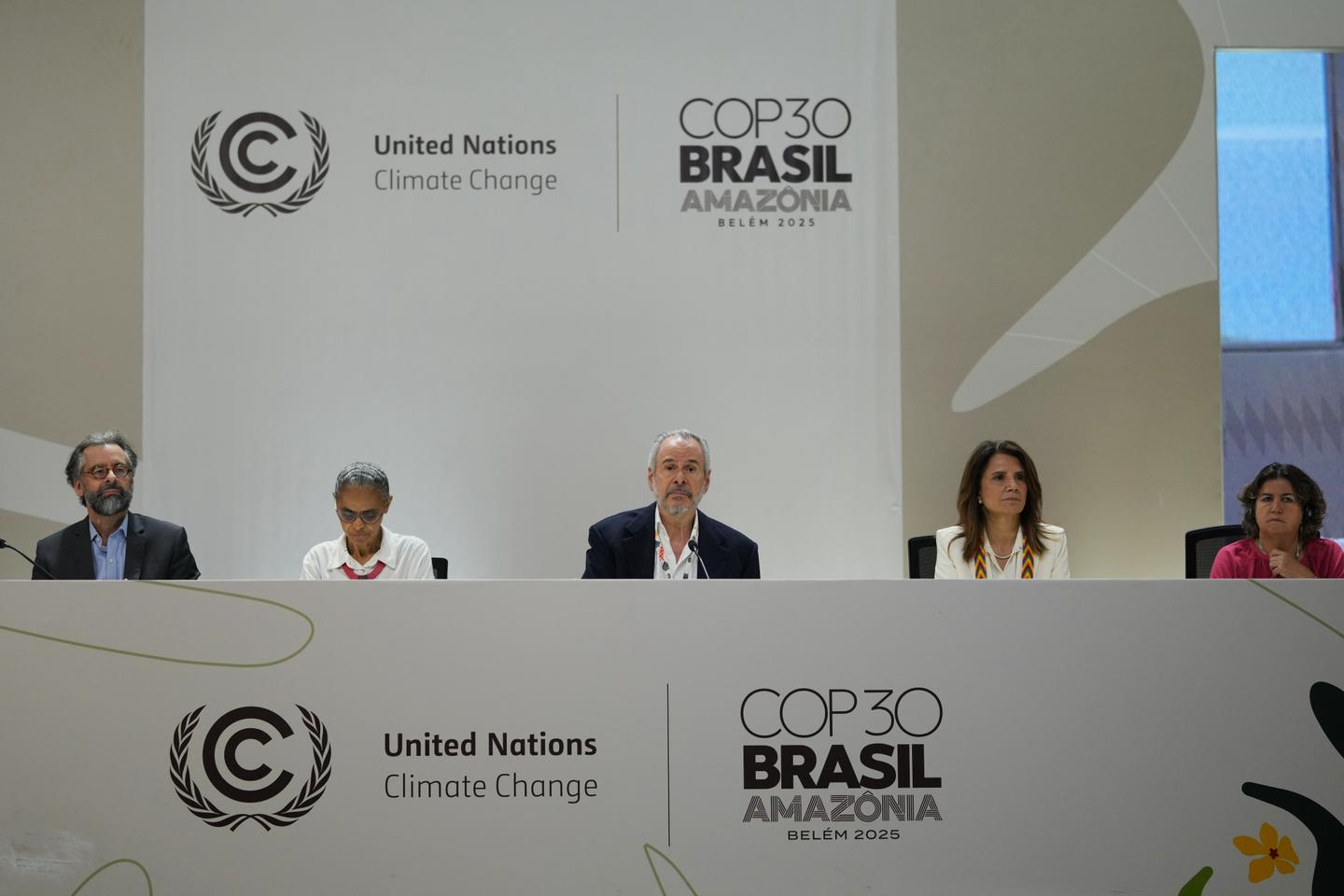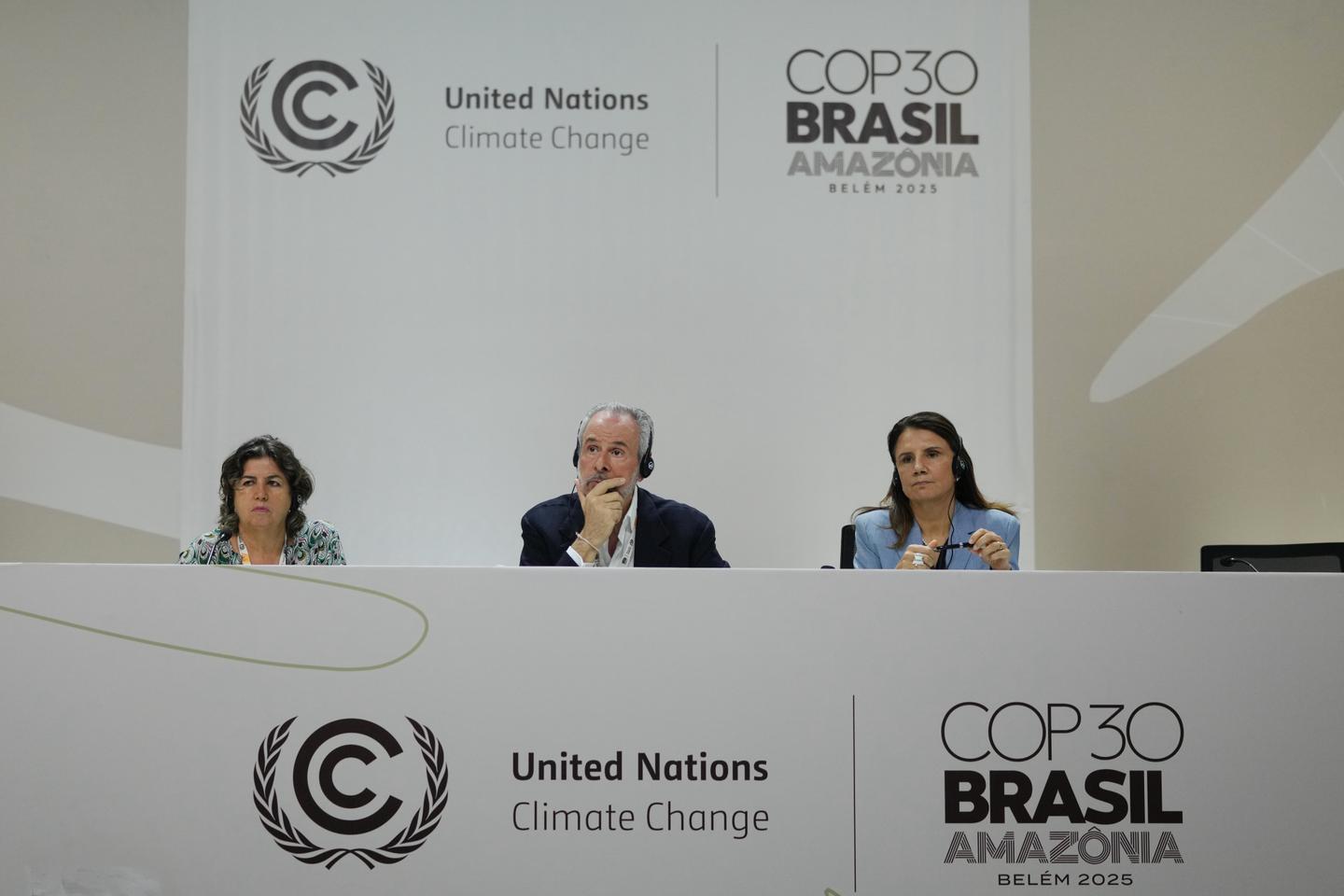
Ana Toni, executive director of the conference (right), and Andre Correa do Lago, president of COP30, during a press conference in Belem (Brazil), on November 17, 2025. ANDRE PENNER / AP
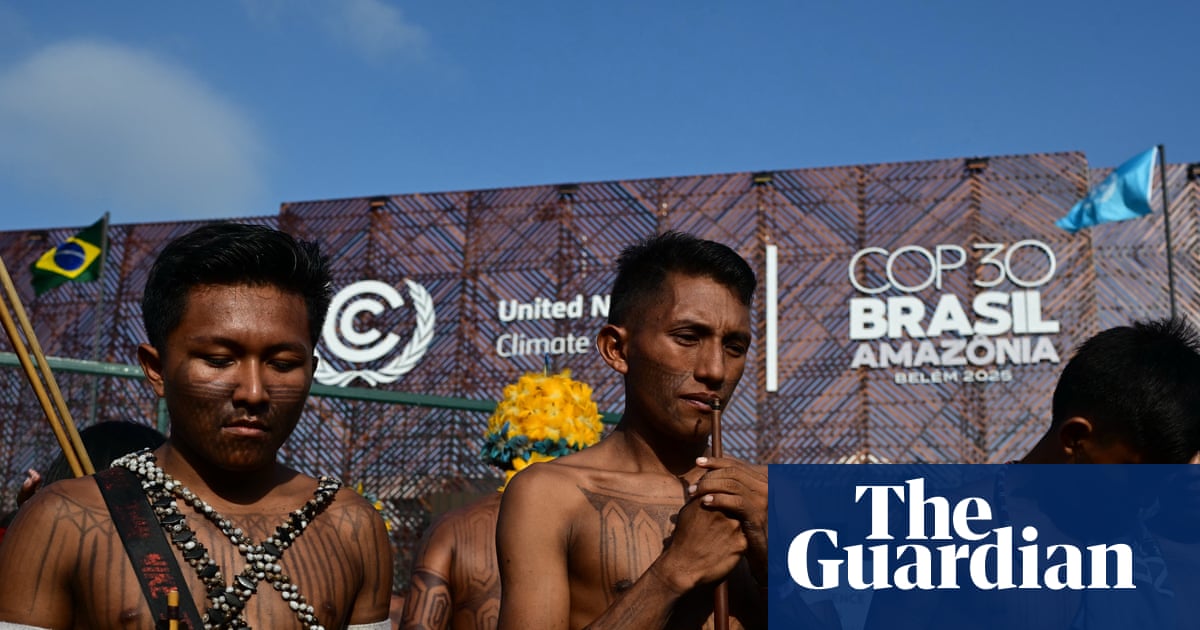
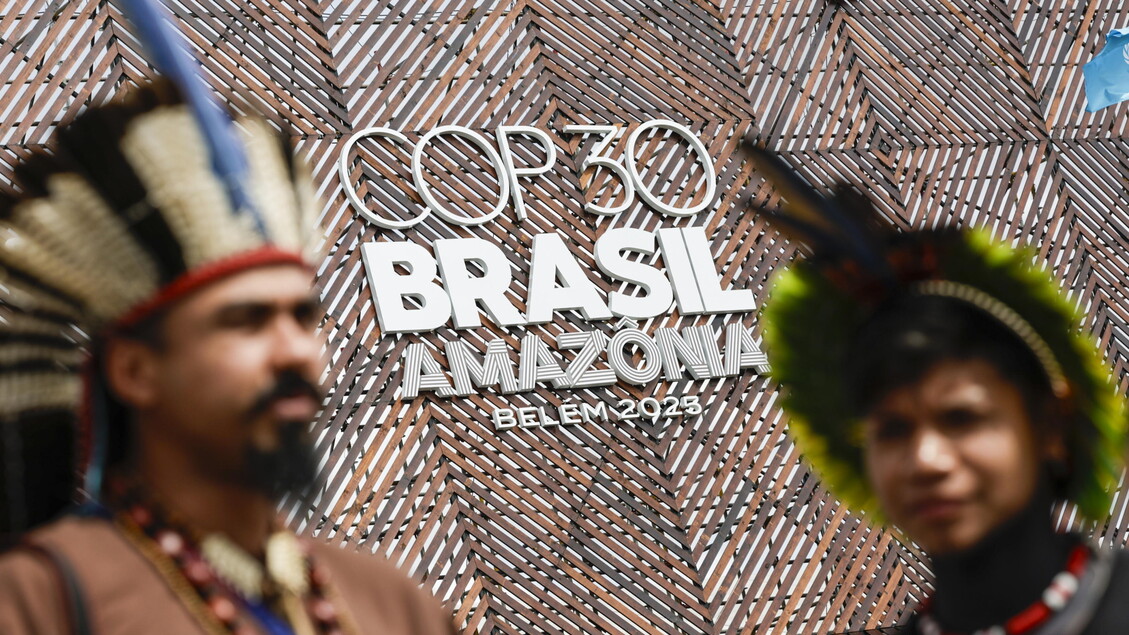
In the streets of Belem, on the Amazon's edge, the COP30 logo is everywhere: on taxi roofs, on t-shirts in the Place Ver-o-Peso market, on faded pastel facades, and even repurposed as an ice cream flavor. Yet, will the 30th global climate conference – presented as the "moment of truth" – have a tangible impact on "people's lives," as its president, diplomat Andre Correa do Lago, wants? Halfway through the major event, which is officially set to conclude on Friday, November 21, nothing is guaranteed.
On Monday, November 17, ministers arrived in Belem to try to break the political deadlock. Throughout the day, in the ultra-secure, air-conditioned conference center, they took turns emphasizing the urgency of the fight against the climate crisis, which, as Dhananjay Ramful, Mauritius' minister of foreign affairs, said, puts our "very existence" at stake. They reiterated their commitment to climate multilateralism, shaken by conflict and by the absence of the United States. "Inaction is madness," stressed the representative from the Indian Ocean island.