Swamped by lobbyists and hobbled by a lack of urgency, there are fears Cop could become a sprawling spectacle that betrays those who depend on it most
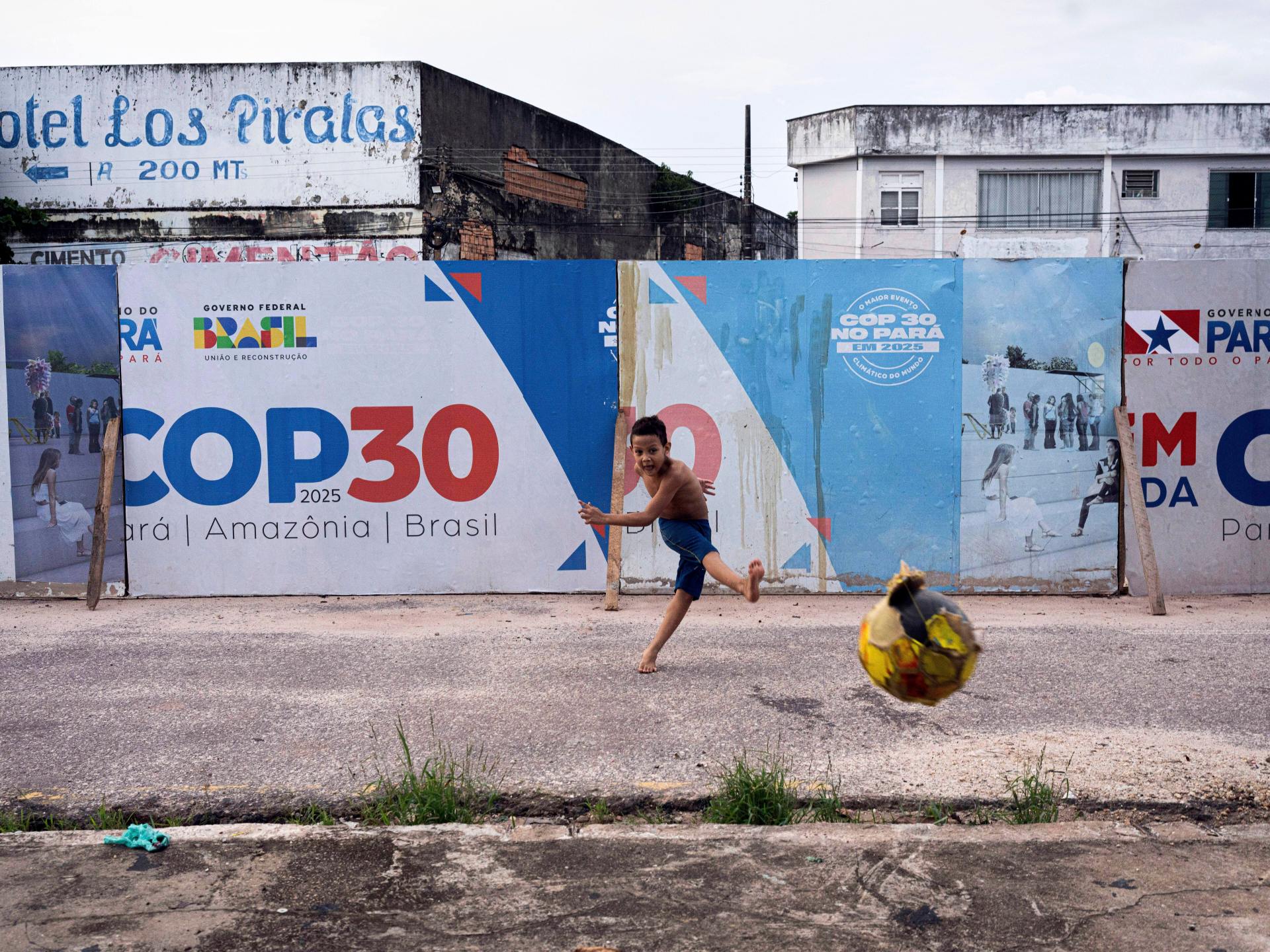
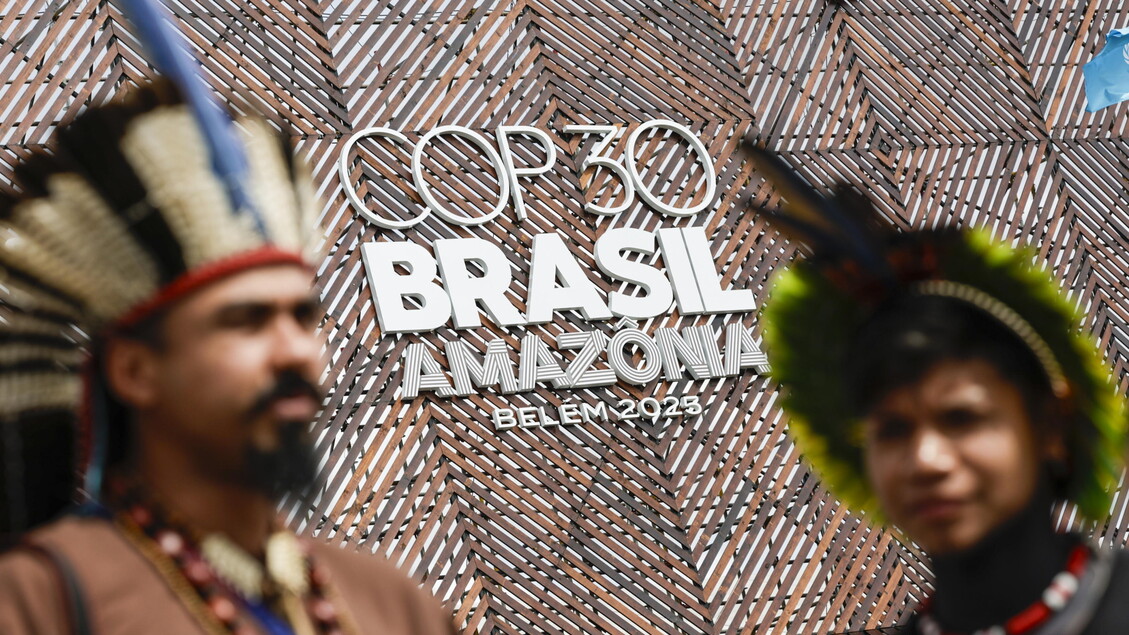
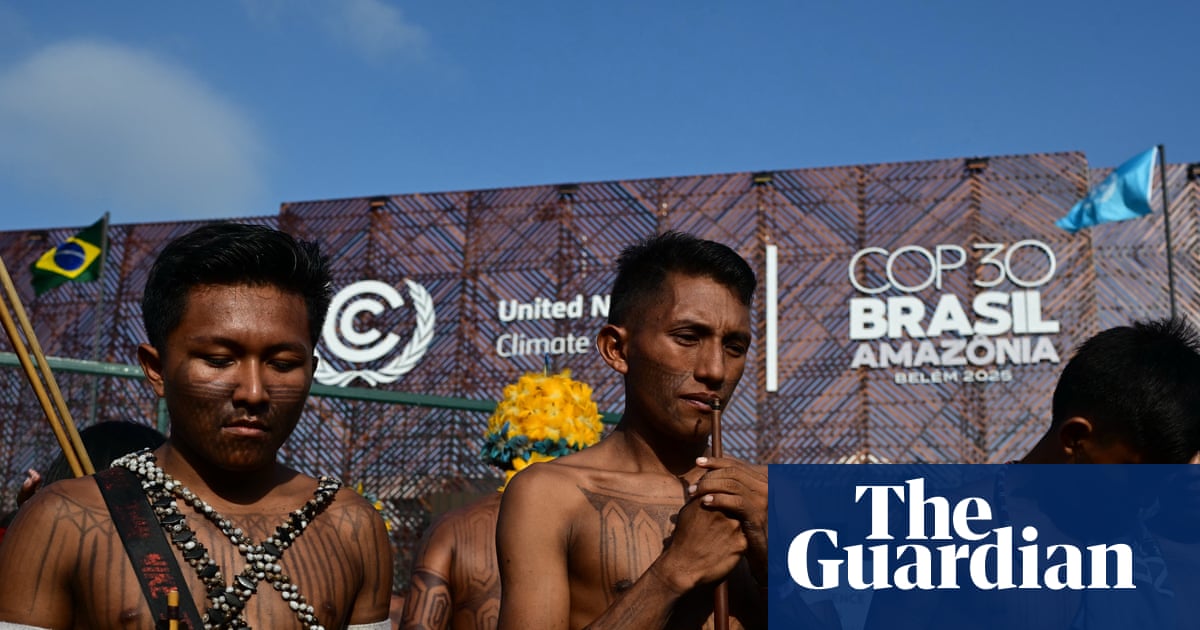
Thousands of diplomats, activists, journalists and lobbyists are gathering in the sweltering, tropical heat of Belém, at the mouth of the Amazon, for the Cop30 climate talks.
Since Brazil was awarded the hosting duties three years ago, hopes have been high that the Amazonian Cop – taking place in the country that hosted the Earth summit where the global fight for the climate first began – could be a turning point in the fight against climate breakdown.
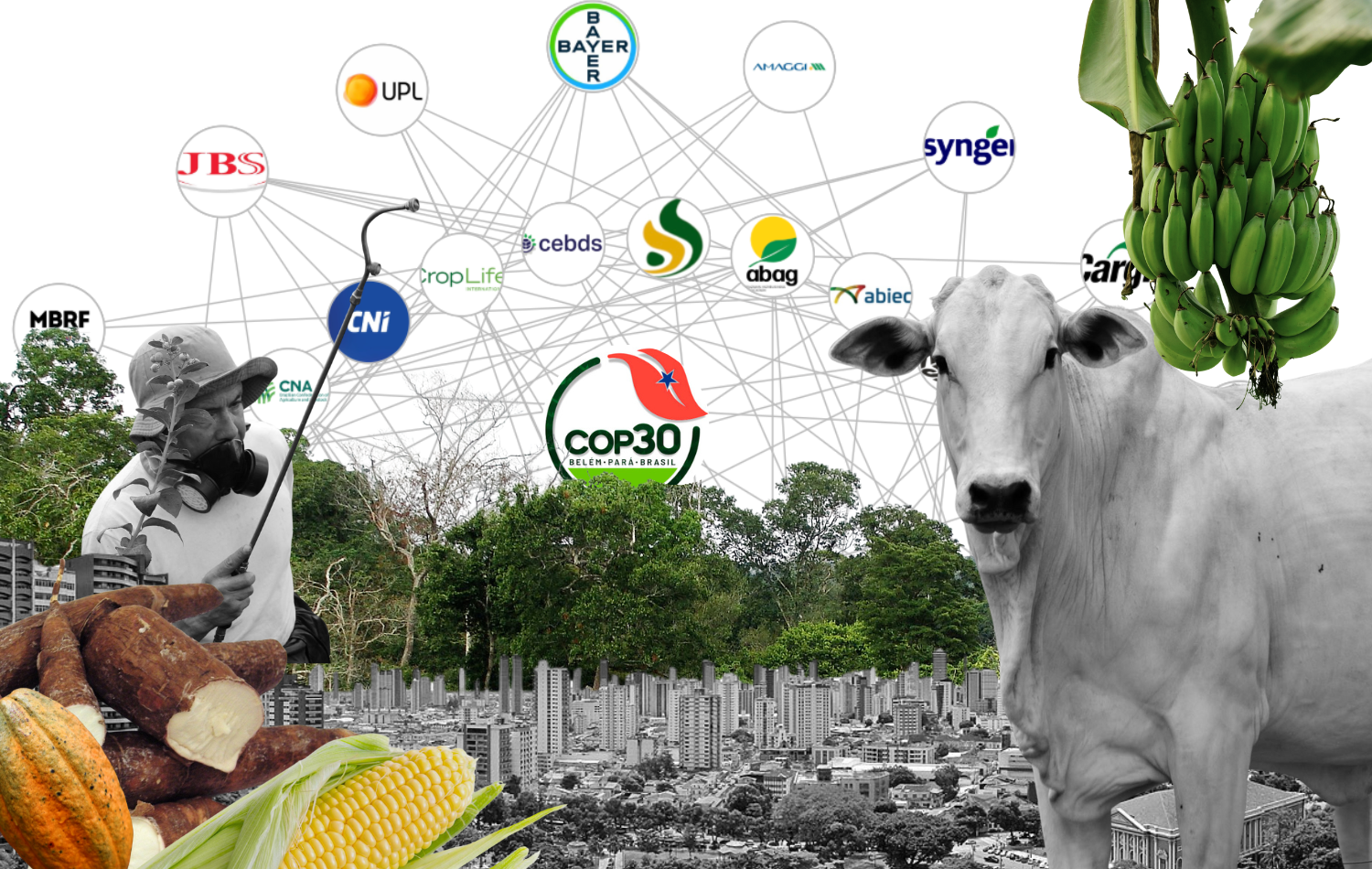
But there are fears that this 30th edition of the UN climate negotiations risks repeating the disappointments of previous years and that, rather than making material progress towards climate goals, the talks will once again be merely a jamboree of well-paid lobbyists and officials, while genuine climate concerns are sidelined.
Less-developed countries left Cop last year describing its outcome as a “staggering betrayal”. Critics have warned that the Cop process has become mired in misinformation and bad faith actors, that the travelling circus of the climate negotiations has become too big to be effective, and that it simply is not helping to secure a livable future.