https://arab.news/72n2c
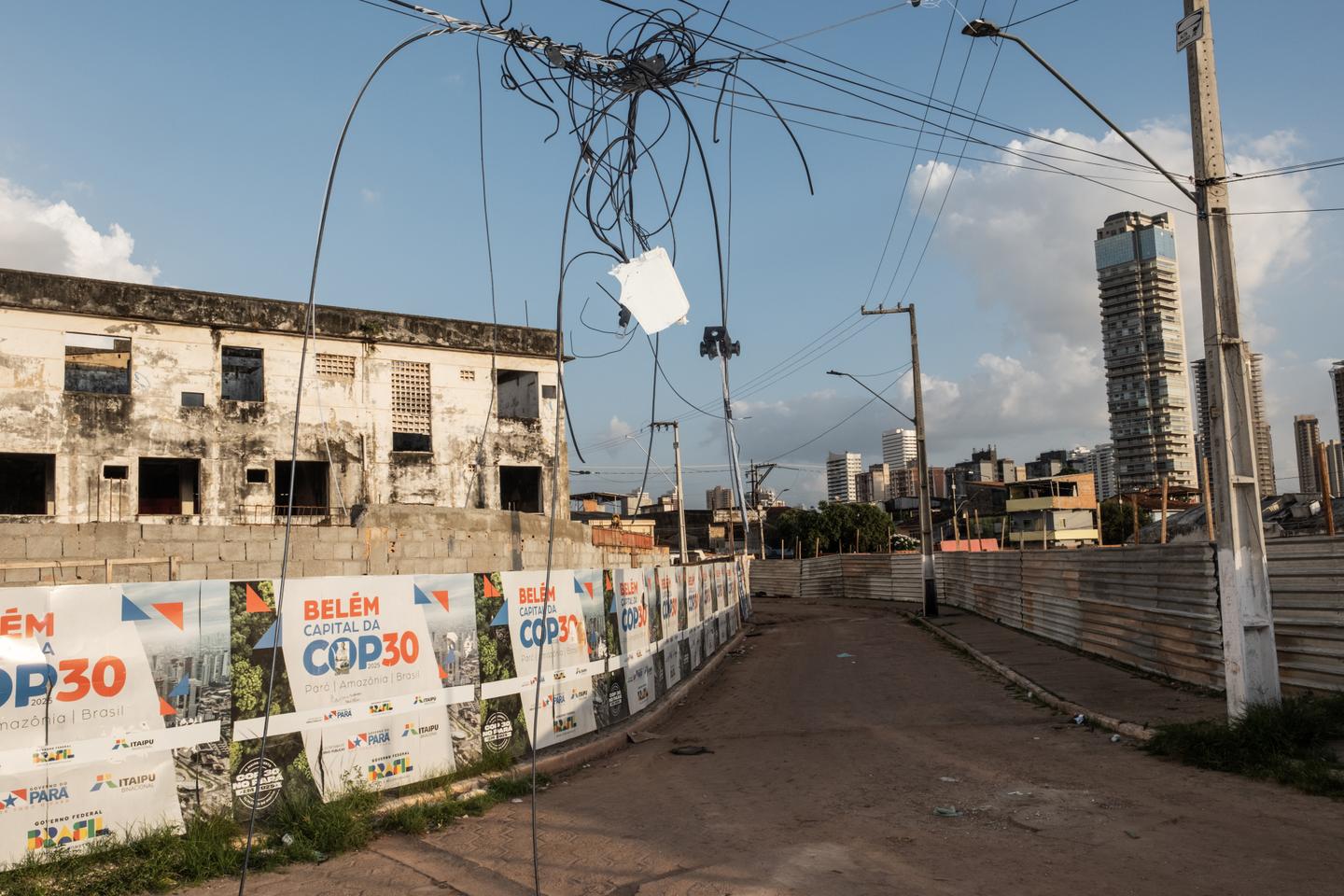
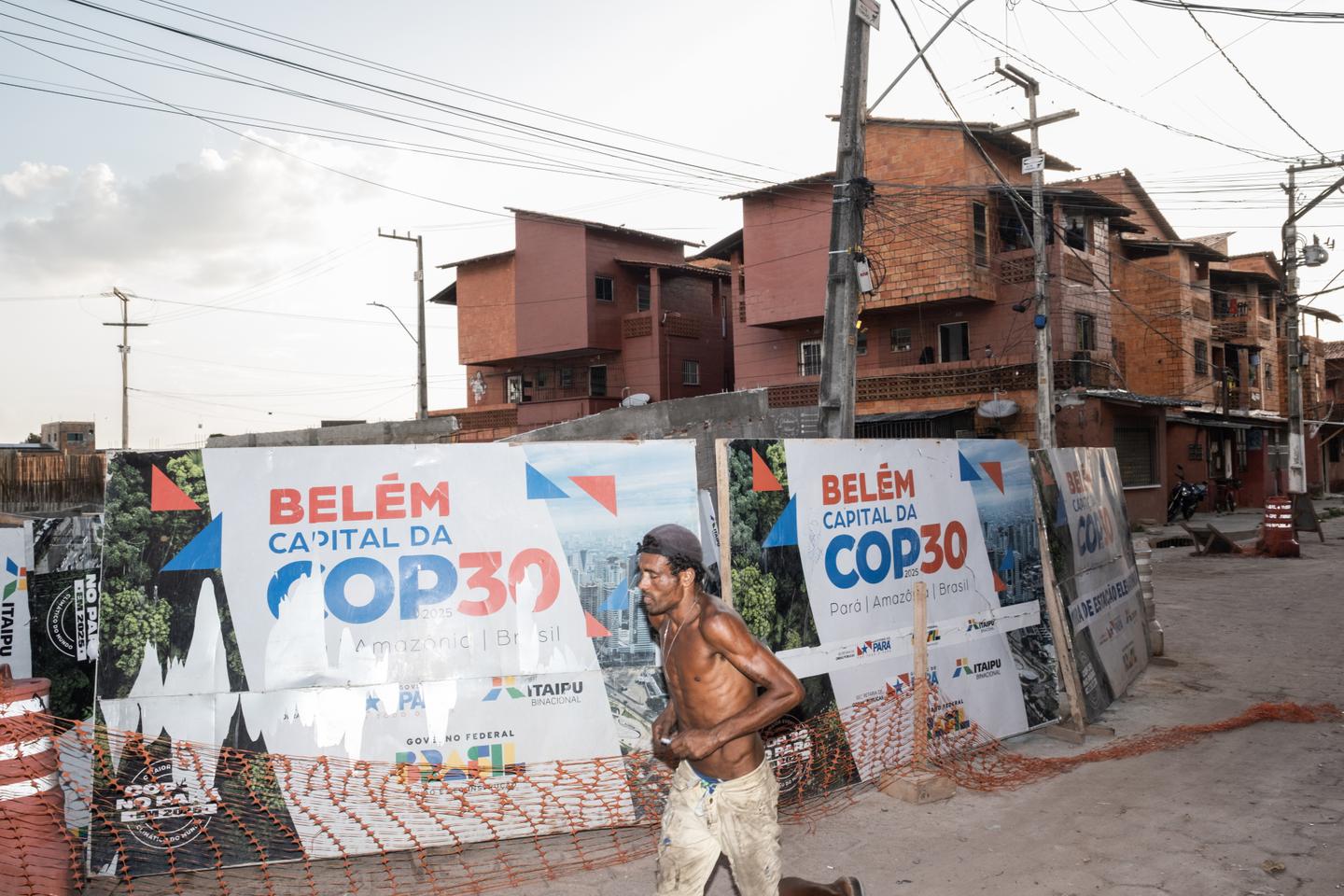
The COP30 climate summit, which will open in Belem, Brazil, next week, arrives at a crucial time when it comes to climate change and international climate governance.
Unfortunately, the world is still struggling to meet the goals established by the Paris Agreement. One of the issues is that, despite global awareness of climate change and substantial policy frameworks and progress, the gap between pledges and implementation continues to widen. As a result, this summit can be viewed as a test of whether the global community can translate long-standing commitments into tangible progress and results.
The location of Belem, deep in the Amazon basin, points to the importance of protecting biodiversity and forests while addressing global climate imperatives. By hosting the summit in one of the world’s most ecologically significant regions, Brazil is stressing the fact that climate action is inseparable from ecological preservation, as well as the protection of the livelihoods of indigenous and local communities.
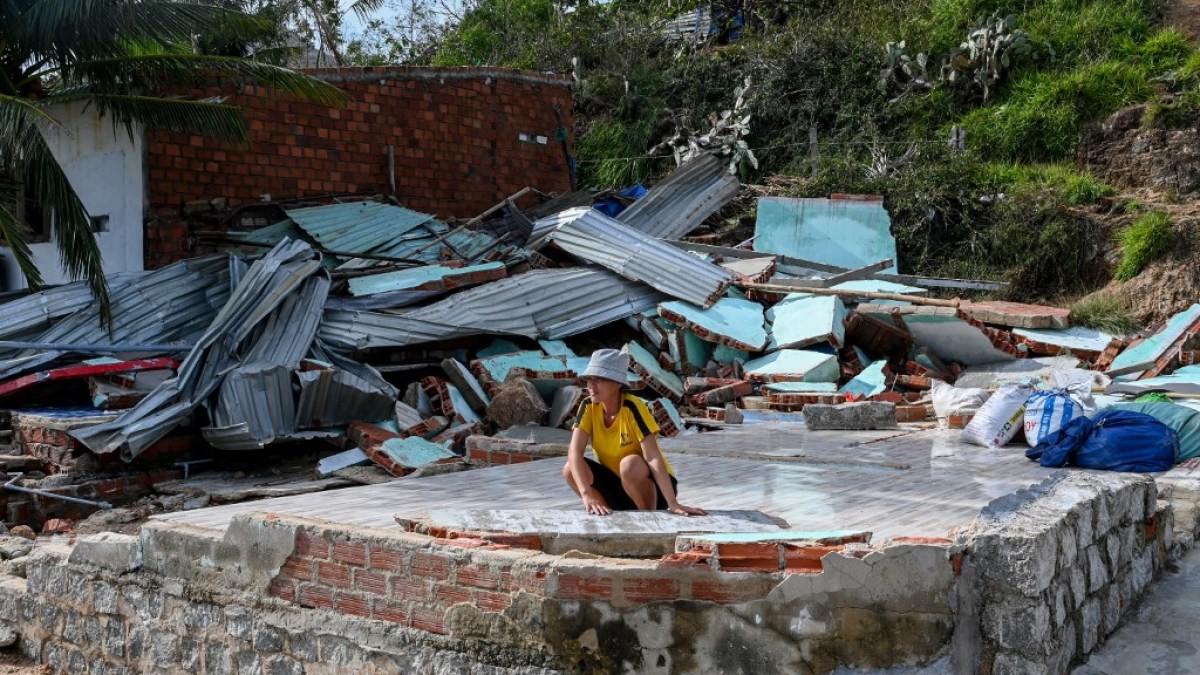
The key problems the world is facing are that temperatures continue to rise, extreme weather events are intensifying and vulnerable populations are bearing the brunt of consequences they contributed little to creating. Within this context, COP30 should not be just a ceremonial declaration — it is an opportunity to demonstrate that the international climate regime can still operate effectively.