S
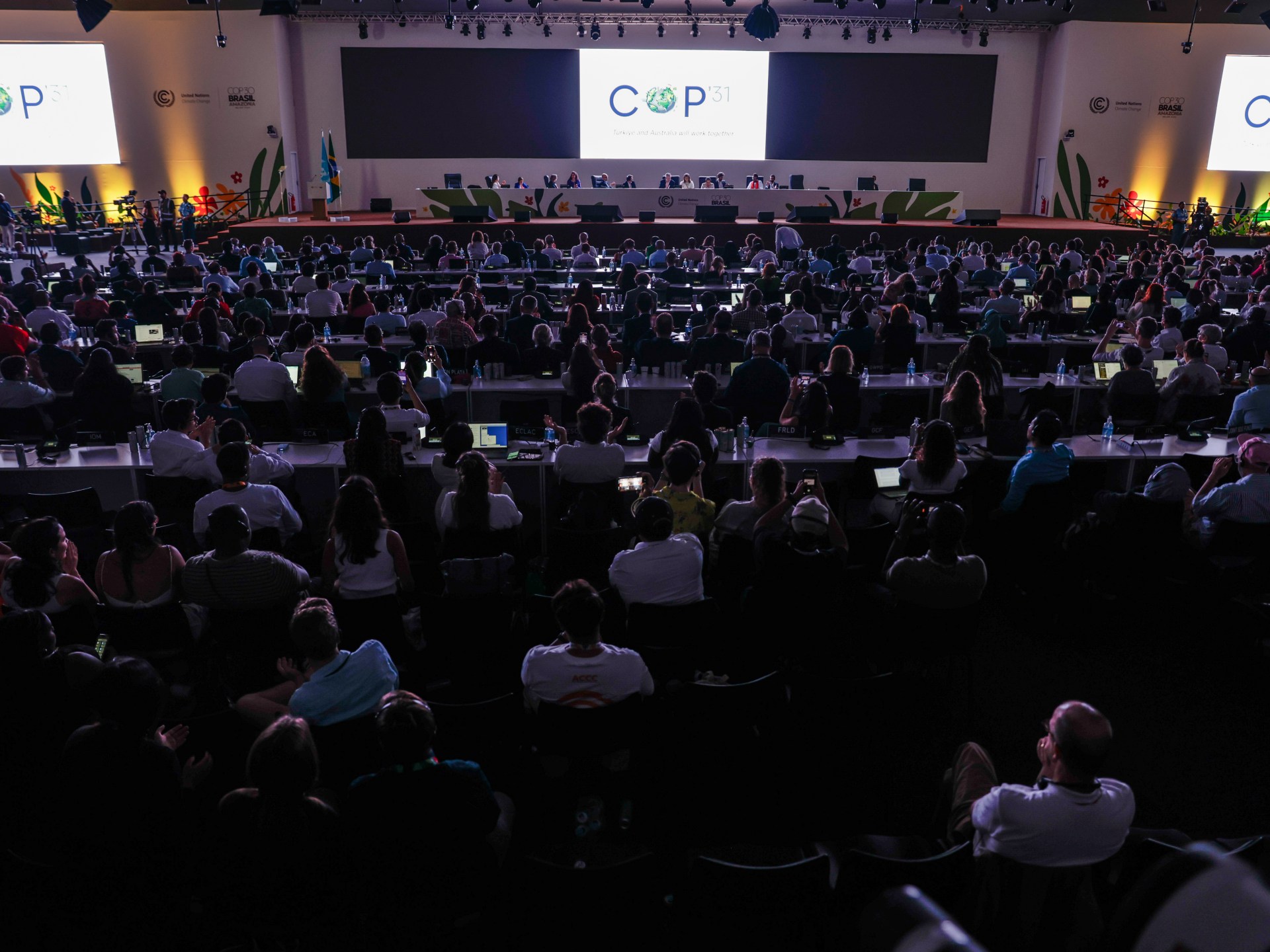
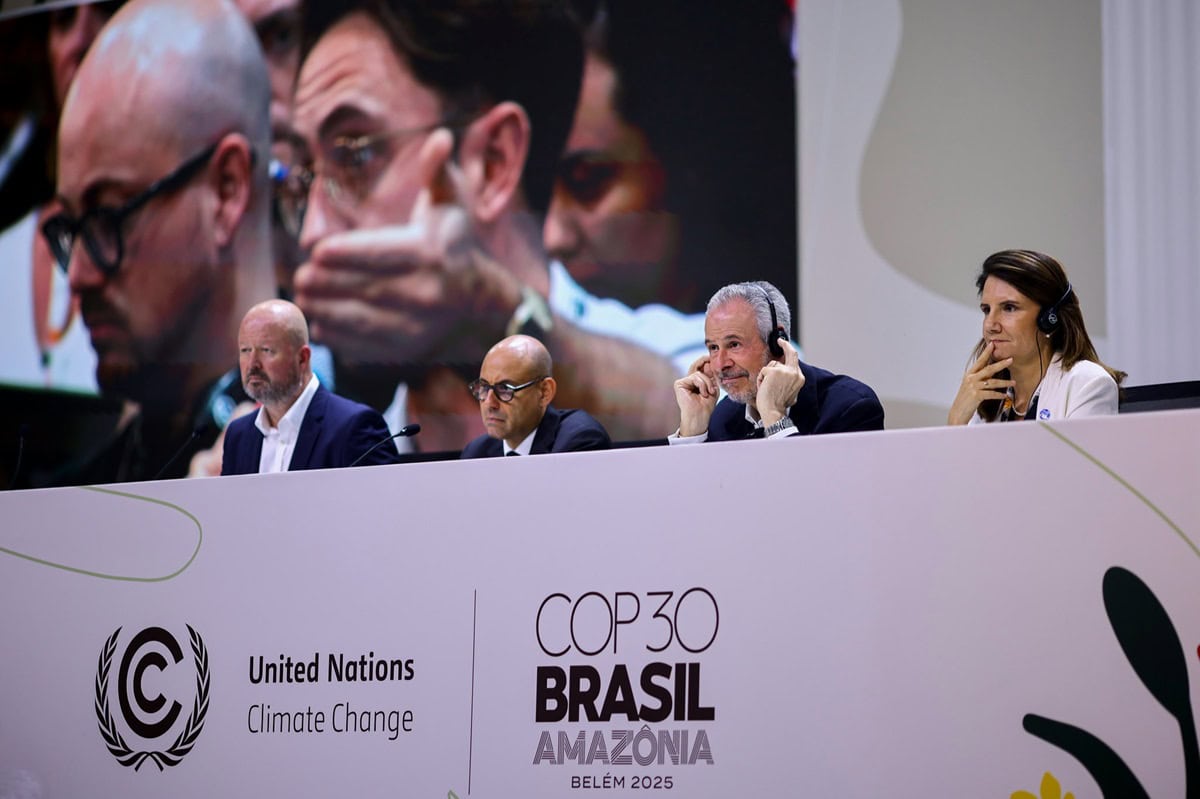
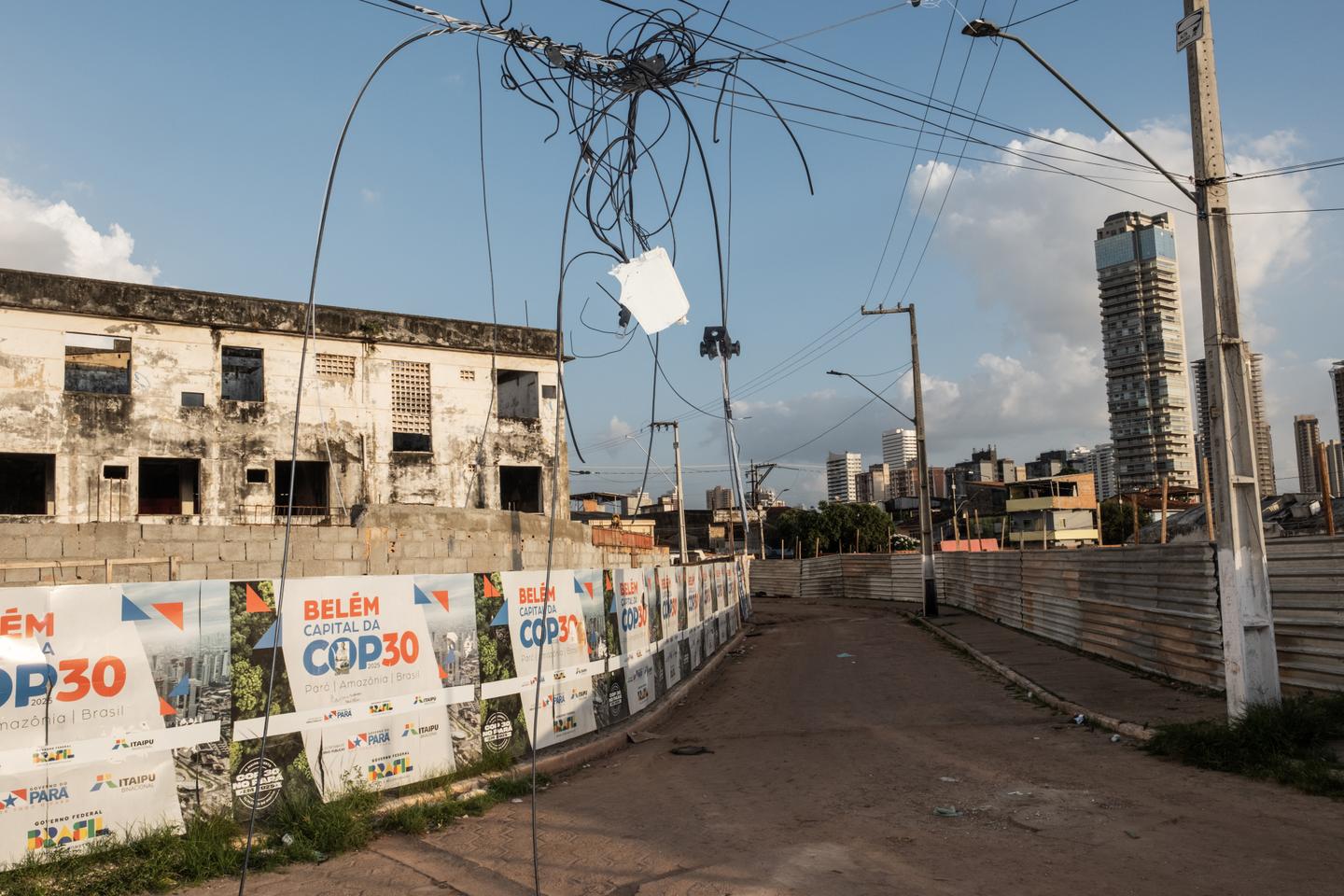
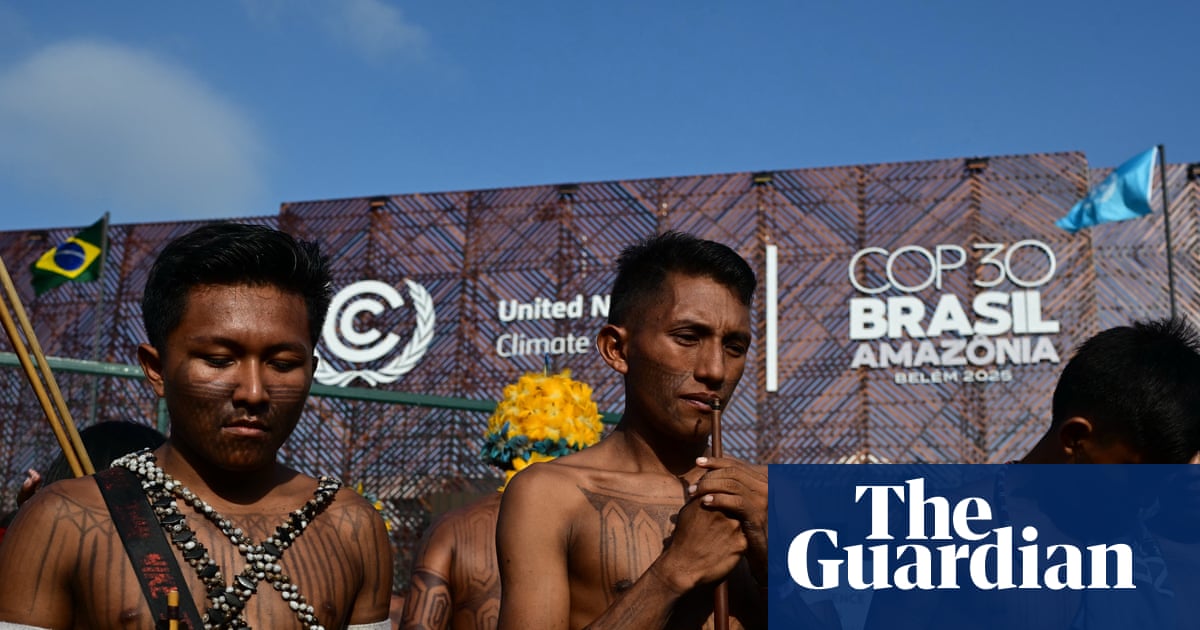
taying the course, even at the expense of slowness, lack of ambition and concessions. The outcome of COP30 in Belem, Brazil, which concluded on Saturday, November 22, could be summed up as a disappointing yet slightly reassuring balance, oscillating between major letdown and minor relief. Delegations from 194 countries did reach an agreement, but it fell short of expectations and the urgent needs of the climate crisis.
In a multipolar world marked by rising geopolitical and trade tensions, with the United States, the world's leading power, disputing climate change, and deep-rooted mistrust between the Global North and South, there was no crucial push to speed up implementation of the Paris Agreement commitments, adopted a decade ago.
The glass could be viewed as half-full, given that the position taken by Donald Trump's United States has not created a dynamic that calls into question the reality of climate change and the need for action. The 194 countries "strongly reaffirmed" their commitment to multilateralism and to the Paris Agreement, meaning the worst was avoided. Some progress was also made, such as increased financial efforts for adaptation. But the nations most vulnerable to heatwaves or floods must be content with targets that could be interpreted any way they liked.