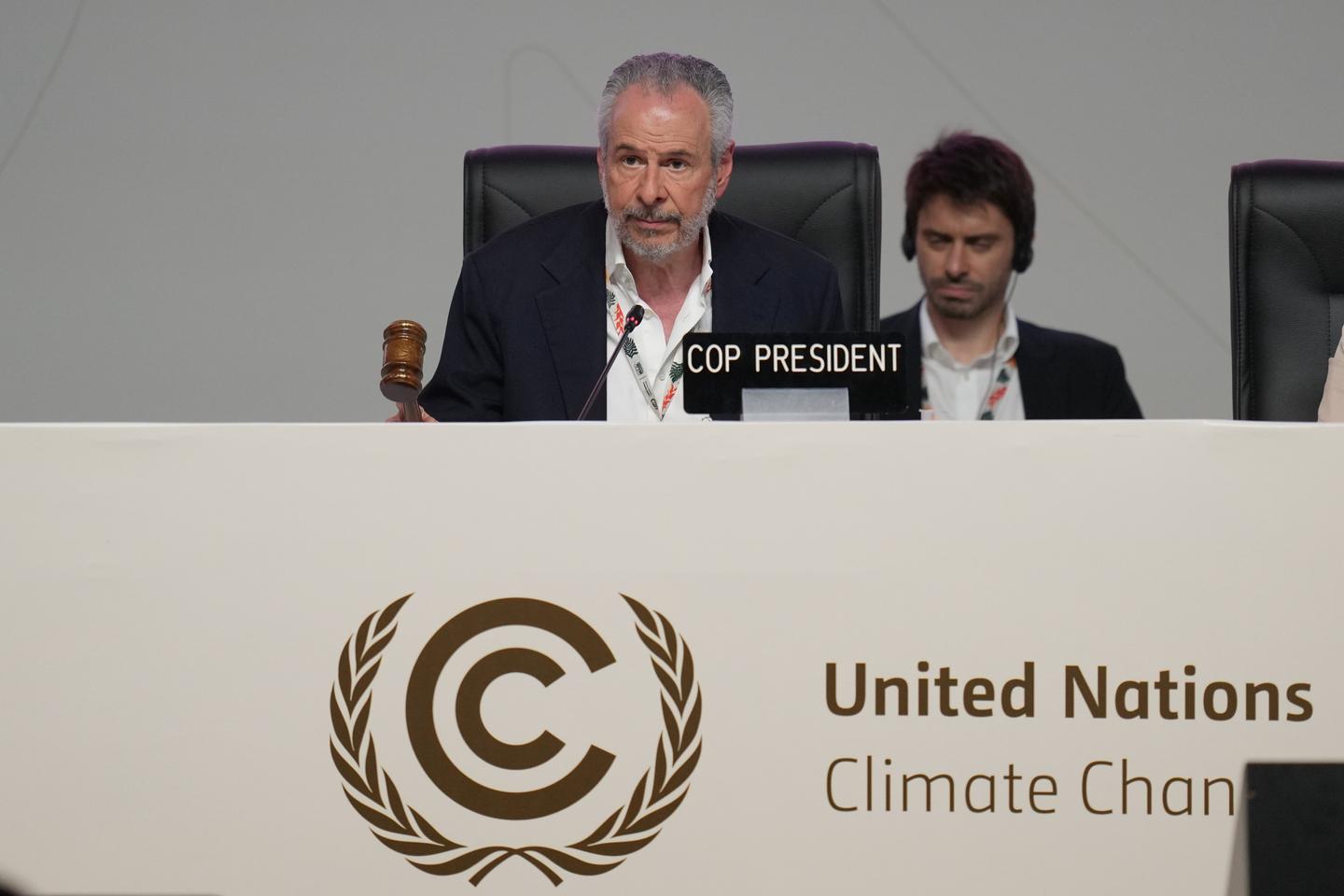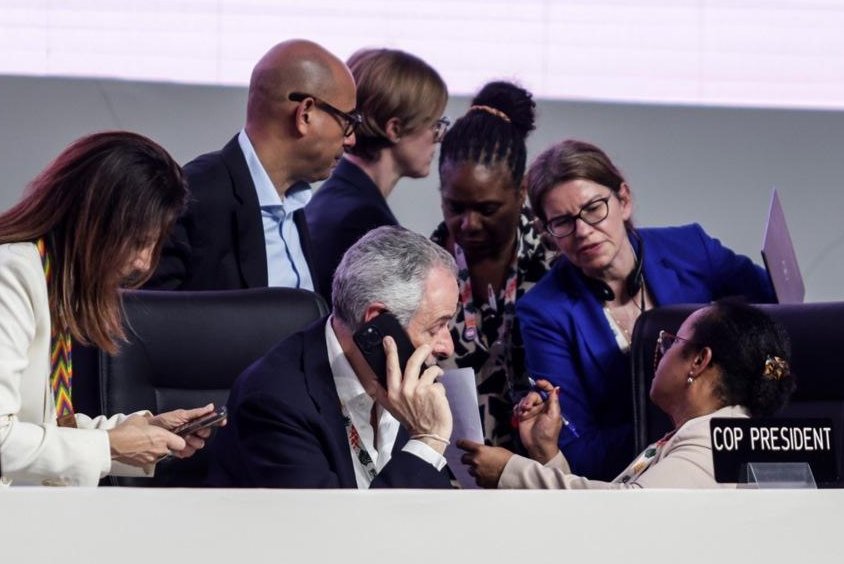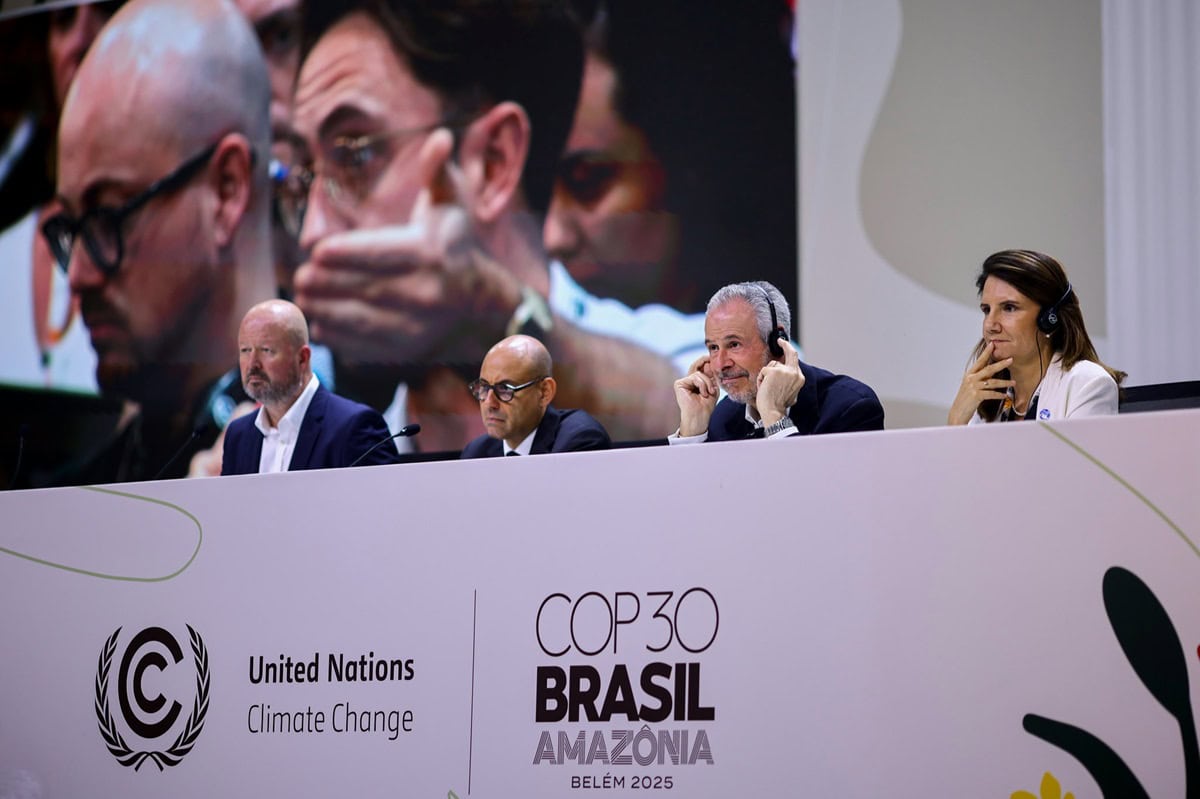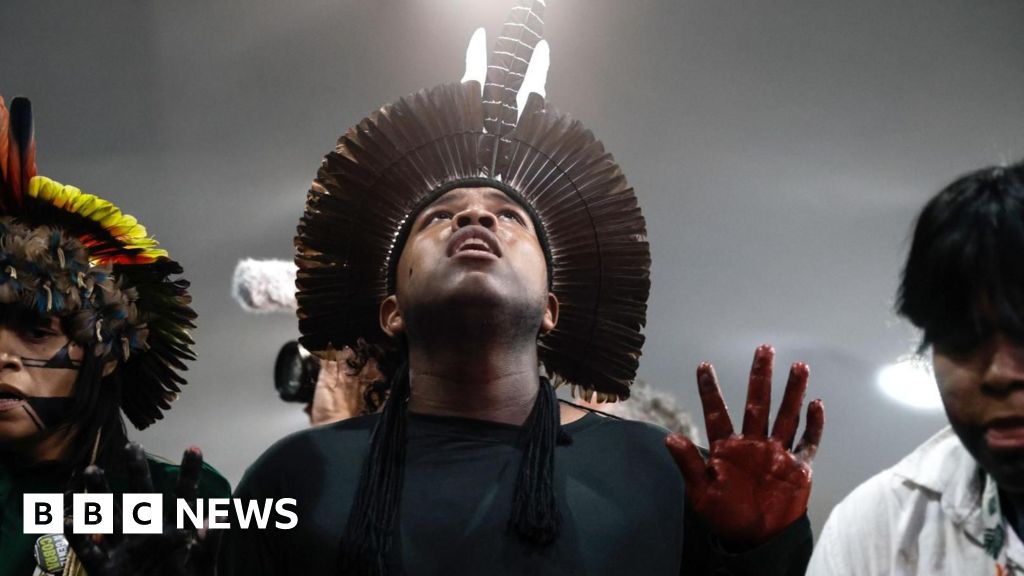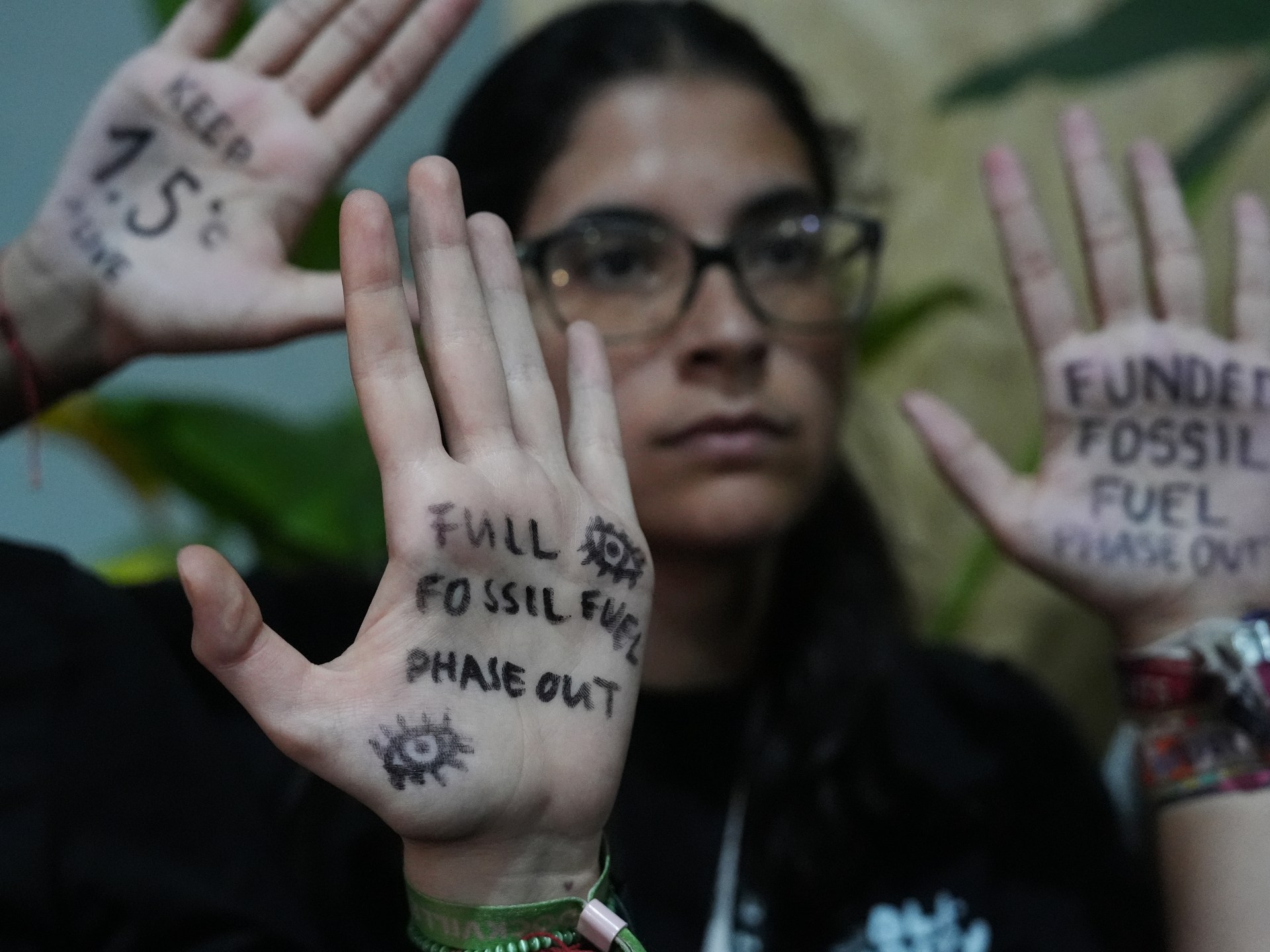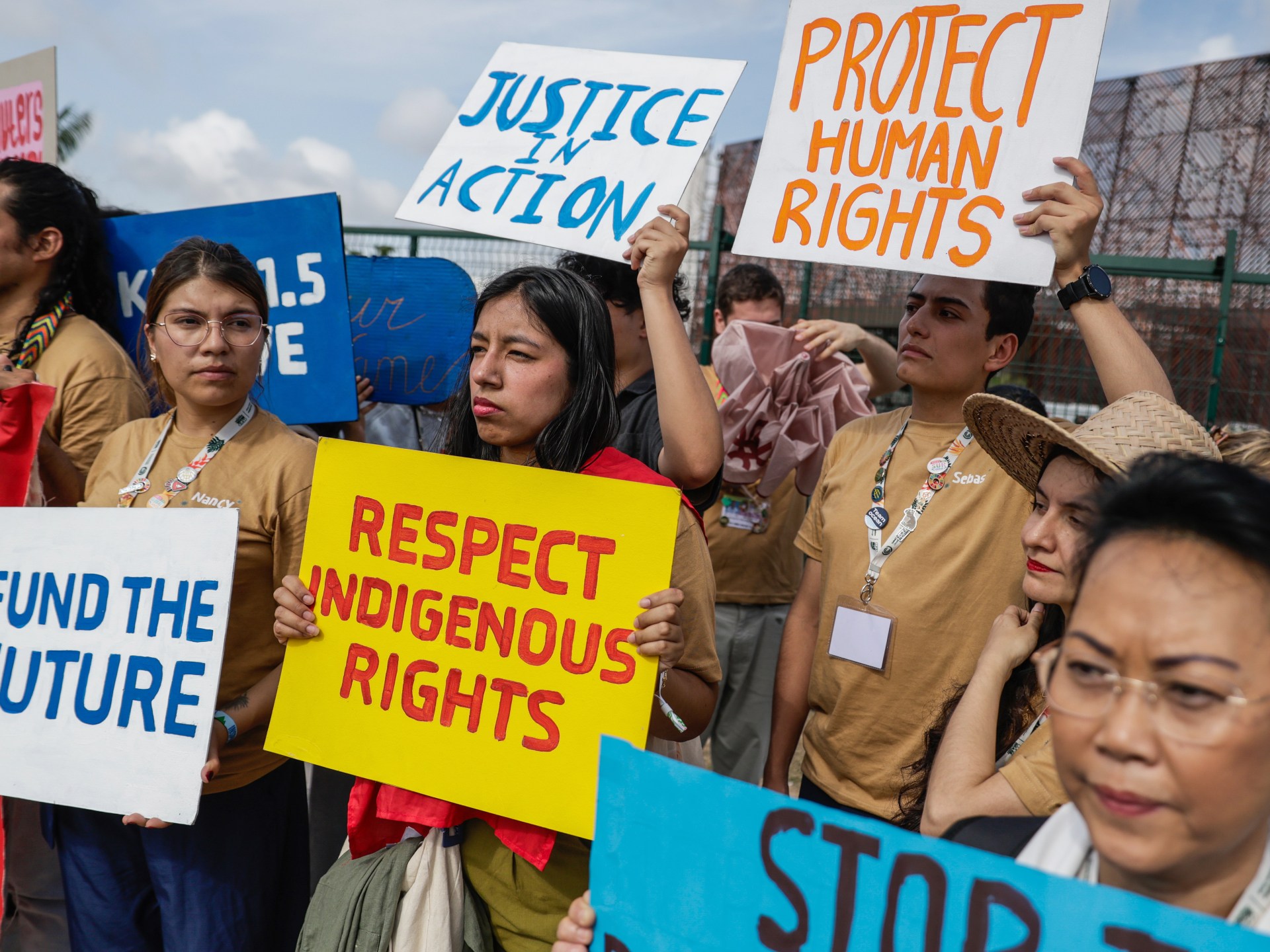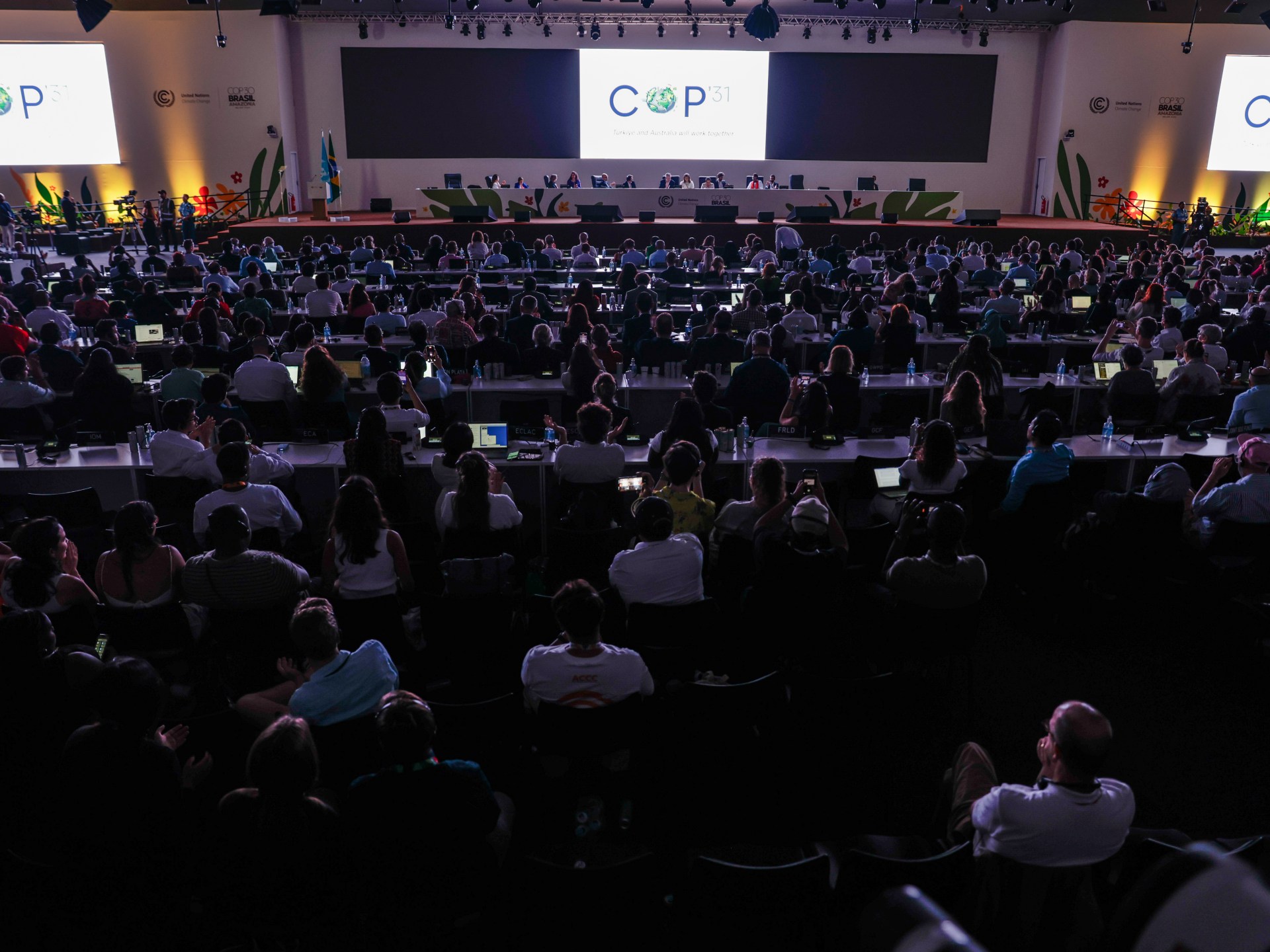
Brazil’s COP30 presidency pushed through a compromise climate deal on Saturday that would boost finance for poor nations coping with global warming, but that omitted any mention of the fossil fuels driving it.
In securing the accord, Brazil hoped to demonstrate global unity in addressing climate change impacts, even after the world’s largest historical emitter, the United States, declined to send an official delegation.
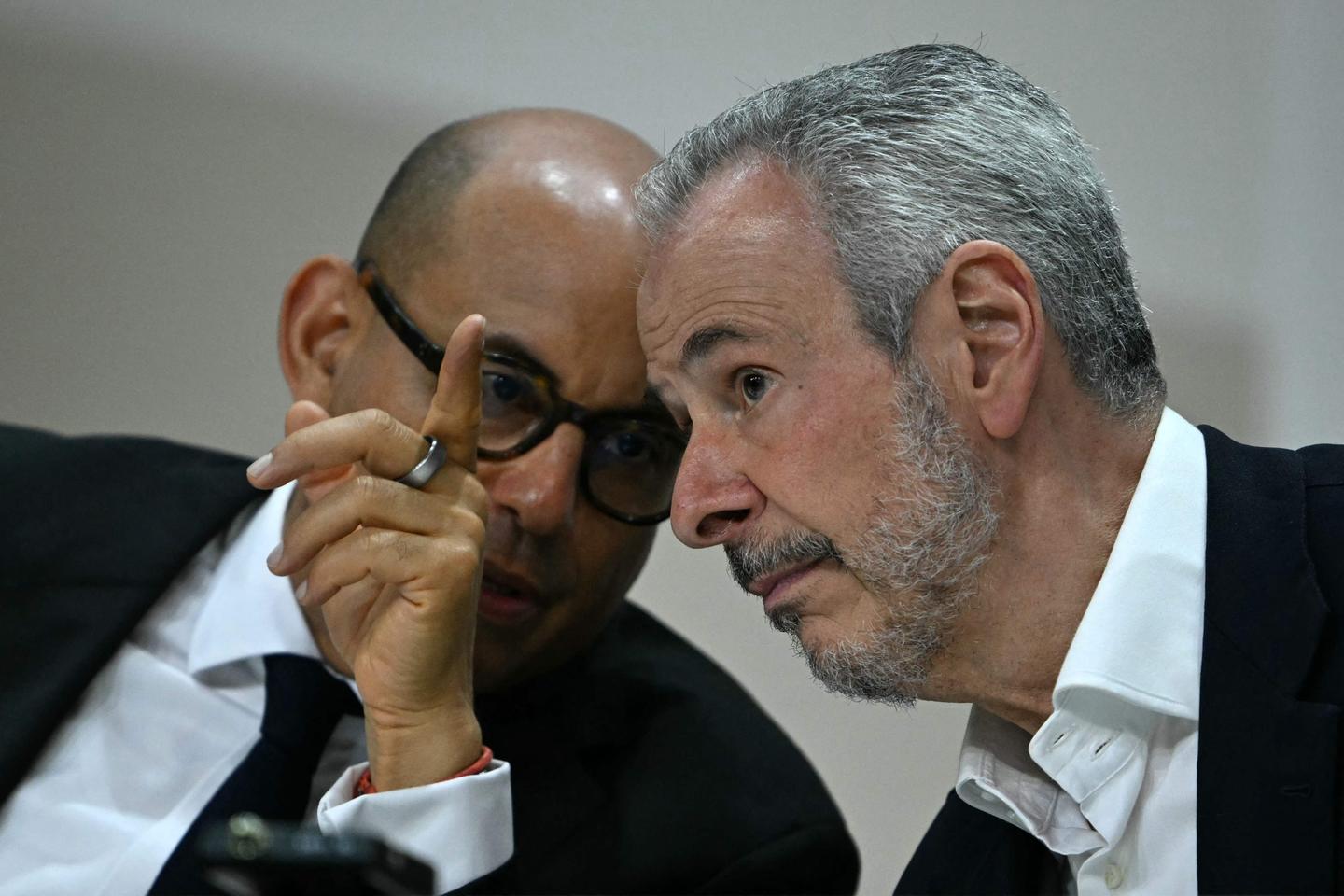
Acknowledging that the deal left many frustrated, the head of the U.N. climate secretariat (UNFCCC) praised the delegates for coming together in a year of denial and division.
“I’m not saying we’re winning the climate fight. But we are undeniably still in it, and we are fighting back,” UNFCCC Executive Secretary Simon Stiell said in a statement.
The agreement, which landed in overtime after two weeks of contentious negotiations in the Amazon city of Belem, exposed deep rifts over how future climate action should be pursued.