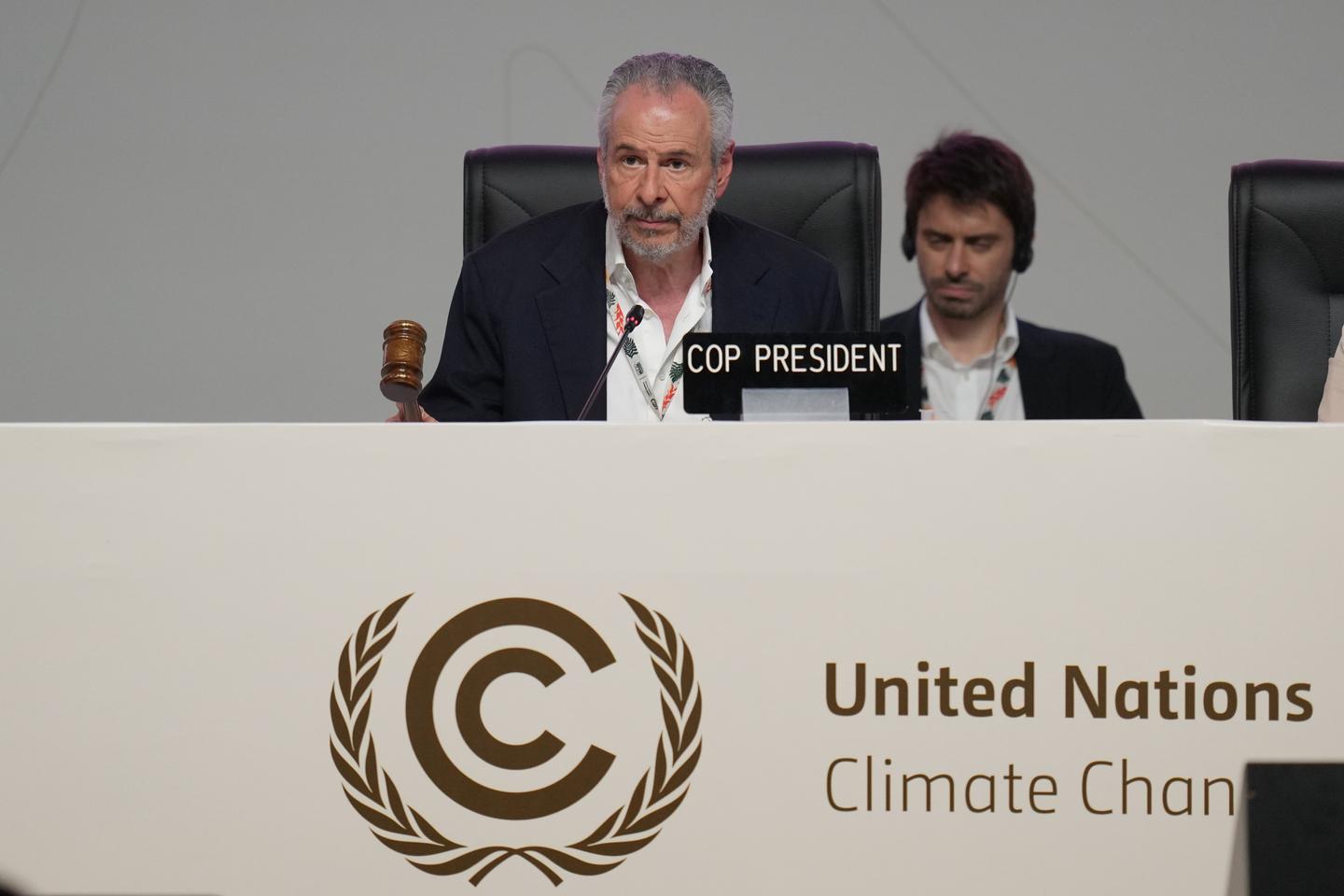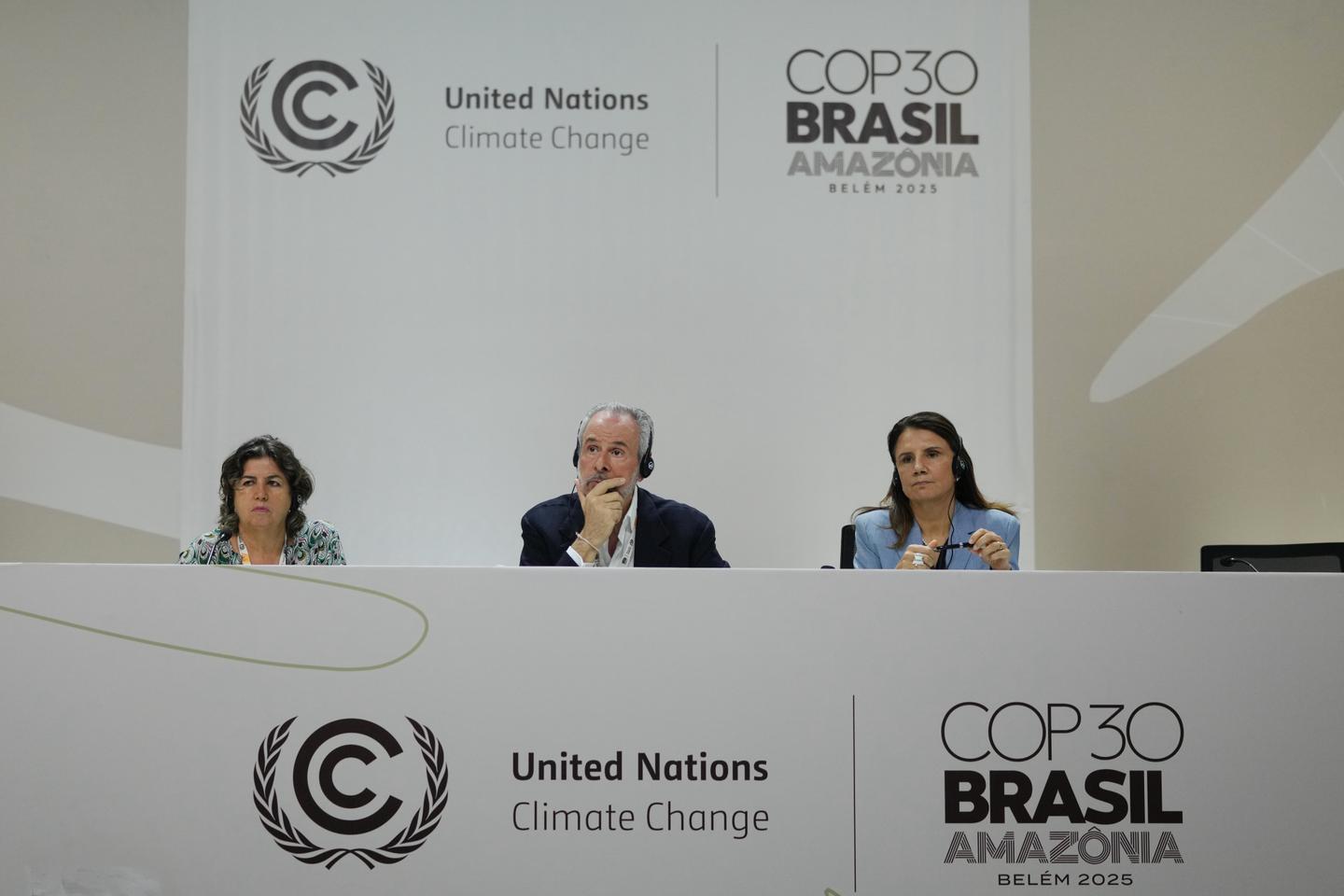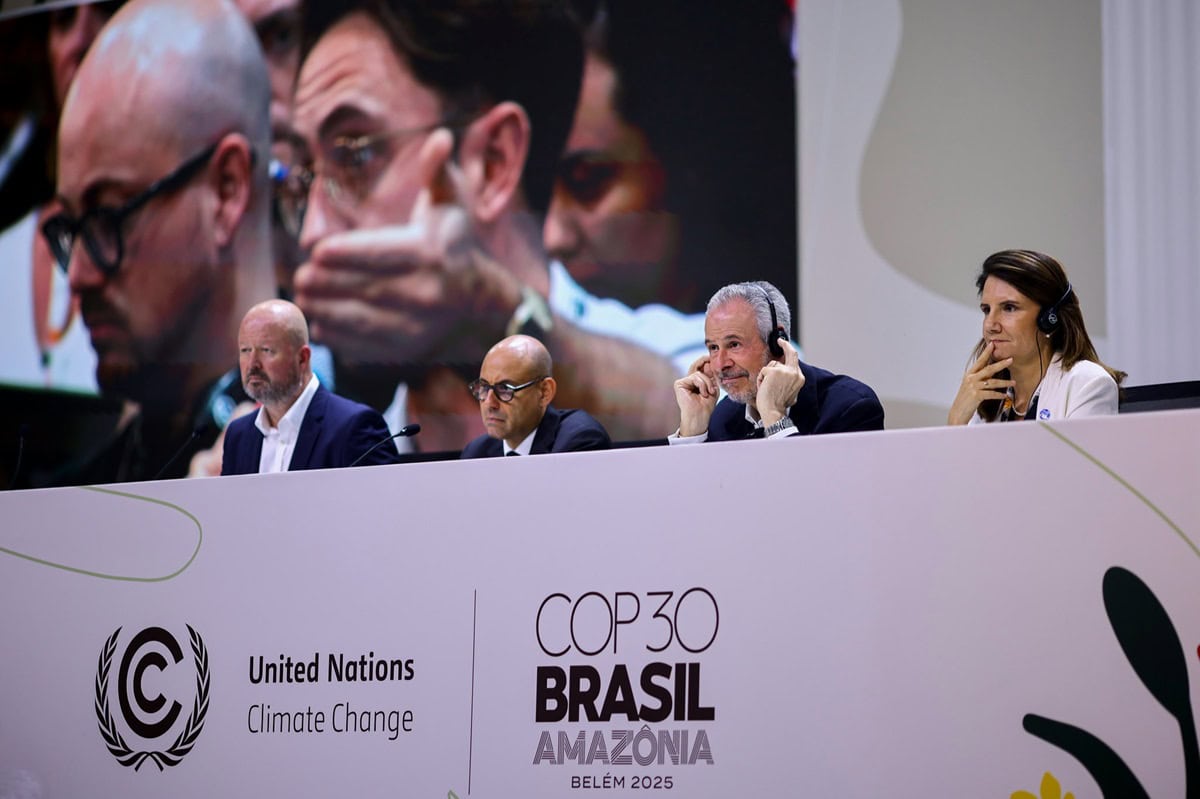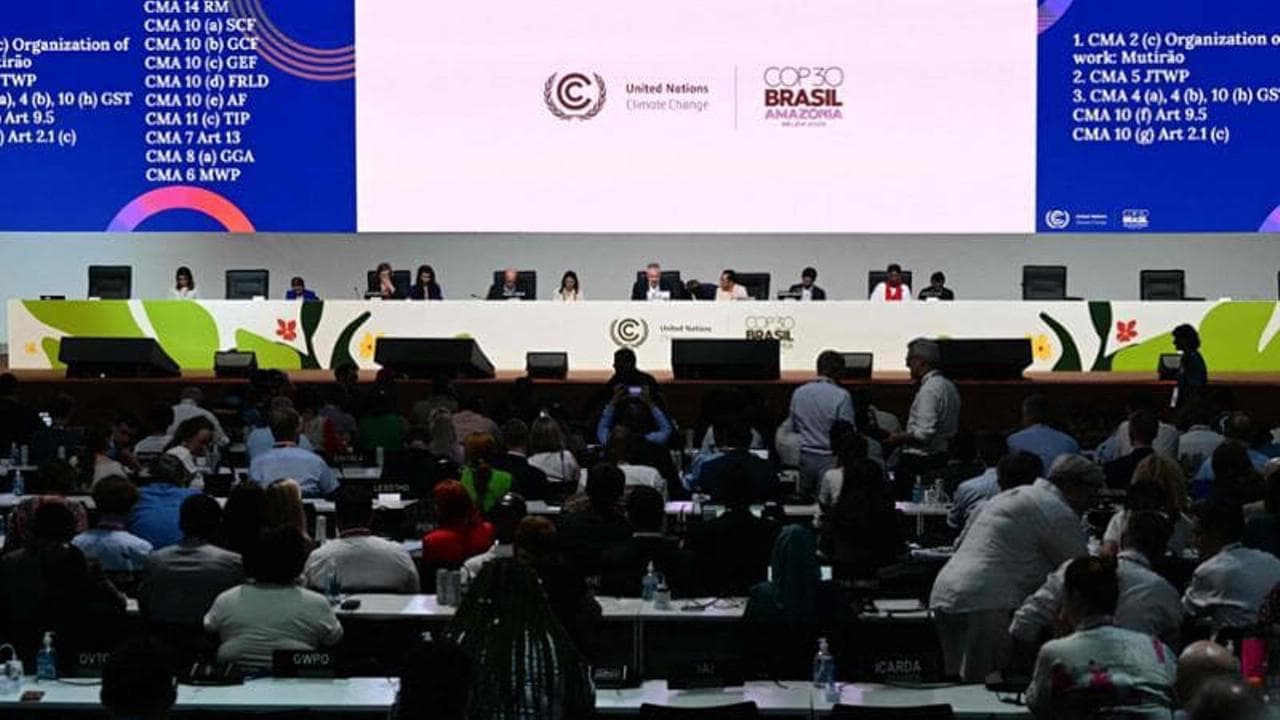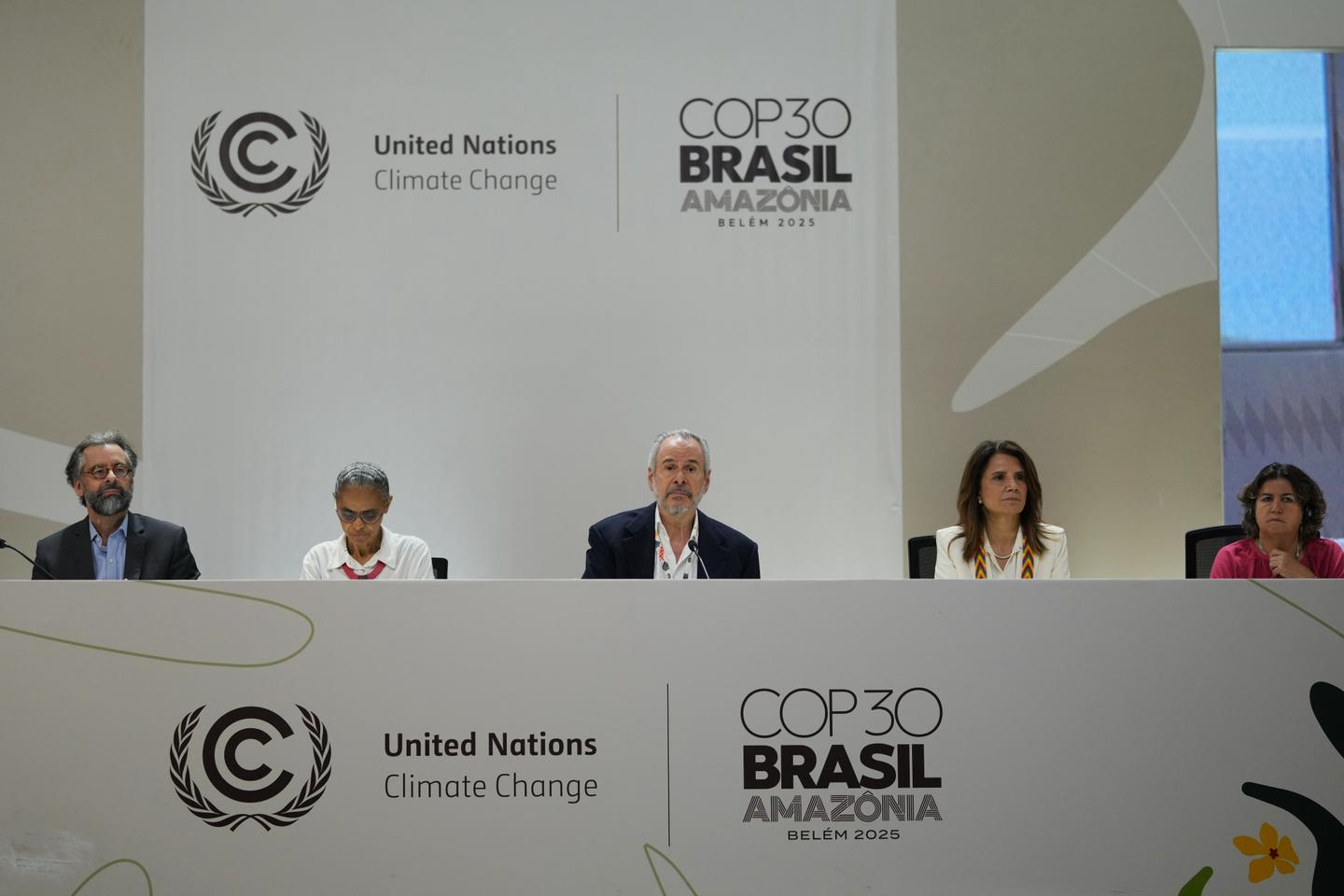
Marina Silva, Brazil's environment minister (second from left), André Corrêa do Lago, COP30 president (center), and Ana Toni, COP30 director general (second from right), at the United Nations Climate Summit (COP30) on November 22, 2025, in Belém, Brazil. ANDRE PENNER / AP
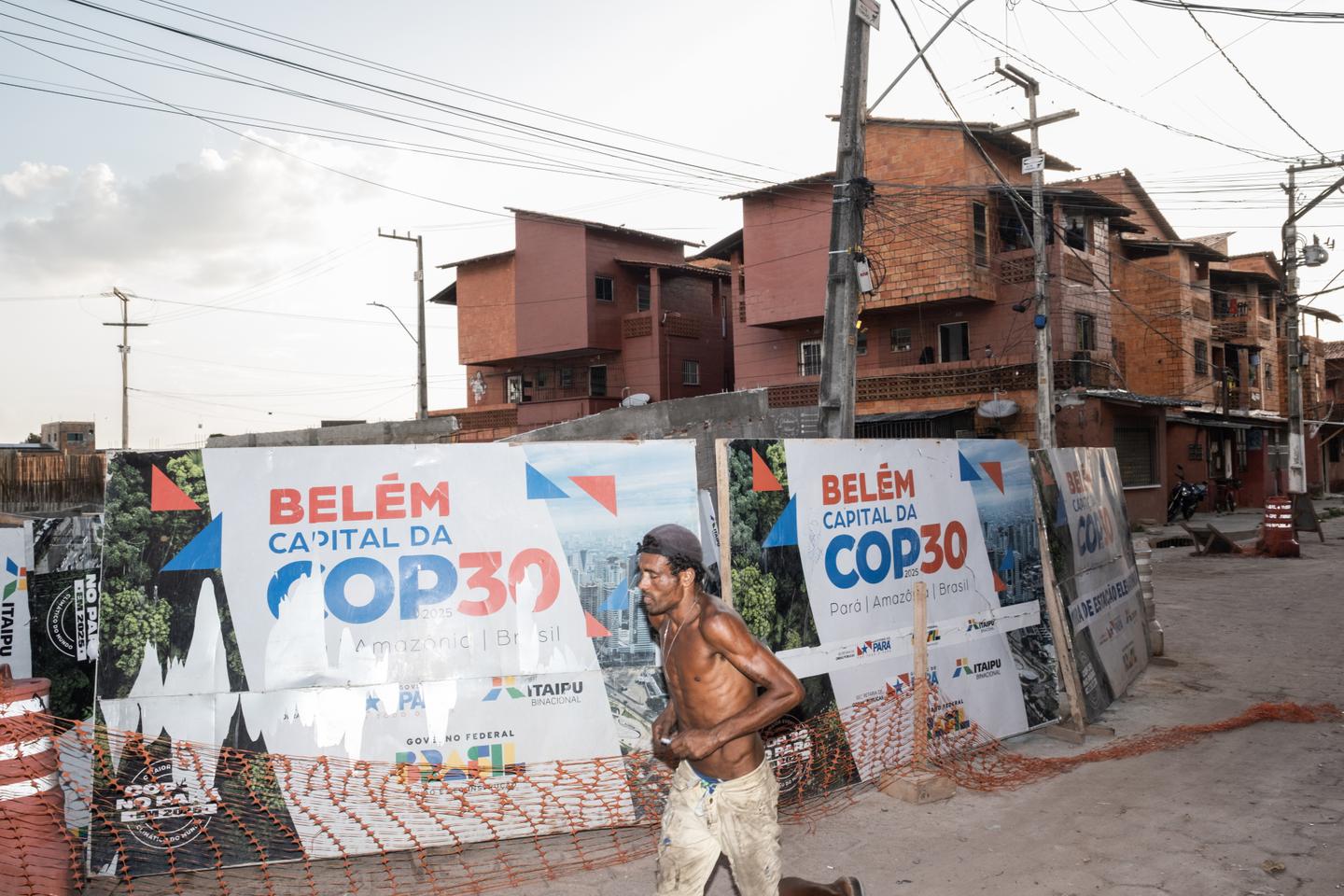
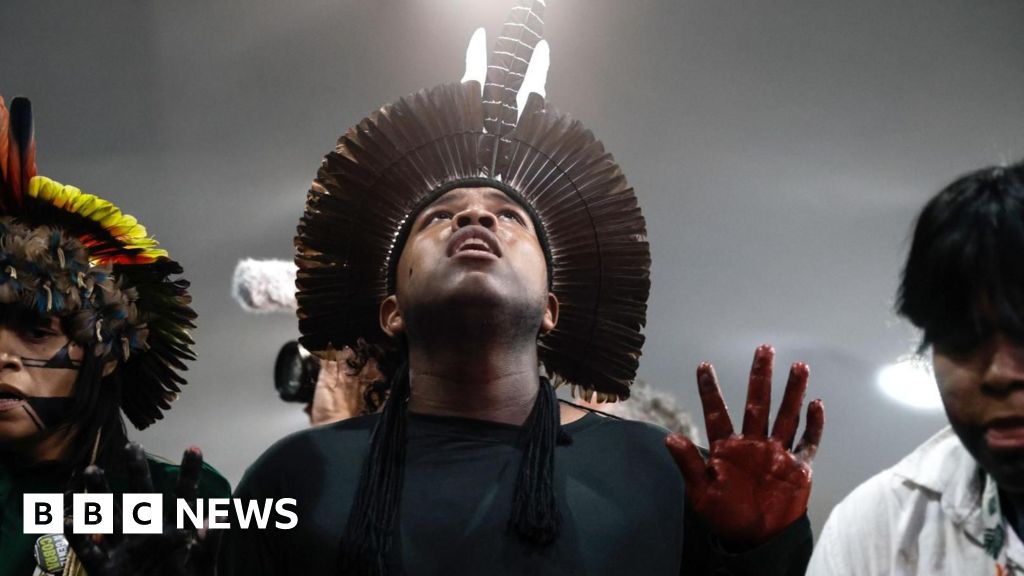
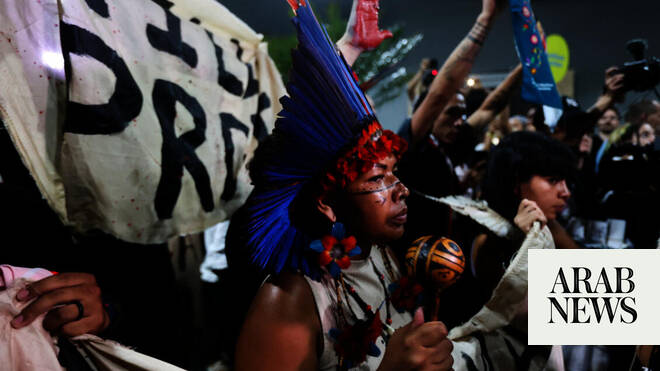
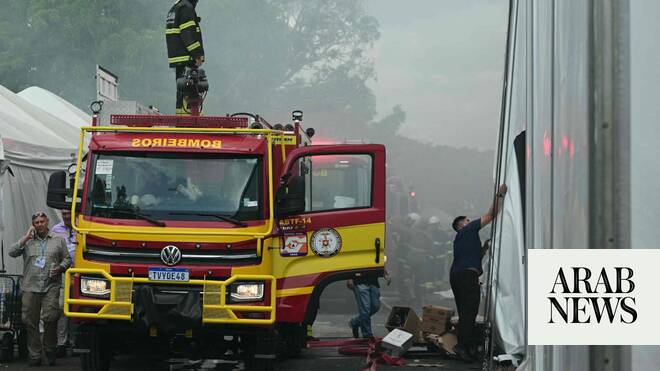
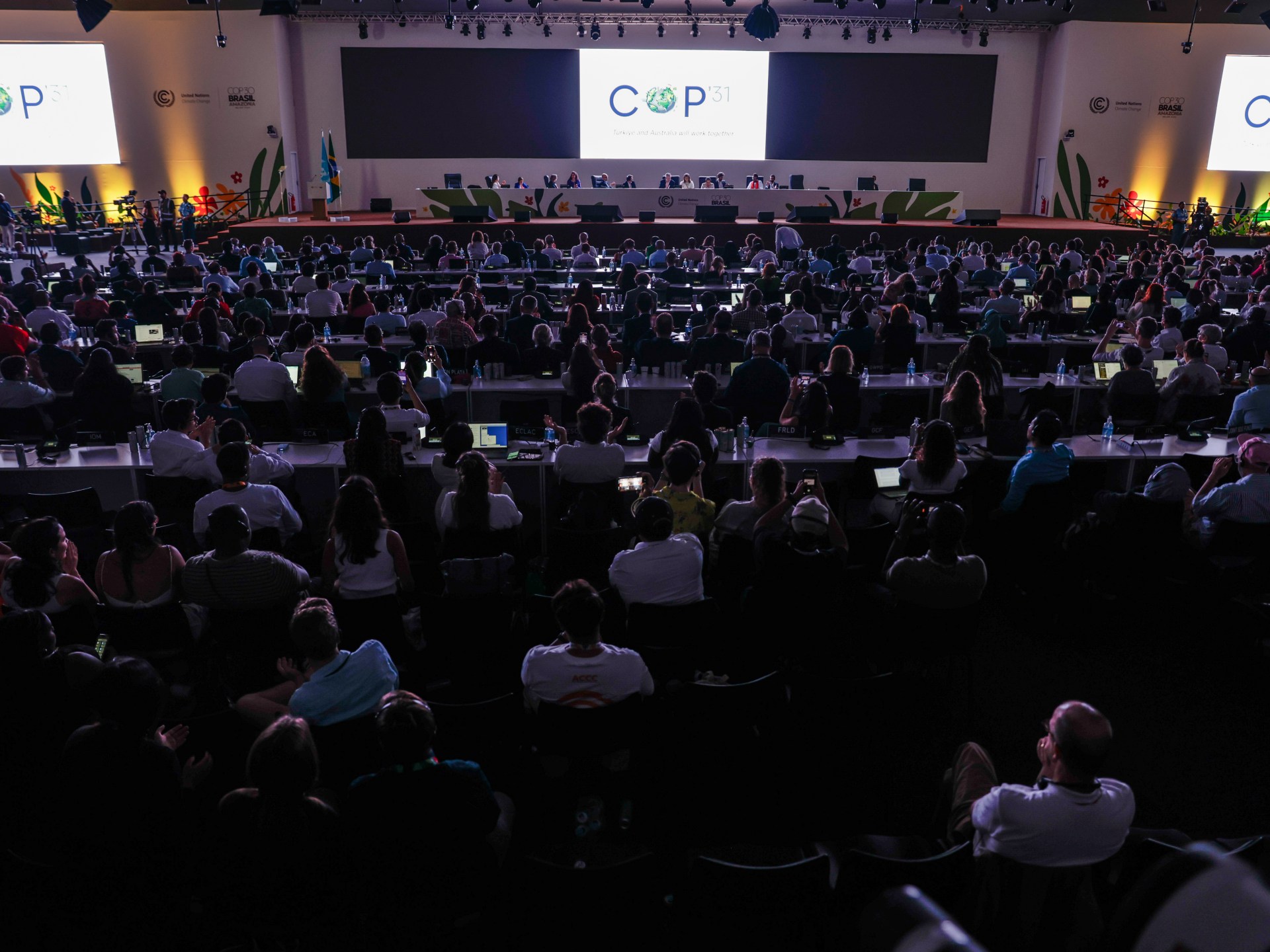
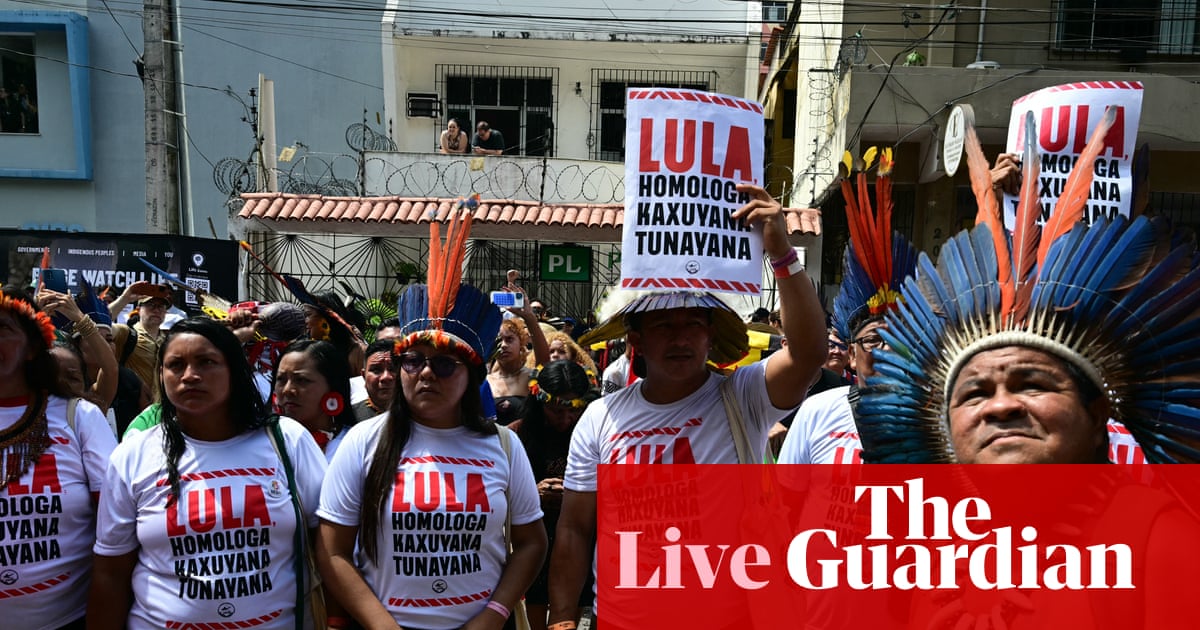
A conference center set ablaze in an overheated world. A global climate summit at the edge of the world's largest rainforest. Indigenous peoples clashing with security forces just meters from the negotiation halls. The COP30 summit in Belem, Brazil, was loaded with symbolism. It ended on Saturday, November 22, without achieving its most vital goal: accelerating the fight against global warming. This comes 10 years after the Paris Agreement was adopted and the 1.5°C threshold was crossed for the first time in 2024.
Delegations from 194 countries, who had gathered since November 10 in the riverside city in northern Brazil, reached an agreement that fell short of expectations and the urgency of the climate crisis. The deal calls for increased funding to help nations adapt to climate change, but fails to establish a plan to phase out fossil fuels, the main driver of global warming. It also barely addresses the insufficient ambition in national climate roadmaps, which remain far from what is needed to avert the worst impacts of the crisis. Still, while real progress was limited, COP30 at least avoided any backsliding.