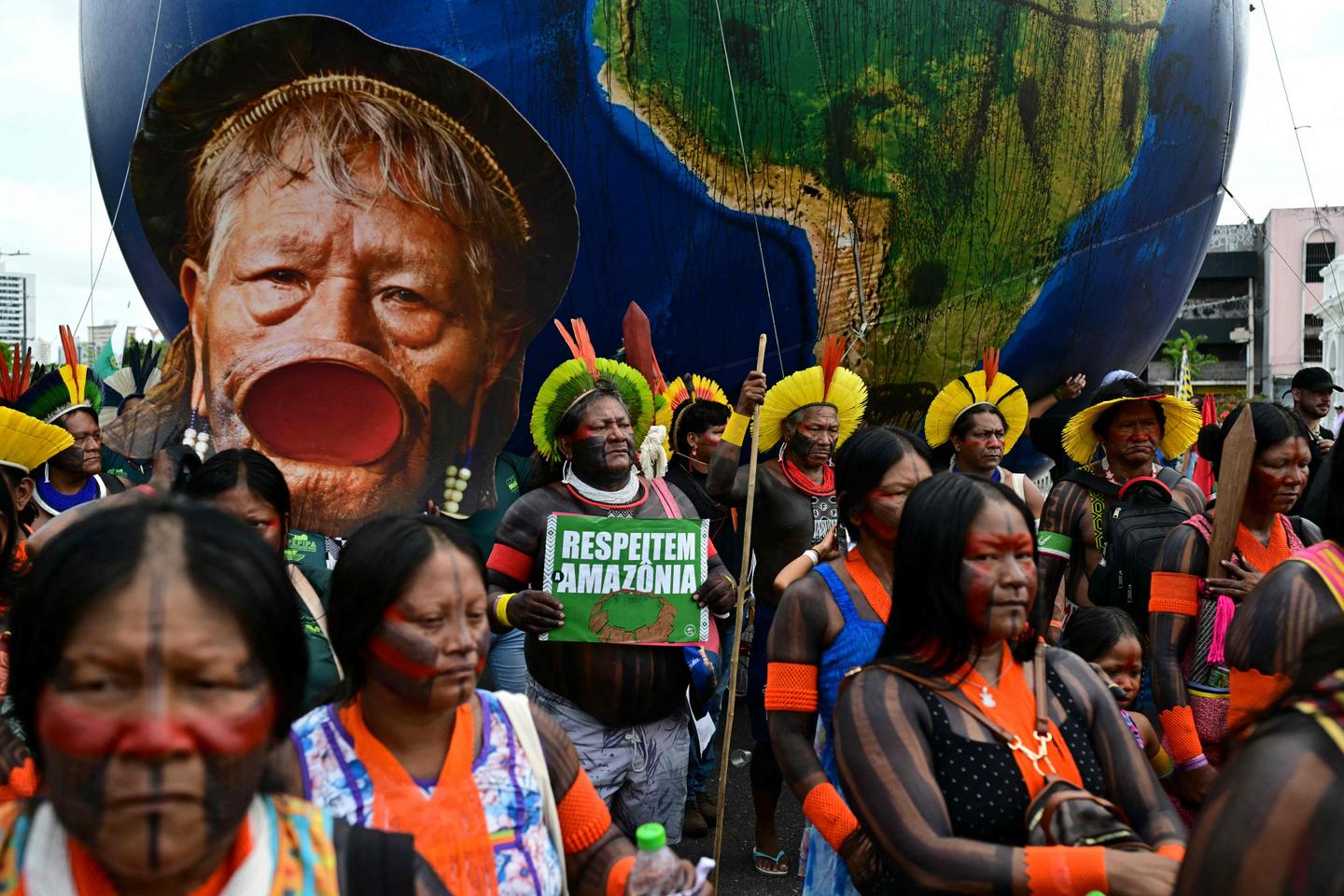
O
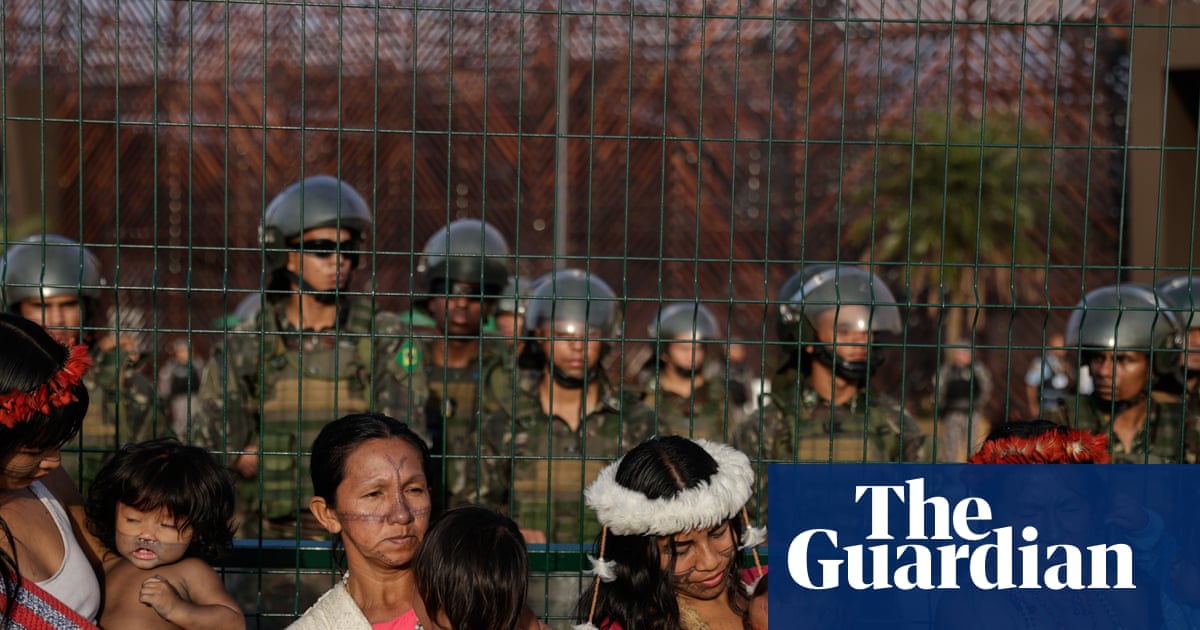
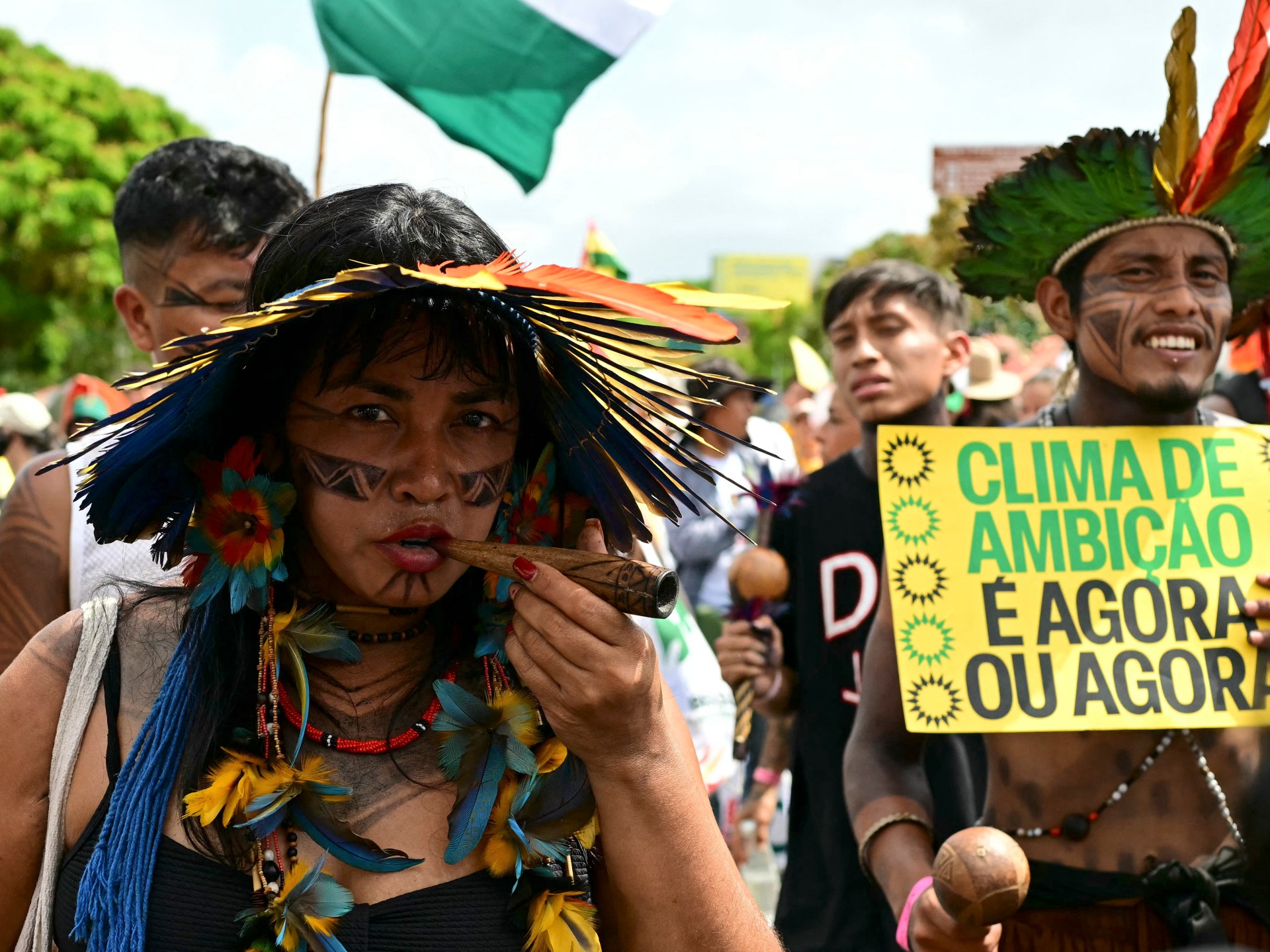
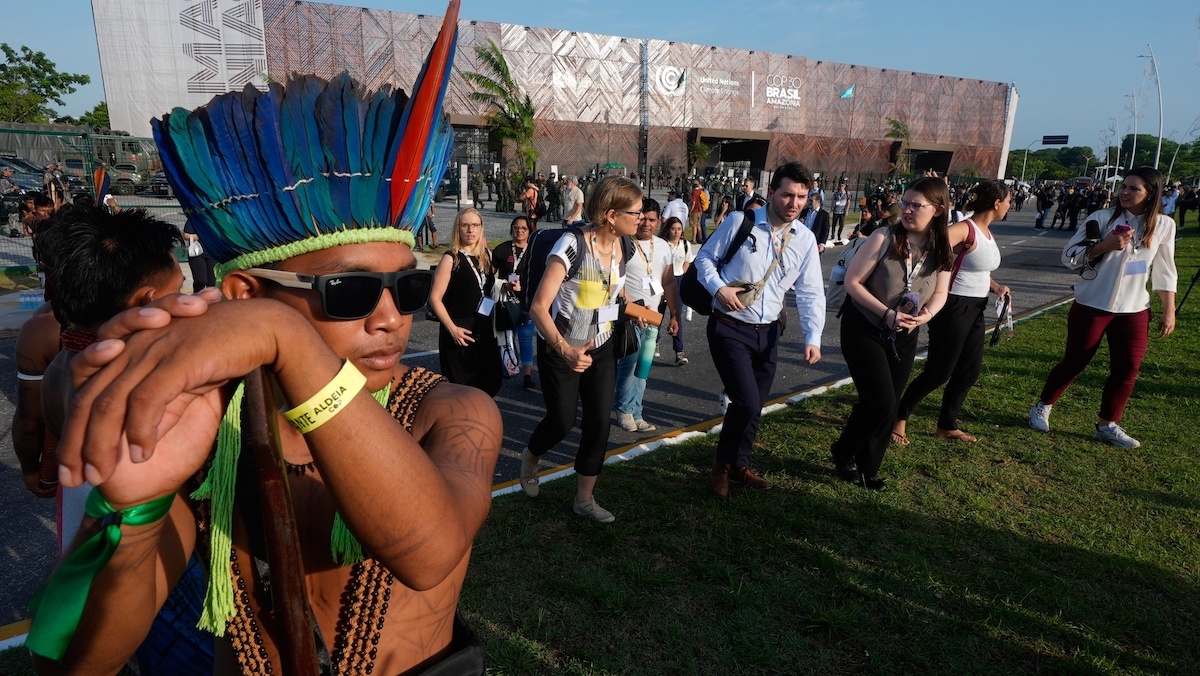
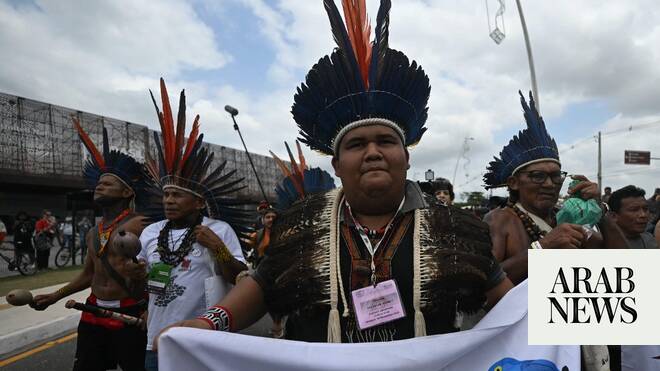
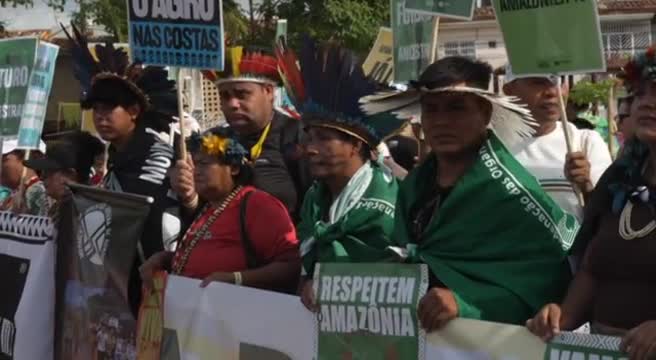
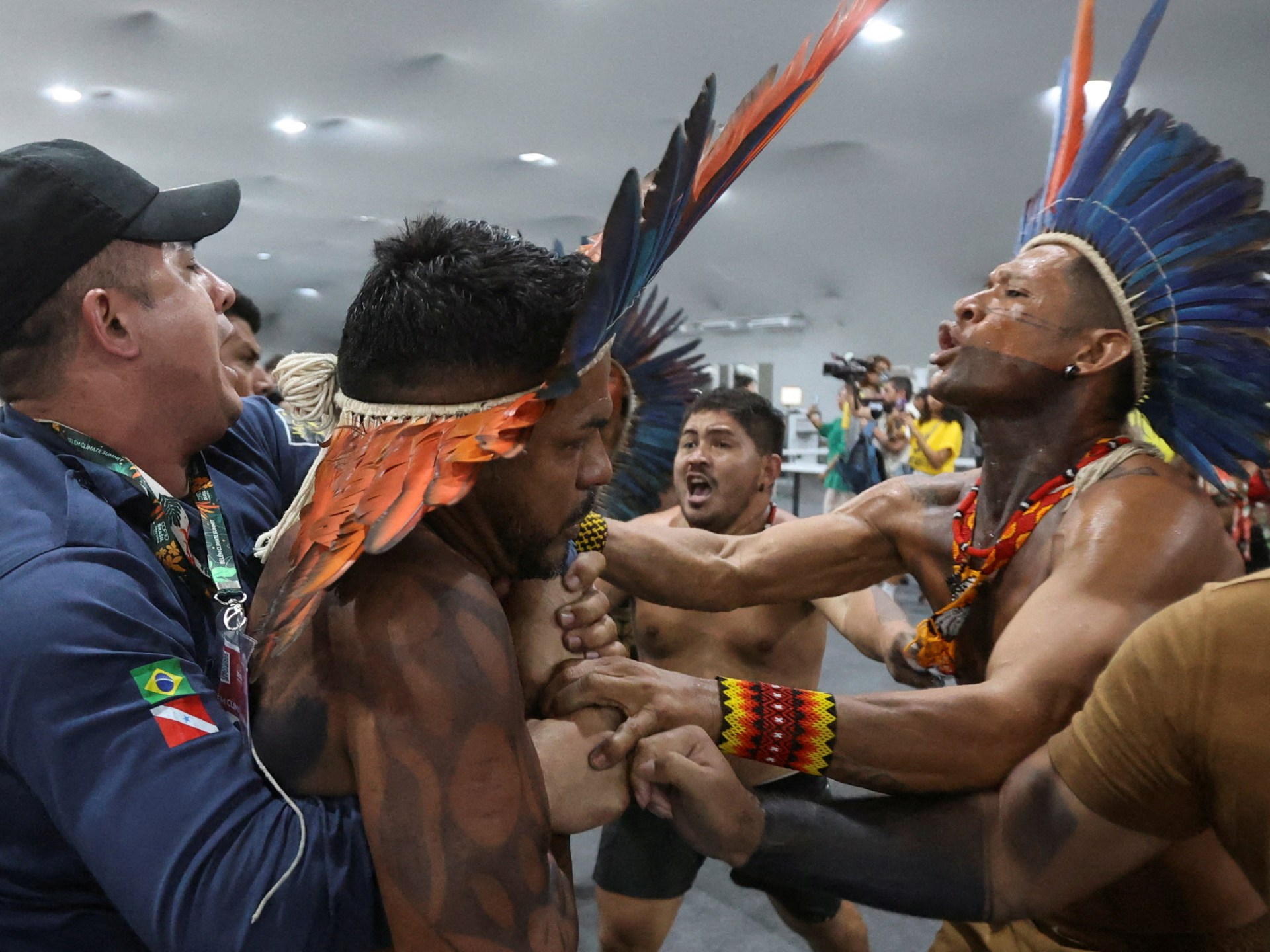
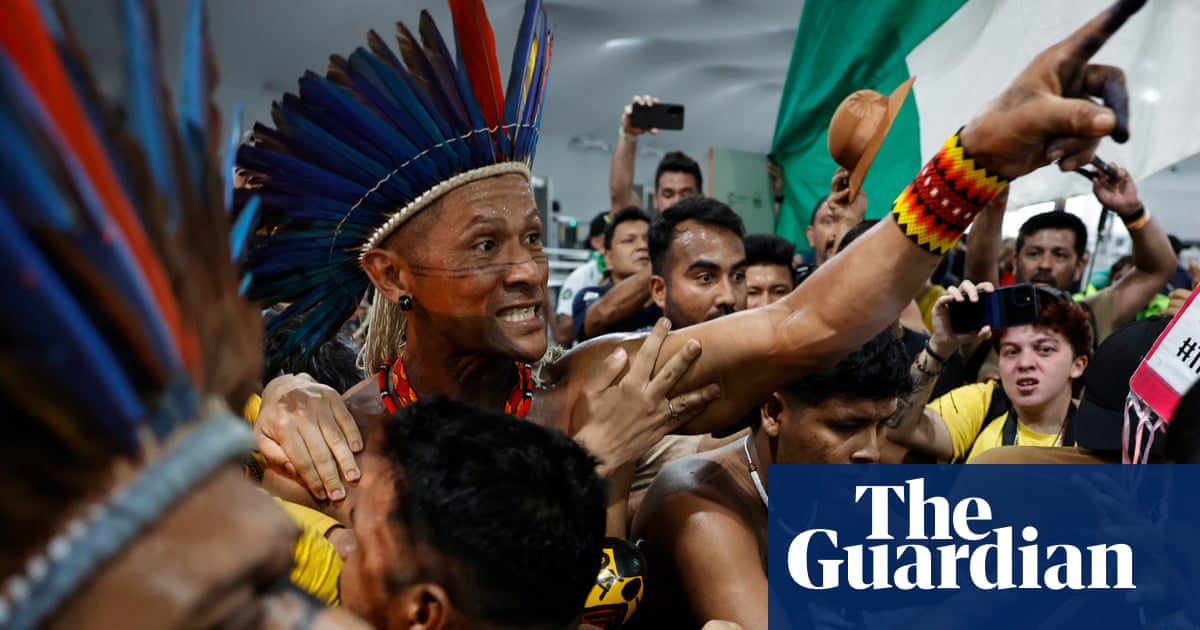
n November 11, several dozen demonstrators forced their way into the "blue zone," the highly secured perimeter of the Conference of the Parties (COP30) being held in Belem, Brazil, through November 21. Among the protesters, who were pushed back by law enforcement, were many representatives of Indigenous communities. Wearing feathered headdresses and ritual paint, they intended to make their demands heard in the summit's "inner sanctum."
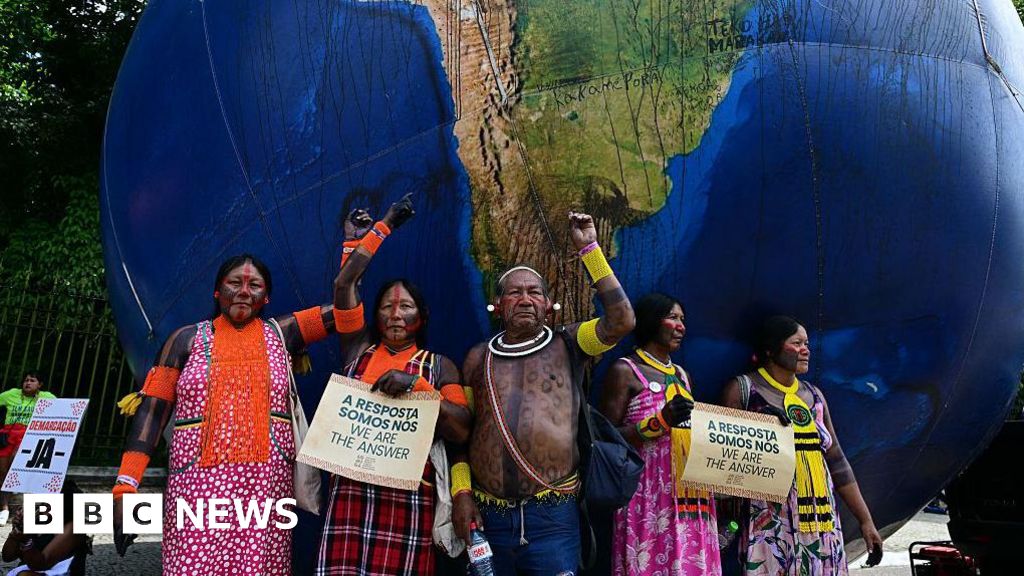
This is far from the only act of protest by the Indigenous peoples – around 5,000 of whom converged on the capital of the State of Para, determined to shake up the agenda of this major climate gathering. On November 14, members of the Munduruku people blocked the main access route to the "blue zone." Their objective: to protest a decree that facilitates commercial navigation on several Amazonian rivers and which threatens their sacred sites and ecosystems.
Raoni Metuktire also spoke out. The famed Kayapo chief, present in Belem, denounced Brazilian President Luiz Inácio Lula da Silva, accusing him of greenlighting oil exploration off the mouth of the Amazon. "If necessary, I will pull the president's ears so that he listens to me. He must respect us!" the nonagenarian leader declared to the press on November 12.