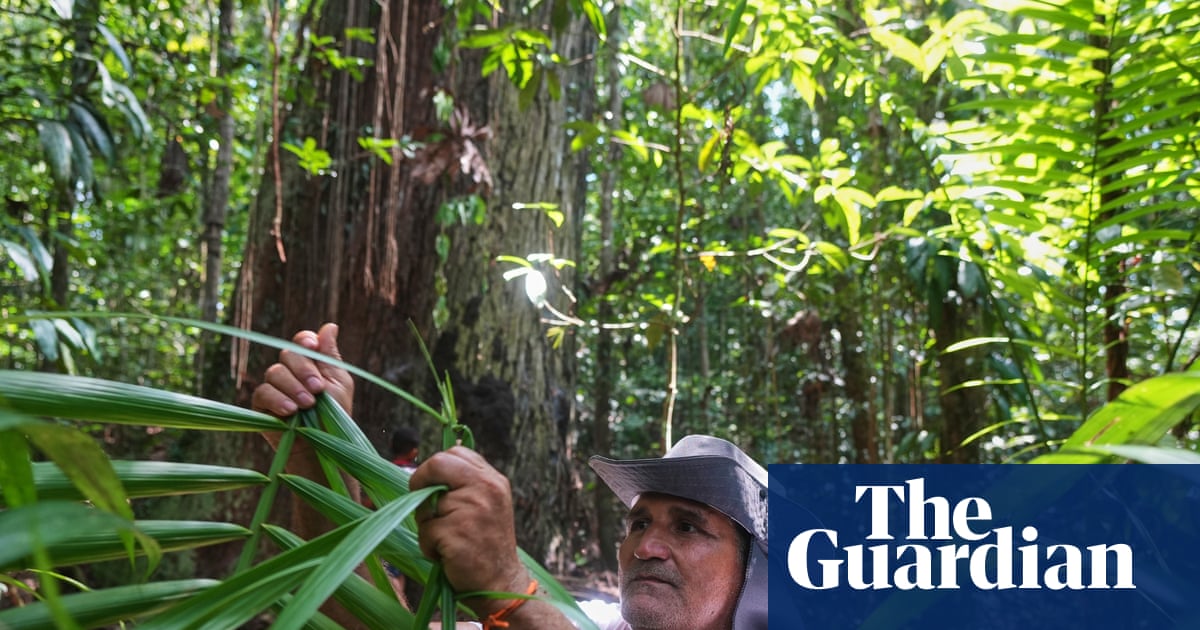
Short boat ride from Cop30 host, Afro-descendant residents of Menino Jesus say their voices are not being heard
W
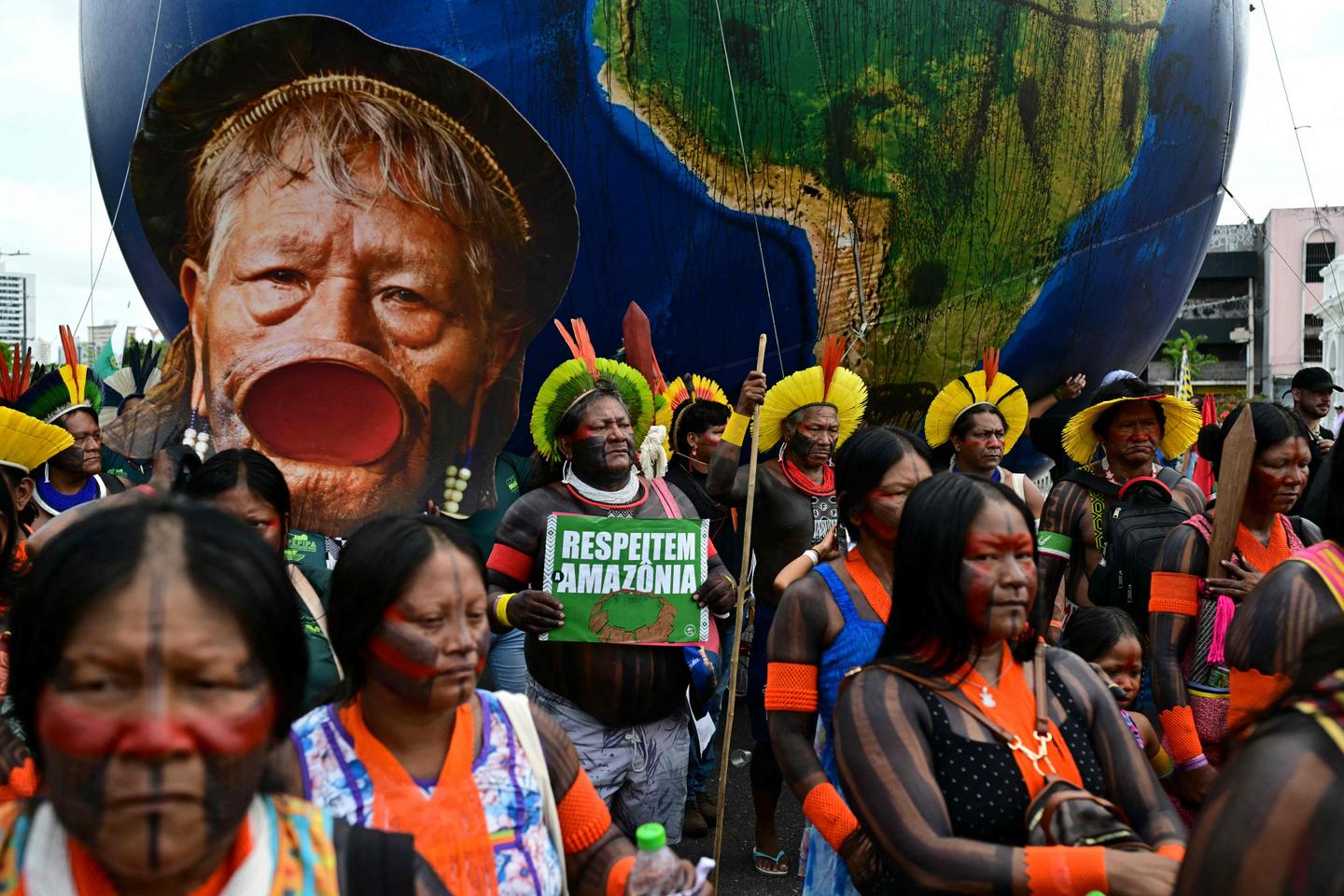
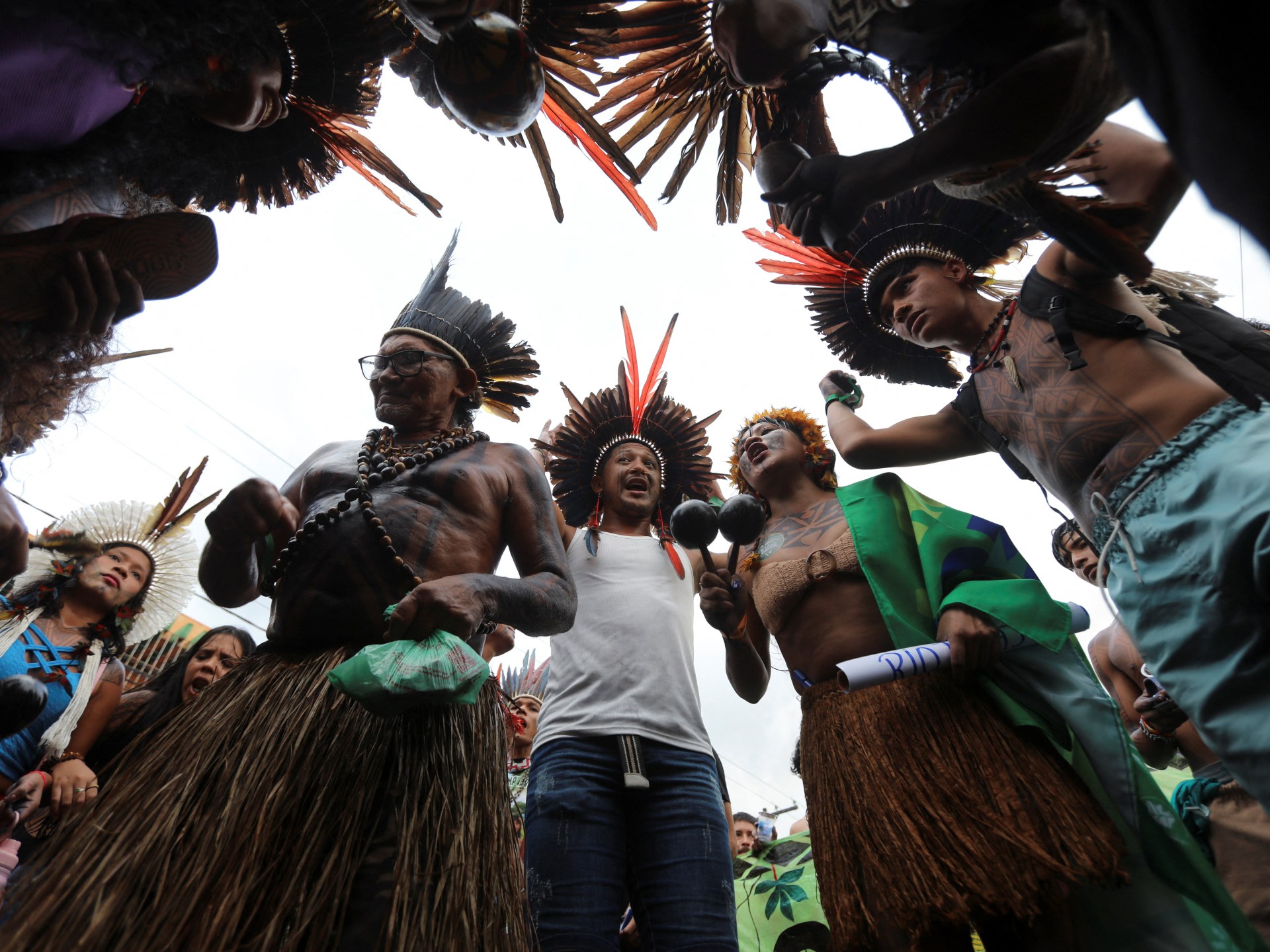
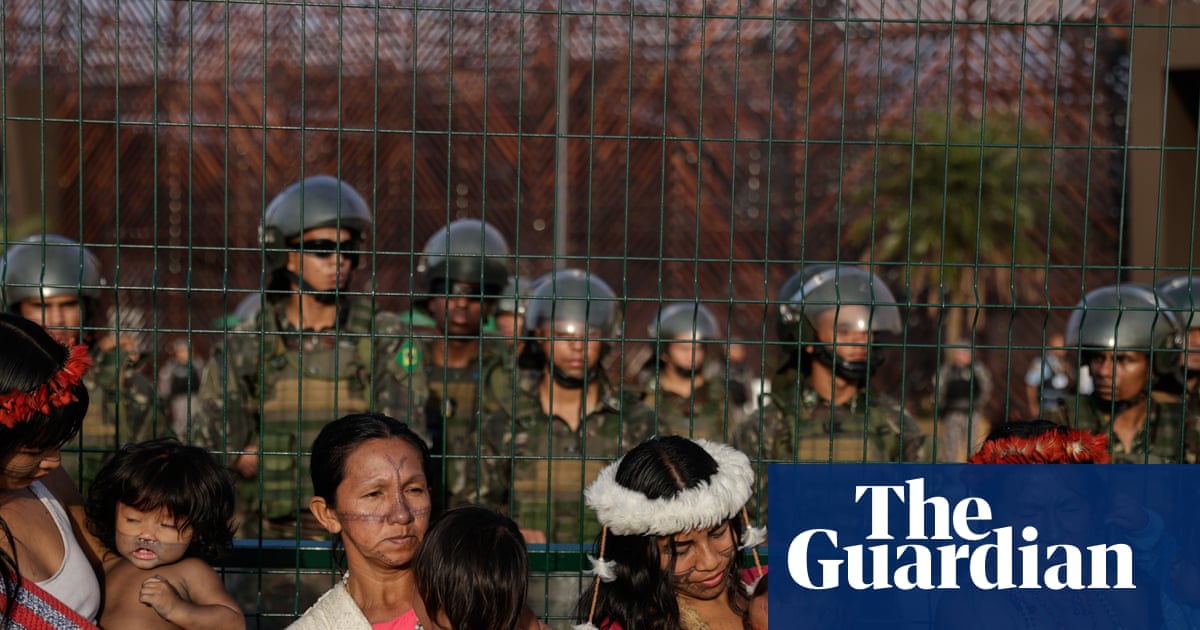
alk through the conference centre where the recent UN climate talks were held and representations of Indigenous people and culture were everywhere, from the spear-carrying, fiery-headed Cop30 mascot Curupira to huge mural-sized photos of people navigating the Amazon in dugout canoes and the many protests demanding dialogue outside.
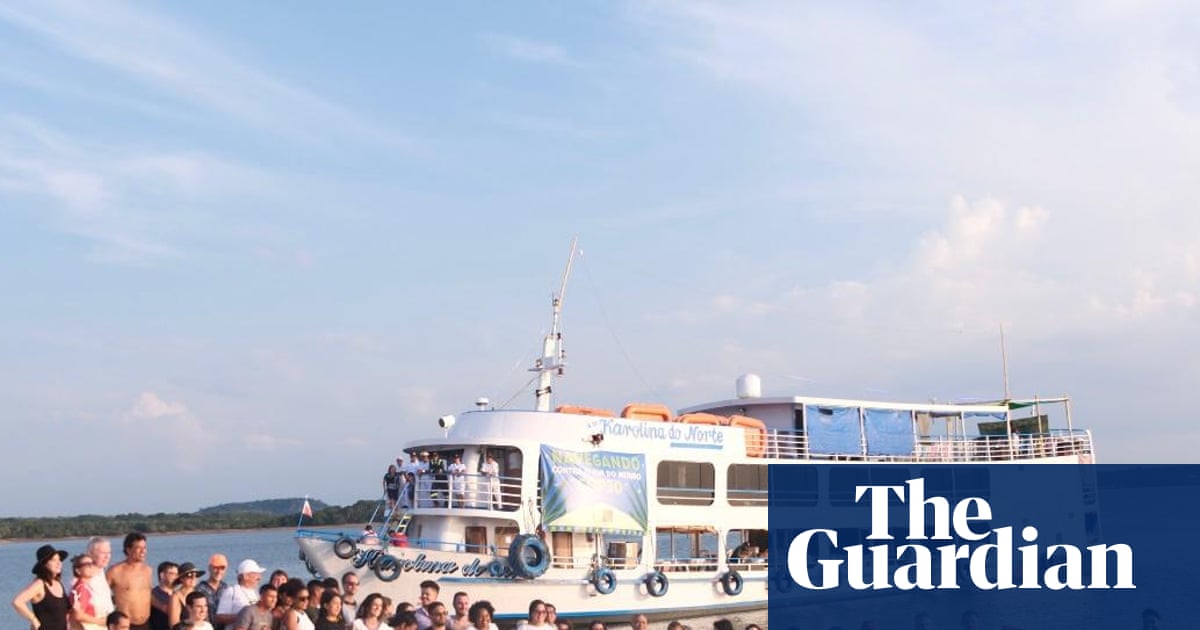
Yet a short boat ride down the river from Belém, into the forest itself, takes you to another forest-dwelling community also fighting for further recognition within the Cop process. The quilombola community of Menino Jesus has existed for six generations. Quilombolas are the descendants of former enslaved people who fled into the forest as a site of refuge. Over hundreds of years, they established a unique way of life separate from mainstream Brazilian society, living in harmony with nature as fugitives protected by the jungle.
Now they are engaged in a struggle for survival, against powerful interests who want to turn the land they are inhabiting into a vast dump for the rubbish generated by Belém and a dozen other municipalities. Just half a kilometre from the borders of their settlement, at the intersection of dozens of quilombola communities, a private company wants to create a landfill site that the communities say will devastate 200 hectares (495 acres) of land.