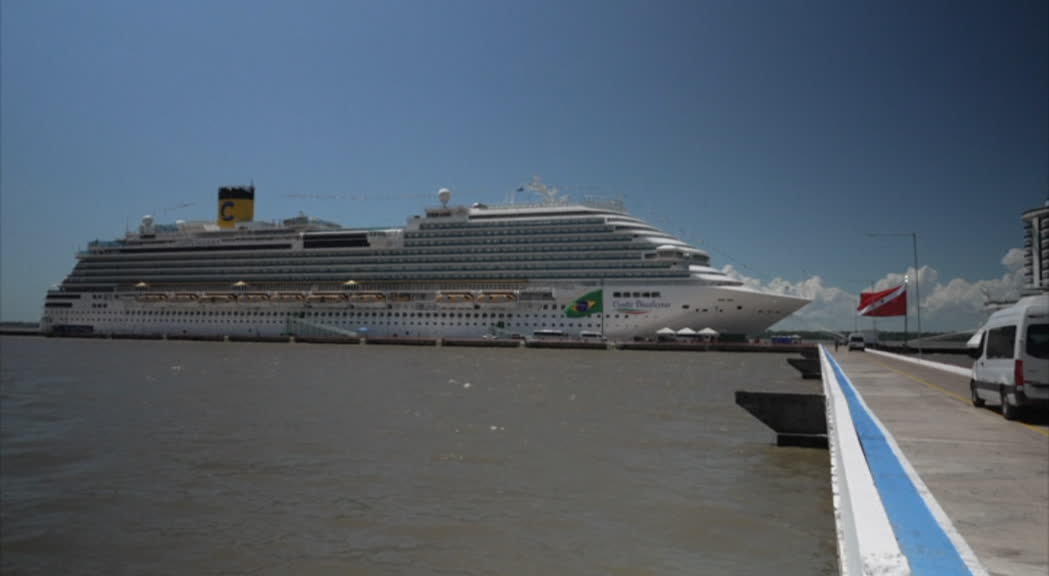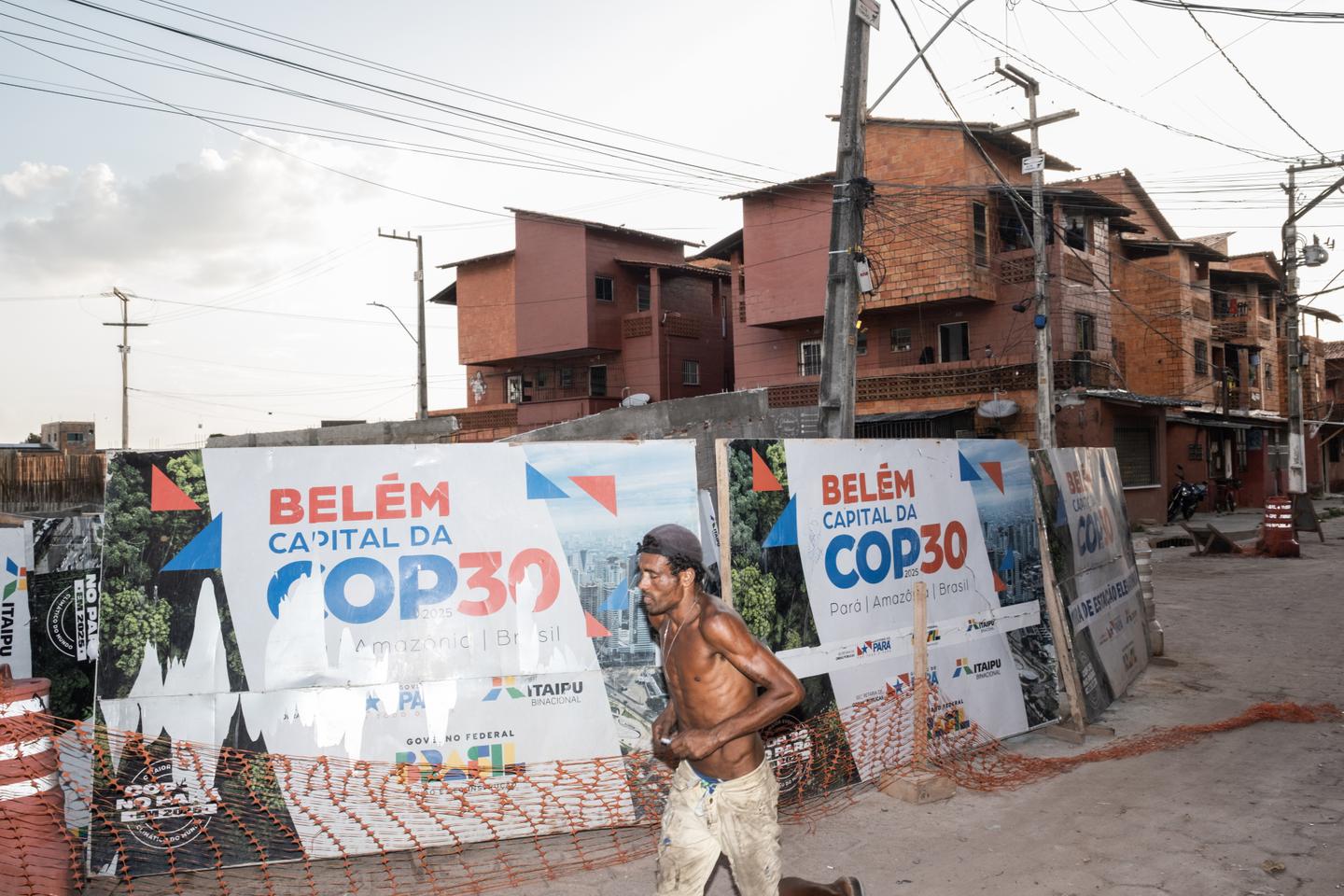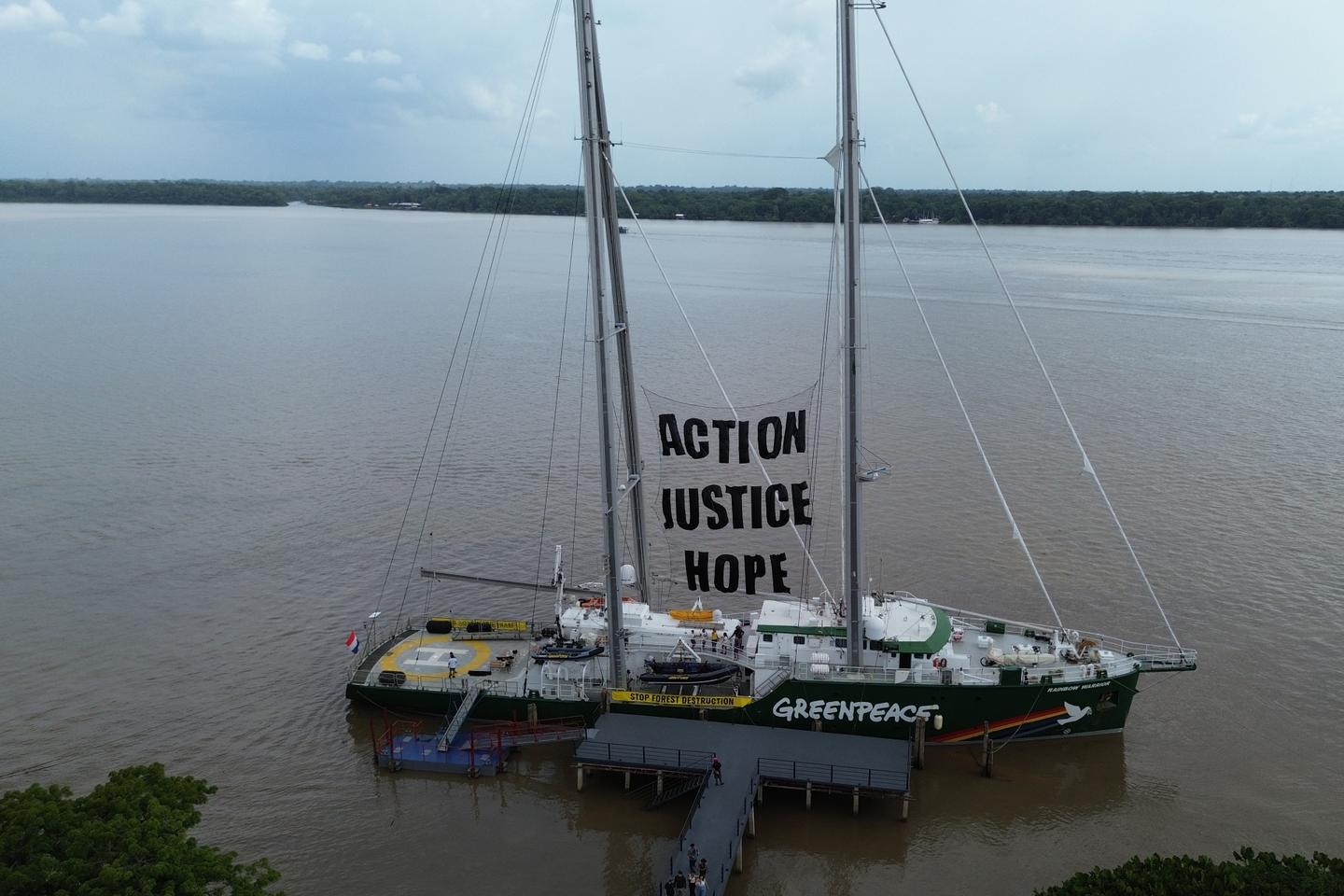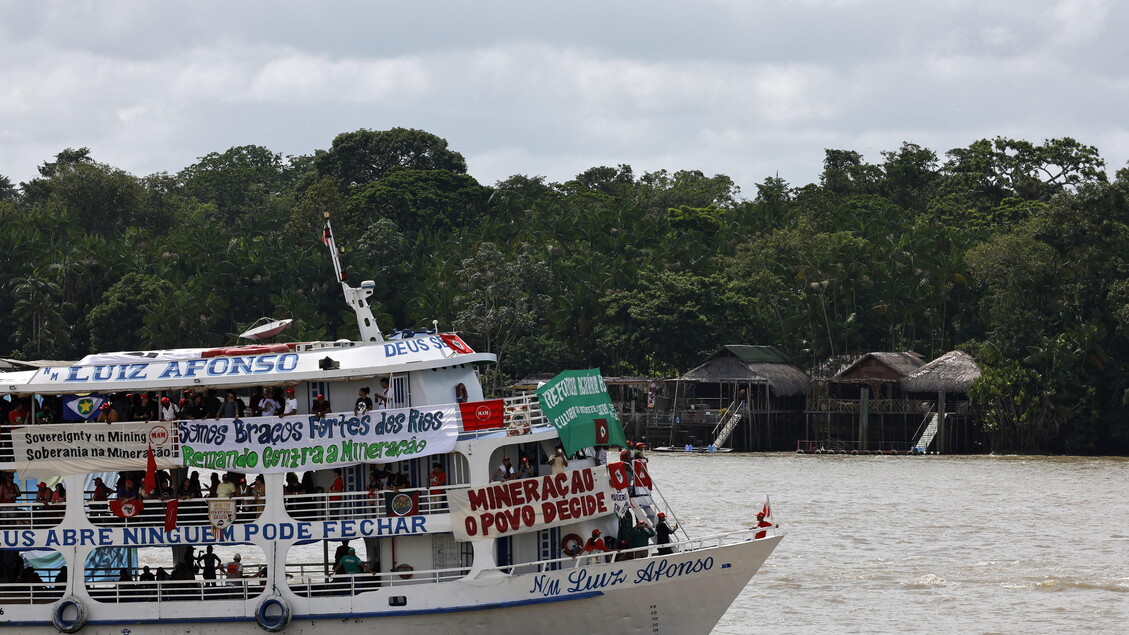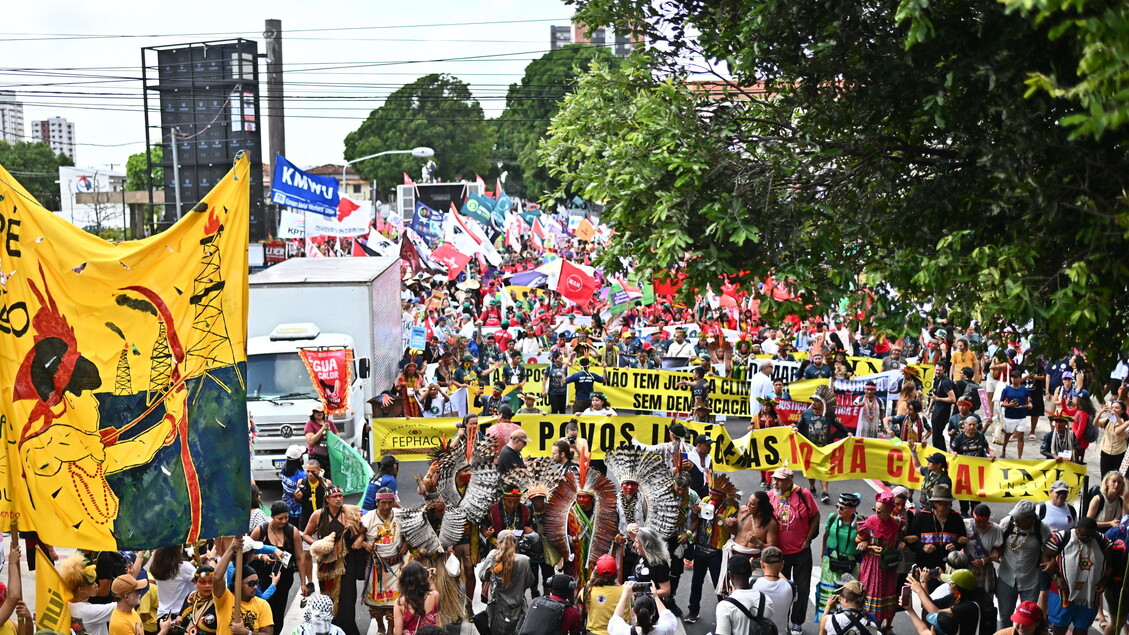
Visiting the city hosting the Cop30 conference brings with it questions about farming, tourism and sustainability
I
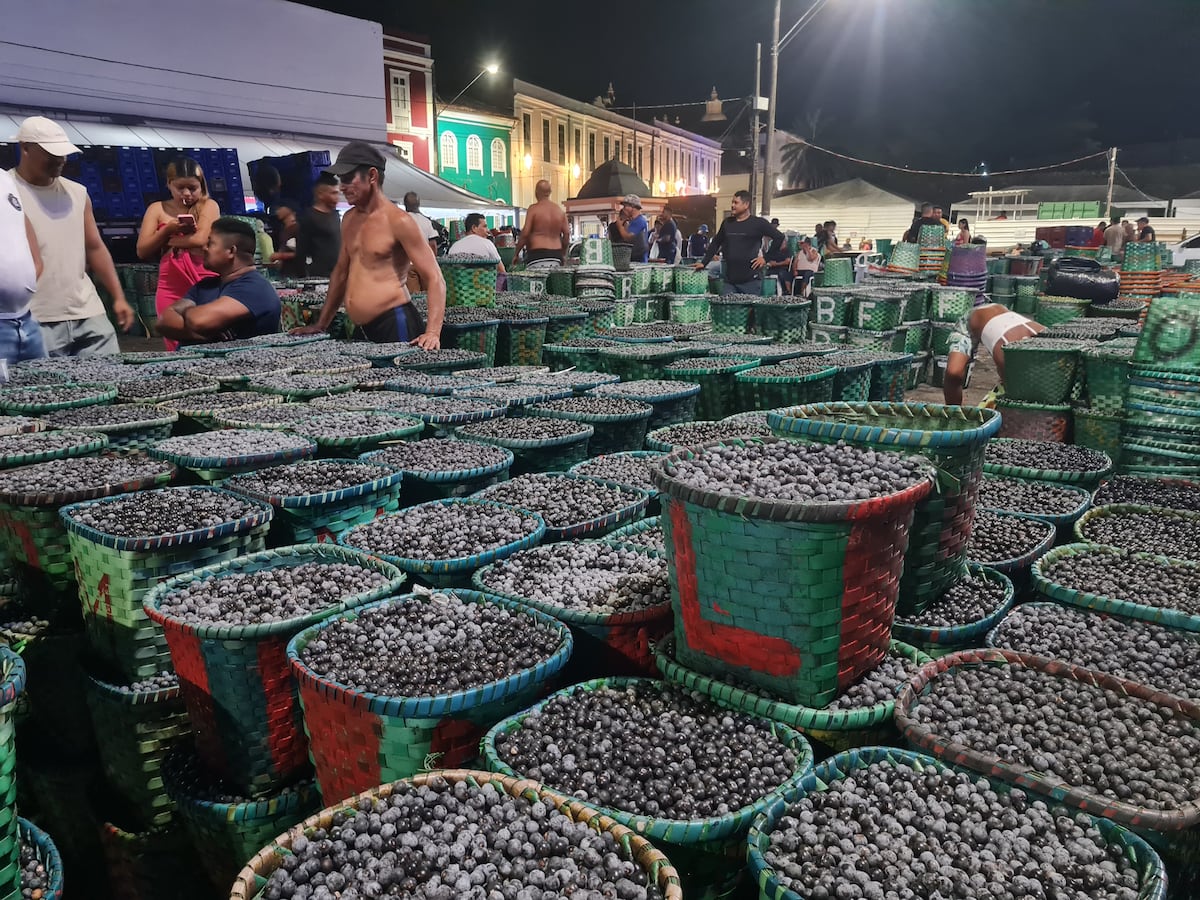
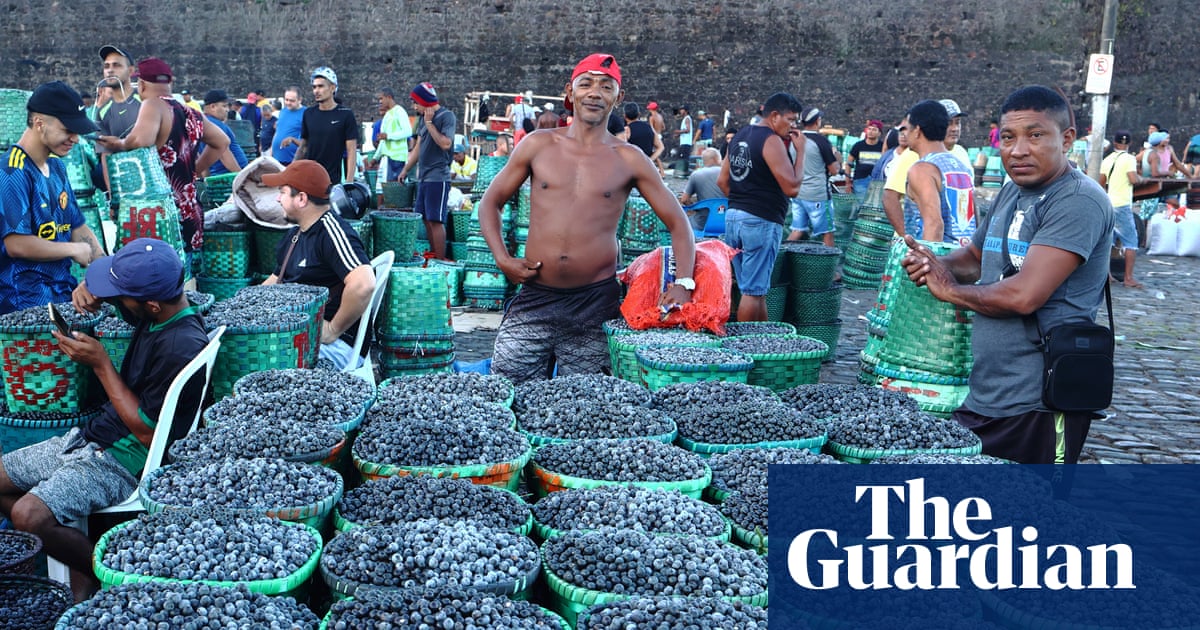
n an open-air market in the Brazilian city of Belém, I had a problem. It was breakfast time and I wanted a drink, but the long menu of fruit juices was baffling. Apart from pineapple (abacaxi) and mango (manga), I’d never heard of any of the drinks. What are bacuri, buriti and muruci? And what about mangaba, tucumã and uxi? Even my phone was confused. Uxi, it informed me, is a Zulu word meaning “you are”.
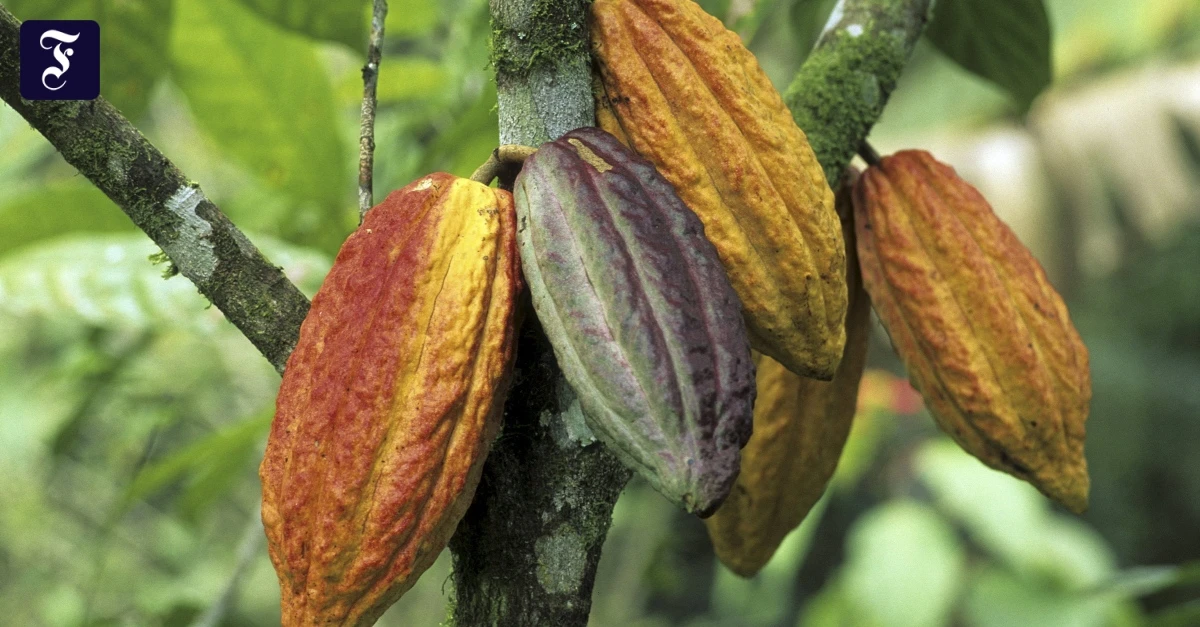
But then I started to recognise names that I’d heard on my six-week voyage from the Andes to the mouth of the Amazon. There was cucuaçu. I’d picked one of those cacao-like pods in a Colombian village about 1,900 miles (3,000km) back upriver. And even further away, in Peru, there was açai: a purple berry growing high up on a wild palm. The Amazon, it seems, is vast and varied, but also remarkably similar along its astonishing length.
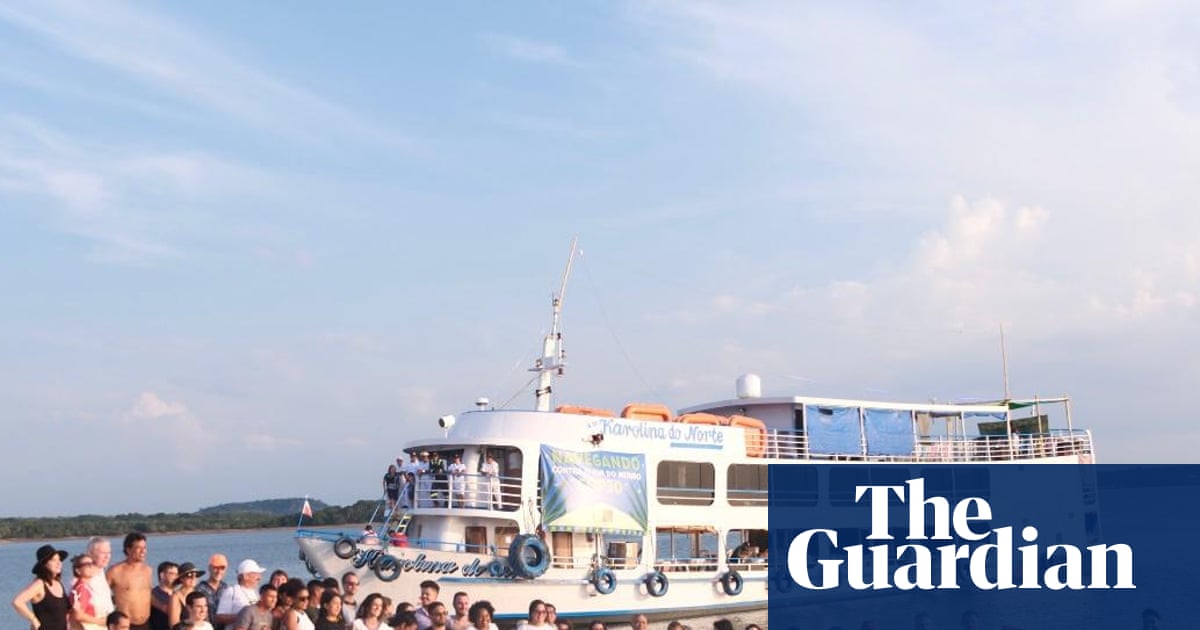
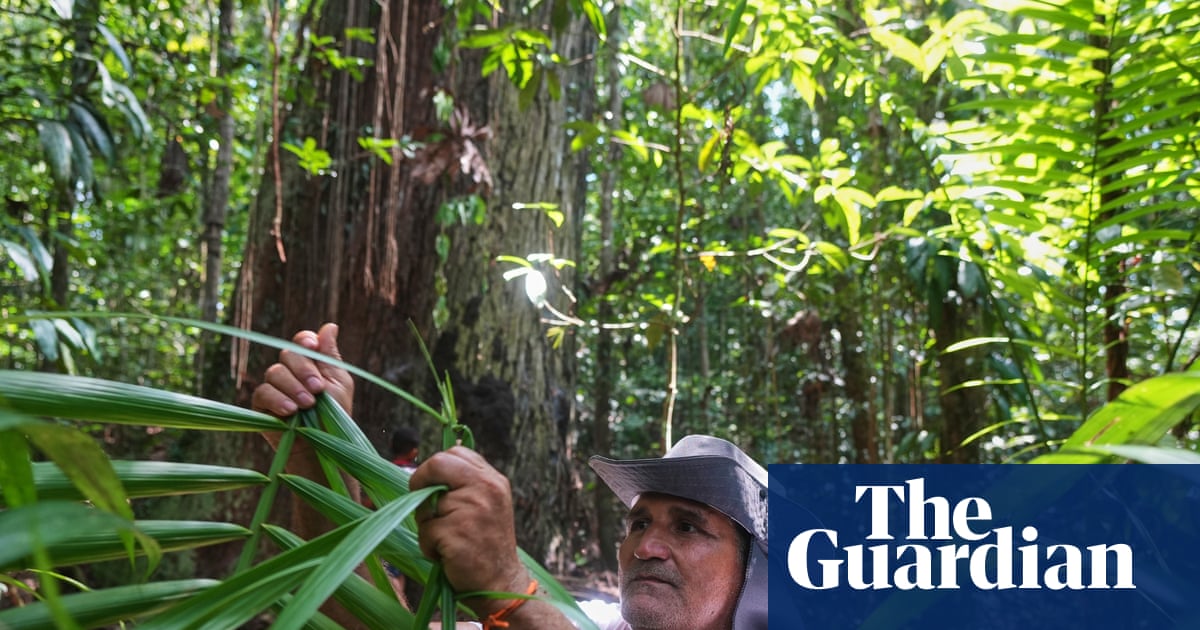
My six-week Amazon adventure had begun with a conference on sustainable tourism in Peru. It was 2023 and Belém, on the other side of South America, had been declared the location for the Cop30 conference. Determined to cut down on air miles, I set off downriver, heading towards Belém, using public river boats, all the time seeking out people who were working to preserve this incredible environment. I did night walks with guides who blasted powdered concoctions up my nose to make me “alert” (not that kind of concoction – herbal stuff). I swam across the river (then enjoyed lots of electric eel stories) and repeatedly had the disorienting experience of not knowing which country I was in. Until I reached Manaus, I met only a handful of visitors, but I was always wondering about tourism and its potential role in the Amazonian future.