HomeAI · summaries
Storia in 7 fonti
Is Huawei’s new chip scaling law a true breakthrough, or mere hype?
Company says 3D design can deliver world-beating chips without the best chipmaking gear, rewriting the playbook for China’s tech future.
Confronto fonti
6 prospettive sulla stessa storiaTimeline cronologica
- ·
cryptobriefing.com
Huawei unveils new chip design approach, sparking investor interest in Chinese semiconductor stocks
Huawei's Tau Scaling Law and LogicFolding 3D architecture aim to bypass US sanctions by rethinking chip design, targeting 1.4nm-equivalent density by 2031.
- ·
wired.com

Huawei's ‘Chip Queen’ Throws Down the Gauntlet
The Chinese company is adapting to the demise of Moore’s Law, which guides chip production. It could complicate US chip dominance.
- ·
global.chinadaily.com.cn

New theory promises to transform chipmaking
While China's semiconductor industry navigates intensified trade hurdles and narrows the gap with global competitors, a newly proposed industry theory from Huawei Technologies Co…
- ·

Huawei plans to narrow semiconductor gap with TSMC using novel chip architecture
Huawei unveiled Tau Scaling Law and LogicFolding technology to match TSMC's 1.4nm chip density by 2031 without EUV lithography machines blocked by US sanctions.
- ·
economictimes.indiatimes.com

Huawei bets on speed over shrinking transistors to sidestep US chip sanctions - The Economic Times
China has been barred since 2019 from importing ASML's most advanced extreme ultraviolet (EUV) lithography machines, curbing the ability of its chipmakers to keep up with global…
- ·
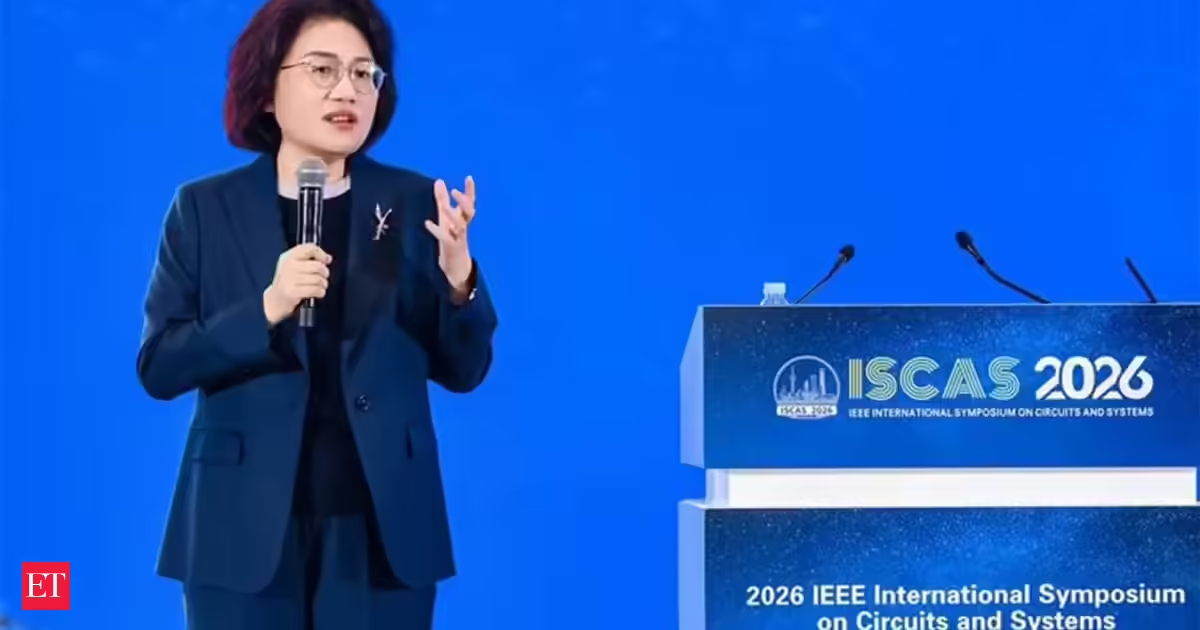
How China's electronics giant Huawei plans to take on its rivals with a chip design breakthrough
China's electronics giant Huawei is pioneering a new chip design approach. This method focuses on reducing signal transmission time instead of shrinking transistors. The company…
- ·
scmp.com
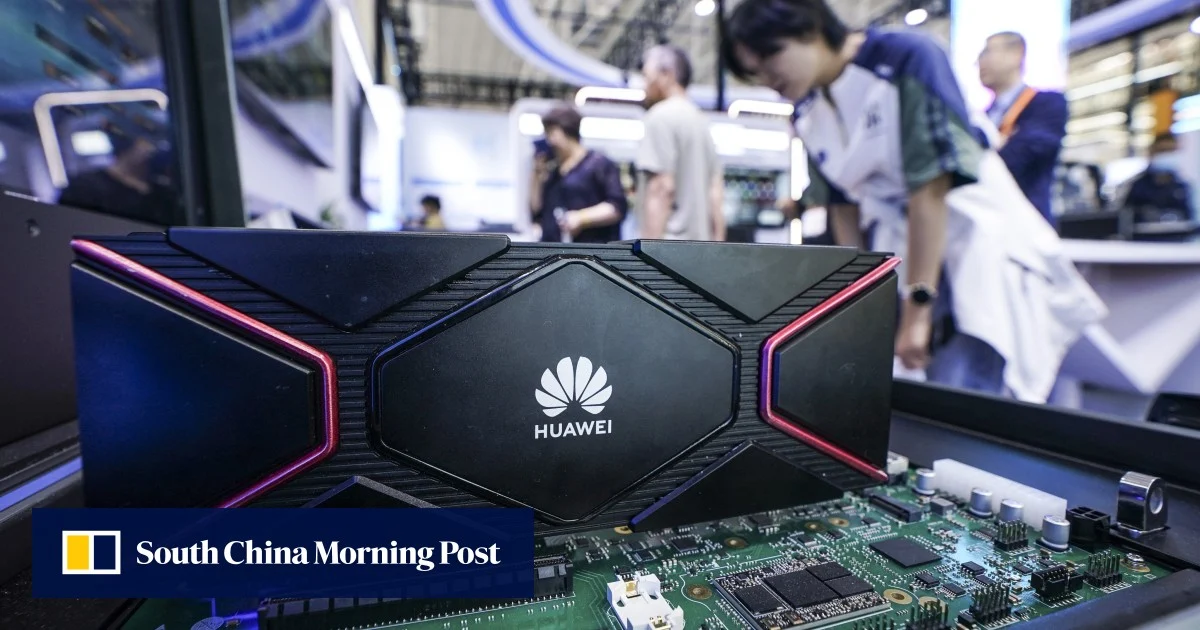
Is Huawei’s new chip scaling law a true breakthrough, or mere hype?
Company says 3D design can deliver world-beating chips without the best chipmaking gear, rewriting the playbook for China’s tech future.
- ·
caixinglobal.com
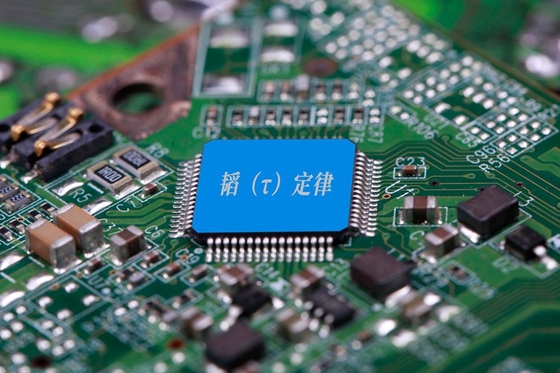
In Depth: Huawei’s Bid to Rewrite the Rules of Chip Scaling
Tau Law aims to reduce latency and raise energy efficiency through LogicFolding and optical interconnects. The question is whether engineering gains can offset China’s…
- ·
kr-asia.com
Huawei says new Kirin chip for phones overcomes US clampdown
The Chinese company said its new chipmaking approach could help it match TSMC and Intel by 2031.