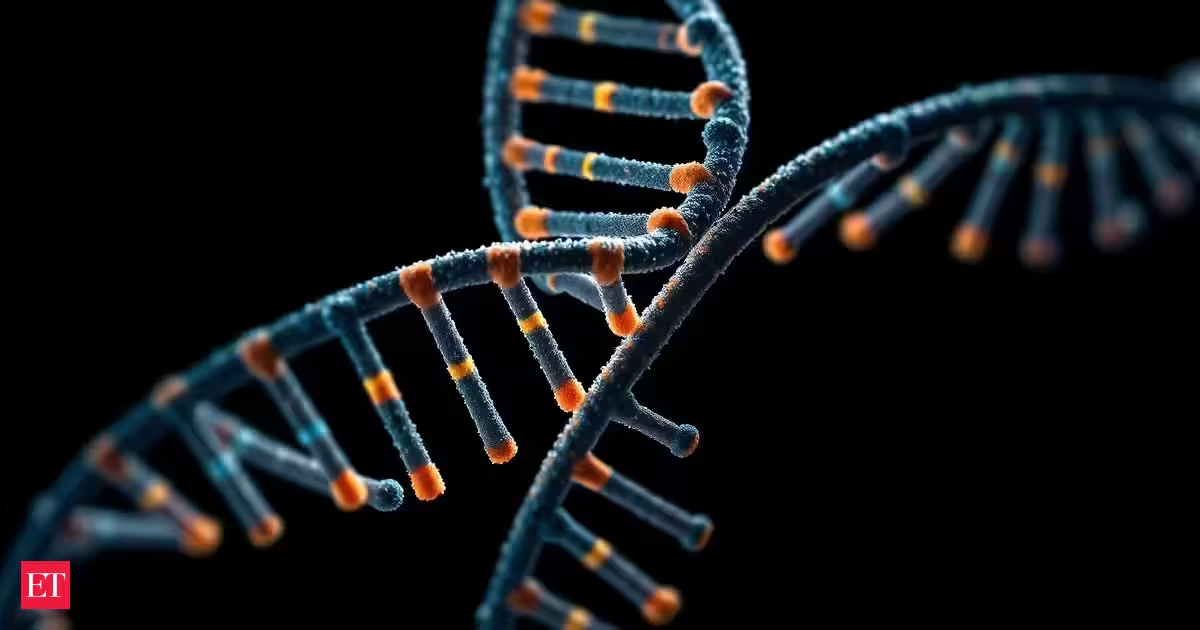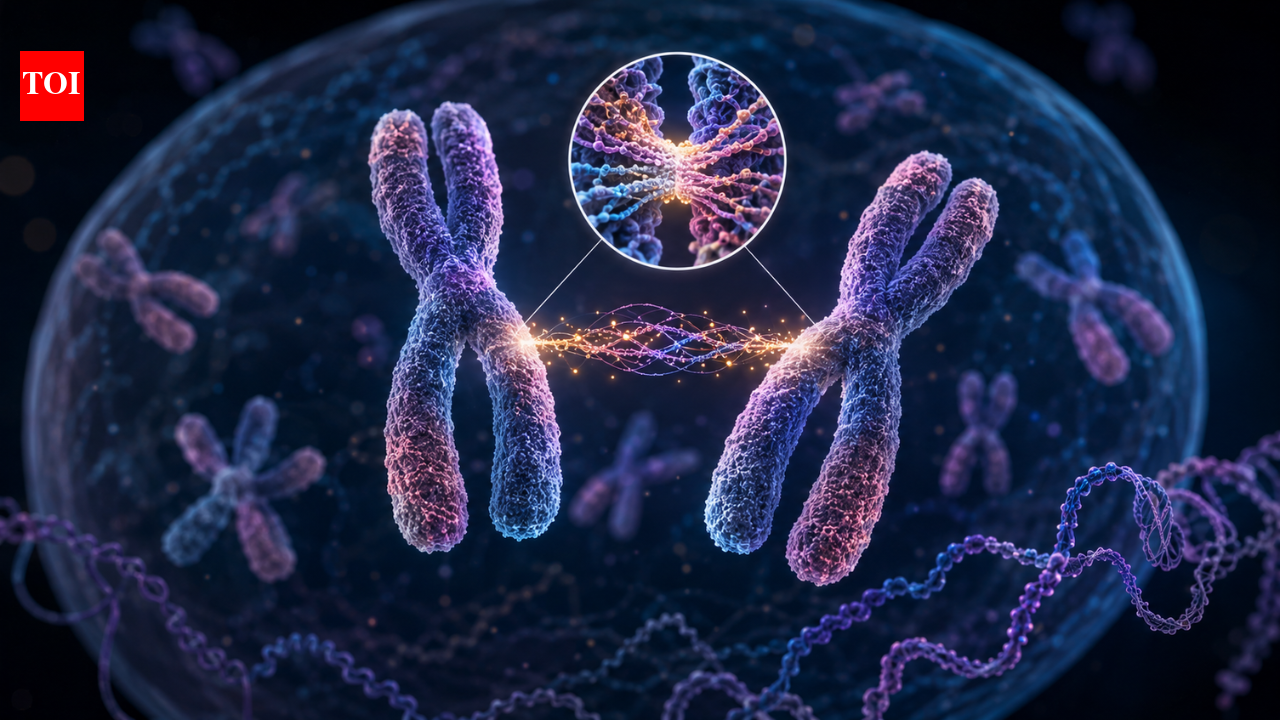
DNA carries a negative electrical charge. Because objects with the same charge normally push away from each other, DNA molecules might be expected to repel one another. Yet inside living cells, DNA must sometimes come into close contact and recognize matching sequences. These interactions are essential for processes including genetic recombination and gene silencing, and they can also play a role in cancer.
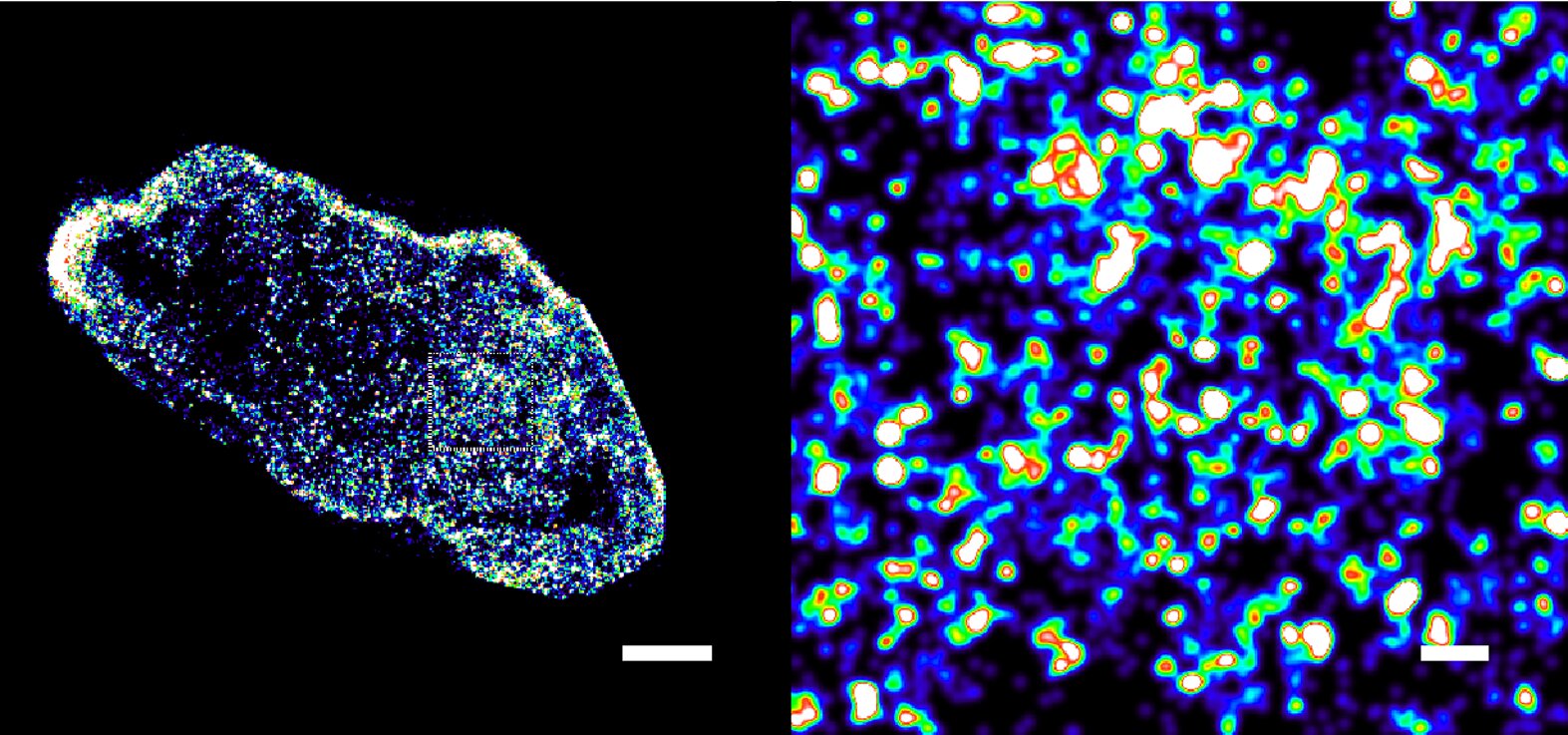
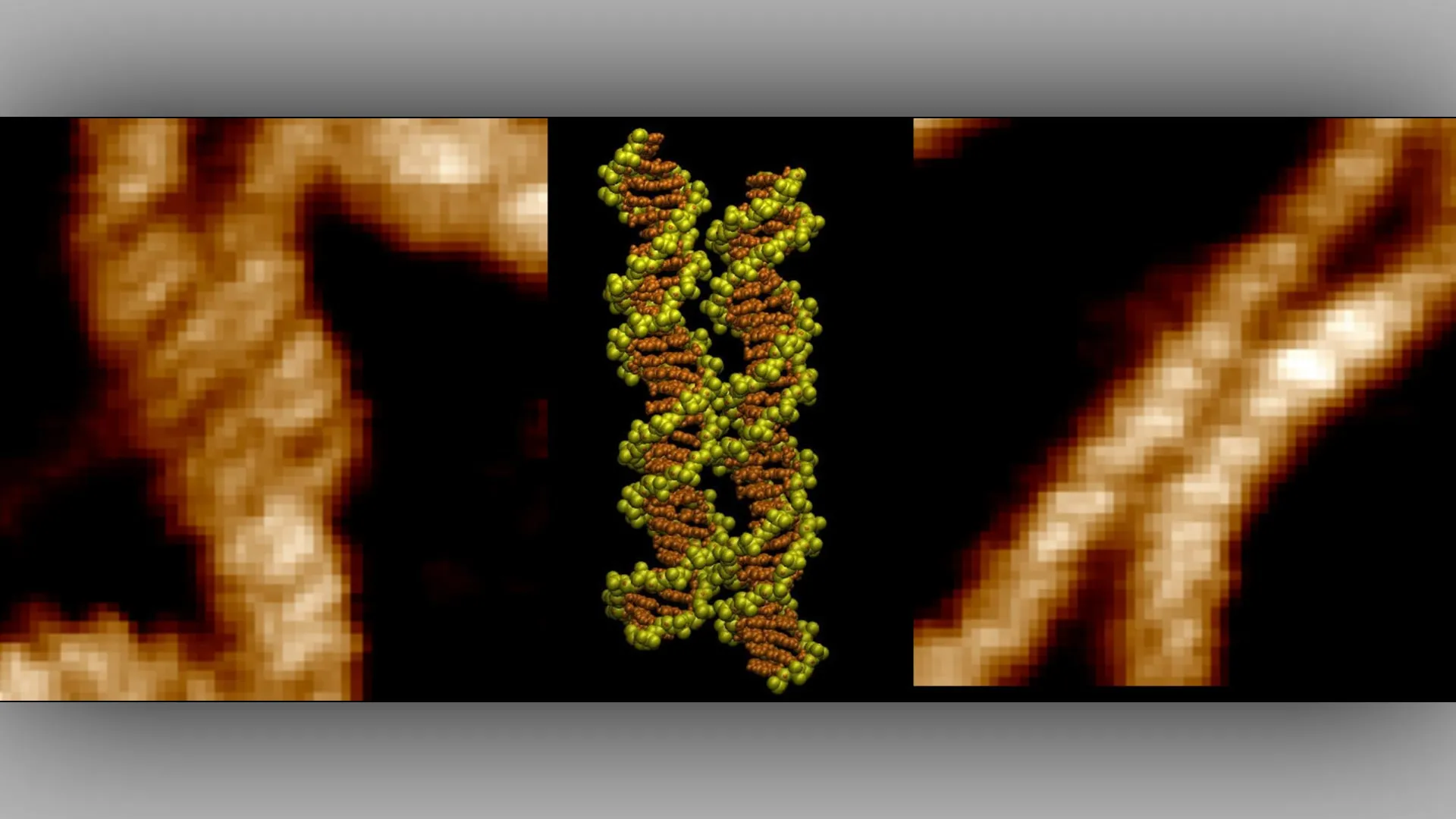
Scientists have now captured a remarkably detailed view of how this happens. Using powerful atomic force microscopy, researchers watched short pieces of DNA align with extraordinary precision, matching one another groove for groove. Computer simulations then revealed what appears to make this close contact possible: positively charged metal ions can settle into the grooves of DNA and serve as tiny molecular bridges between the two molecules.
Tiny Ions Help DNA Overcome Repulsion
Professor Agnes Noy, from the School of Physics, Engineering and Technology at the University of York, co-led the research. She said: "This discovery could help researchers identify regions of the genome specially involved in DNA pairing. These regions may become particularly important when mutations disrupt normal cellular processes and contribute to cancer."