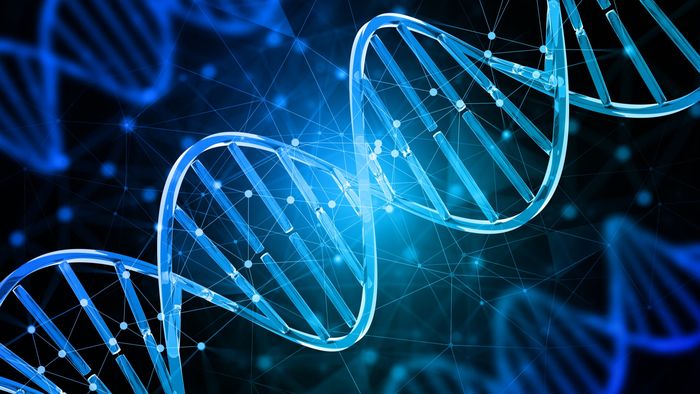
One of the most iconic visual representations in biological science is the double helix – the twisting, twin-stranded ladder that defines the shape of DNA molecules.But not all DNA follows this same recognizable pattern. Alternative kinds of DNA structures do exist, and new technologies are helping to reveal them.In a study last year, scientists identified where these "non-canonical" forms of DNA (aka non-B DNA) emerge in human and other primate genomes.The analysis, published in Nucleic Acids Research, helps to complete our understanding of the location and diversity of DNA formations inside our genome."When the human genome was first published in 2001, it actually wasn't complete," said biologist Kateryna Makova from Pennsylvania State University."About 8 percent of the genome, largely repetitive DNA, was left undetermined."A huge research effort in the years since, culminating in a project called the Telomere-to-Telomere (T2T) consortium, worked to fill in more of the data, assembling the most complete reference human genome in 2022, before finally sequencing the last missing piece in 2023.Illustration of primates and their representative chromosomes, with canonical helical and non-B DNA formations. (Dani Zemba and Makova Laboratory/Penn State)In 2025, T2T scientists took it a step further, completing the reference genomes for six ape species: chimpanzee, bonobo, gorilla, Bornean orangutan, Sumatran orangutan, and siamang.In their new study, Makova's team analyzed the T2T reference genomes for humans and the six ape species, looking for patterns in the genetic code that indicated non-B DNA sequences."We now have a complete picture of the motifs that are prone to non-B DNA formation for these genomes," said Penn State biologist Linnéa Smeds, the first author of the study.The new findings – and the T2F datasets themselves – were made possible by newer long-read sequencing technologies, which are able to sequence genomes in fewer, longer segments (rather than short snippets that are difficult to assemble).
Strange DNA Structures Found in The Human Genome Go Beyond The Double Helix
One of the most iconic visual representations in biological science is the double helix – the twisting, twin-stranded ladder that defines the shape of DNA molecules.
709 words~3 min read