Introduction
Since its molecular structure was deduced in the 1950s, DNA has been hailed by many biologists as the secret of life. They’ve read and studied the information stored in the DNA found in the cells of living organisms, known as their genomes, and claimed that this genetic database must be some kind of blueprint, code script, or computer. But if DNA really does harbor some greater secret about how life works, biologists have yet to find it.
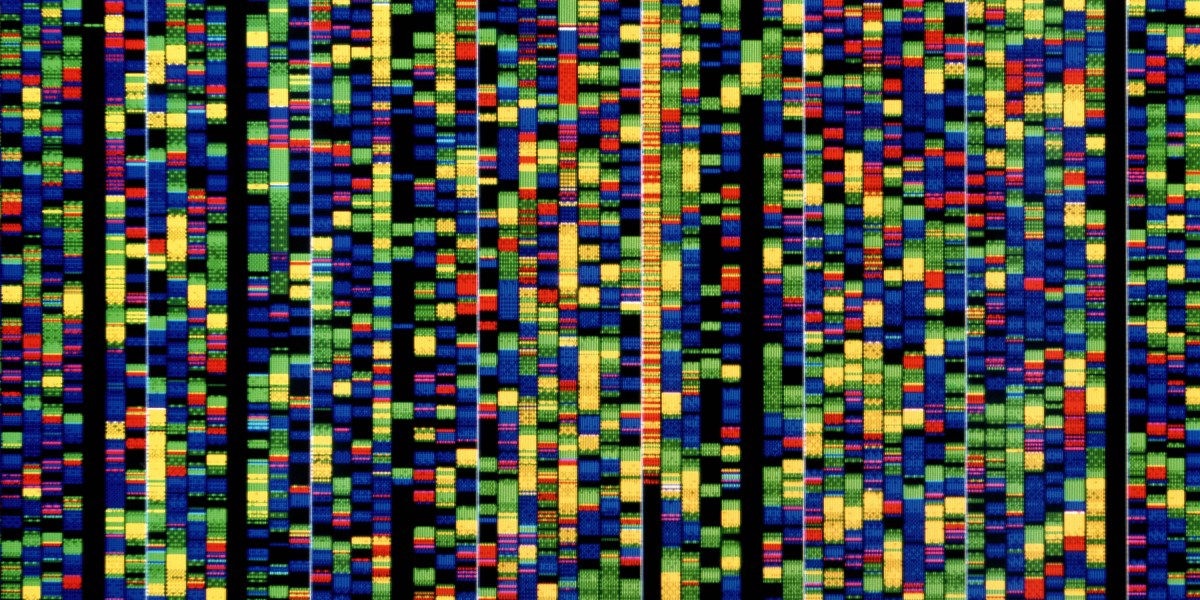
In fact, the human genome is less a script than a puzzle that gets harder the closer they look. Knowing the entire sequence — the order of all 3 billion or so of our DNA’s chemical building blocks, nearly fully deduced by the international Human Genome Project between 1990 and 2003 — hasn’t helped much. That investigation showed that barely 2% of the human genome consists of actual genes, the information-coding sequences of DNA.
It’s now clear that understanding the human genome is no longer a matter of figuring out what each gene does. The deeper and much harder question is how those genes are used, or regulated, a question that seems to involve some and perhaps much of the rest of the genome. By switching suites of genes on and off, the many different cell types in our bodies can all be created from the same material. Cells also regulate their genes from moment to moment in response to a constant inflow of signals from their neighbors and surroundings. But the processes that govern gene regulation are proving so complex that some biologists wonder whether a full understanding of it — of how the genome really works — will ever be within the grasp of our puny minds.