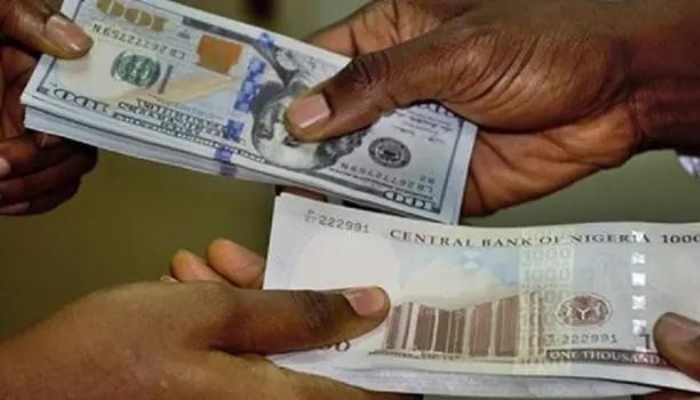
First, two uncomfortable truths. Rising domestic prices sit at the heart of the argument over the extent to which the Tinubu government’s reforms have worsened the living conditions of the average Nigerian. The naira’s loss of its main function as a store of value is why the currency has lost out against the US dollar. Then, the main story. Both these facts describe the wide and swinging negative gap between the return on naira-denominated assets and the consumer price index. Seven years ago, the Central Bank of Nigeria (CBN) sought to fix this problem by restricting local investors’ participation in its Open Market Operations (OMO). It failed. The pressure on the naira did not lift until a semblance of the market was recently allowed to substitute for the many windows through which the central bank then traded foreign exchange. Interest rates remained elevated. And lending to the real sectors of the economy invisible.
Still, the CBN’s decision mid-August to lift the OMO restriction asks more questions than it answers. At its first auction under the revised arrangement, the bid rates for the CBN’s N450 billion allotment ranged from 19.90 per cent to 20.46 per cent with a stop rate of 20.39 per cent.