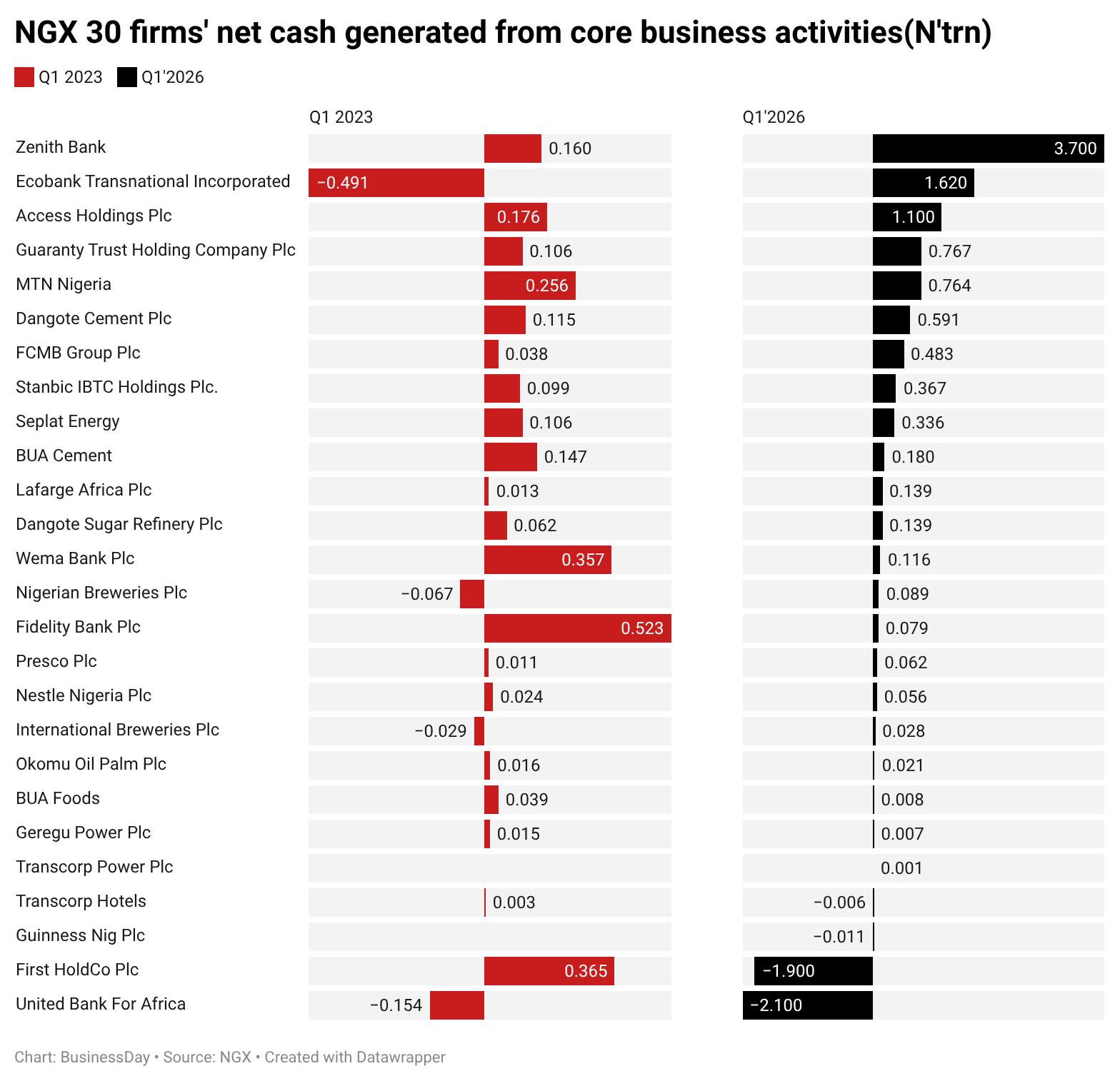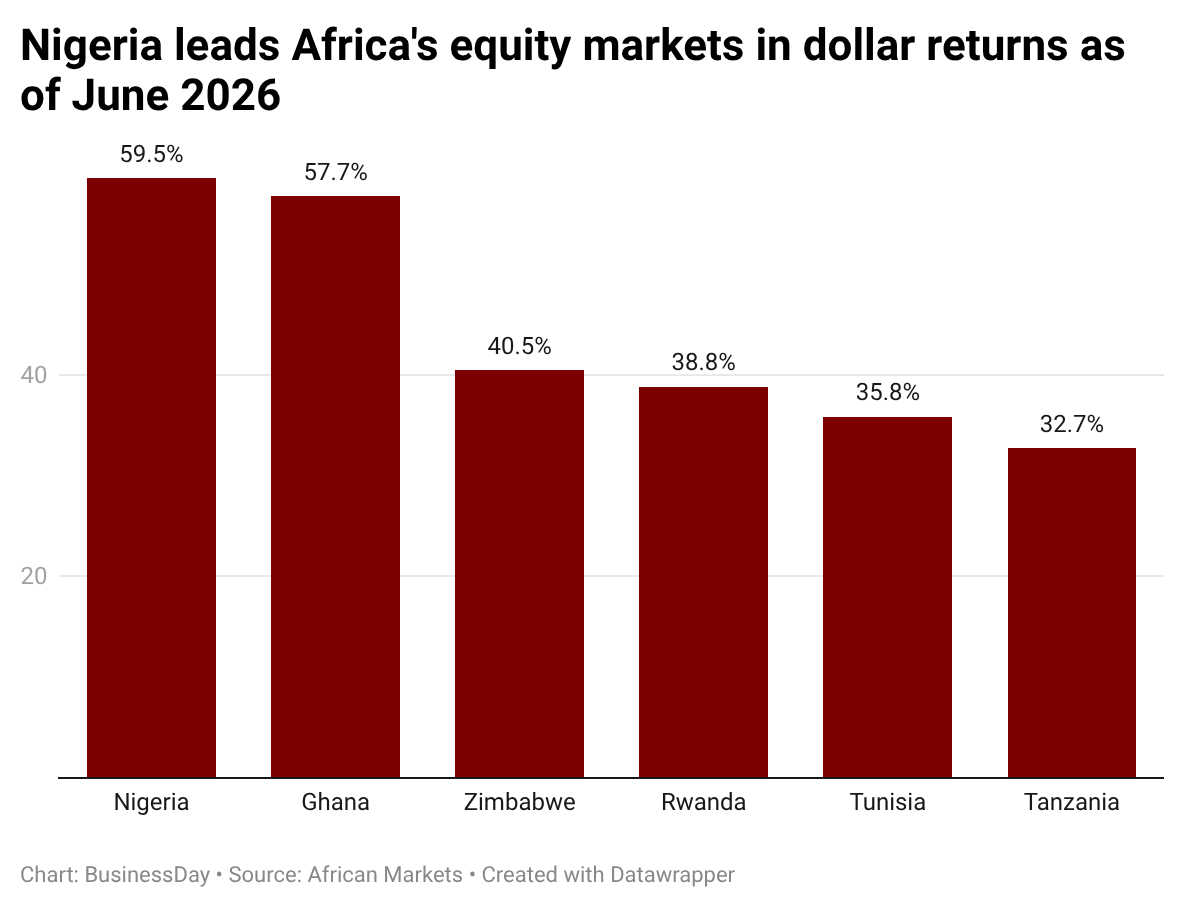
Nigeria’s benchmark stock index has surged 52% in dollar terms this year, making it the world’s fourth-best performer, but many Nigerians, including newspaper vendor Sulaimon Isiaka, are not feeling the benefits.
The naira has strengthened almost 5% against the greenback since January, and Africa’s largest oil producer’s dollar bonds have returned 4.4%, but food, water, electricity, gas and other fuels and transport costs have soared.
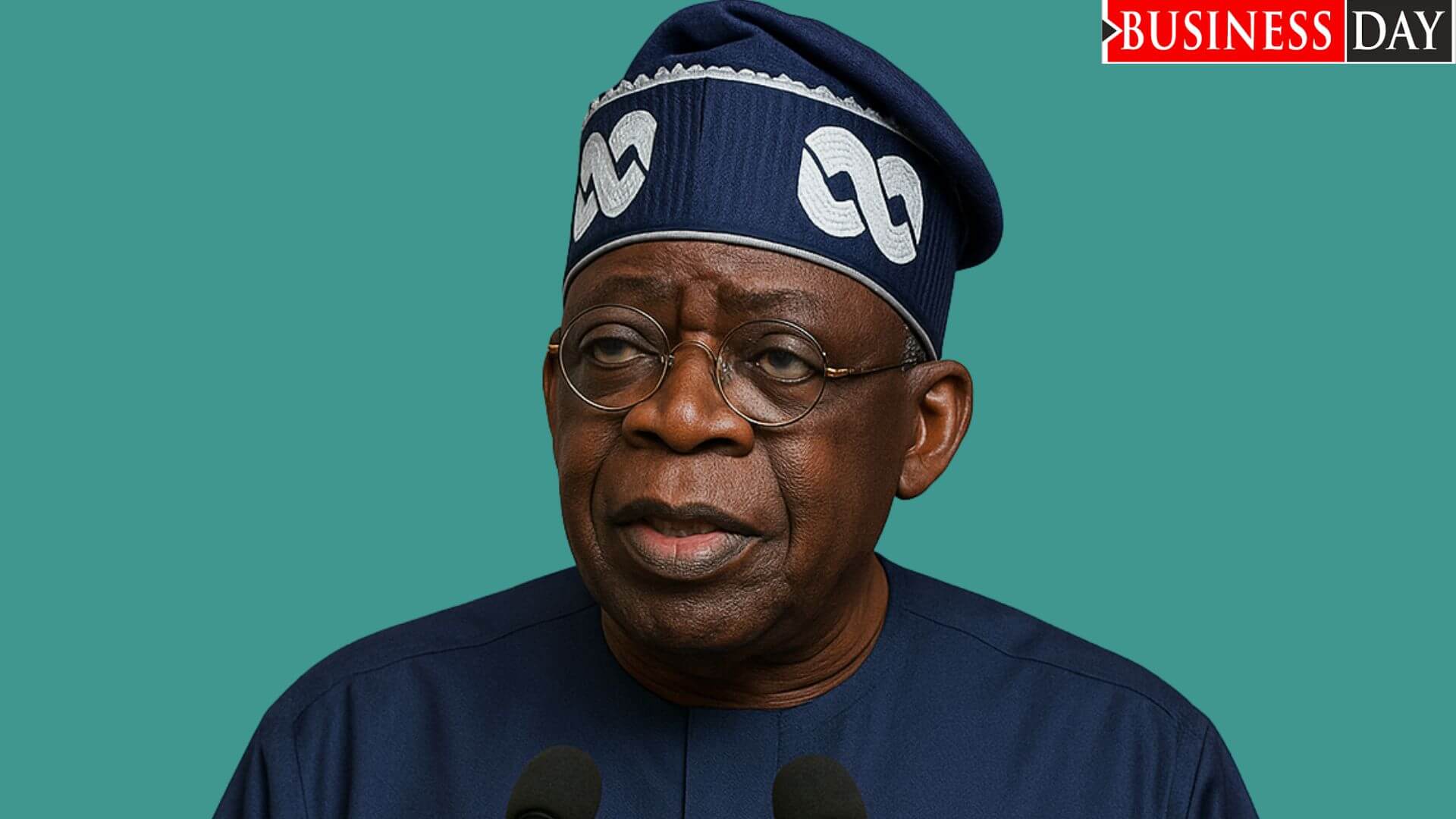
Frustration over President Bola Tinubu’s reforms and spiraling living costs is becoming a political challenge, with many Nigerians, including housekeeper Wudira Talwa, saying they will not vote for Tinubu in the next election.
Seated beneath a large red canvas umbrella outside Nigeria’s main stock exchange in Lagos, Sulaimon Isiaka watches traders, bankers and executives stream past his newspaper stand each day.
The 45-year-old vendor spends part of his 12-hour shift delivering bundles of newspapers to the Nigerian Exchange Group next door. Nearby is the Lagos office of the Central Bank of Nigeria and the headquarters of some of the nation’s biggest lenders.