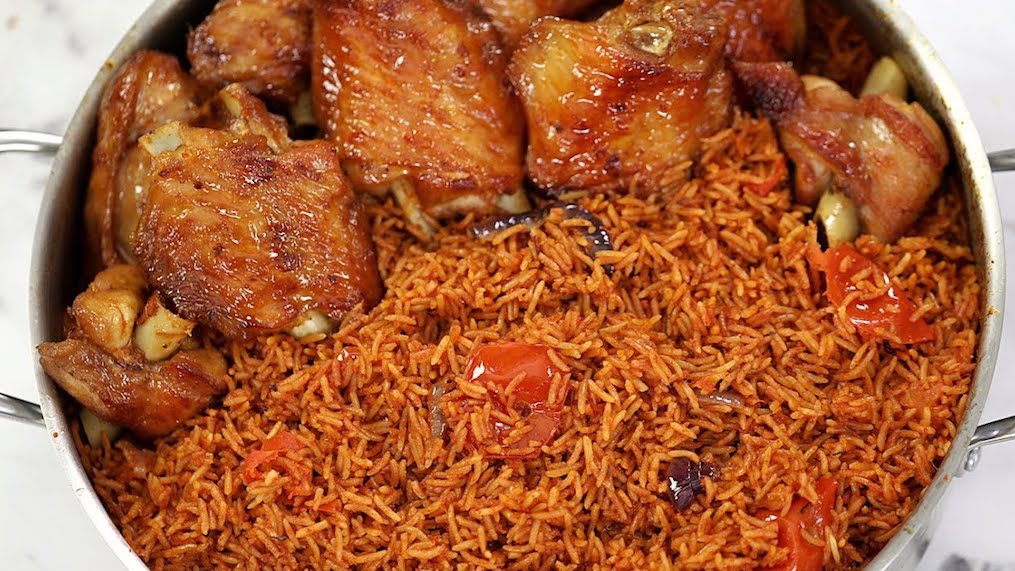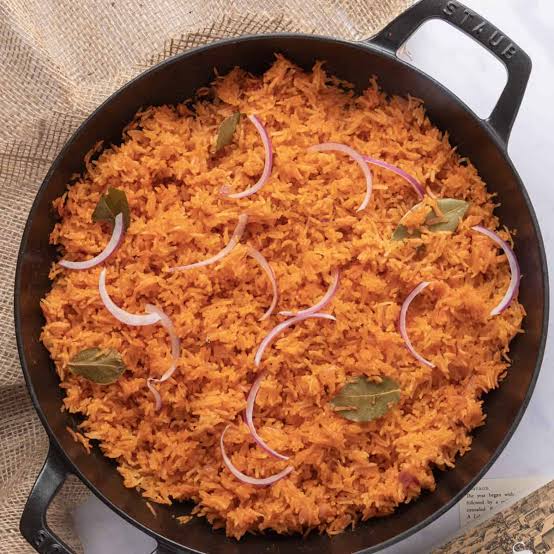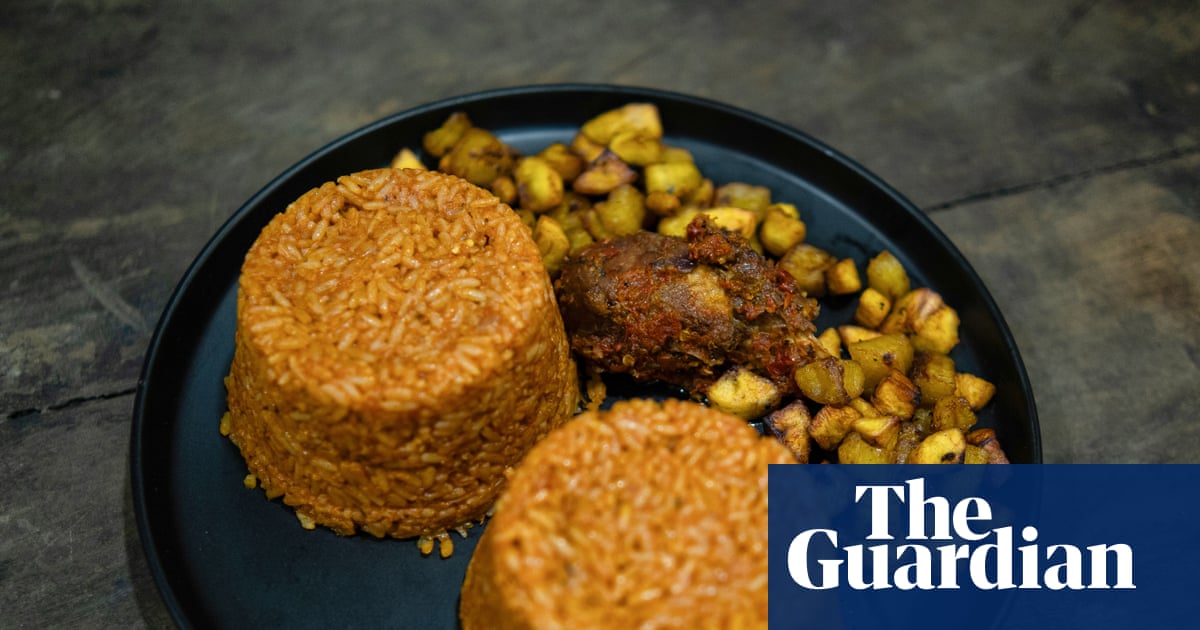
adsThe story of inflation in Nigeria is not written in central bank communiqués or quarterly GDP reports. It is written in the cost of a pot of jollof rice. SBM Intelligence has tracked the price of this national staple across markets since 2016, and the trajectory is a chronicle of a country slowly pricing itself out of its own citizens’ reach.
In the first quarter of 2026, the national average cost of a standard pot of jollof rice hit an all-time high of ₦30,435. To understand what this number means, you have to walk back through the wreckage of the past six years.
In April 2020, at the peak of the COVID-19 lockdowns and the land border closure, a pot cost ₦7,590. The pandemic disrupted supply chains, and the border closure, imposed in August 2019 to curb rice smuggling, had unintended consequences. It choked off legal imports and drove up local prices without a corresponding boost to domestic production. By early 2022, the cost had climbed to ₦8,595. Diesel prices had surged, petrol was scarce, and insecurity in food-producing regions was beginning to bite.
Then came 2023, the year of shocks. In March 2023, the naira redesign cash crunch and fuel scarcity pushed the price to ₦10,882. In May, the new government removed the fuel subsidy and unified the exchange rate. The pass-through was almost instantaneous, and by June, the same pot cost ₦12,373. Imported inputs, from rice to vegetable oil to seasoning, became more expensive as the naira lost value. By September 2023, the price had reached ₦13,106, driven by the continued effects of subsidy removal and the closure of the border with Niger, which disrupted grain and onion supplies.