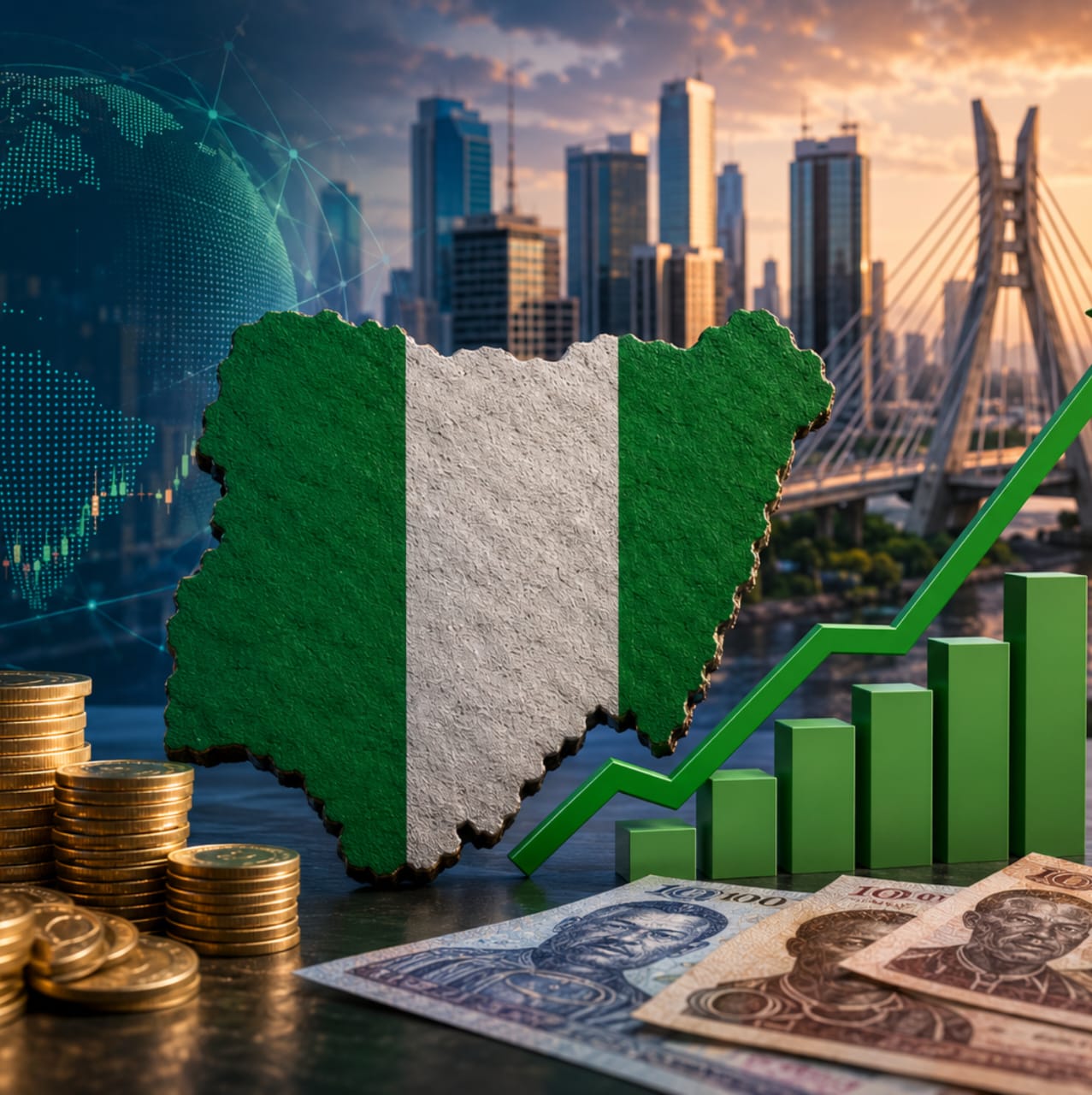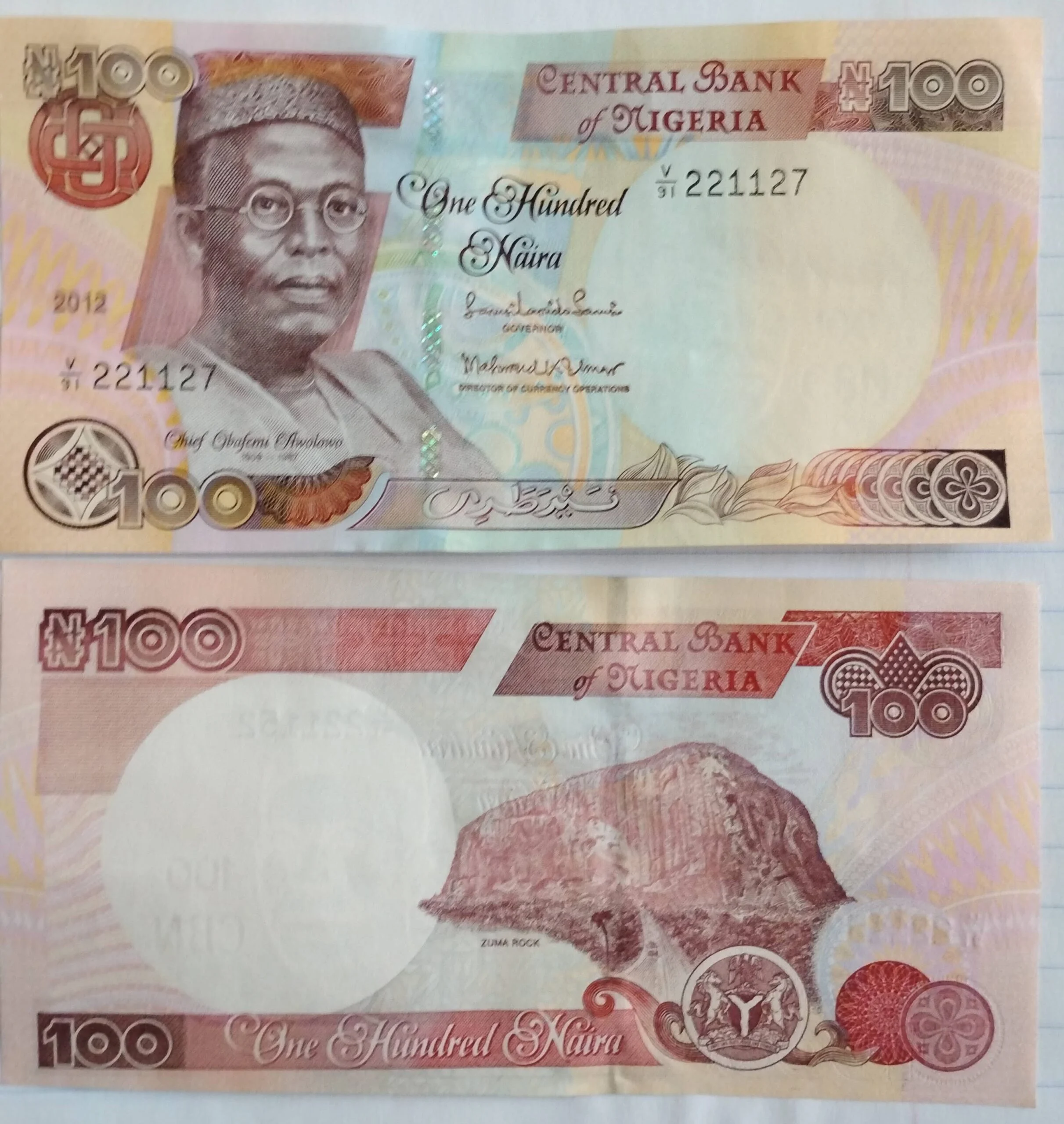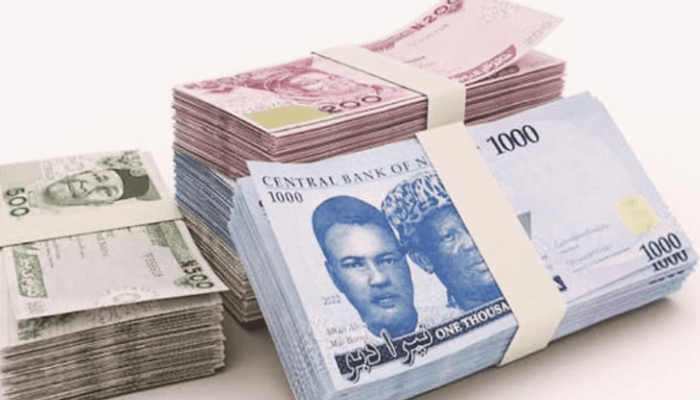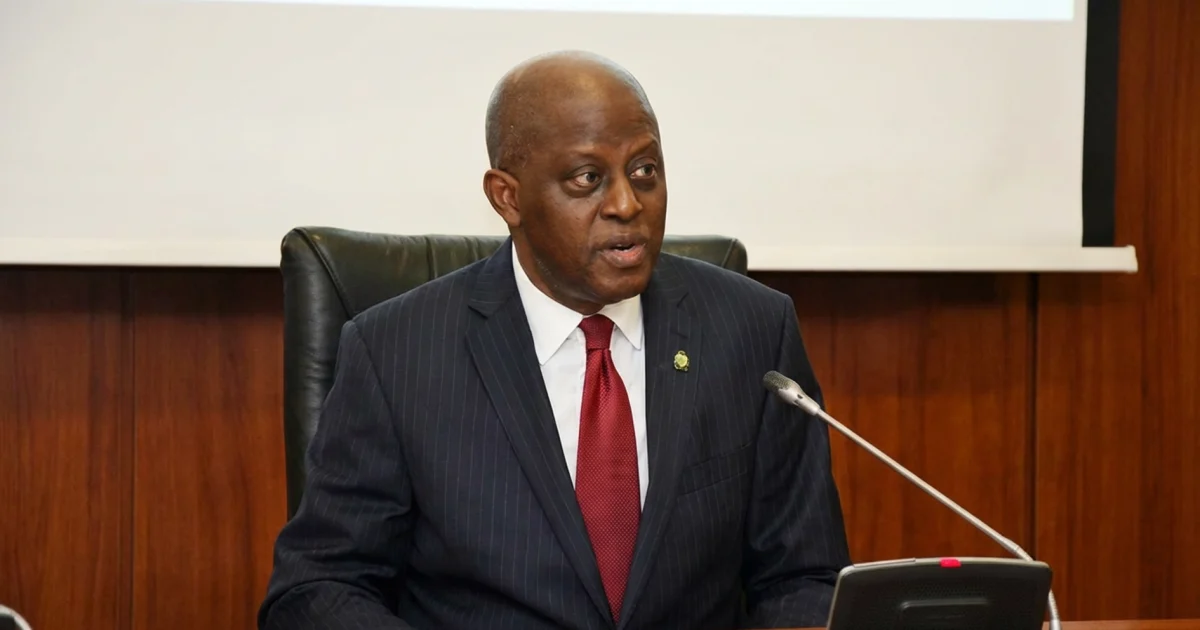
Every few months, the nation becomes preoccupied with the value of the naira, while ignoring the fundamentals and underlying economic challenges. It is, however, heartwarming that the Central Bank of Nigeria, under Governor Olayemi Cardoso, through some of its policies, has been able to bring some level of stability and predictability to the exchange rate in the market. Which has closed the gap between the official rate and the unofficial/autonomous market rate.
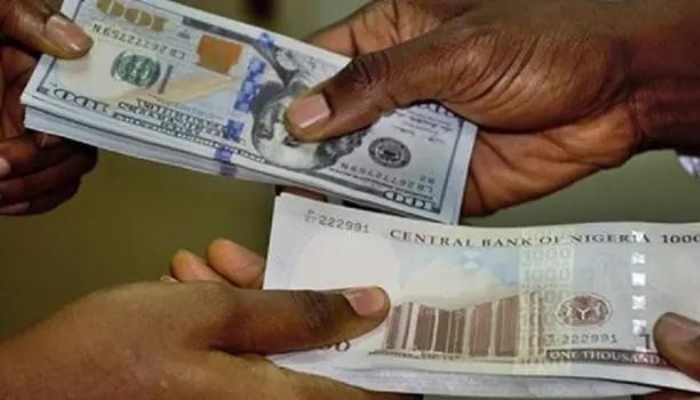
When the currency weakens against the dollar, inflation accelerates, businesses struggle with rising costs, and households find their purchasing power diminished. Most times, public debate turns to the central bank, exchange-rate management, foreign reserves, speculators, and government policy.
While these discussions are important, they often miss the larger picture.
The Naira itself is not the disease. It is merely one of the symptoms of a much deeper structural challenge confronting Africa’s largest economy.
The fundamental question facing Nigeria today is not whether the Naira should trade at ₦1,000, ₦1,500, or ₦2,000 to the dollar. The real question is whether Nigeria is producing enough goods and services to support the aspirations of over 230 million people in an increasingly competitive global economy.