There is a quiet irony unfolding in Nigeria today.
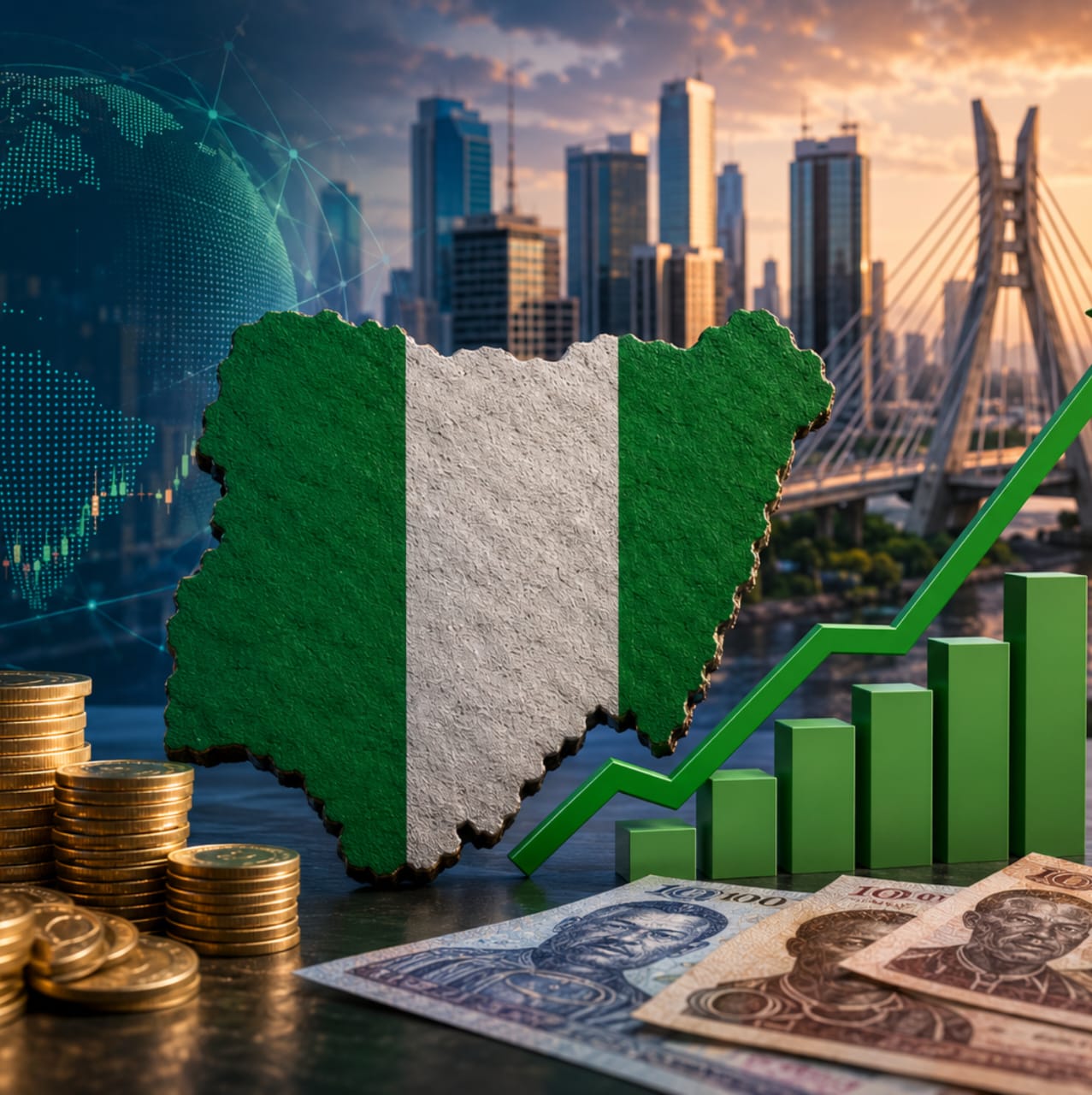
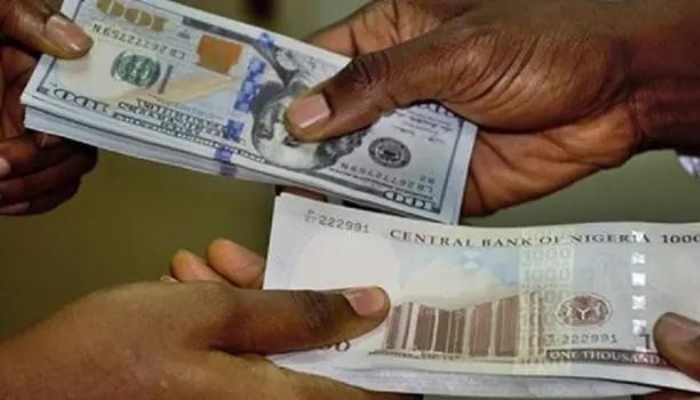
The Naira is more stable than it was two years ago. Foreign reserves have improved. The foreign exchange market is less chaotic. International financial institutions are beginning to speak of Nigeria with cautious optimism. Investors who once recoiled at policy uncertainty are again paying attention.
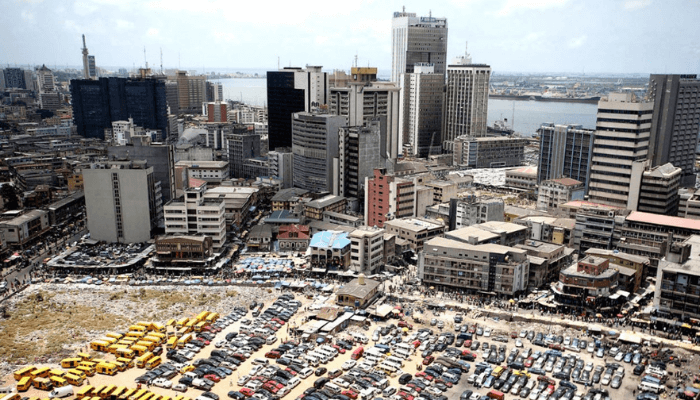
However, optimism is scarce in the markets of Lagos, Kano, Aba, and Ibadan.
Food prices remain painfully high. Transport fares continue to punish workers and traders. Small businesses are struggling with weak consumer demand and high borrowing costs. Families increasingly measure prosperity by what they cannot afford to buy.
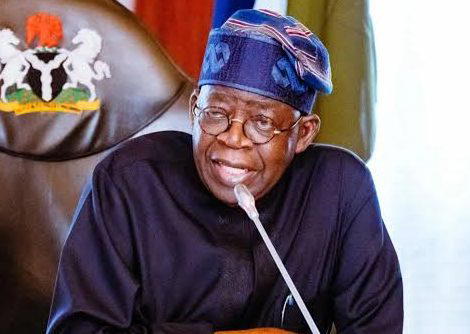
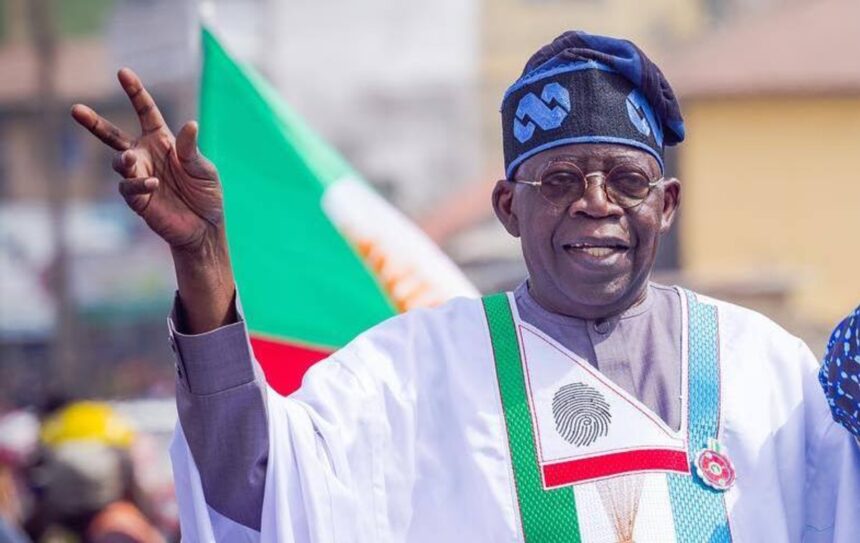
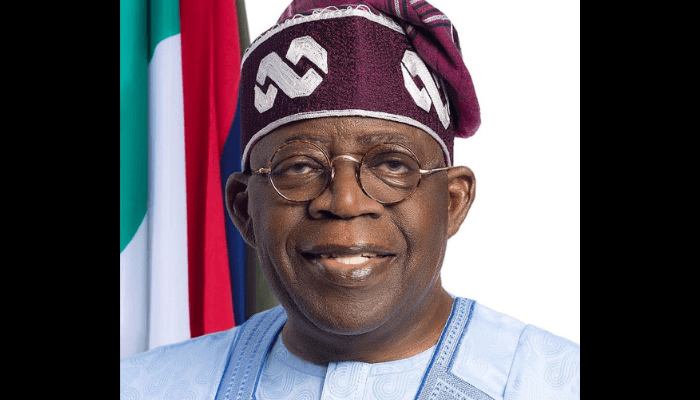
This contradiction is at the heart of what has come to be known as Tinubunomics—the bold and controversial economic reforms championed by President Bola Ahmed Tinubu.