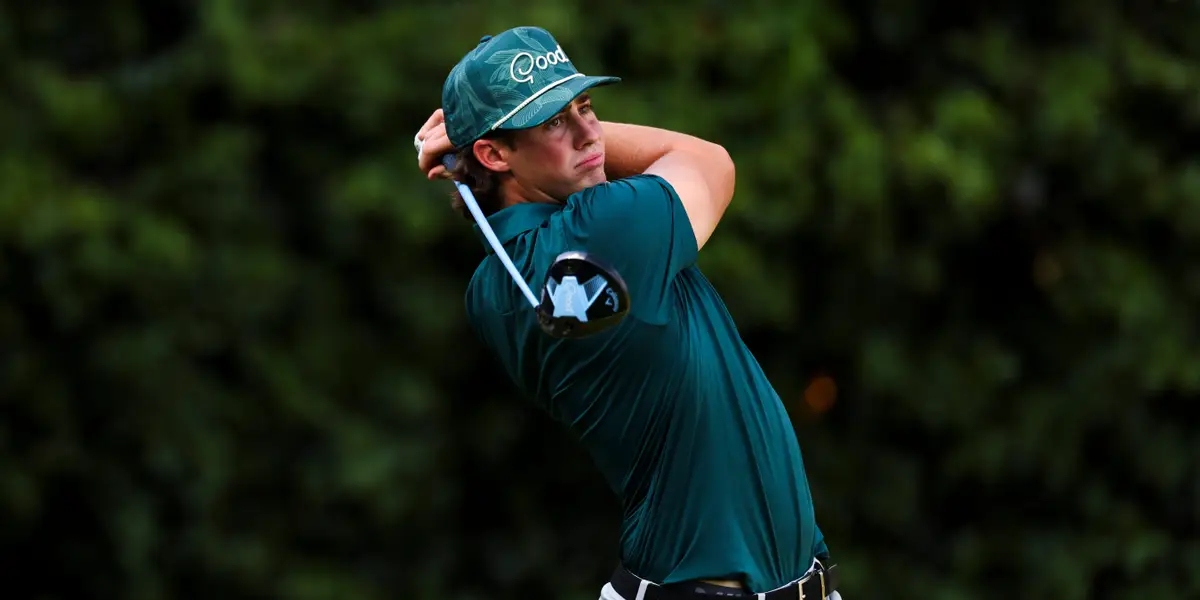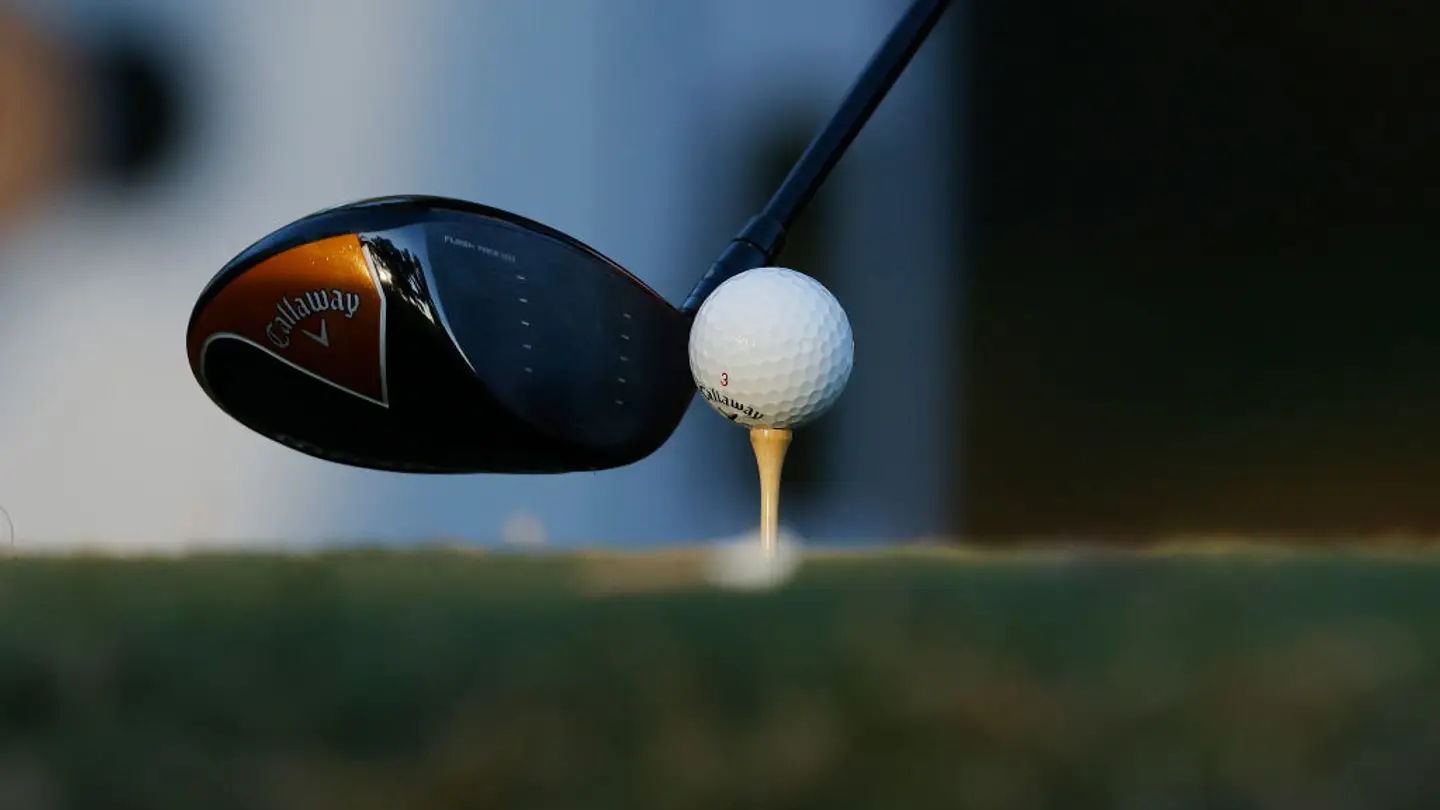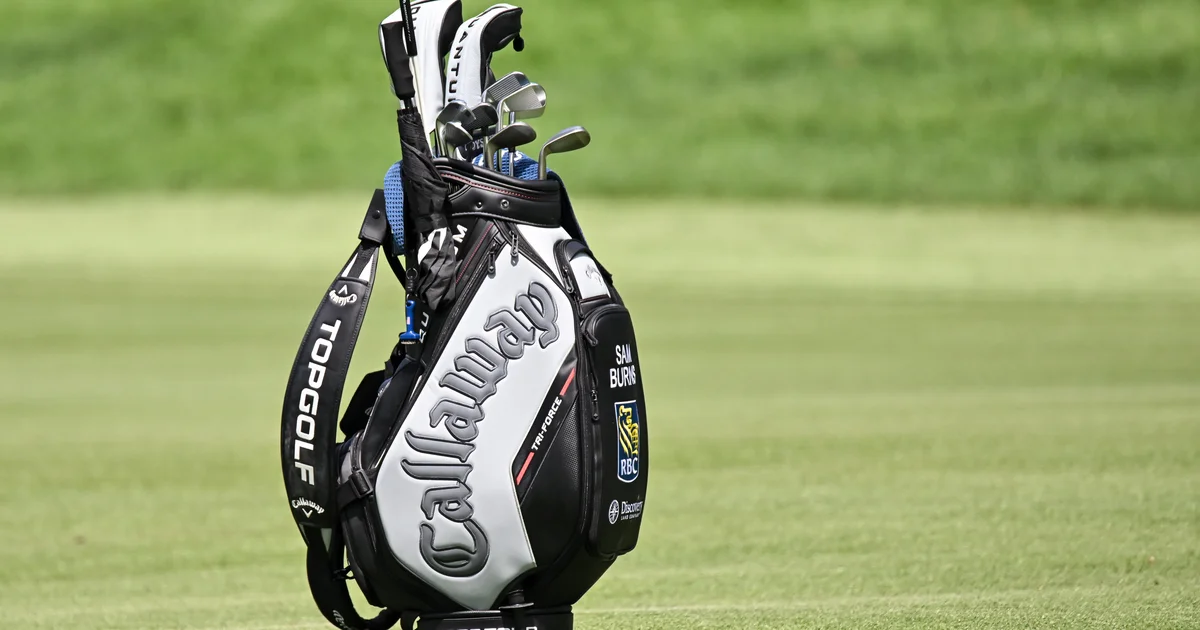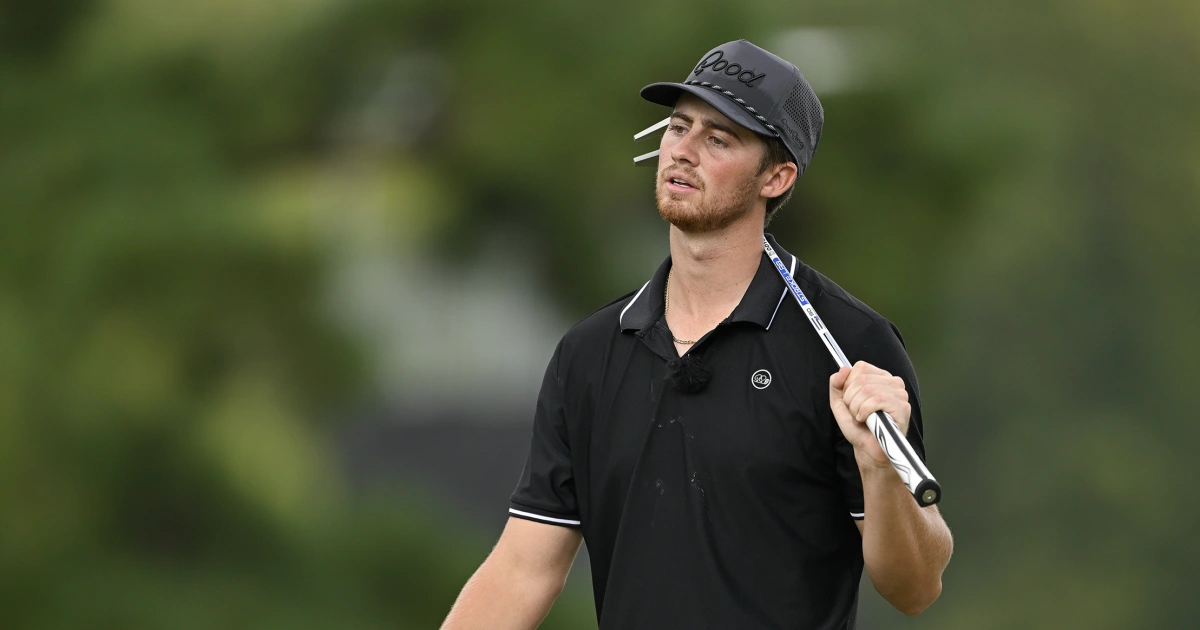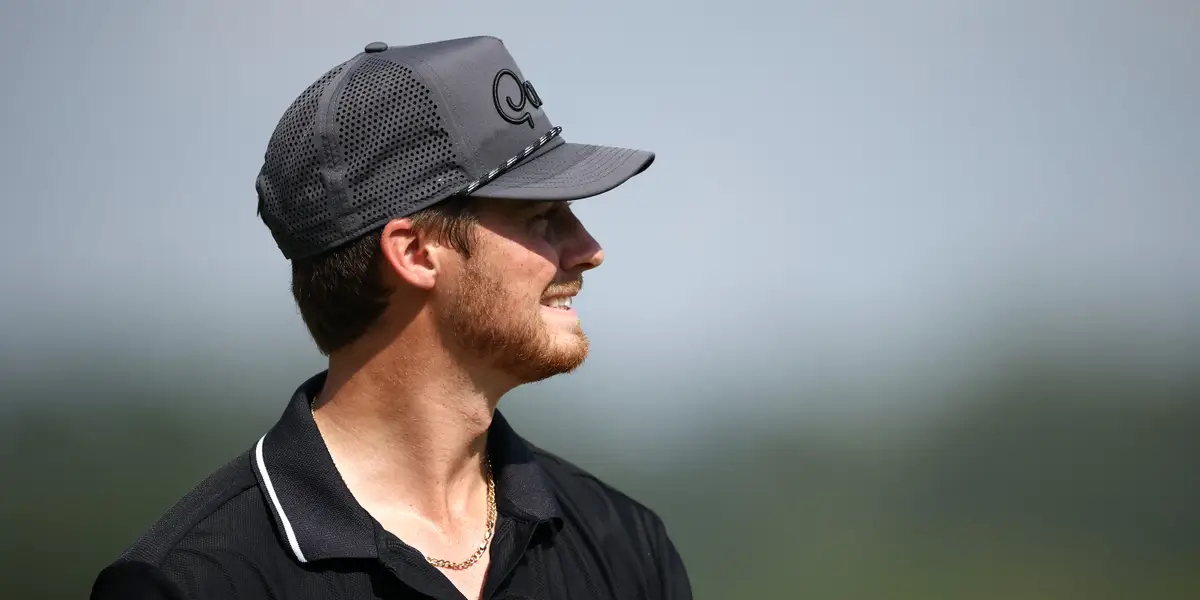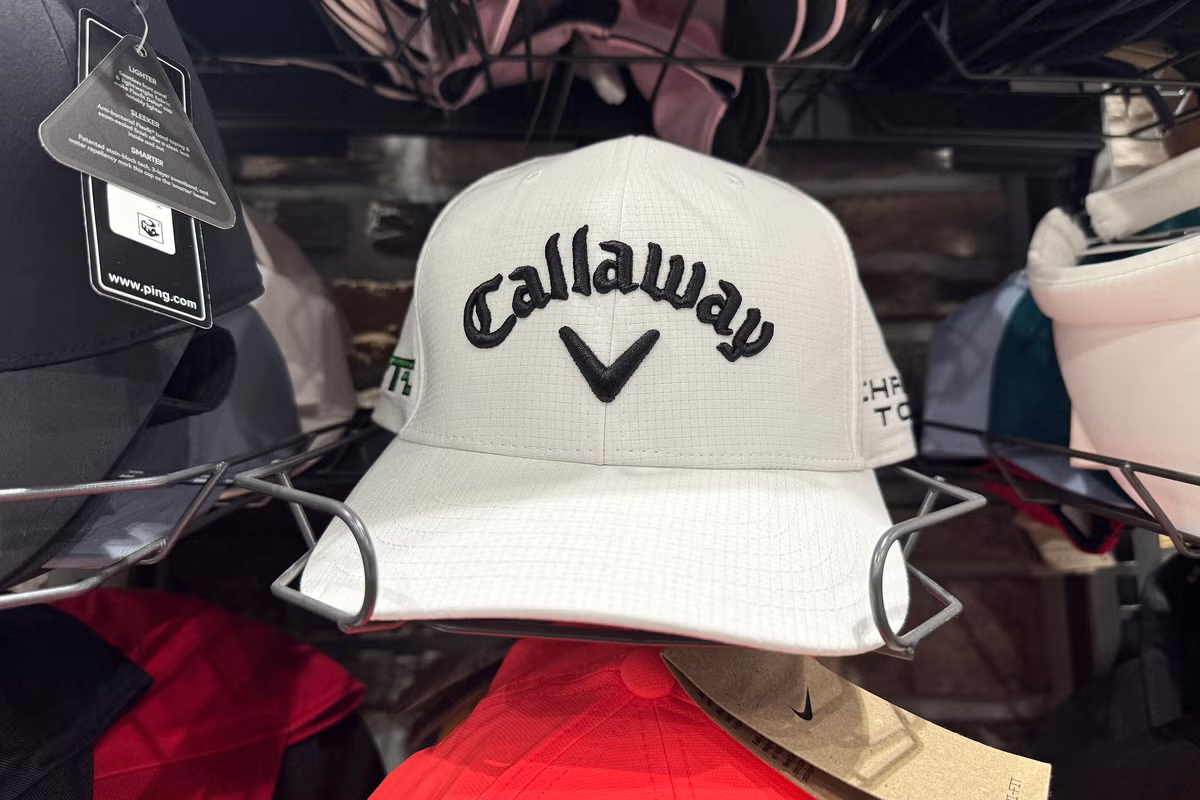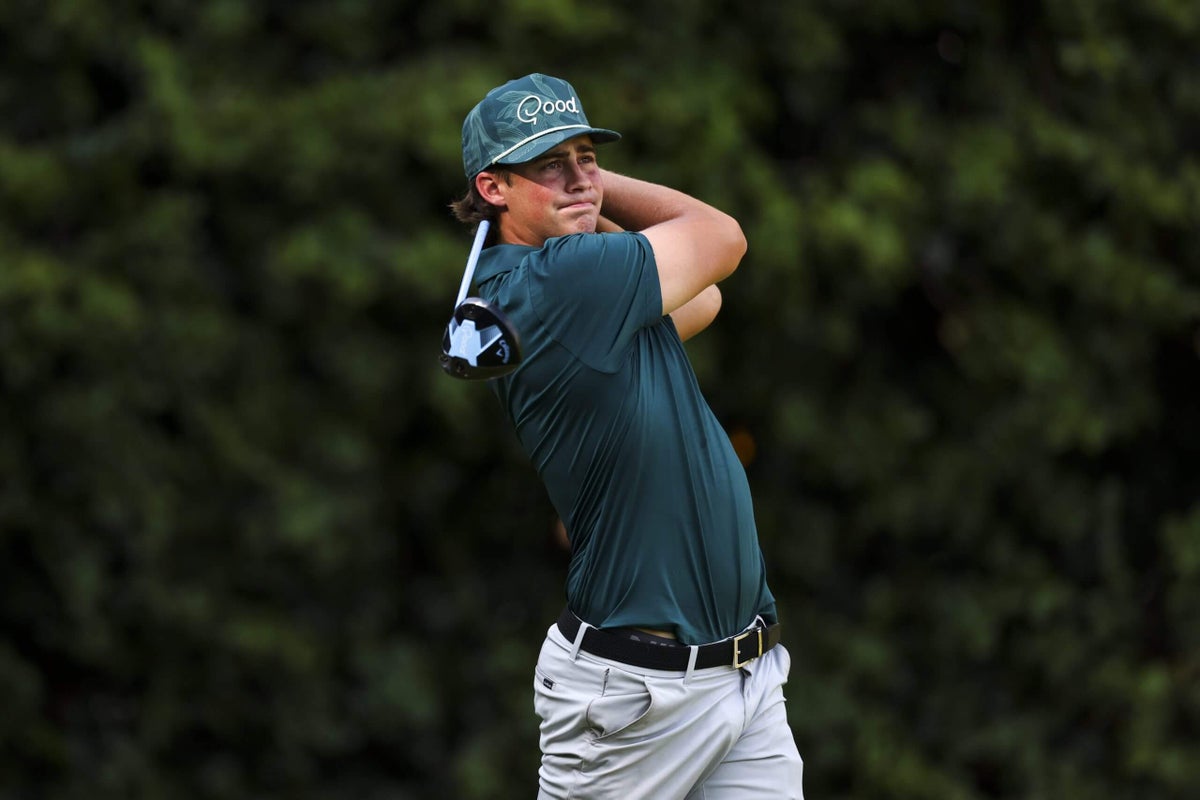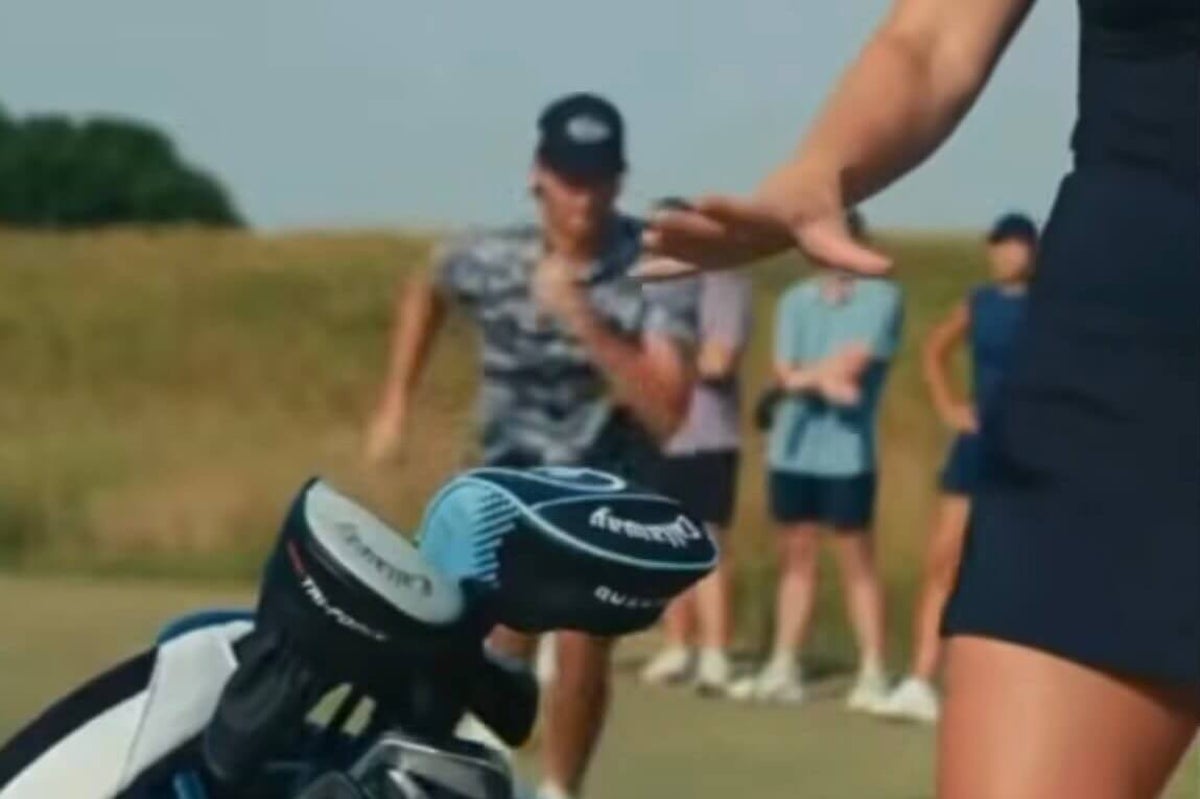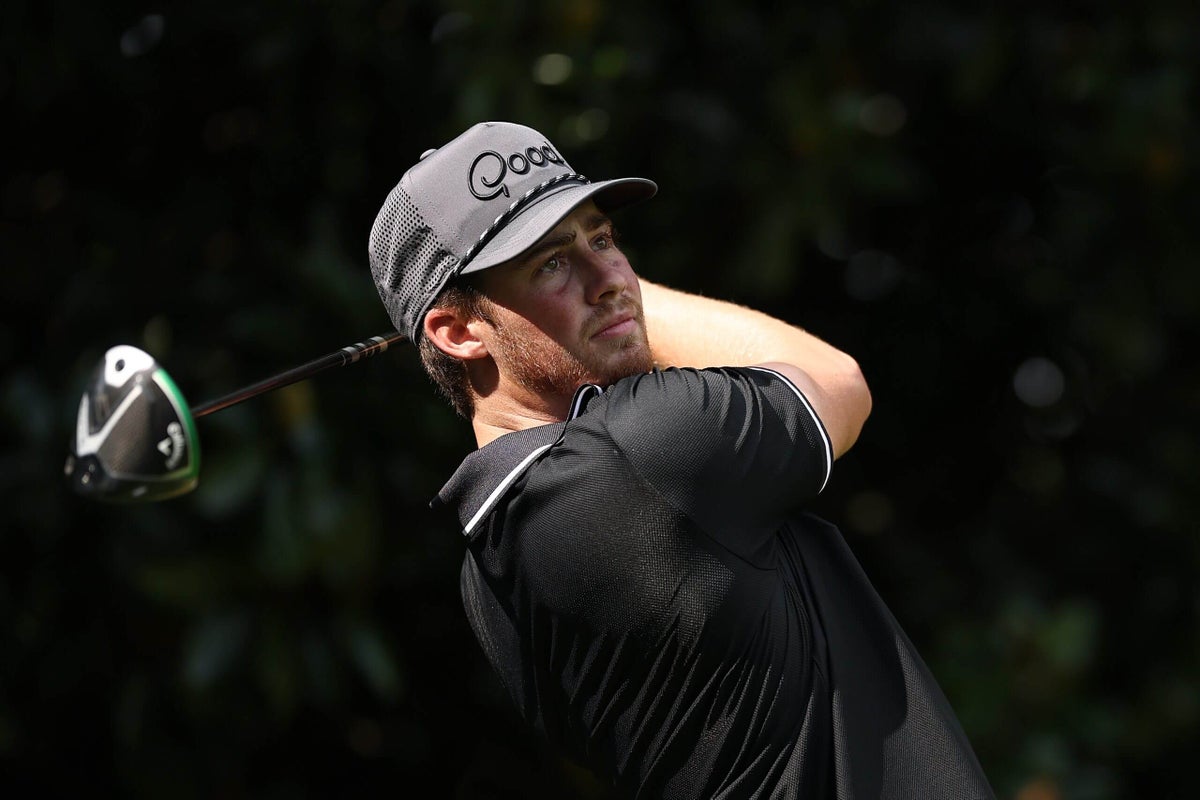
A group of influencers filmed an advertisement intended to parody an independent movie, the internet exploded with outrage over its depiction of casual violence toward a woman, and executives released poorly worded apologies. So here we are now: A week later, the Good Good Golf controversy shows no signs of slowing down.But as mass retailers continue to remove brightly colored hats from shelves and fans debate what could possibly be in store next for the YouTubers, the debacle has exposed a larger question: What will big-box brands — like Callaway, the manufacturer that signed off on the since-deleted advertisement for a co-branded driver — learn from this?According to multiple industry experts, the fallout from Good Good’s massive error and misjudgment will spark a reckoning in the larger corporate golf space.The embrace of influencers, and more specifically the “bro”-heavy golf influencer culture, is not going away entirely. However, companies will be forced to sit down and ask themselves how to tap into a younger demographic without sacrificing brand values.Is there a way to partner with influencers but refrain from giving them unchecked power over your business’s reputation? What other avenues are there to produce the same generation-bridging results?“That’s the gap that really needs to be fixed, in my opinion — that some of these groups do see too much creative freedom,” says Michael Brown, a brand partnerships expert for more than 30 years and the current executive vice president of GSE Advisory. “And you inherently are going to have potential risks.”The ad in question, Good Good co-founder Garrett Clark has since explained, was meant to spoof “Obsession,” a supernatural horror film theatrically released this summer. In it, Clark charges Alexis Miestowski from the background and pushes into her back with his forearm. She falls to the ground, and as he stands over her and she looks up at him, he says menacingly, “Do not touch my new driver.”The ad was deleted within hours. A first wave of apologies followed, and soon enough the end of a relationship that, when it began in January 2023, was a major moment in a growing trend: golf’s original equipment manufacturers (OEMs) choosing to link arm in arm with groups of young, popular internet creators.These influencers, many of whom had started with a podcast or on YouTube, became multi-platform independent media companies with devoted followings. Their growth only accelerated during golf’s COVID-19-related boom.TaylorMade already had the Barstool Sports’ Foreplay podcast, and then signed YouTuber Grant Horvat. No Laying Up, which had been with Callaway, signed with Titleist. Not to be outdone, and in the wake of sagging TV ratings, the PGA Tour organized a creator council and launched “Creator Classic” exhibitions connected to its top tournaments, The Players Championship and Tour Championship.Who on the PGA Tour should start a YouTube channel?Gabby Herzig and Lauren Morales-JonesThese partnerships saw near-immediate success.Massive legacy companies felt like they finally figured out a solution to a growing problem. They couldn’t crack the code to access the untapped Gen-Z demographic of golfers, but these niche internet celebrities could. Why not team up?“This is a natural progression of business and marketing,” says Jess McAlister, a golf marketing consultant and the founder of Digital Golf Collective, one of the first golf-focused influencer marketing agencies. “Creator marketing, influencer marketing, non-endemic marketing partnerships have been around for a very long time. Golf is just the last to catch up on a lot of things, so there’s obviously a learning curve with anything new.”Callaway certainly did not miss out on that opportunity, as they effectively handed over creative control to Good Good. The latter marketed the former’s products organically amongst their usual content, in their own authentic, occasionally immature and always unfiltered manner. Good Good saw enormous success and Callaway was pleased with the results — “The opportunity to get a group of 20-year-olds that have a huge following, that are great golfers, getting people excited about our product was just too good an opportunity to miss,” Callaway CMO Nick McInally told The Athletic in 2024.At the same time, it also became somewhat of an unbridled content powerhouse — a herd of wild, iPhone-clad horses running free.The understanding inside Callaway headquarters was that Good Good was simply better at captivating younger fans, so Callaway’s leadership should sit back and listen to them, according to a person directly familiar with the manufacturer’s brand strategy, who spoke on the condition of anonymity because they were not authorized to speak publicly.They decided, collectively, to let the Gen-Z experts do their thing. Callaway received and viewed the controversial advertisement from the Good Good team for the first time approximately 24 hours before it was set to be posted on social media, according to the source.In a post to his X account early Friday morning, Good Good CEO Matt Kendrick blamed Callaway — “Interesting that @CallawayGolf asks us to make an ad then approves it then asks us to take the fall then drops us in a coordinated media blitz and covers it up by giving a million dollars away thinking everyone will be ok with it.”Kendrick did not respond to a request for comment from The Athletic.The PGA Tour once brought in top YouTubers like Wesley Bryan, left, George Bryan, center, and Grant Horvat, third from right, to play in Creator Classics. (Richard Heathcote / Getty Images)As Good Good demonstrated, that sort of strategy can get legacy brands and publicly traded companies like Callaway into major trouble. Experts say this controversy will likely cause brands to reconsider whether partnerships like the one in question ever made sense in the first place.That perhaps explains why the fallout has been so swift. In addition to Callaway severing ties with Good Good:• Dick’s Sporting Goods/Golf Galaxy was the first major retailer to pull Good Good merchandise from its shelves.
How Good Good’s crash and burn is changing golf’s fascination with bro influencers
Is there a way to partner with YouTubers but refrain from giving them unchecked power over your business’s reputation?
1,400 words~6 min read