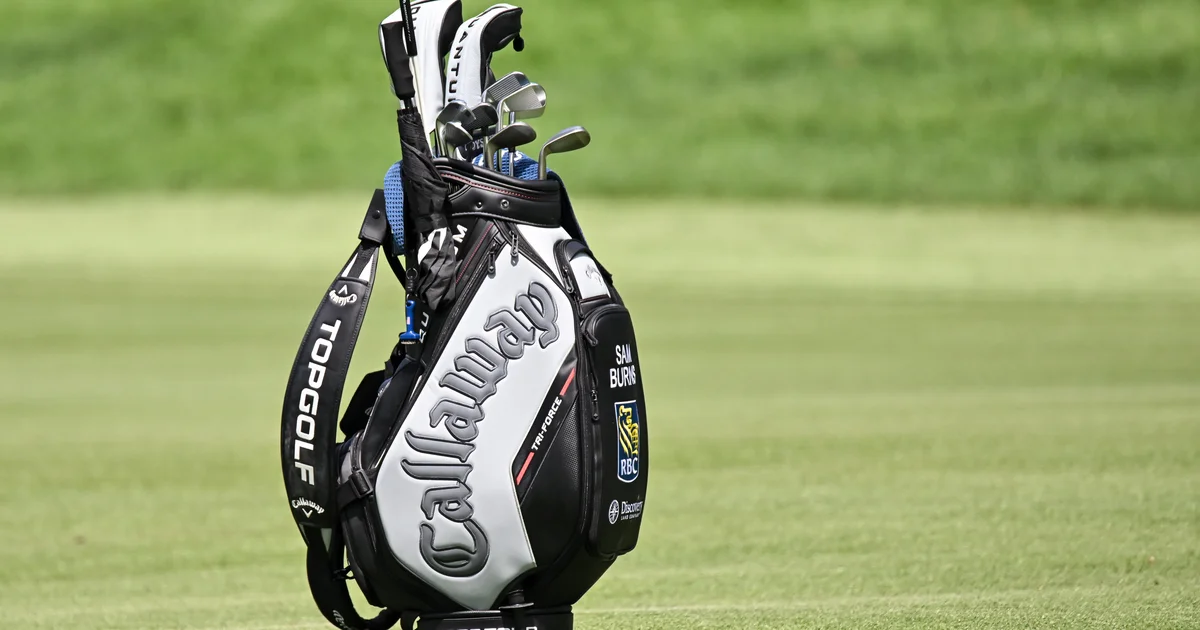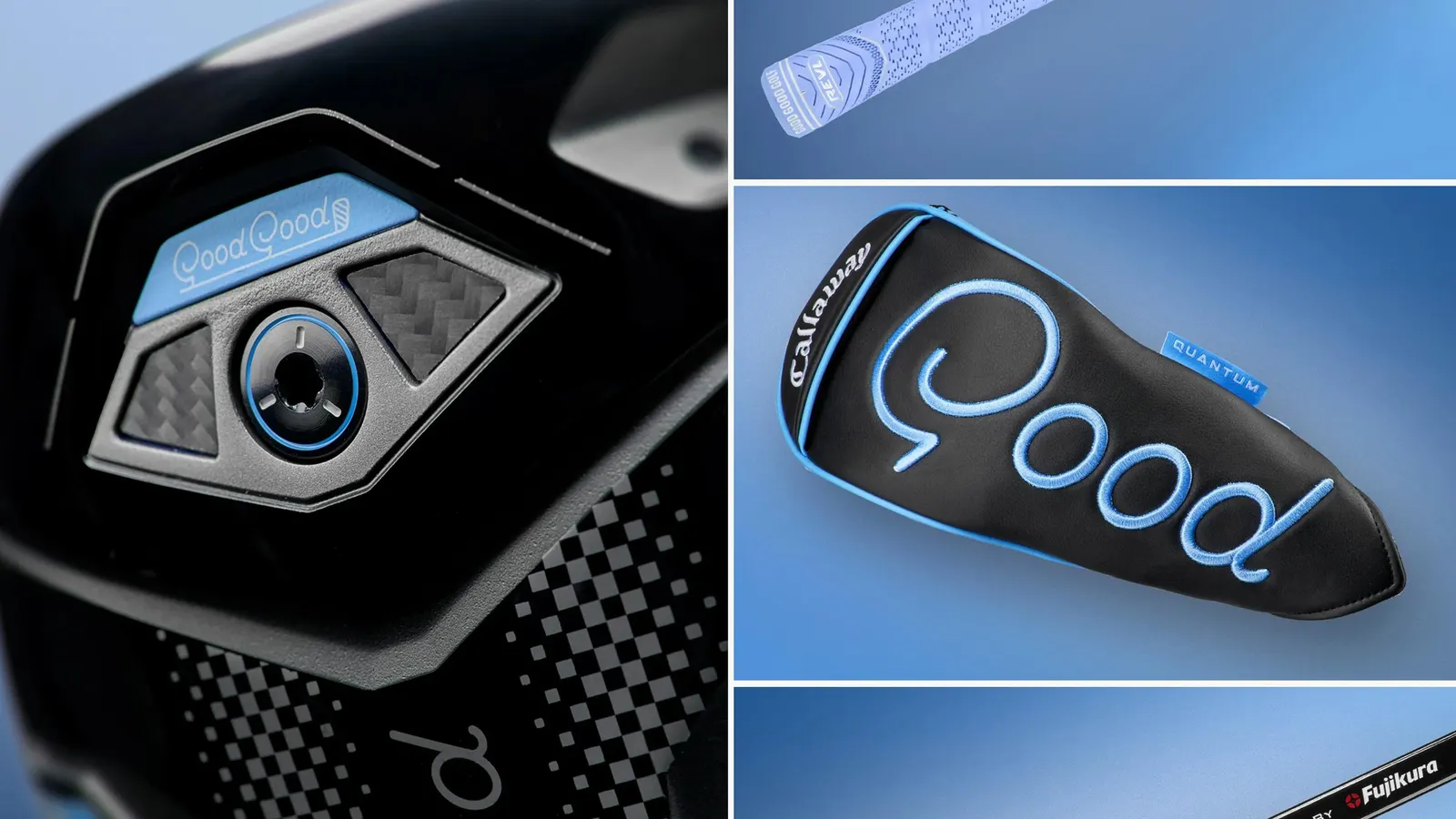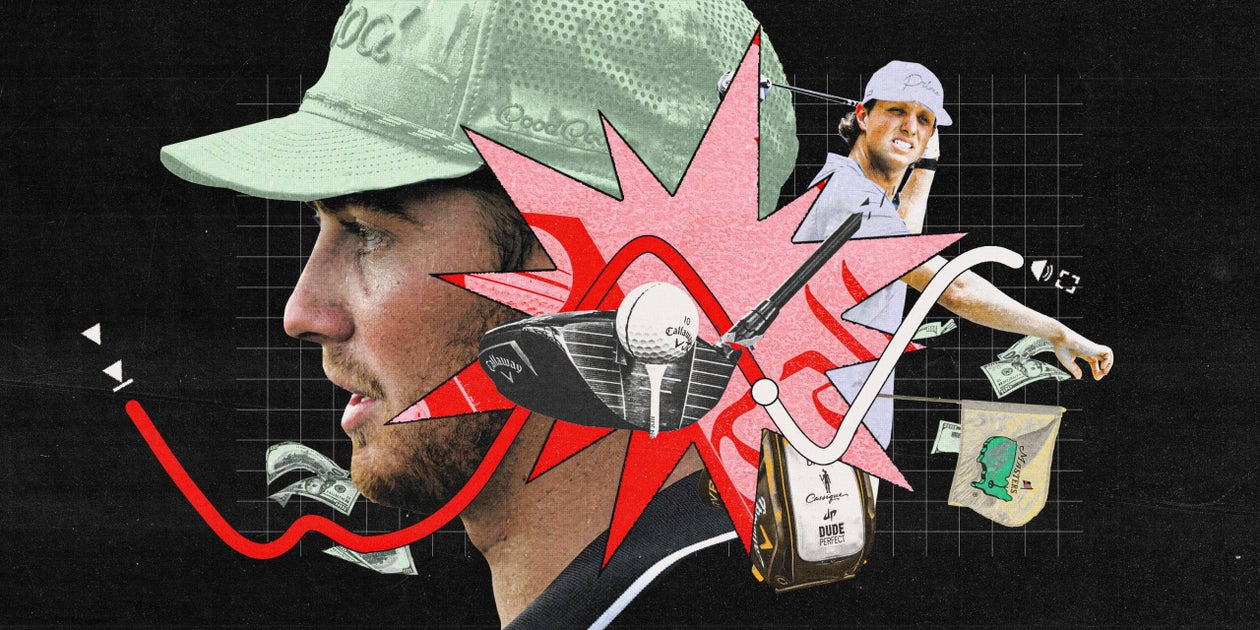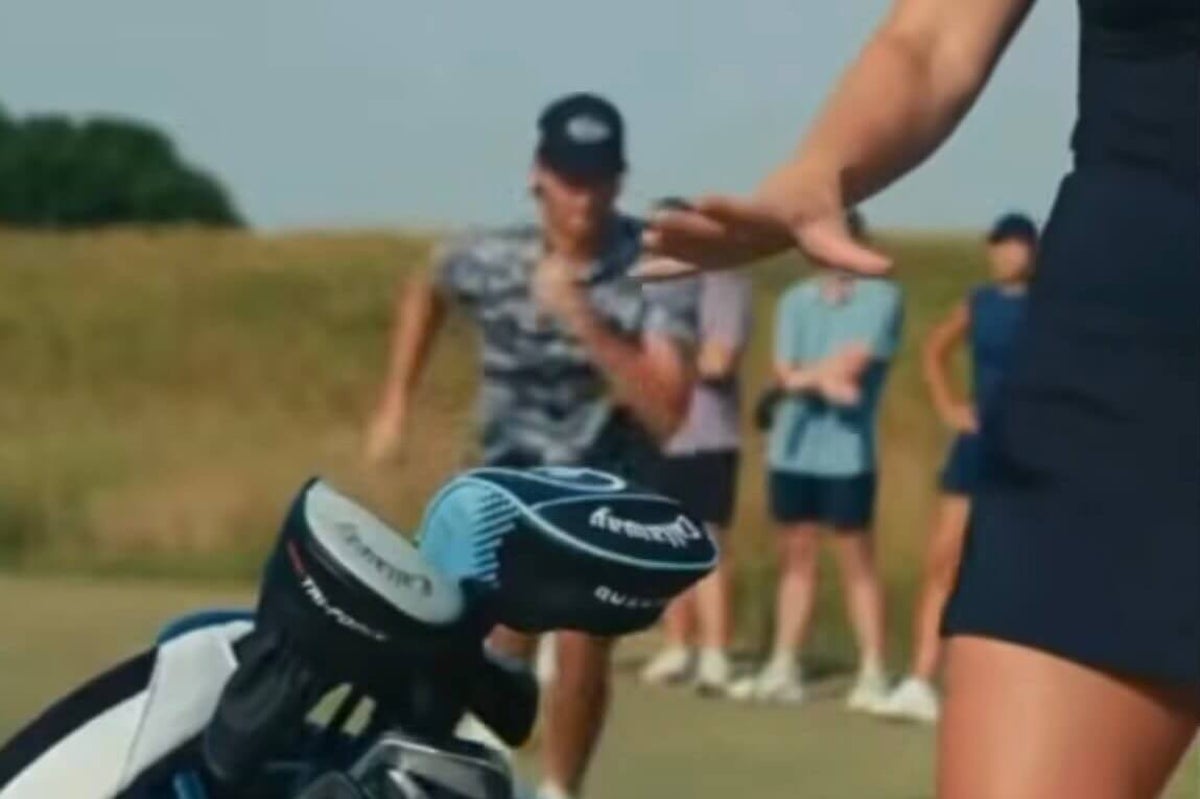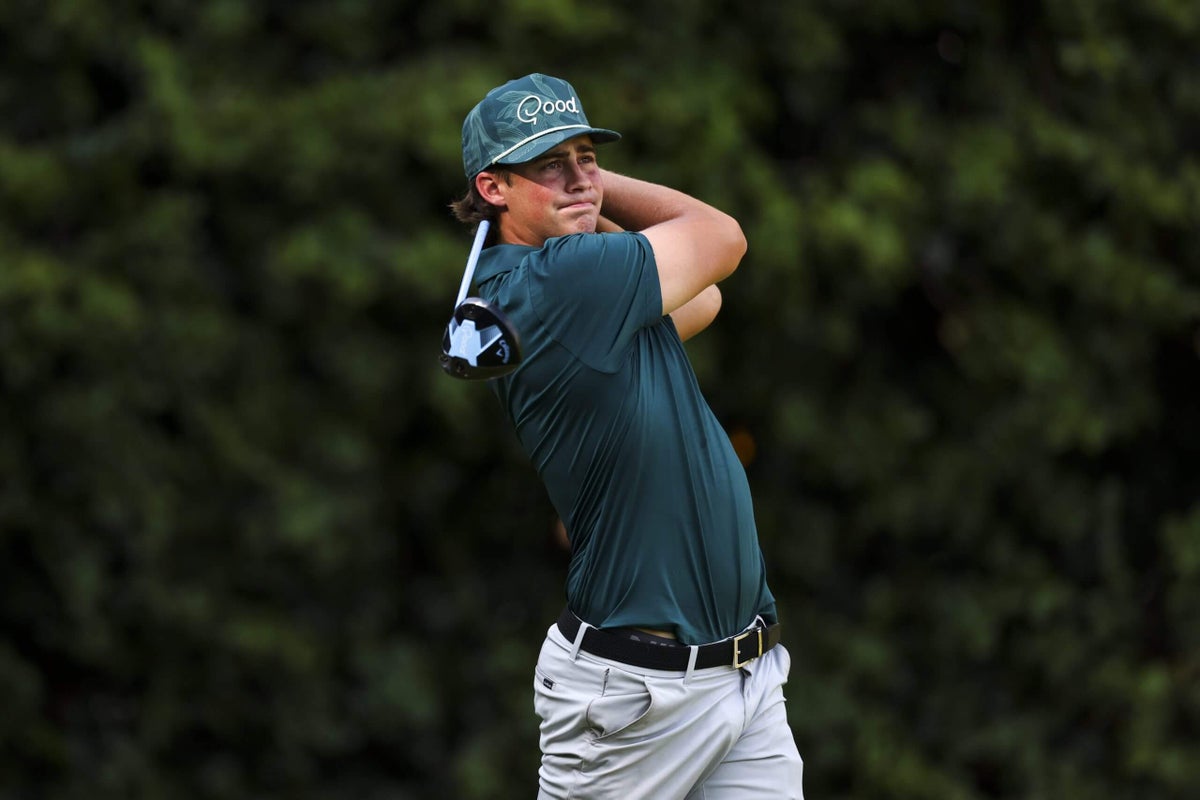
One week ago, Good Good Golf — the populist YouTube-powered golf media brand — was near the peak of its relevance.The company had blue-chip sponsorship deals with venerable golf brands eager to align with Good Good’s cool-bro vibe and enthusiastic Gen Z audience.It was days away from debuting a highly anticipated new TV series with a well-established network.And coming this fall, the ultimate validation of the company’s surge into the mainstream: Title sponsorship of a PGA Tour event in Austin, Texas.A week later, the company is mired in a controversy of its own making, fueled by the same virality that helped establish it as a golf-culture sensation.Its deals are in ruins. Its CEO started this week emailing an apology and is ending it unapologetically calling out former sponsorship partners by name. Its high-flying trajectory has veered into the kind of rough no company wants to experience.In a fast-moving situation, here is a timeline of key moments of the week that went so, so badly for Good Good Golf.Friday, August 21The 15-second ad (part of a wider 60-second version) is initially posted to social media. In the clip, which has been deleted but is archived here, Alexis Miestowski reaches for a Good Good-branded driver in a bag. The driver in question is part of a branding deal with Callaway Golf, putting the Good Good logo and color scheme on Callaway’s Quantum driver.In the ad, Good Good co-founder Garrett Clark charges at Miestowski, who has competed on the women’s second-tier Epson Tour and is a star of the “Good Good Girls” spinoff YouTube channel, from the background and pushes into her back with his forearm. She falls to the ground, and as he stands over her and she looks up at him, he says menacingly, “Do not touch my new driver.”The backlash was near-immediate for its depiction of casual violence against women.Saturday, August 22At 3:18 p.m. ET, Good Good Golf posts a statement about the ad on social media:“We posted a video to our channels that ultimately depicted actions that are not aligned with our values as a brand. We have since taken that content down, and sincerely apologize. Good Good has always stood for making the game of golf more inclusive for all, and we will continue to ensure that is our mission moving forward.”Sunday, August 23The controversy around the ad reaches escape velocity from conversations on social media to coverage in mainstream media outlets, including The Athletic.The Athletic’s initial story included Callaway’s initial statement: “We are disappointed by the content that was posted, and are appreciative of Good Good for addressing this. We look forward to working together to ensure a more inclusive space in golf.”The PGA Tour also released a statement:“The PGA Tour believes in golf’s ability to bring people together and create a welcoming environment for all. We do not condone violence in any form, and the since-deleted video does not reflect our values or commitment to inclusivity and respect.”Who on the PGA Tour should start a YouTube channel?Gabby Herzig and Lauren Morales-JonesMonday, August 24At 8:43 a.m. ET, the Golf Channel posts to social media expressing its excitement for the debut of “Big Break,” a golf reality TV series being brought back in collaboration with Good Good Golf.Kendrick sent a memo to the staff of Good Good, per Front Office Sports, titled “Owning Our Mistake” and saying the company will donate proceeds from the driver sales to “supporting women” near its Frisco, Texas headquarters.In the early afternoon, Google sees its first meaningful spike for searches related to “callaway golf ad.”Tuesday, August 25Shortly after 1 a.m. on the East Coast, a message from the CEO of Callaway, Chip Brewer, is posted to social media. “While the video was produced by Good Good, it was approved by Callaway prior to posting,” he said. “That approval should never have happened,” adding “I want to make it clear that we sincerely apologize for the video.”As of August 28, the post has 5.8 million views.Later in the day, PGA Tour CEO Brian Rolapp was asked about the controversy during a news conference in Atlanta ahead of the PGA Tour’s season-ending Tour Championship, including whether he thought Good Good took enough accountability. Rolapp was critical:“I think their initial response was disappointing. It was a bit defensive and late,” Rolapp said. “But I think the responses are getting better. I think we’ve seen some things this morning — we’ve had some conversations with them — so we’ll continue to monitor and work with them going forward. But, no, we were disappointed with what we saw.”PGA Tour CEO Brian Rolapp had to weigh in on the Good Good Golf controversy. (Kevin Dietsch / Getty Images)A few minutes after 6 p.m. ET, Golf Channel posts to social media, announcing that the debut scheduled for that night of the “Big Break x Good Good” is postponed by a week. “This will allow for necessary production updates following a request from one of the show’s sponsors to remove its branding from the series.” The sponsor was Golf Galaxy, a division of Dick’s Sporting Goods.At 9:24 p.m. ET, Claire Rogers of the golf media company Skratch reports that Golf Galaxy employees have been told to remove its merchandise from their shelves.Wednesday, August 26At midday, a report in Front Office Sports noted that searching for items from Good Good on the Dick’s website yielded “no matches found,” with a similar result on the Golf Galaxy website. PGA Tour Superstore and Target, two other major retailers for Good Good merchandise, also took down the products from their online marketplaces.At 7:40 p.m. ET, Clark posts an 8-minute 30-second video on social media, his first post on X in more than three months. It gets 5 million views and 1,500 replies.“I want to personally apologize for playing a role in the skit in this ad at the magnitude that I did,” he said, adding: “I thought it was the worst ad known to man.”Thursday, August 27At 1:30 p.m. ET, Callaway posts an unsigned statement to social media, announcing the company has “now completed our review of matter and are taking the following actions,” laying out three bullet points, leading with “Callaway has ended its relationship with Good Good, effective immediately,” along with a “strengthened” content review process and “committing $1 million to support organizations working to prevent violence against women.”Good Good Golf announces it is no longer sponsoring the new PGA Tour event. “After thoughtful discussions with the PGA Tour and careful reflection, we have decided to step away as sponsor of the Tour event in Austin this fall. We recognize that we have work to do as an organization, and our focus right now is on our team, our culture and ensuring we learn from this situation.”The PGA Tour released its own statement about its break with Good Good: “The PGA Tour has been informed of Good Good Golf’s decision to step away as sponsor of the event in Austin, Texas, this fall. We agree with their decision to use this time to focus on their organization and the work ahead.”Two hours after that statement, Golf Channel posts a statement that the “Big Break x Good Good” TV show is being postponed until 2027: “Following recent developments involving Good Good, and including the fact that the intended outcome of the series can no longer be fulfilled, Golf Channel will not be able to complete this season of Big Break as planned.”Four hours later, at 10:20 p.m. ET, the network posts a “further clarification”: “The grand prize in this season of Big Break was a sponsor’s exemption into the Good Good Championship. With Good Good stepping away as title sponsor, the exemption no longer exists, which unfortunately makes the grand prize and competition moot.”Friday, August 28At 3:38 a.m. ET, Good Good Golf CEO Matt Kendrick posts this to his X account, which had been unused since 2008:“Interesting that @CallawayGolf asks us to make an ad then approves it then asks us to take the fall then drops us in a coordinated media blitz and covers it up by giving a million dollars away thinking everyone will be ok with it. 30 for 39 [sic] will be legendary.”In 9 hours, it had nearly 6 million views and more than 1,700 comments, most expressing support. Kendrick posted some replies to individual comments, deleting a few in the morning (including one in which he supports a boycott of Callaway) but leaving up general sentiments of “thanks” to people replying to him.In an interview with Front Office Sports published Friday morning, Kendrick said “I did not see the ad before it was released,” adding “Our marketing team saw it. Callaway said they approved it, and that went through their marketing team as well. So both sides saw it.”Self-inflicted corporate communications crises happen, even for go-go modern brands that can feel inoculated against them.This particular one, playing out over just a week, has left Good Good Golf in crisis: abandoned by a leading sponsorship partner, shut out of a TV series it co-produced, and exiled from the PGA Tour. Its co-founders are veering from contrite to caustic, and its legion of fans are still figuring out how to feel about it, all while the “normies” get an initial impression of what “YouTube golf” is all about.Venerable brands like Callaway and Golf Channel are undermined by association (and, in Callaway’s case, participation), and even the PGA Tour is thrown off-balance, all in the name of connecting with a younger generation of golf consumers.In the modern media landscape, these controversies can be short-lived, typically when the brands involved keep their heads down, their humility high and back up their apologies with meaningful action.Or the challenging work of reputation restoration can be undermined at a moment’s notice by a flippant social media post.
Good Good Golf’s bad bad week: Timeline of implosion following controversial Callaway ad
The 15-second advertisement for Good Good Golf and Callaway, posted a week ago, turned into a week-long case study in crisis communications.
1,631 words~7 min read