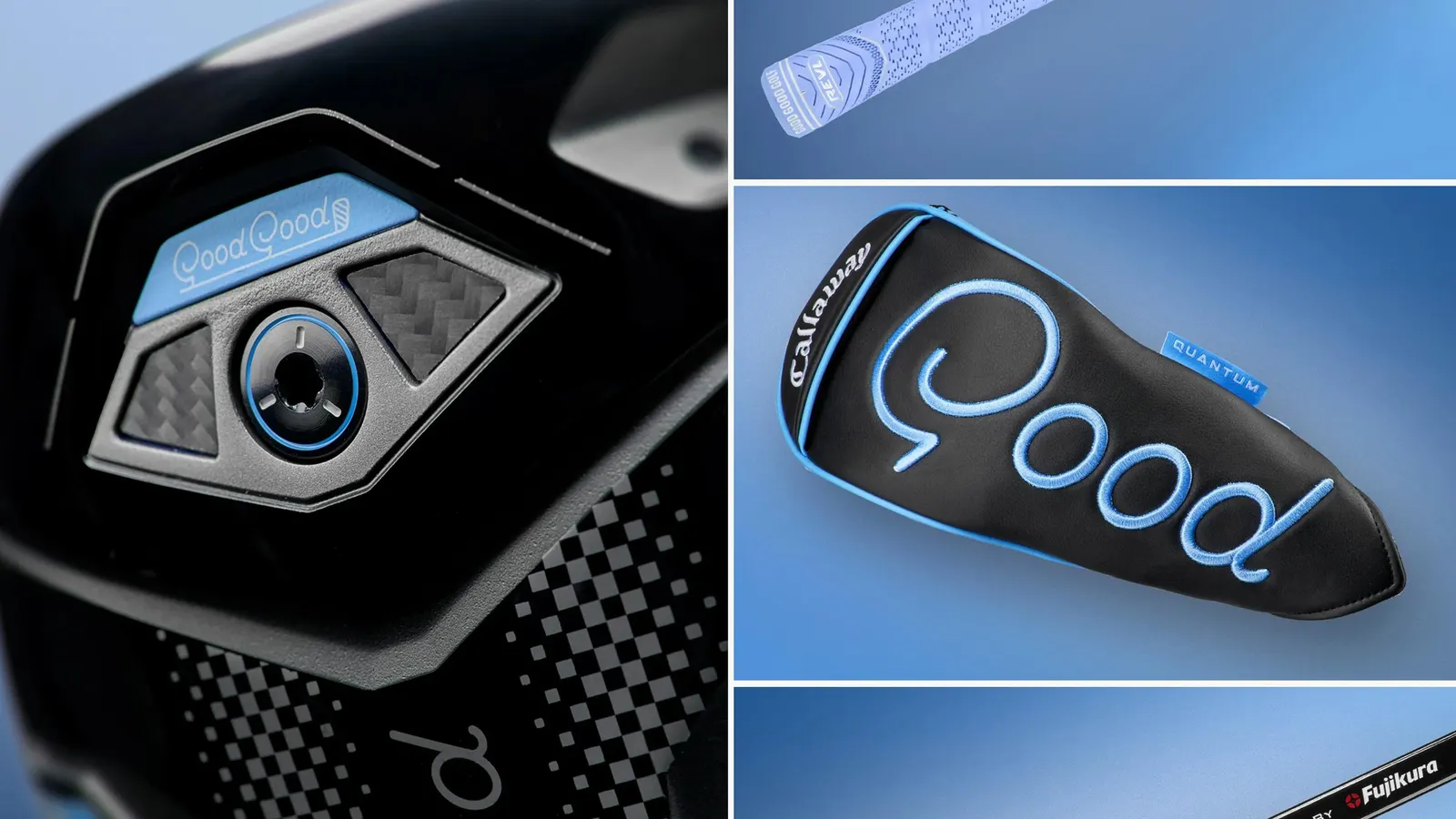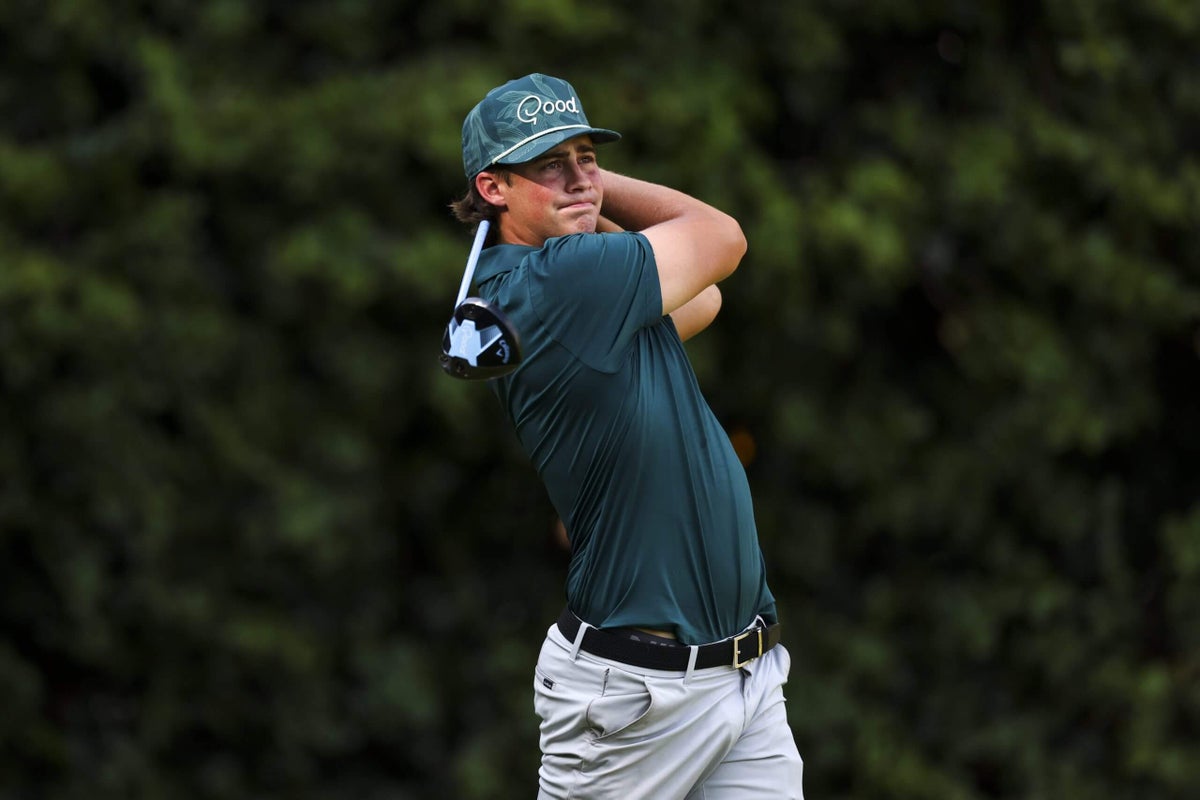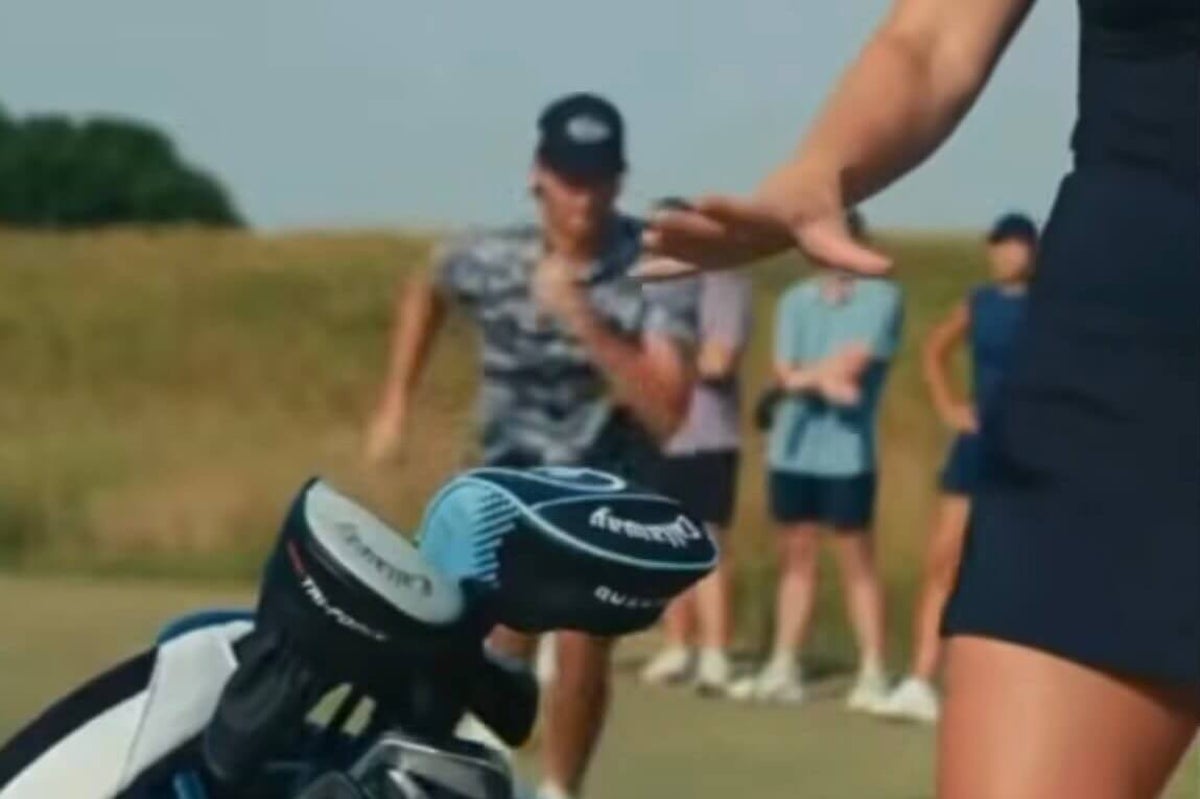
After the controversy came the eventual contrition, but by then it was too late. A 15-second advertisement released last week by Good Good Golf, one of the sport’s most influential online platforms, had grasped for engagement with its brand partner Callaway and instead found only trouble.“Do not touch my new driver,” Good Good co-founder Garrett Clark menacingly warns his female colleague Alexis Miestowski in the ad, which has since been deleted from Good Good’s social channels, after barging her to the ground with a forearm to the back.The backlash has been intense, with Good Good accused of normalising aggression against women in its ill-conceived promotional video. Callaway, which has subsequently accepted it approved the advert prior to its release, has also come under fire.Both have issued apologies, but the reputational damage has been vast. It is also starting to have commercial implications: a sponsor (widely reported to be retailer Golf Galaxy) has requested its branding be removed from the Golf Channel’s planned premiere of Big Break x Good Good — a reboot of the reality TV show that last aired in 2015 — which has been postponed to September 1.In addition, Golf Galaxy and its parent company, Dick’s Sporting Goods, have withdrawn Good Good merchandise from its online retail platforms, with reports also claiming merchandise is being pulled from the shelves of its stores. The Athletic contacted Good Good and Dick’s Sporting Goods for comment.The PGA Tour is also surveying the damage. Good Good was last year named as the title sponsor of an event set to be played in November at Omni Barton Creek in Austin, Texas, but the PGA Tour has been noncommittal on the future of the partnership. “It’s a bit of a fluid situation,” PGA Tour CEO Brian Rolapp told a news conference ahead of this week’s Tour Championship.The disappointment in Good Good’s actions, though, was obvious. “I think what we saw was concerning (and) is clearly not aligned with PGA Tour values,” Rolapp said. “We take it very seriously.”The “fluid situation” referenced by Rolapp amounts to crisis management for Good Good. A platform that was at the vanguard of golf’s YouTube era — on which a wave of young, brash and often male influencers sought to overhaul the coverage of a sport previously considered stuffy and conservative — has grown into an independent company capable of raising $45million in a funding round last year. The self-inflicted wound is deep.“The ad feels like a very public version of the ‘locker-room talk’ or ‘golf-course talk’ women have been subjected to for decades,” says Ellen Hyslop, co-founder of The GIST, a sports media startup with the mission of providing equal coverage to women’s and men’s sports.“For women who have spent years pushing for greater visibility and respect in sports, seeing a female athlete used as the punchline of a violent joke can reinforce exactly the culture the industry has been trying to move away from.Alexis Miestowski is shoved over in the controversial Good Good advert (Good Good Golf)“What makes this particularly damaging is that Good Good represents the new generation of golf. The company’s entire rise has been built around making golf feel younger, more accessible and more culturally relevant. And that’s why so many traditional golf brands have turned to Good Good as a partner.”
Good Good Golf and Callaway are mired in scandal. Can they recover?
The damage wrought by a controversial advert for a new driver is being felt on multiple levels
1,522 words~7 min read